The Realities of Modern Personal Protection for Adults
Practical self-defense for adults begins with recognizing that real-world violence rarely resembles cinematic choreography or controlled athletic sparring. An unprovoked assault is typically characterized by surprise, uneven terrain, verbal aggression, and extreme physical urgency. Effective personal protection systems prioritize environmental awareness, boundary enforcement, and verbal de-escalation long before any physical strike or grapple occurs. Learning how predatory individuals select targets allows adults to change their posture, establish clear verbal boundaries, and avoid high-risk choke points entirely.
When physical measures become unavoidable, functional training must rely on biomechanics rather than raw athletic strength or pain compliance. Adult practitioners often balance demanding jobs, family responsibilities, and varying physical fitness levels, meaning complex multi-step techniques fall apart under high-stress adrenal dumps. Realistic instruction emphasizes gross motor skills that remain accessible when gross heart rates spike and fine motor control degrades. Understanding physiological threat responses transforms reflexive panic into deliberate, structured counter-movements.
Developing dependable defensive habits requires consistent exposure to active resistance rather than memorizing static routines. While brief weekend seminars offer useful introductory concepts, true safety relies on muscle memory forged through regular attendance at dedicated academies. Exploring comprehensive mixed martial arts programs or practical combat disciplines introduces adults to realistic timing, unpredictable movement patterns, and the physical pressure necessary to remain calm under duress.
Physical Disparities and the Mechanics of Leverage
In physical assaults targeting women, significant disparities in body mass, upper-body strength, and reach are almost always present. Relying on trading punches against a heavier, more aggressive opponent presents immense tactical danger and low margins for error. Effective personal safety training for women focuses heavily on structural alignment, skeletal framing, and redirecting momentum rather than attempting to match muscular output. By using the strongest parts of one's body—such as the hips, legs, and core—practitioners neutralize brute force while maintaining defensive balance.
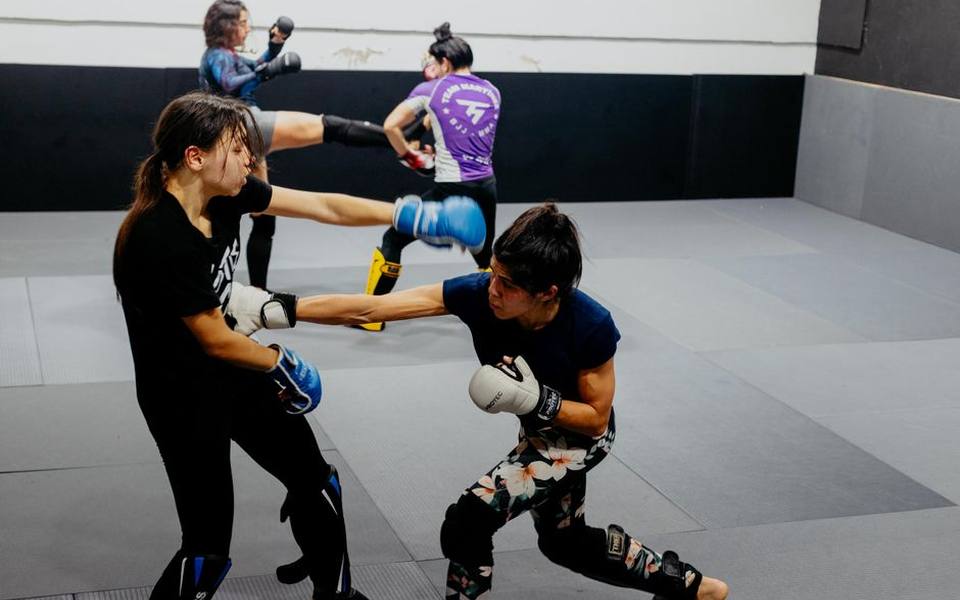
Skeletal framing involves positioning the forearms and shins at angles that transfer an incoming assailant's weight directly into the floor or away from vital targets. When an attacker attempts to grab, shove, or collapse the distance, a rigid frame prevents the defender from being smothered or pinned. This structural wedge creates the necessary clearance to angle away, launch disruptive defensive counter-strikes to soft targets, or transition directly into a secure escape route.
Understanding base and center of gravity fundamentally alters how smaller individuals manage aggressive contact. By lowering one's hips and maintaining an athletic stance, an individual becomes remarkably difficult to uproot or pull off balance. Instruction centered on positional stability ensures that even if an initial grab connects, the student retains the leverage needed to break holds, off-balance the aggressor, and exit the engagement without falling into hazardous positions.
Why Ground Control Matters in Real Encounters
A substantial percentage of violent encounters, particularly assaults involving sexual predatory intent, transition rapidly toward the ground or an immobilizing surface. Being forced onto one's back against pavement or a wall induces intense claustrophobia and disorientation for untrained individuals. Integrating ground survival concepts into regular study demystifies these scenarios, teaching adults how to survive, breathe, and systematically reverse dominant positions when pinned underneath a heavier adversary.
Ground grappling principles drawn from disciplines like Brazilian Jiu-Jitsu focus on positional hierarchy and joint mechanics. Rather than frantically pushing against a heavy chest with extended arms, an educated defender uses their hips to create space, a movement known universally as hip escaping or shrimping. Enrolling in focused jiu-jitsu training teaches students how to trap limbs, displace weight, and use their legs as protective shields against downward strikes.
Crucially, ground-based self-defense does not teach individuals to remain on the floor by choice, but rather how to get back up safely. In street encounters, lingering on the ground exposes the practitioner to environmental hazards, hidden weapons, and third-party interventions. Modern curriculum trains the technical standup, a method of elevating oneself while maintaining an active guard, protecting the head with one arm, and keeping eyes fixed on the aggressor at all times.
Specialized Female Grappling and Training Environments
For many women beginning personal safety instruction, co-ed martial arts environments can initially feel intimidating or physically overwhelming. Women-only training spaces provide an accessible entry point where students work with training partners of comparable size, weight, and initial conditioning. These focused formats foster mutual encouragement, clear communication regarding physical boundaries, and an environment where technical questions can be explored without the pressure of disproportionate physical strength.
Dedicated training in submission wrestling and ground defense allows women to experience high-intensity resistance safely. Rolling with resisting partners teaches how to maintain composure under smothering weight, how to handle collar grips, and how to defend against wrist control. As comfort and technical proficiency grow, many female students transition seamlessly into mixed co-ed classes, finding that their mechanical efficiency enables them to control significantly larger, untrained training partners.
The psychological benefit of regular partner drilling cannot be overstated for female practitioners. Repeated exposure to simulated attacks, close-proximity clinches, and aggressive grabs systematically desensitizes the freeze response. Developing an instinctive reaction to an invasion of personal space replaces fear with tactical action, giving students genuine confidence grounded in proven physical capability rather than speculative theory.
Core Movements That Work Under Adrenaline
Under the extreme physiological stress of an assault, complex joint manipulations and multi-hit striking combinations frequently fail. Practical curriculum isolates a concise catalog of high-percentage actions that rely on gross motor coordination and instinctive biomechanics. Primary among these are the push-kick or teep to establish distance, decisive palm-heel strikes driven by hip rotation, and direct elbow strikes delivered inside close clinch ranges where wild punches lose effectiveness.
Defensive framing forms the backbone of close-quarters survival. When grabbed by the shirt, neck, or hair, instinctive pulling backward usually plays directly into the attacker's strength and momentum. Effective protocols teach practitioners to step into the attack, establishing strong collar-tie control or bilateral underhooks that limit the assailant's striking power. From this controlled clinch, knee strikes to vulnerable regions can disrupt the attacker's posture and force an opening for a clean disengagement.
Escape techniques must also account for restrictive clothing, uneven footwear, and constrained environments such as hallways or parking garages. Training drills should regularly incorporate unexpected obstacles and varied body grips, including bear hugs from behind, single-hand hair grabs, and wrist locks. By mastering three or four universally applicable escape mechanics, adults build reliable responses adaptable to dozens of distinct attack configurations.
Addressing Asymmetric Threats and Weapon Encounters
Encountering an assailant armed with an edged weapon, bludgeon, or firearm represents the most hazardous scenario in civilian self-defense. Honest defensive education clarifies that there are no reliable, clean disarms against an aggressive, committed attacker wielding a knife at close distance. The foremost objective in any weapon encounter is immediate avoidance, compliance where property is the sole demand, or rapid disengagement behind substantial physical barriers.
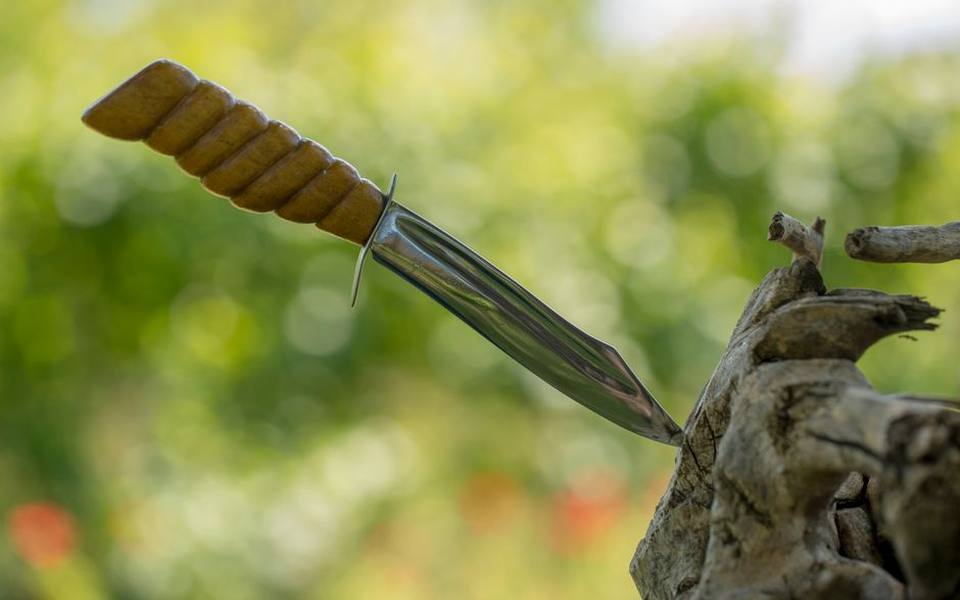
When trapped and forced to fight for survival against a lethal weapon, principles must prioritize controlling the weapon-bearing limb above all else. In defensive systems, two hands control one limb, using full body weight to isolate the attacker's wrist and forearm while preventing subsequent thrusts or strikes. Training with inert practice blades exposes students to the brutal speed of real attacks, dispelling Hollywood myths regarding flawless wrist-locks or flying kicks.
Firearm defenses follow an equally uncompromising logic: immediately clear the line of fire, control the barrel away from your body, and aggressively disrupt the attacker's balance while neutralizing the threat. Responsible instructors treat these tactics as absolute last-resort measures, reserved exclusively for situations where fatal intent is unmistakably apparent. Understanding the legal definitions of justifiable force in your home region ensures physical defensive actions remain legally defensible.
Evaluating Curriculum Quality and Avoiding False Security
The self-defense industry contains an unfortunate volume of ineffective instruction, frequently characterized by brief workshops promising total safety after three hours of practice. Static drills featuring a totally compliant partner who freezes after launching a slow punch build dangerous false security. If an academy does not incorporate progressive resistance, dynamic sparring, or live pressure testing, the movements being taught will rarely hold up during a genuine confrontation.
A reliable program blends structured technique breakdowns with dynamic situational drills where partners provide varying degrees of unpredictability. Students should regularly practice defending against erratic attacks, multiple grip variations, and verbal aggression under physical fatigue. This methodology forces practitioners to adapt in real time, developing fluid problem-solving skills rather than rigid choreography that shatters the moment an opponent behaves unexpectedly.
Instructor credentials and school philosophy provide vital indicators of quality before signing any long-term membership agreement. Quality instructors possess verifiable backgrounds in functional combat sports, law enforcement defensive tactics, or established grappling lineages. They discuss personal safety with humility, readily explain the limitations of every technique, and emphasize de-escalation, post-incident reporting, and emotional trauma recovery alongside physical tactics.
Balancing Striking, Clinch Work, and Positional Escapes
A complete personal protection strategy cannot rely exclusively on striking or exclusively on grappling; it requires seamless integration across all engagement ranges. Standing strikes keep aggressive individuals outside arm's reach and deter approaches, but close-range scuffles often bypass the striking zone entirely. Studying foundational elements found in kickboxing classes provides adults with distance awareness, defensive shell mechanics, and powerful rotational mechanics.
When an aggressive individual closes the gap through reckless charging, the clinch becomes the decisive transitional zone. In the clinch, learning how to manipulate head position, establish dominant frames, and control bicep ties neutralizes dangerous headbutts, short hooks, and takedown attempts. Clinch expertise allows a defender to either separate cleanly to run away or off-balance the assailant onto the floor to secure an immediate escape route.
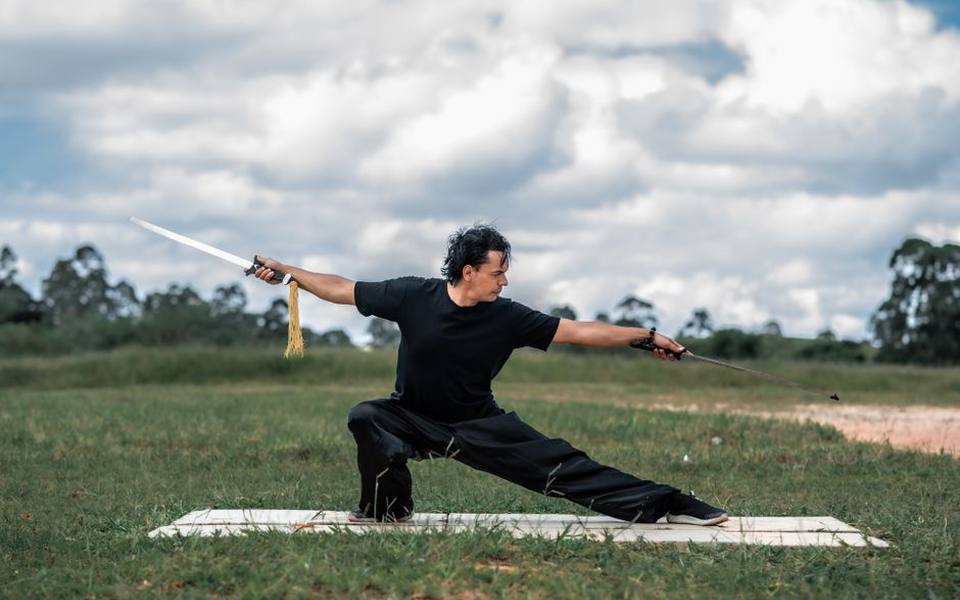
Certain classic approaches found within traditional martial arts schools offer valuable foundational disciplines, repetitive motor conditioning, and mental focus. However, adults seeking practical defense should verify that traditional forms are complemented by modern sparring models. Integrating the precision of classical arts with the functional reality of full-contact sparring creates a well-rounded practitioner capable of handling diverse tactical situations.
Structuring Your Ongoing Training Schedule
Developing real, retrievable self-defense capability requires consistent, long-term exposure rather than occasional seasonal effort. Committing to two to three classes weekly typically allows adult students to build technical vocabulary, physical conditioning, and situational fluency without risking overuse injuries. Spacing training sessions throughout the week provides necessary muscular recovery and allows newly introduced neurological pathways to consolidate effectively between mat sessions.

Injury prevention is vital for maintaining a continuous training habit over months and years. Adults should choose gyms that mandate proper safety gear, enforce responsible sparring intensity, and actively eliminate reckless training partners who treat friendly practice like a world championship bout. Controlled tapping, respectful partner interactions, and gradual physical ramping ensure you stay healthy enough to attend work and family obligations without lingering physical setbacks.
As your training progresses, periodically reassess your defensive preparedness across different physical environments. Practice moving in regular street shoes, working from compromised seated positions, and defending from awkward spatial confines like car interiors or stairwells. Continual exposure to varied environmental variables prevents complacency and builds adaptable defensive habits that translate directly into everyday civilian life.
Navigating Local Academies and Making Your Decision
Selecting the right training facility depends heavily on community culture, facility cleanliness, and geographical accessibility. Whether you are reviewing comprehensive listings in regional hubs like martial arts schools in Texas or searching your local neighborhood, visiting multiple facilities in person remains essential. Most reputable academies provide introductory trial sessions or allow prospective students to observe advanced classes from the sideline before making any financial commitment.
During your initial school visits, pay close attention to the demographics and demeanor of existing students. A healthy academy features a balanced mix of adult men, women, and various age groups training cooperatively without ego-driven hostility. Observe how senior students treat newer beginners; veteran practitioners should demonstrate patience, technical guidance, and careful control during partner drills rather than using novices as personal training dummies.
Examine membership agreements carefully, inquiring about cancellation policies, uniform requirements, testing fees, and mandatory contract lengths. Avoid facilities that use high-pressure sales tactics or demand multi-year upfront commitments before you have experienced real classes. A transparent, professionally operated school welcomes your questions, values your long-term personal safety goals, and provides an encouraging environment where you can build lifelong physical resilience.
Published 2026-09-21 · reviewed with each rebuild, last September 2026.
Find martial arts schools near you
The directory lists 32,877 martial arts schools by state and city — pick your state or use the “Near me” button in the header.
More guides
-
 Owning
Establishing a Proper Heavy Bag Routine and Striking Technique at Home
-
 Safety
Brazilian Jiu-Jitsu for Beginners: Tips, Fundamentals, and Mat Health
-
 Buying
Finding the Right Fit: A Guide to Sizing Your Jiu-Jitsu Uniform and Cross-Training Gear
-
 Money
MoneyHow Much Do Martial Arts Classes Cost? Membership Fees Breakdown
-
 Owning
What Is Mixed Martial Arts? Beginner Overview and Training Guide
-
 Owning
The History, Origins, and Physical Demands of Brazilian Jiu-Jitsu
-
 Owning
Traditional Martial Arts Guide: Understanding Wushu, Silat, and Naginata
-
 Owning
Understanding Mixed Martial Arts for Beginners
-
 Safety
How to Wrap Your Hands for Boxing: Step-by-Step Wrist and Knuckle Protection Guide
-
 Buying
Best Jiu-Jitsu Gis and Apparel: Complete Buyer's Guide and Sizing Chart
-
 Buying
BJJ vs Judo vs Wrestling vs No-Gi: Which Grappling Art Is Right for You?
-
 Buying
How to Choose the Best Jiu-Jitsu and MMA Gym Near You
-
 Owning
Brazilian Jiu-Jitsu for Beginners: Rules, Belt Ranks, and Mat Training
-
 Buying
Kickboxing Classes & Cardio Fitness Workouts Guide
-
 Owning
Martial Arts Belt Ranking Systems: Progression, Orders, and Displays
-
 Buying
Jeet Kune Do: History, Philosophy, and Modern Training Guide
-
 Buying
BJJ Gis and Uniforms Buyer's Guide: Brands, Fit, and Care
-
 Buying
Gracie Jiu-Jitsu Lineages, Academy Networks, and Training Philosophies
-
 Buying
10th Planet Jiu-Jitsu: Complete Guide to the No-Gi System and Academies
-
 Safety
Tai Chi Classes for Seniors: Health Benefits, Styles, and Practice Guide
-
 Owning
Heavy Bag and Boxing Workouts: Home Setup, Gear Selection, and Training Guide
-
 Buying
Adult Karate and Taekwondo Classes: Getting Started and Gi Sizing
-
 Owning
IBJJF Tournaments and Competition Guide: Databases, Rules, and Events
-
 Safety
Custom vs. Boil-and-Bite Mouthguards: Complete Selection and Fitting Guide
-
 Owning
Traditional Chinese Martial Arts: Shaolin, Wing Chun, Jeet Kune Do, and Gear Guide
-
 Buying
Adult Martial Arts Guide: Choosing the Right Style, Gym, and Training Class
-
 Buying
Filipino Martial Arts, Kenpo, Aikido, and HEMA: Comparing Traditional Combat Styles
-
 Owning
Heavy Bag Workout Guide: Routines, Drills, and Training for Cardio and Weight Loss
-
 Buying
Muay Thai and Cardio Kickboxing Classes: Training, Techniques, and Fitness Programs
-
 Buying
BJJ Gis, Rash Guards, and Apparel: How to Choose, Size, and Care for Jiu-Jitsu Gear
-
 Safety
Women's and Adult Self-Defense Classes: Selecting Programs for Real-World Safety
-
 Owning
Martial Arts Belts and Ranks: Belt Order, Taping, and Display Racks Guide
-
 Safety
Martial Arts Conditioning, High-Kick Mobility, and Protective Gear Guide
-
 Buying
Kids and Toddler Martial Arts: Complete Guide to Classes, Camps, and Family Dojos
-
 Owning
How to Hang a Heavy Bag: Ceiling and Wall Mounting Installation Guide
-
 Buying
Brazilian Jiu-Jitsu Schools, Academies, and Lineages: A Complete Guide
-
 Buying
Martial Arts Gyms, Fitness Studios, and Dojos Directory Guide
-
 Buying
Traditional Martial Arts Styles and Specialized Disciplines Guide
-
 Owning
BJJ and Martial Arts Gi Selection, Sizing, and Equipment Care Guide