Navigating the Competitive Jiu-Jitsu Landscape
Entering the competitive grappling circuit can feel daunting for newcomers, as the sport spans dozens of organizations, rulebooks, and regional circuits. The International Brazilian Jiu-Jitsu Federation, or IBJJF, remains the primary governing body setting standard benchmarks for belt ranks, tournament structures, and international rankings. Across the United States, competitors begin their journey inside local Brazilian Jiu-Jitsu schools, sharpening their technical foundations before testing their abilities under the bright lights of regional opens and major tournaments. Understanding how competitive brackets function helps athletes map realistic development plans over multi-year periods.
While traditional gi competitions focus on sleeve grips, lapel entanglements, and controlled positional dominance, modern grappling encompasses an equally rigorous no-gi calendar. Athletes commonly test themselves in both styles to gain complete grappling fluency. Local tournaments offer lower-pressure entry points, but advancing to sanctioned international events requires understanding federation rules, weight limits without allowances, and strict uniform guidelines. Preparation involves far more than simply showing up to spar; it demands systematic physical conditioning, deliberate skill building, and familiarity with how referees score matches.
Every competitor's path is personal, whether they dream of competing in adult black belt divisions or pursuing masters titles later in life. Developing realistic goals begins with an honest assessment of current mat time, athletic recovery, and personal commitments. Because major competitions require travel and entry fees, working closely with gym coaches ensures an athlete steps on the mats at the right belt rank and weight class. Approaching competition as an educational benchmark rather than a personal judgment fosters long-term durability in this grueling combat sport.
Managing Your Athlete Profile and Federation Records
Registering for sanctioned international events requires navigating the official federation portal, widely referred to among practitioners as the federation membership database or ibjjfdb. Every active competitor must hold an updated annual membership ID tied to an accredited academy and certified black belt instructor. This digital record serves as the central clearinghouse for belt promotions, tournament registration history, accumulated ranking points, and official bracket seedings across major international competitions.
Maintaining an active profile requires attention to deadlines weeks before an event begins. Competitors submit digital headshots, official state identification, and verification of their current belt rank through the online portal. Once approved, athletes use the database to register for upcoming opens, switch weight divisions before the athlete correction deadline, and monitor registration lists to see who enters their bracket. Failing to renew an annual registration on time can prevent an athlete from stepping on the mats, regardless of physical readiness.
The ranking system housed within the database determines seeding in tournament brackets, which dramatically affects an athlete's path through eliminations. Competitors earn points by placing on the podium at local opens, continental championships, and global majors. Higher-seeded athletes avoid early-round clashes against top-ranked contenders, making strategic tournament selection throughout the season a key factor for those chasing national or global rankings. Regularly checking your athlete dashboard ensures all tournament points are correctly tallied and attributed.
The Prestige of the World Jiu-Jitsu Championship
Among all traditional gi competitions, the World Jiu-Jitsu Championship—traditionally known in the grappling community as the bjj mundials—stands as the most prestigious title in the sport. Originally held in Rio de Janeiro, Brazil, before relocating to Southern California in the mid-2000s, this multi-day tournament gathers the best grapplers from across the globe. Winning a gold medal at this championship remains the pinnacle achievement for traditional gi practitioners, representing the highest standard of technical execution and mental toughness.
To step onto the mats at this world championship in the adult black belt division, competitors must qualify by earning sufficient ranking points at sanctioned opens throughout the competitive year. Lower belt divisions, from blue to brown, typically allow direct registration until bracket caps are reached, creating massive pools where athletes must win six or seven matches in a single day to medal. The depth of skill in these amateur divisions rivals professional circuits in other martial disciplines.
Preparing for this major tournament requires months of disciplined training camps, technical fine-tuning, and match simulation under standard IBJJF rules. Match times vary from five minutes for white belts up to ten minutes for black belts, with strict limitations on allowable submissions at each belt tier. Understanding how advantage points, penalties, and referee decisions function during tight matches often decides who reaches the podium when technical skill levels between opponents are virtually identical.
Competing Without the Kimono at Continental and Global Championships
The growth of submission grappling has elevated no-gi competition to unprecedented visibility. Major international tournaments now feature dedicated divisions without the traditional kimono, highlighted by the annual Pan No-Gi Championship and the prestigious IBJJF Worlds No Gi, commonly referenced simply as worlds no gi. These events feature distinctive rule sets regarding grip mechanics, foot sweeps, and wrestling exchanges, requiring athletes to cultivate explosive wrestling defense alongside traditional guard play.
Competing at events like the ibjjf no gi pans demands strict adherence to federation uniform standards. Competitors must wear rash guards that are at least seventy percent black with their current belt rank color prominently displayed, paired with specific board shorts that have no external pockets or zippers. Athletes in brown and black belt adult divisions can employ specialized leg locks, including heel hooks and reaping attacks, which are prohibited in standard gi matches, shifting tactical preparation significantly.
Training for major no-gi jiu jitsu tournaments demands higher metabolic conditioning and faster scramble management than gi sparring. Without the friction and gripping surfaces provided by heavy cotton jackets, escaping bad positions becomes more viable, while securing finishes requires tighter mechanical control. Many athletes dedicated to no-gi competition focus heavily on wrestling takedowns, underhook battles, and front headlock series to dictate match pace and secure favorable positional points from the opening seconds.
The Atmosphere and Scale of Master Worlds
The World Master IBJJF Jiu-Jitsu Championship, celebrated broadly as the ibjjf master worlds, has evolved into one of the largest martial arts gatherings on earth. Held annually in Las Vegas, Nevada, this massive gathering caters specifically to competitors aged thirty and older, subdivided into age brackets such as Master 1 through Master 7. It offers mature practitioners an opportunity to test their abilities against peers of similar ages without competing against twenty-year-old full-time professional athletes.
The atmosphere in Las Vegas during this week-long festival combines intense athletic competition with community reunion. Academies from around the world bring massive teams, filling dozens of competition mats simultaneously from morning until night. Despite the older age brackets, the technical level remains exceptionally high, with former adult world champions frequently competing in master divisions alongside working professionals, parents, and hobbyists who train several evenings each week.
Succeeding in master divisions requires balanced recovery management during tournament camp. Competitors balancing demanding careers and family responsibilities cannot train with the sheer volume of collegiate-age competitors without risking overuse injuries. Successful master competitors prioritize joint health, proper sleep hygiene, and targeted strength work to maintain power and mobility over multiple elimination matches throughout a long, grueling tournament day.
Exploring Regional and Independent Tournament Circuits
While international federation events draw major headlines, independent regional circuits offer accessible, high-volume competitive experience for grapplers at every experience level. Organizations such as the new breed bjj tournament circuit, along with Grappling Industries and NAGA, run consistent weekend events across metropolitan hubs in states like Texas, Florida, and California. These events provide crucial mat time for hobbyists and emerging competitors looking to build confidence before jumping into international majors.
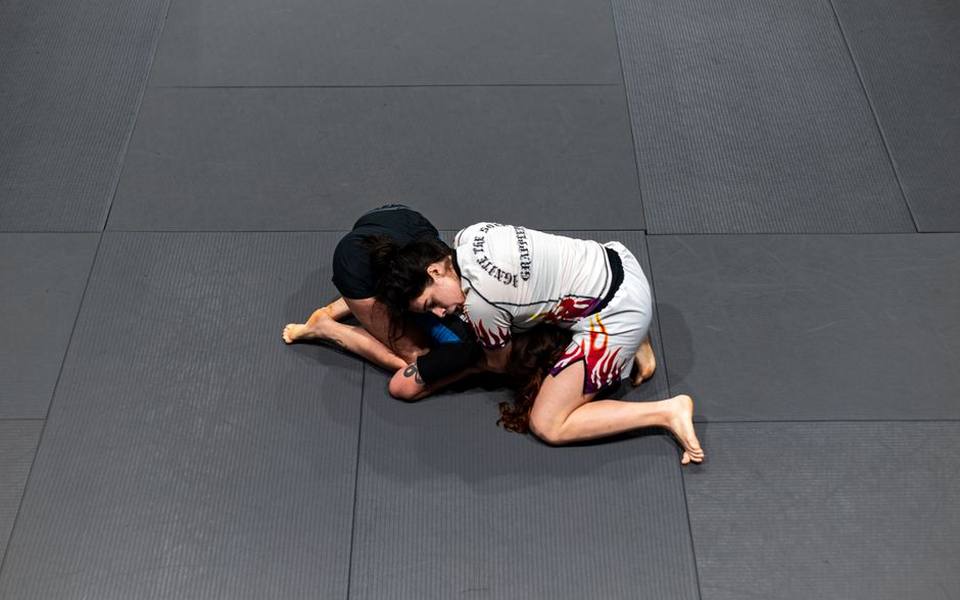
Regional circuits often utilize diverse competition formats that provide more mat time than single-elimination federation tournaments. Many independent promotions utilize round-robin pools or double-elimination brackets, guaranteeing each entrant three to five matches regardless of the outcome of their first bout. For a developing practitioner, getting multiple guaranteed matches per entry fee offers substantially better value and developmental feedback than traveling across the country only to lose in the first round on an advantage point.
In addition to varied bracket formats, independent circuits frequently showcase custom rules, including submission-only divisions, modified points structures, and looser restrictions on lower-body submissions for intermediate belts. This variety allows grapplers to test their technical style under different conditions. Coaches frequently recommend these regional platforms as essential proving grounds for students honing their competition routines, warm-up habits, and emotional control under realistic match stress.
Leveraging Open Mat Sessions for Realistic Preparation
Developing sharp competition instincts requires moving beyond routine gym drills into unstructured sparring scenarios. Participating in a weekly bjj open mat allows grapplers to log high-intensity rounds against varied body types, movement habits, and team styles. Rather than following a rigid instructional curriculum, open mats dedicate sixty to ninety minutes entirely to live rounds, simulating the physical unpredictability and tactical resistance athletes face on competition day.
Visiting neighboring academies for open rolling can reveal blind spots in an athlete's game that regular training partners might unintentionally mask. When you spar with the same teammates daily, everyone learns each other's favorite setups, timing, and defensive habits. Stepping onto an unfamiliar mat against a stranger forces an athlete to rely on solid fundamentals, quick problem-solving, and disciplined posture rather than familiar comfort zones.
To maximize tournament preparation during unstructured rolling sessions, grapplers should set clear technical goals for each round. Rather than simply rolling to survive, an athlete preparing for competition might dedicate specific rounds to scoring early takedowns, maintaining guard retention, or working from defensive pins under time pressure. Integrating sessions at dedicated jiu-jitsu classes that emphasize situational sparring builds mental composure when referee whistles blow.
Body Recomposition: Gaining Muscle While Reducing Body Fat
Competing effectively in weight-class combat sports requires managing body composition rather than relying on drastic dehydration cuts before weighing in. Learning how to gain muscle and lose body fat simultaneously—known as body recomposition—allows an athlete to enter their chosen division at peak strength without suffering the debilitating stamina crashes caused by crash dieting. A steady caloric deficit of roughly three hundred to five hundred calories below maintenance, paired with high protein intake, drives fat loss while preserving power.
Resistance training plays an indispensable role during a tournament camp. Incorporating multi-joint compound movements such as front squats, Romanian deadlifts, pull-ups, and overhead presses twice weekly stimulates muscle protein synthesis and reinforces connective tissue. Many grapplers cross-reference conditioning with structured martial arts fat loss programs to streamline nutrition, ensuring that weight loss comes directly from adipose tissue rather than hard-earned skeletal muscle mass.
Hydration and electrolyte balance must remain steady throughout the recomposition phase. When grappling multiple hours each week, water loss through sweat can easily mask true scale weight changes while impairing muscular endurance and cognitive reaction times. Rather than starving yourself in the days leading up to an event, dialing in macronutrients eight to twelve weeks beforehand ensures you make weight comfortably and step on the scale feeling energized.
Managing Ear Pressure, Fluid, and Mat Health
Hard grappling rounds, head pressure against the mat, and aggressive collar ties frequently place heavy physical stress on an athlete's neck, jaw, and ears. Many competitors occasionally experience muffled hearing, popping sensations, or a persistent sensation of fullness, leading them to investigate how to get fluid out of inner ear passages or middle ear structures. While cauliflower ear affects the external ear cartilage, fluid buildup deeper inside usually involves temporary Eustachian tube dysfunction triggered by inflammation or seasonal congestion.
When grappling causes tension around the temporomandibular joint or when nasal passages swell from hard breathing and sweat exposure, the small tube draining the middle ear can become obstructed. Gentle techniques such as performing a mild Valsalva maneuver—pinching the nose and gently blowing with a closed mouth—can equalize pressure across the eardrum. Over-the-counter saline nasal rinses, warm facial compresses, and inhaling steam in a hot shower can also reduce sinus swelling and encourage natural drainage.
It is essential to distinguish between middle ear congestion and true inner ear medical conditions like labyrinthitis, which often produce severe vertigo and loss of balance. Grapplers should never insert foreign objects, cotton swabs, or unsterilized ear candles into the ear canal, as these can rupture the tympanic membrane or compact cerumen. If ear fullness persists for more than several days or is accompanied by pain, dizziness, or drainage, consult an ear, nose, and throat specialist promptly.
Weigh-In Protocols, Uniform Inspections, and Game Day Execution
Competition day demands meticulous organization long before your division is called to the bullpen. In standard IBJJF events, competitors weigh in wearing their full competition attire—including the gi and belt—immediately before stepping onto the mat for their first match. There is zero weight allowance provided; exceeding your registered weight limit by even an ounce results in immediate disqualification without refund. Planning your final meals and warm-up schedule accordingly prevents costly mental panic.
Uniform inspection is equally rigorous at major tournaments. Official inspectors measure sleeve length, jacket skirt depth, cuff circumference, and belt stiffness using standard wooden gauges known as a fissometro. Any torn fabric, unapproved patch placement, or dirty uniforms will lead to disqualification unless the athlete can produce an acceptable replacement within a few minutes. Packing a secondary, clean competition uniform in your gear bag is an essential safeguard against unexpected equipment rejections.
Once inside the warm-up area, focus on controlled dynamic movements that raise core temperature and lubricate joints without exhausting your nervous system. Developing a reliable pre-match routine helps calm adrenaline spikes and narrows attention to tactical execution. Whether you are stepping onto local mats or competing at major events across hubs in California, treating every tournament as a platform for personal refinement turns every outcome into lasting athletic progression.
Published 2026-09-21 · reviewed with each rebuild, last September 2026.
Find martial arts schools near you
The directory lists 32,877 martial arts schools by state and city — pick your state or use the “Near me” button in the header.
More guides
-
 Owning
Establishing a Proper Heavy Bag Routine and Striking Technique at Home
-
 Safety
Brazilian Jiu-Jitsu for Beginners: Tips, Fundamentals, and Mat Health
-
 Buying
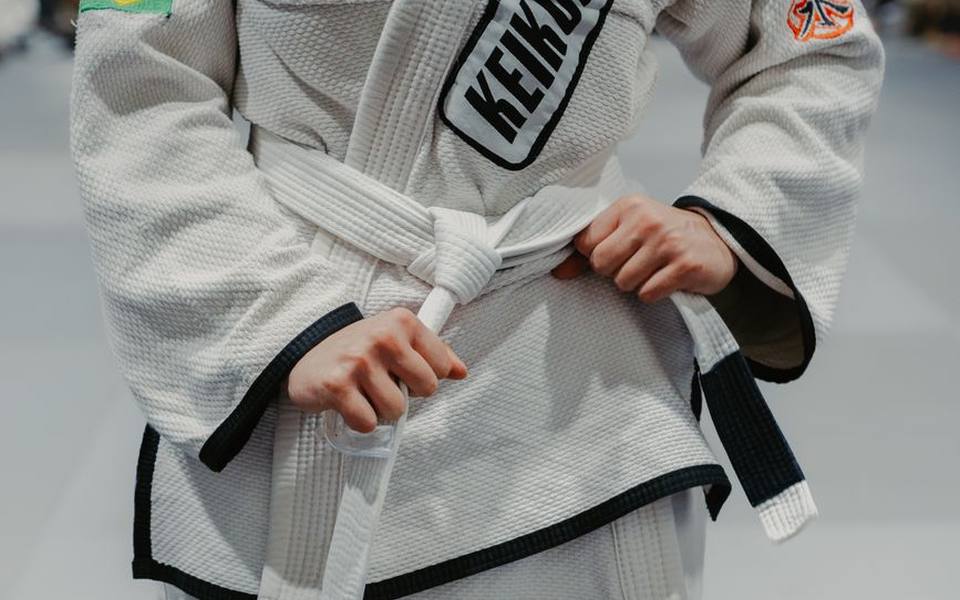
Finding the Right Fit: A Guide to Sizing Your Jiu-Jitsu Uniform and Cross-Training Gear
-
 Money
MoneyHow Much Do Martial Arts Classes Cost? Membership Fees Breakdown
-
 Owning
What Is Mixed Martial Arts? Beginner Overview and Training Guide
-
 Owning
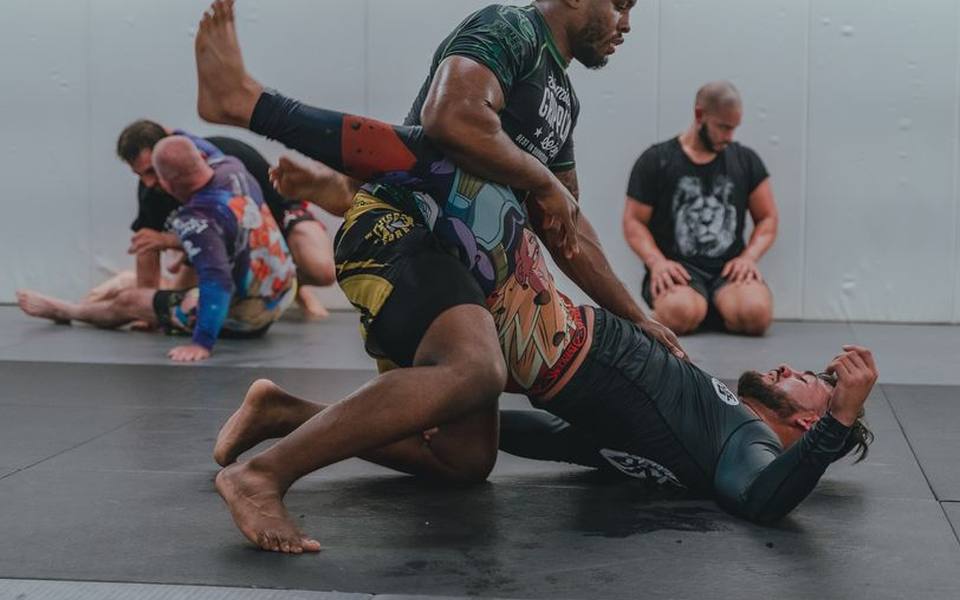
The History, Origins, and Physical Demands of Brazilian Jiu-Jitsu
-
 Owning
Traditional Martial Arts Guide: Understanding Wushu, Silat, and Naginata
-
 Owning
Understanding Mixed Martial Arts for Beginners
-
 Safety
How to Wrap Your Hands for Boxing: Step-by-Step Wrist and Knuckle Protection Guide
-
 Buying
Best Jiu-Jitsu Gis and Apparel: Complete Buyer's Guide and Sizing Chart
-
 Buying
BJJ vs Judo vs Wrestling vs No-Gi: Which Grappling Art Is Right for You?
-
 Buying
How to Choose the Best Jiu-Jitsu and MMA Gym Near You
-
 Owning
Brazilian Jiu-Jitsu for Beginners: Rules, Belt Ranks, and Mat Training
-
 Buying
Kickboxing Classes & Cardio Fitness Workouts Guide
-
 Owning
Martial Arts Belt Ranking Systems: Progression, Orders, and Displays
-
 Buying
Jeet Kune Do: History, Philosophy, and Modern Training Guide
-
 Buying
BJJ Gis and Uniforms Buyer's Guide: Brands, Fit, and Care
-
 Buying
Gracie Jiu-Jitsu Lineages, Academy Networks, and Training Philosophies
-
 Buying
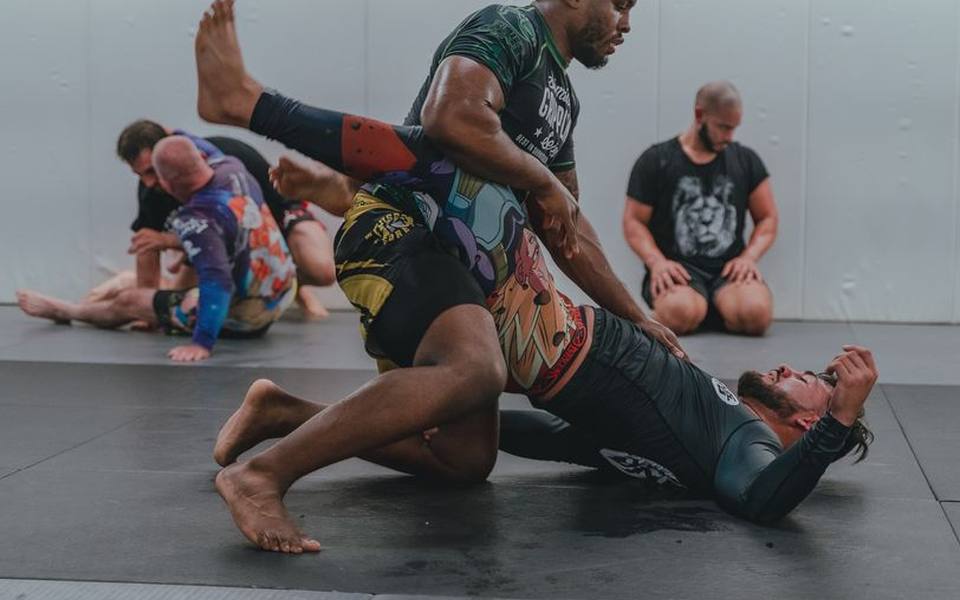
10th Planet Jiu-Jitsu: Complete Guide to the No-Gi System and Academies
-
 Safety
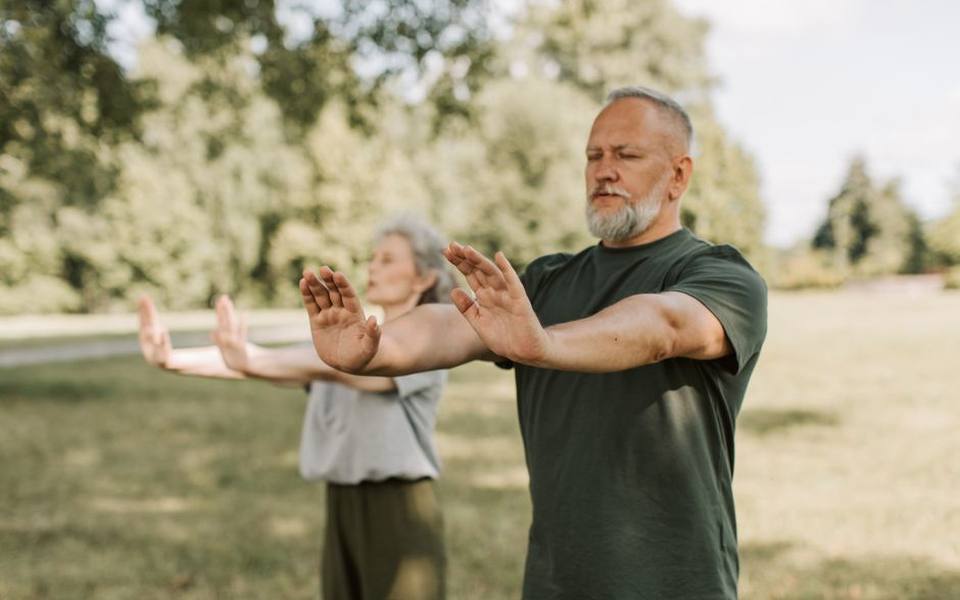
Tai Chi Classes for Seniors: Health Benefits, Styles, and Practice Guide
-
 Owning
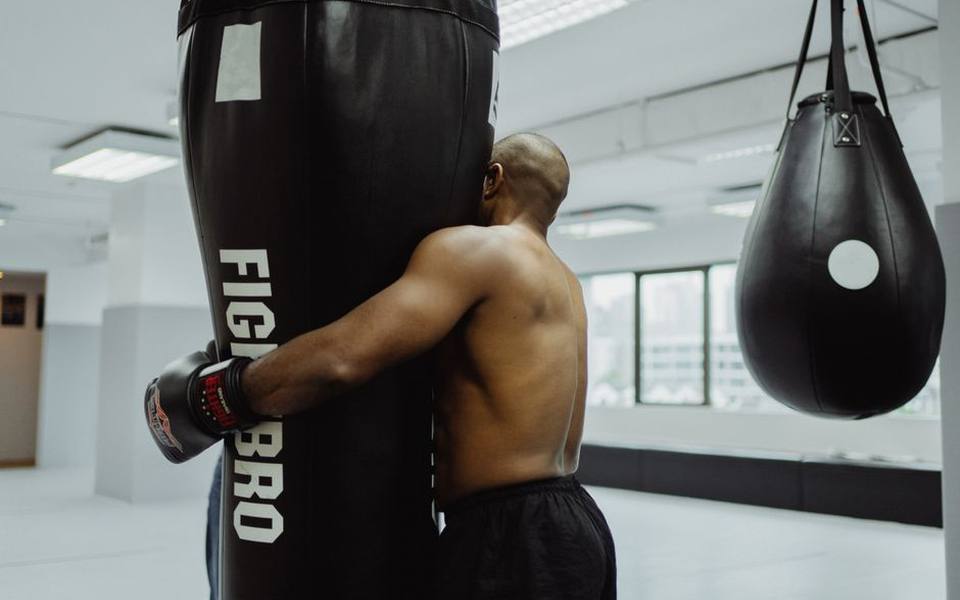
Heavy Bag and Boxing Workouts: Home Setup, Gear Selection, and Training Guide
-
 Buying
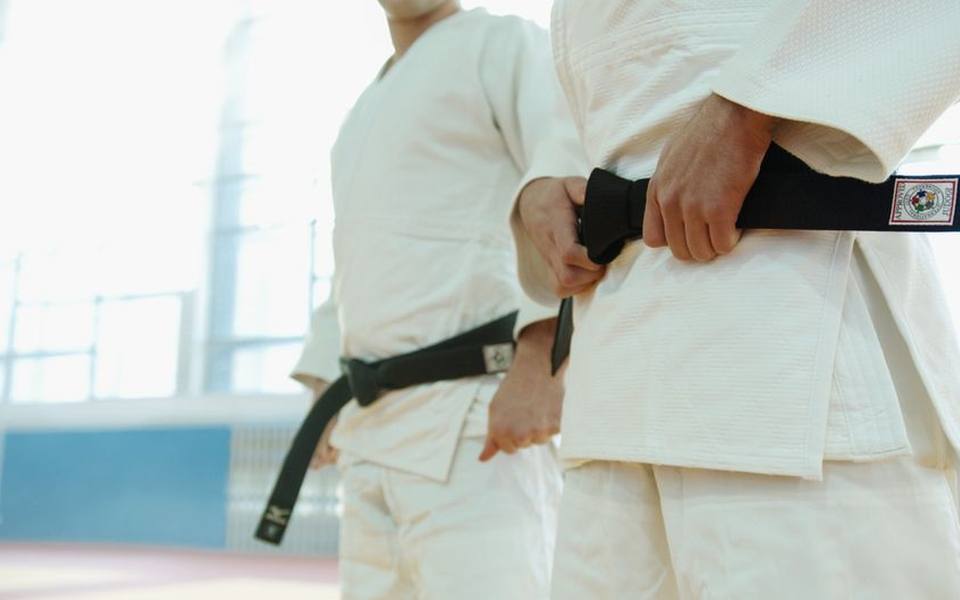
Adult Karate and Taekwondo Classes: Getting Started and Gi Sizing
-
 Safety
Custom vs. Boil-and-Bite Mouthguards: Complete Selection and Fitting Guide
-
 Safety
Women's and Adult Self-Defense Training Guide: Techniques, Classes, and Systems
-
 Owning
Traditional Chinese Martial Arts: Shaolin, Wing Chun, Jeet Kune Do, and Gear Guide
-
 Buying
Adult Martial Arts Guide: Choosing the Right Style, Gym, and Training Class
-
 Buying
Filipino Martial Arts, Kenpo, Aikido, and HEMA: Comparing Traditional Combat Styles
-
 Owning
Heavy Bag Workout Guide: Routines, Drills, and Training for Cardio and Weight Loss
-
 Buying
Muay Thai and Cardio Kickboxing Classes: Training, Techniques, and Fitness Programs
-
 Buying
BJJ Gis, Rash Guards, and Apparel: How to Choose, Size, and Care for Jiu-Jitsu Gear
-
 Safety
Women's and Adult Self-Defense Classes: Selecting Programs for Real-World Safety
-
 Owning
Martial Arts Belts and Ranks: Belt Order, Taping, and Display Racks Guide
-
 Safety
Martial Arts Conditioning, High-Kick Mobility, and Protective Gear Guide
-
 Buying
Kids and Toddler Martial Arts: Complete Guide to Classes, Camps, and Family Dojos
-
 Owning
How to Hang a Heavy Bag: Ceiling and Wall Mounting Installation Guide
-
 Buying
Brazilian Jiu-Jitsu Schools, Academies, and Lineages: A Complete Guide
-
 Buying
Martial Arts Gyms, Fitness Studios, and Dojos Directory Guide
-
 Buying
Traditional Martial Arts Styles and Specialized Disciplines Guide
-
 Owning
BJJ and Martial Arts Gi Selection, Sizing, and Equipment Care Guide