Why Tai Chi Has Become the Premier Movement Practice for Older Adults
Tai Chi offers older adults an accessible way to improve balance, joint flexibility, and cardiovascular stamina without placing heavy impact on aging bones. Originating as a defensive martial system, modern instructional formats emphasize slow, intentional weight transfers paired with deep diaphragmatic breathing. For anyone who feels intimidated by conventional gym settings or high-intensity interval routines, stepping into a beginner session provides an immediate sense of steady physical control and mental clarity.
Medical research consistently underscores the measurable benefits of senior tai chi programs. Regular attendance typically reduces fall risk by training stabilizing muscle groups in the hips, ankles, and core that standard walking routines often miss. Practitioners learn how to root their feet firmly against the floor, shifting their center of gravity smoothly from one side to the other. This dynamic equilibrium creates practical confidence on slick sidewalks, uneven stairs, and crowded public spaces.
Beyond structural stability, the rhythmic cadence of slow movements promotes circulation and regulates blood pressure. Chronic stiffness in the knees and lower spine frequently softens after several weeks of continuous practice. Because each posture can be modified for limited ranges of motion or even performed from a stable chair, older adults with mild arthritis, joint replacements, or balance hesitations can participate safely alongside students of varying skill levels.
Joining structured tai chi classes also delivers meaningful social interaction that supports long-term emotional wellbeing. Many neighborhood programs gather multiple mornings per week, creating dependable routines that combat isolation. Engaging in shared physical learning with peers builds community accountability, encouraging participants to stay active year after year without burning out or risking common orthopedic overuse injuries.
Core Styles and Choosing the Right Approach for Aging Joints
Tai Chi encompasses several distinct family lineages, each presenting unique movement speeds, stance depths, and physical requirements. For older adults, selecting the right branch determines how comfortable and sustainable initial training will feel. While some traditional combat lineages demand explosive leaps and low crouches, adaptations designed for mature bodies prioritize upright spine alignment, gentle rotations, and manageable footwork intervals that protect vulnerable tendons.

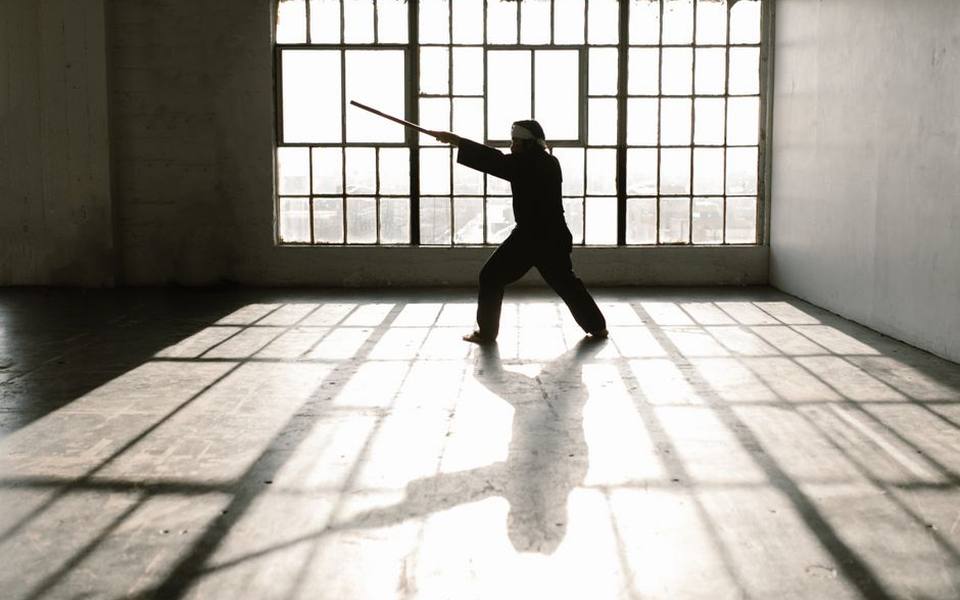
Yang style stands out as the most widely practiced lineage across community centers and martial studios. Its expansive, steady movements flow at a continuous tempo, avoiding abrupt stops or jarring accelerations. Instructors specializing in traditional martial arts styles often introduce the standardized 24-movement Yang routine because it offers straightforward postural symmetry that helps students memorize transitions without straining their lower backs.
Sun style is another exceptional option tailored specifically for practitioners managing joint stiffness or mild mobility challenges. Characterized by higher stances and frequent follow-steps, Sun style minimizes twisting pressure on the knees while emphasizing upright posture and agility. Chen style, by contrast, retains vigorous spiraling power and sudden releases of force, making it better suited for experienced martial artists rather than beginners seeking low-impact balance rehabilitation.
Wu style occupies a comfortable middle ground, utilizing compact arm movements and a distinctive forward-leaning torso alignment that trains core stabilization. When evaluating local academies, ask the head instructor which style they teach and whether their syllabus incorporates modified postures for joint preservation. Starting with an adaptable curriculum ensures your body adapts gradually without unexpected knee or hip inflammation.
Foundational Exercises and Movement Sequences for Daily Mobility
A productive session always begins with mindful joint warm-ups before transitioning into formal postures. Instructors introduce basic senior tai chi exercises designed to lubricate the neck, shoulders, hips, and ankles through gentle continuous circles. Rolling the shoulders back while synchronizing inhalation releases postural tension built up during seated domestic tasks, setting a relaxed physical tone for subsequent movement sequences.
One cornerstone movement is 'Wave Hands Like Clouds,' a sideways shifting drill where the arms trace smooth circular paths across the torso. As practitioners step gently from side to side, they coordinate foot placement with ribcage rotation, training the nervous system to maintain equilibrium while shifting weight. This pattern directly reinforces the lateral stability needed to prevent accidental falls when stepping sideways around domestic obstacles.
Another essential sequence is 'Parting the Wild Horse's Mane,' which pairs an outward diagonal stride with a soft upward deflection of the lead hand. The rear foot remains anchored until the forward stance stabilizes, teaching the practitioner never to overcommit weight before verifying solid ground contact. Practicing this transition repeatedly develops deep quadricep endurance and strengthens the stabilizing ligaments surrounding the kneecap.
Even dedicated home practitioners should keep their training increments modest, focusing on ten to twenty minutes of precise execution rather than exhausting hour-long marathons. Pairing five minutes of standing post meditation with two foundational sequences creates a sustainable daily habit. Consistency reinforces muscle memory far more effectively than irregular, intense efforts that leave you sore for several days afterward.
Balance and Interactive Drills Through Push Hands
While solo forms build personal stability, interactive partner exercises reveal how well that balance holds under gentle external contact. Known as push hands tai chi or tuishou, these controlled drills allow two students to maintain wrist-to-wrist connection while flowing through predetermined circular paths. Rather than resisting force with tense muscular effort, participants learn to yield, redirect incoming pressure, and preserve their own grounding.
For mature practitioners, partner work is never competitive wrestling; it serves as a dynamic feedback loop for bodily alignment. If your posture leans too far backward or collapses forward, your partner's steady contact immediately exposes the structural flaw. By sensing weight shifts through physical touch, students develop heightened tactile sensitivity, improving their real-world reflexes whenever bumped in crowded environments.
Instructors typically organize push hands into stationary drills before adding stepping patterns. Beginners keep both feet planted on the training mat, practicing yielding through hip rotations and shoulder drops without lifting their soles. This controlled environment builds trust between partners, ensuring that nobody gets pushed off balance or subjected to sudden twisting motions that could compromise knee stability.
Engaging in push hands also deepens cognitive focus, as students must read subtle movement cues from their partner while monitoring their own breathing. This dual mental processing strengthens neuroplasticity in aging brains. Over time, students report feeling far more centered, composed, and physically confident in unpredictable daily situations outside the training hall.
Finding Local Sessions in Studios, Community Centers, and the YMCA
Locating accessible classes requires exploring both dedicated martial arts schools and broad recreational community networks. Many adults discover high-quality tai chi classes ymca branches host as part of their silver fitness or chronic wellness programming. These classes are typically included in general facility memberships, offering an economical, zero-intimidation environment alongside heated pools, locker rooms, and low-impact cardiovascular machinery.
Municipal senior activity centers and county park recreation departments also sponsor weekly sessions, often subsidizing tuition fees for local residents. These municipal classes usually emphasize fall prevention protocols, led by credentialed physical therapists or certified movement specialists. Because class participants share similar physical objectives, the social environment tends to be supportive, patient, and free from competitive pressures.
If you desire deeper mastery of classical forms, traditional martial arts academies offer dedicated curriculums taught by career practitioners. While specialized studio tuition typically costs more per month than civic recreation programs, the instruction covers nuanced body mechanics, historical forms, and weapon disciplines like the straight sword. Touring a facility beforehand lets you observe the instructor's teaching style and verify clean, well-maintained training floors.
Before finalizing your registration, ask whether the school permits drop-in trial visits. Observing an ongoing class lets you gauge whether the pacing accommodates mobility aids, whether the instructor offers clear physical adjustments, and whether the room ventilation maintains comfortable air flow throughout seasonal changes.
Hand Protection and Wrapping Techniques for Combat Cross-Training
Some active adults combine their gentle internal routines with dynamic heavy bag work to preserve punching power and bone density. When transitioning into striking arts or cross-training inside modern kickboxing classes, shielding the delicate bones of the wrists, metacarpals, and knuckles becomes essential. Without proper padding, the blunt force of striking a heavy bag can easily cause ligament sprains or hairline bone fractures.
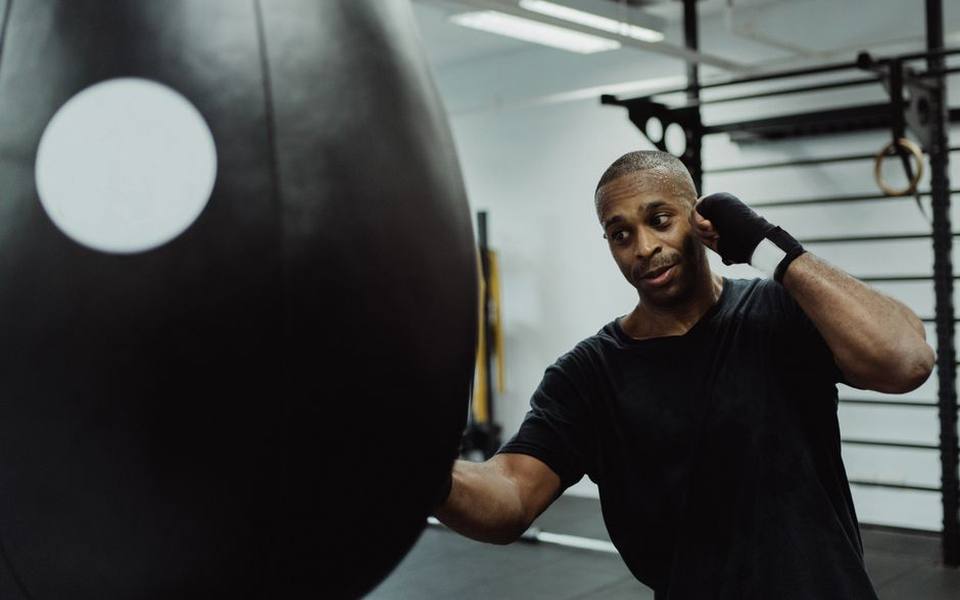
Understanding how do you use boxing hand wraps properly is the fundamental skill every striking practitioner must master before throwing a punch. Standard wraps measure roughly 180 inches, providing sufficient length to bind the wrist joint firmly while padding the strike surface. Begin by slipping your thumb through the starter loop, pulling the fabric across the back of your hand rather than the palm to keep the wrap snug.
From the back of the hand, wind the wrap around your wrist three to four times to establish a rigid structural cuff that prevents joint collapse on impact. Next, draw the fabric diagonally across the palm to encircle the knuckles several times, spreading your fingers wide to ensure you do not restrict circulation. Weave the cloth through each finger space to anchor the knuckle pad securely against shifting.
Finish the wrap with several tight turns around the wrist, locking the velcro tab flat against the joint. When you close your fist, the wrap should feel firm and supportive, transforming your hand into a solid, unified unit. If your fingers tingle or lose color, unwrap immediately and reapply with slightly reduced tension.
Cleaning and Deodorizing Padded Sports and Martial Arts Gloves
Whether you use boxing mitts for bag conditioning or padded gloves for outdoor winter training, athletic gear absorbs sweat and bacteria quickly. Learning how to clean gloves prevents unpleasant locker odors, material breakdown, and irritating bacterial skin rashes. Synthetic vinyl and genuine leather gloves require distinct cleaning approaches to avoid ruining internal foam padding and structural stitching.
For striking equipment, many students ask how to clean a glove without soaking the interior core. Never submerge padded combat gear in a washing machine or dryer, as excess moisture saturates dense foam layers and causes mold growth. Instead, wipe exterior surfaces immediately after workouts with an alcohol-free disinfectant wipe, then insert cedar shavings, charcoal pouches, or specialized deodorizing glove dogs into the hand cavities.
Athletes involved in other sports often wonder how do you clean hockey gloves, which feature thicker padding, nylon exterior panels, and sensitive leather palms. For hockey gear, spray the interiors thoroughly with a balanced solution of distilled water and white vinegar or sports antibacterial spray. Air dry them completely in front of a circulating fan, avoiding direct heating vents that dry out and crack palm leather.
Storing damp gloves inside an unventilated sports bag is the most common mistake that ruins sports equipment. Always unpack your gear immediately upon returning home, pulling cuffs open to maximize ambient air circulation. Consistent drying habits prolong the usable lifespan of your gear by several seasons while maintaining hygienic skin contact.
Hygiene Essentials, Skin Health, and Washing Exfoliating Gear
Rigorous physical activity demands careful hygiene protocols to protect your skin barrier against rashes and ringworm. After intense sweat sessions, practitioners often use coarse scrubbing accessories in the shower to slough away dead skin cells and clear clogged pores. Knowing how to clean exfoliating gloves ensures these helpful bath tools remain clean rather than becoming damp breeding grounds for bathroom mildew.
Exfoliating gloves are typically woven from durable nylon, textured polyester, or natural sisal fibers that tolerate regular laundering. Rinse them under hot running water after every single shower to flush away trapped soap scum and residual skin debris. Squeeze out excess water completely—avoid wringing with violent twisting that snaps elastic wrist cuffs—and hang them from an open shower hook where air moves freely.
To thoroughly sanitize them once or twice a week, toss the gloves into your standard washing machine cycle alongside bath towels. Use hot water and gentle laundry detergent, avoiding fabric softeners that leave waxy chemical residues on abrasive synthetic fibers. Alternatively, soak them in a small basin filled with warm water and two tablespoons of distilled white vinegar for twenty minutes before rinsing clean.
Practitioners exploring active contact arts or specialized self-defense classes must prioritize clear skin hygiene to prevent mat-borne bacterial transfers. If an exfoliating glove develops persistent discoloration, dark mold spots along inner seams, or loses its abrasive texture, replace it immediately. These items are inexpensive consumables that should be swapped out every two to three months.
Safe Body Composition Management Versus Rapid Wrestling Cuts
In contrast to the gentle, restorative nature of internal arts, combat athletes often face extreme pressure to manage body mass for competitive weight brackets. Curious beginners frequently ask how do you lose weight fast for wrestling when trying to shed body fat quickly. However, the extreme tactics seen in collegiate athletics represent temporary water depletion rather than genuine fat loss, carrying significant health risks for general fitness enthusiasts.
Understanding how do wrestlers lose weight quickly reveals practices that prioritize scale readings over metabolic health. Competitive wrestlers traditionally combine intense sweat sessions in sauna suits, severe caloric deprivation, and strict fluid restriction during the final 48 hours before weigh-ins. This rapid drop is almost entirely intracellular water, which severely stresses kidney function, impairs cognitive reaction speed, and spikes cardiovascular strain.
For older adults and everyday trainees seeking sustainable body transformation, enrolled in structured fat loss programs offers a far safer, permanent alternative. Sustainable fat reduction depends on a modest daily caloric deficit paired with steady cardiovascular work and muscle-preserving resistance training. Tai Chi complements this process by regulating stress hormones like cortisol, which often trigger abdominal fat retention.
Attempting rapid dehydration techniques outside competitive combat settings leads to acute heat exhaustion, electrolyte imbalances, and severe rebound weight gain. Combining mindful movement sessions with whole food nutrition, adequate dietary protein, and plentiful hydration produces lean, functional body composition changes that last for decades without endangering your vital organs.
Building a Lifelong Routine That Protects Longevity
Establishing an active martial arts routine provides benefits that compound steadily as you age. Whether your household attends multi-generational studios offering family martial arts programs or you dedicate thirty peaceful minutes to park practice each morning, prioritizing functional movement maintains personal autonomy. Physical independence in your seventies and eighties begins with daily investments in joint mobility and balance awareness.
Set realistic progression milestones that celebrate gradual improvements in balance, joint comfort, and breath control rather than rapid mastery of intricate routines. Film yourself performing a basic sequence once every few months to review postural alignment and observe how your footwork becomes softer and more controlled over time. Small, incremental adjustments produce profound biomechanical shifts.
Listen closely to bodily sensations during each training phase, adapting your stance height if knees or hips signal discomfort. A seasoned instructor will guide you on modifying stance width, avoiding deep knee flexion, and maintaining neutral pelvic alignment. By treating your movement art as a lifelong practice rather than a seasonal workout, you create a restorative sanctuary for physical vigor and mental tranquility.
The ultimate objective of internal training is not athletic exhaustion, but leaving the practice floor feeling more energized, aligned, and grounded than when you stepped onto it. Embracing mindful movement, proper equipment care, and sustainable physical conditioning ensures your training will enrich your daily life for decades to come.
Published 2026-09-21 · reviewed with each rebuild, last September 2026.
Find martial arts schools near you
The directory lists 32,877 martial arts schools by state and city — pick your state or use the “Near me” button in the header.
More guides
-
 Owning
Establishing a Proper Heavy Bag Routine and Striking Technique at Home
-
 Safety
Brazilian Jiu-Jitsu for Beginners: Tips, Fundamentals, and Mat Health
-
 Buying
Finding the Right Fit: A Guide to Sizing Your Jiu-Jitsu Uniform and Cross-Training Gear
-
 Money
MoneyHow Much Do Martial Arts Classes Cost? Membership Fees Breakdown
-
 Owning
What Is Mixed Martial Arts? Beginner Overview and Training Guide
-
 Owning
The History, Origins, and Physical Demands of Brazilian Jiu-Jitsu
-
 Owning
Traditional Martial Arts Guide: Understanding Wushu, Silat, and Naginata
-
 Owning
Understanding Mixed Martial Arts for Beginners
-
 Safety
How to Wrap Your Hands for Boxing: Step-by-Step Wrist and Knuckle Protection Guide
-
 Buying
Best Jiu-Jitsu Gis and Apparel: Complete Buyer's Guide and Sizing Chart
-
 Buying
BJJ vs Judo vs Wrestling vs No-Gi: Which Grappling Art Is Right for You?
-
 Buying
How to Choose the Best Jiu-Jitsu and MMA Gym Near You
-
 Owning
Brazilian Jiu-Jitsu for Beginners: Rules, Belt Ranks, and Mat Training
-
 Buying
Kickboxing Classes & Cardio Fitness Workouts Guide
-
 Owning
Martial Arts Belt Ranking Systems: Progression, Orders, and Displays
-
 Buying
Jeet Kune Do: History, Philosophy, and Modern Training Guide
-
 Buying
BJJ Gis and Uniforms Buyer's Guide: Brands, Fit, and Care
-
 Buying
Gracie Jiu-Jitsu Lineages, Academy Networks, and Training Philosophies
-
 Buying
10th Planet Jiu-Jitsu: Complete Guide to the No-Gi System and Academies
-
 Owning
Heavy Bag and Boxing Workouts: Home Setup, Gear Selection, and Training Guide
-
 Buying
Adult Karate and Taekwondo Classes: Getting Started and Gi Sizing
-
 Owning
IBJJF Tournaments and Competition Guide: Databases, Rules, and Events
-
 Safety
Custom vs. Boil-and-Bite Mouthguards: Complete Selection and Fitting Guide
-
 Safety
Women's and Adult Self-Defense Training Guide: Techniques, Classes, and Systems
-
 Owning
Traditional Chinese Martial Arts: Shaolin, Wing Chun, Jeet Kune Do, and Gear Guide
-
 Buying
Adult Martial Arts Guide: Choosing the Right Style, Gym, and Training Class
-
 Buying
Filipino Martial Arts, Kenpo, Aikido, and HEMA: Comparing Traditional Combat Styles
-
 Owning
Heavy Bag Workout Guide: Routines, Drills, and Training for Cardio and Weight Loss
-
 Buying
Muay Thai and Cardio Kickboxing Classes: Training, Techniques, and Fitness Programs
-
 Buying
BJJ Gis, Rash Guards, and Apparel: How to Choose, Size, and Care for Jiu-Jitsu Gear
-
 Safety
Women's and Adult Self-Defense Classes: Selecting Programs for Real-World Safety
-
 Owning
Martial Arts Belts and Ranks: Belt Order, Taping, and Display Racks Guide
-
 Safety
Martial Arts Conditioning, High-Kick Mobility, and Protective Gear Guide
-
 Buying
Kids and Toddler Martial Arts: Complete Guide to Classes, Camps, and Family Dojos
-
 Owning
How to Hang a Heavy Bag: Ceiling and Wall Mounting Installation Guide
-
 Buying
Brazilian Jiu-Jitsu Schools, Academies, and Lineages: A Complete Guide
-
 Buying
Martial Arts Gyms, Fitness Studios, and Dojos Directory Guide
-
 Buying
Traditional Martial Arts Styles and Specialized Disciplines Guide
-
 Owning
BJJ and Martial Arts Gi Selection, Sizing, and Equipment Care Guide