Understanding Brazilian Jiu-Jitsu and the Core Philosophy
Brazilian Jiu-Jitsu, frequently abbreviated simply as BJJ, is a martial art and combat sport centered almost entirely on ground fighting, positional control, and submission holds. Unlike striking arts that rely on punches, kicks, and standing knockouts, this discipline neutralizes an opponent by bringing the conflict down to the padded canvas. Once on the ground, a trained practitioner uses principles of mechanical leverage, body weight distribution, and limb angles to control an adversary who might be considerably heavier or physically stronger.
The historical roots of the sport trace back to early twentieth-century Japanese judo groundwork, which was adapted, refined, and tested extensively in South America before expanding globally. Practitioners quickly realized that real-world physical altercations frequently end up tangled on the floor, where pure striking power loses much of its leverage. By prioritizing positional dominance before attempting any finishing hold, the practitioner minimizes incoming damage while systematically removing the opponent's defensive options.
Today, thousands of everyday adults lace up athletic gear and step onto academy mats not to engage in street brawls, but to learn a demanding physical chess match. Training develops deep problem-solving skills under physical pressure, improving cardiovascular endurance, core stability, and functional mobility. Whether you hear someone refer colloquially to the discipline as ground fighting, grappling, or simply jiu-jitsu, the fundamental focus remains unyielding: control your opponent's movement until you secure a dominant, fight-ending submission.
Gi Versus No-Gi: The Two Formats of Modern Training
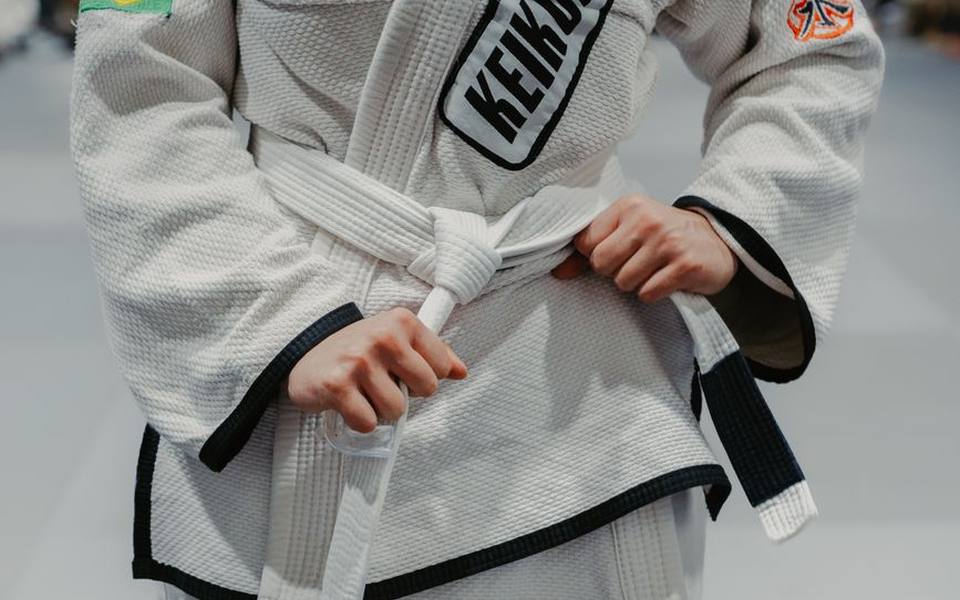
When you look into bjj classes at local facilities, you will quickly notice that training is divided into two primary formats: traditional gi and modern no-gi. The gi style requires wearing a heavy cotton jacket, reinforced pants, and a rank belt, closely resembling classic martial arts uniforms. In gi training, students are permitted to grab the jacket lapels, sleeves, and pant cuffs of their training partners, creating a slower, friction-heavy, and intensely technical style of grappling.
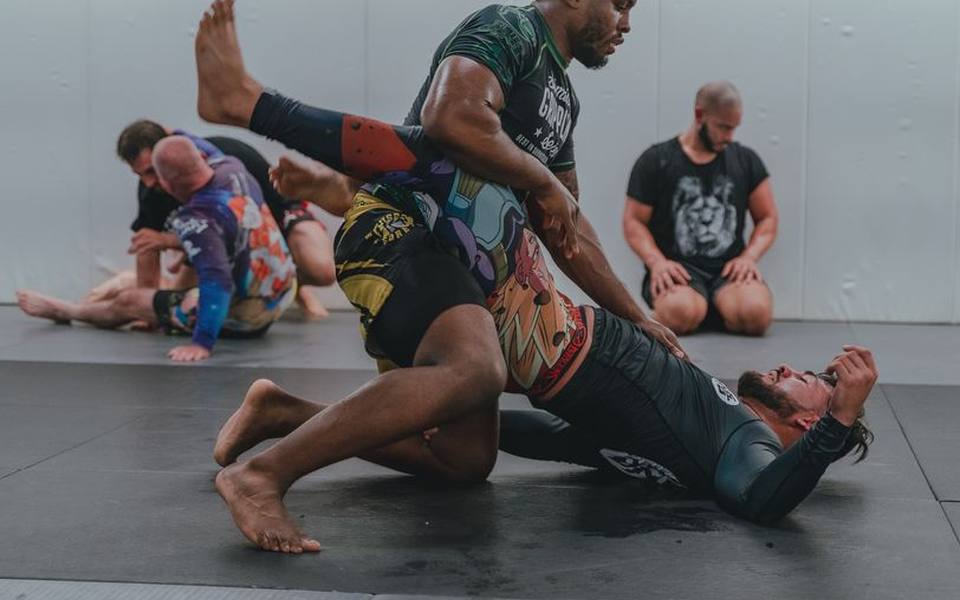
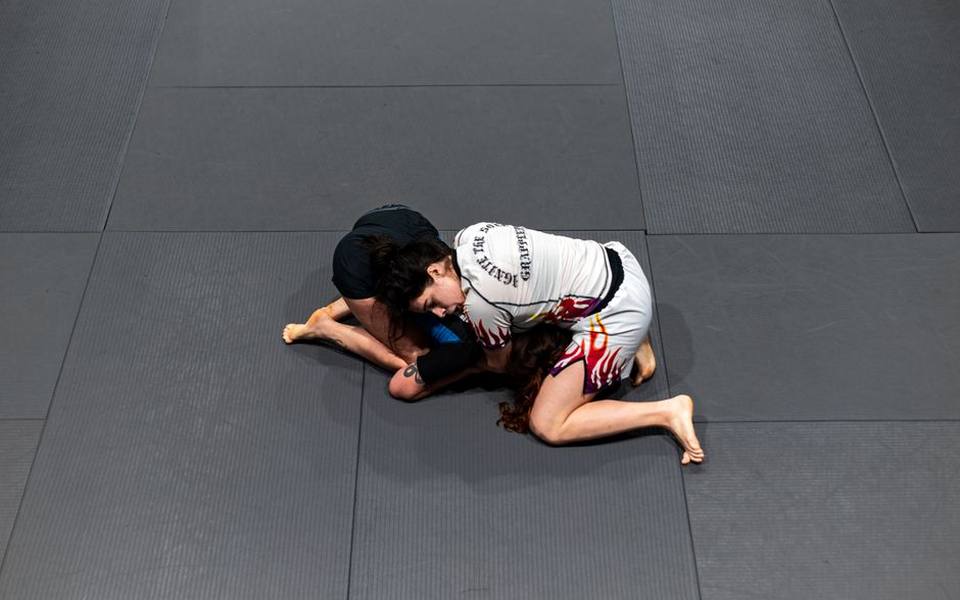
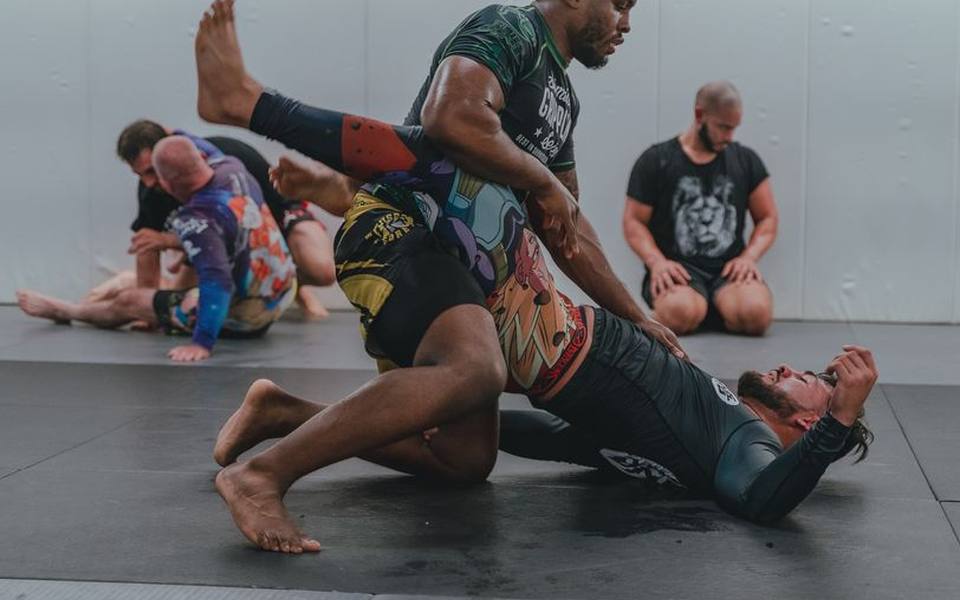
No-gi training, by contrast, strips away the heavy uniform in favor of tight-fitting athletic compression shirts called rashguards alongside drawstring board shorts. Because there are no sturdy cloth grips to grab onto, no-gi matches move at a noticeably faster pace, with sweat reducing friction and making escapes much easier. Gripping mechanics in no-gi rely strictly on natural anatomic handles such as wrists, ankles, the back of the neck, and overhooks around the limbs.
Most comprehensive academies encourage beginners to spend time in both formats rather than picking one exclusively from day one. Gi training instills defensive discipline and patience because escaping a tight grip requires meticulous technical execution rather than raw explosiveness. Meanwhile, no-gi training builds rapid scramble transitions, agility, and wrestling takedowns that translate cleanly into self-defense and modern mixed martial arts competition.
The Belt Hierarchy and Realistic Advancement Timelines
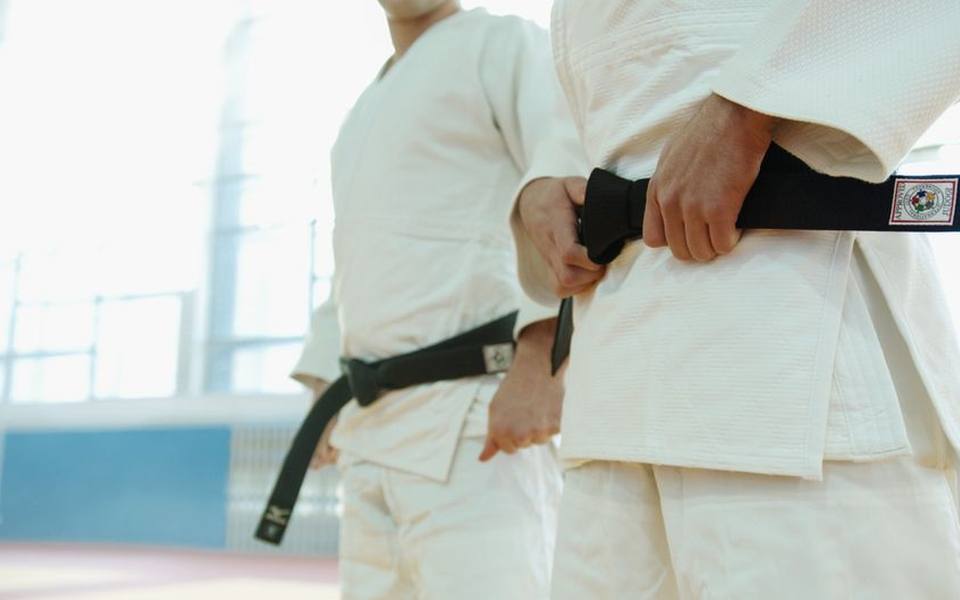
The adult belt ranking structure in Brazilian Jiu-Jitsu is widely recognized as one of the most demanding and conservative in all combat sports. Adult practitioners progress through five primary ranks: white belt, blue belt, purple belt, brown belt, and finally black belt. Instructors periodically award up to four white fabric stripes across the black sleeve bar of each colored belt to acknowledge incremental progress, consistency, and tactical understanding between full promotion cycles.
Advancing from white to blue belt typically takes eighteen months to two years of consistent attendance, usually training two to three times each week. At the blue belt level, a student understands core defensive positions, escapes, and basic submissions, but still needs to streamline their timing and eliminate hesitation. Purple belt marks the threshold of advanced technical fluency, where grapplers develop an individualized game plan, while brown belt represents fine-tuning minor mechanics before reaching black belt, which often takes ten to twelve years.
Unlike systems that issue rank tests on predetermined calendar schedules for set fees, Brazilian Jiu-Jitsu promotions are awarded primarily on demonstrated competency against fully resisting sparring partners. Age, natural athletic ability, attendance rates, and injury history all influence how long a student spends at each rank. Earning rank is less about memorizing static demonstrations and far more about proving that your technique holds up when someone is actively trying to sweep or submit you on the mats.
Core Positional Hierarchy: The Ground Chess Board
Every movement in ground grappling revolves around an agreed hierarchy of positions, moving from neutral or defensive arrangements toward total dominance. At the foundation lies the guard, a unique position where a grappler fights from their back using their legs to manage distance, off-balance the top player, or launch surprise attacks. Common variations include the closed guard, where your ankles are locked securely behind the standing or kneeling opponent's back, and various open guards utilizing grips on the wrists or ankles.
Advancing beyond the guard leads to dominant pinning configurations, beginning with side control. In side control, the top practitioner lays their torso perpendicular across their opponent's chest, pinning their shoulders flat to the mat and severely restricting hip mobility. From side control, the top player can slide a knee across the belly or transition directly into full mount, sitting squarely atop the opponent's torso with their knees pinched tight, granting total gravity advantage.
The most advantageous position in the entire discipline is back control, often referred to as taking the back. By securing your chest against your opponent's spine and looping your legs around their thighs—using feet as hooks—you control their center of gravity while remaining completely out of their direct line of sight. From this rear position, striking or submission defenses become exceptionally difficult for the defender, making it the ultimate tactical goal for most competitors.
Essential Submissions: Understanding Chokes and Joint Locks
Submissions are the mechanisms that bring a grappling round to an immediate end, and they fall into two primary categories: strangles and joint locks. Strangles, often termed blood chokes, apply steady bilateral compression against the carotid arteries on either side of the neck. By temporarily restricting arterial blood flow to the brain, a properly executed strangle causes a peaceful loss of consciousness within roughly eight to ten seconds if the trapped practitioner refuses to acknowledge the hold.
Joint locks, on the other hand, isolate an arm, shoulder, or leg and hyperextend or rotate the articulation past its natural physiological range of motion. The armbar, for example, traps an opponent's arm between the practitioner's thighs, using hip extension as a fulcrum against the back of the elbow joint. Shoulder locks like the kimura or americana torque the shoulder capsule using a two-on-one wrist grip, forcing immediate capitulation to avoid soft tissue tearing.
Safety during submission training relies entirely on the universal tapping rule: when caught in a lock or choke, you tap your opponent repeatedly with your hand or verbally yell tap. The moment that signal is given, the attacking partner must release all pressure immediately without hesitation. This tapping culture allows everyday hobbyists to train high-impact finishing techniques at full intensity without suffering traumatic musculoskeletal injuries or needing emergency hospital visits.
Inside a Beginner Class: From Warmups to Drilling
Arriving for your very first session can feel intimidating, but beginner curriculums are carefully engineered to introduce concepts at a manageable, step-by-step pace. A standard sixty-minute class begins with a ten-minute dynamic warmup consisting of functional movements like forward rolls, shrimping across the mat, hip escapes, and breakfalls. These drills are not merely physical exercise; they teach beginners how to fall safely without jamming wrists and how to move their hips along the mat effectively.
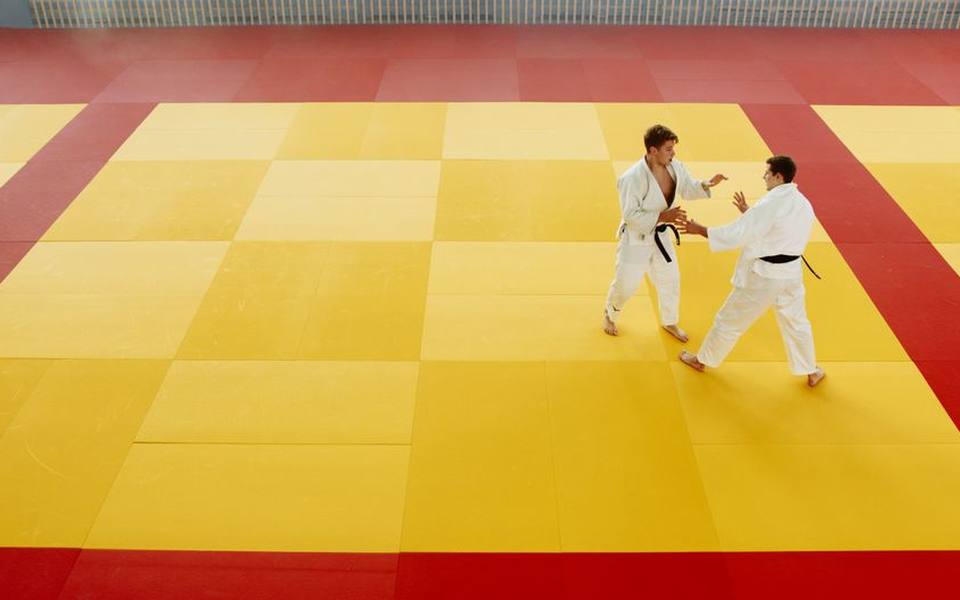
Following warmups, the head instructor gathers students around the center mat to demonstrate one or two related techniques, explaining grips, body angles, and common defensive counters. Students then pair off to drill the exact sequence back and forth cooperatively against minimal resistance. During this drilling phase, your partner allows you to work through the mechanics repeatedly so your neuromuscular system builds muscle memory before you ever attempt the maneuver under actual live pressure.
The final portion of a standard class usually introduces situational sparring or open rolling. In situational sparring, the coach sets a specific boundary—such as one partner attempting to pass the guard while the other attempts to retain it—resetting as soon as an objective is met. This structured framework keeps novices safe while bridging the gap between passive cooperative drilling and spontaneous live sparring against partners of varying skill levels.
Sparring and Rolling: Overcoming Ego and Staying Safe
Live sparring in jiu-jitsu is commonly called rolling, and it is the crucible where theoretical knowledge transforms into practical capability. Unlike striking disciplines where live rounds involve receiving repetitive concussive impacts to the head, grappling rounds can be conducted at near-maximum effort with very low risk of head trauma. However, because the physical exertion is intense, new students often experience sudden sensory overload and an instinctive urge to use sheer muscle tension.
The biggest hurdle for incoming white belts is managing their internal ego and breathing cadence during these initial sparring encounters. Panicking leads to holding your breath, thrashing wildly, and exhausting your forearm muscles within the first two minutes of a round. Experienced practitioners recognize this frantic energy immediately and will simply stay defensive, allowing the beginner to wear themselves out before casually applying an effortless sweep or submission.
To maximize safety while training in dedicated jiu-jitsu training programs, choose training partners who possess higher rank or greater emotional control. An experienced purple or brown belt knows how to protect an inexperienced partner from their own clumsy mistakes while offering real-time technical guidance. Over time, your breathing settles down, spatial awareness improves, and you begin viewing taps not as personal failures, but as brief lessons that point out holes in your defensive framework.
Conditioning and Physical Demands of Ground Grappling
People often arrive at their first martial arts session believing their conventional gym workouts have prepared them, only to find themselves gasping for air after three minutes of floor work. Ground fighting challenges the human body in ways that treadmill running and bench pressing cannot replicate, requiring continuous isometric contractions, rotational core power, and dynamic hip flexibility. You are constantly bearing, pushing, and shifting an irregular external load: another human being who is actively fighting back.
In the first few weeks, beginners typically experience acute soreness in unfamiliar muscle groups, particularly the deep neck flexors, intercostals along the ribs, inner groin muscles, and forearm gripping flexors. This discomfort represents natural physiological adaptation to grappling stress rather than structural damage. As your movement mechanics become more efficient, you expend less unnecessary energy, learning to rest and breathe normally while maintaining structurally sound defensive frames against your opponent's weight.
In addition to muscular adaptations, regular mat time produces noticeable improvements in systemic cardiovascular endurance and everyday posture. Navigating complex scrambles and defending against heavy pins requires mental calmness during elevated heart rates, which translates directly into reduced stress in daily life. Most students find that after a few months of regular participation, their balance, joint resilience, and overall body confidence improve dramatically without requiring supplemental gym machines.
Mat Hygiene, Gear Essentials, and Academy Etiquette
Maintaining high standards of personal hygiene is the absolute cardinal rule in any martial arts gym, given the close skin-to-skin contact inherent to floor grappling. Mats must be sanitized thoroughly with hospital-grade disinfectant between class blocks, and students must never step onto the mat area with dirty street shoes. Conversely, stepping off the mats into locker rooms or common areas requires putting on sandals immediately to prevent tracking harmful bacteria back onto the training floor.

Personal cleanliness expectations extend directly to the training gear you pack inside your gym bag for each session. Uniforms, rashguards, spats, and rank belts should be laundered with warm water and detergent after every single training session without exception. Furthermore, practitioners must keep their fingernails and toenails trimmed short and filed smooth to avoid accidentally scratching training partners during collar grips or scramble transitions across the canvas.
Essential gear requirements are straightforward for beginners and do not require massive upfront investments. You will need a fitted, boil-and-bite mouthguard to shield teeth during accidental collisions, along with appropriate athletic garments suited for gi or no-gi instruction. Showing respect toward training partners, showing up with clean gear, and listening quietly when instructors demonstrate techniques are basic courtesies that help build an encouraging, collaborative learning environment for everyone on the mats.
How to Choose the Right Academy in Your Area
Finding an academy where you feel comfortable, supported, and challenged requires looking beyond flashy marketing banners or social media accounts. When scouting Brazilian Jiu-Jitsu Schools in your local community, pay close attention to the general culture, cleanliness of the locker rooms, and demographics of the student body. A gym featuring a diverse mix of working professionals, older hobbyists, female grapplers, and kids classes is often an indicator of a safe, sustainable instructional environment.
Schedule an introductory visit to sit along the sidelines and observe an evening class before signing any monthly membership contracts. Take note of how the lead instructor interacts with newer white belts: are they patient and hands-on, or do they only pay attention to competitive tournament athletes in the corner? Notice whether sparring rounds are conducted with mutual care, or if students are recklessly slamming one another without regard for basic physical safety.
Finally, clarify the gym's policy on contracts, rank promotion criteria, and mandatory uniform requirements. Some locations mandate purchasing expensive branded gis directly from their front desk, while others allow you to wear any standard uniform you already own. Ultimately, the best academy is the one whose schedule matches your lifestyle and whose training partners make you eager to show up consistently week after week for years to come.
Published 2026-09-21 · reviewed with each rebuild, last September 2026.
Find martial arts schools near you
The directory lists 32,877 martial arts schools by state and city — pick your state or use the “Near me” button in the header.
More guides
-
 Owning
Establishing a Proper Heavy Bag Routine and Striking Technique at Home
-
 Safety
Brazilian Jiu-Jitsu for Beginners: Tips, Fundamentals, and Mat Health
-
 Buying
Finding the Right Fit: A Guide to Sizing Your Jiu-Jitsu Uniform and Cross-Training Gear
-
 Money
MoneyHow Much Do Martial Arts Classes Cost? Membership Fees Breakdown
-
 Owning
What Is Mixed Martial Arts? Beginner Overview and Training Guide
-
 Owning
The History, Origins, and Physical Demands of Brazilian Jiu-Jitsu
-
 Owning
Traditional Martial Arts Guide: Understanding Wushu, Silat, and Naginata
-
 Owning
Understanding Mixed Martial Arts for Beginners
-
 Safety
How to Wrap Your Hands for Boxing: Step-by-Step Wrist and Knuckle Protection Guide
-
 Buying
Best Jiu-Jitsu Gis and Apparel: Complete Buyer's Guide and Sizing Chart
-
 Buying
BJJ vs Judo vs Wrestling vs No-Gi: Which Grappling Art Is Right for You?
-
 Buying
How to Choose the Best Jiu-Jitsu and MMA Gym Near You
-
 Buying
Kickboxing Classes & Cardio Fitness Workouts Guide
-
 Owning
Martial Arts Belt Ranking Systems: Progression, Orders, and Displays
-
 Buying
Jeet Kune Do: History, Philosophy, and Modern Training Guide
-
 Buying
BJJ Gis and Uniforms Buyer's Guide: Brands, Fit, and Care
-
 Buying
Gracie Jiu-Jitsu Lineages, Academy Networks, and Training Philosophies
-
 Buying
10th Planet Jiu-Jitsu: Complete Guide to the No-Gi System and Academies
-
 Safety
Tai Chi Classes for Seniors: Health Benefits, Styles, and Practice Guide
-
 Owning
Heavy Bag and Boxing Workouts: Home Setup, Gear Selection, and Training Guide
-
 Buying
Adult Karate and Taekwondo Classes: Getting Started and Gi Sizing
-
 Owning
IBJJF Tournaments and Competition Guide: Databases, Rules, and Events
-
 Safety
Custom vs. Boil-and-Bite Mouthguards: Complete Selection and Fitting Guide
-
 Safety
Women's and Adult Self-Defense Training Guide: Techniques, Classes, and Systems
-
 Owning
Traditional Chinese Martial Arts: Shaolin, Wing Chun, Jeet Kune Do, and Gear Guide
-
 Buying
Adult Martial Arts Guide: Choosing the Right Style, Gym, and Training Class
-
 Buying
Filipino Martial Arts, Kenpo, Aikido, and HEMA: Comparing Traditional Combat Styles
-
 Owning
Heavy Bag Workout Guide: Routines, Drills, and Training for Cardio and Weight Loss
-
 Buying
Muay Thai and Cardio Kickboxing Classes: Training, Techniques, and Fitness Programs
-
 Buying
BJJ Gis, Rash Guards, and Apparel: How to Choose, Size, and Care for Jiu-Jitsu Gear
-
 Safety
Women's and Adult Self-Defense Classes: Selecting Programs for Real-World Safety
-
 Owning
Martial Arts Belts and Ranks: Belt Order, Taping, and Display Racks Guide
-
 Safety
Martial Arts Conditioning, High-Kick Mobility, and Protective Gear Guide
-
 Buying
Kids and Toddler Martial Arts: Complete Guide to Classes, Camps, and Family Dojos
-
 Owning
How to Hang a Heavy Bag: Ceiling and Wall Mounting Installation Guide
-
 Buying
Brazilian Jiu-Jitsu Schools, Academies, and Lineages: A Complete Guide
-
 Buying
Martial Arts Gyms, Fitness Studios, and Dojos Directory Guide
-
 Buying
Traditional Martial Arts Styles and Specialized Disciplines Guide
-
 Owning
BJJ and Martial Arts Gi Selection, Sizing, and Equipment Care Guide