The Core Philosophy and Purpose of Modern Hybrid Fighting
Mixed martial arts represents a full-contact combat discipline combining striking, wrestling, and ground grappling into a cohesive, fluid fighting framework. Rather than restricting practitioners to one traditional ruleset, it blends the most functional mechanics from diverse fighting systems into an integrated style. Beginners often ask about the true mixed martial arts meaning, and at its foundation, it is an ongoing test of what works under realistic physical resistance. Practitioners train to handle standing exchanges, clinch scenarios against a cage or ropes, takedowns, and scrambles on the canvas.
To understand what is a mixed martial artist, look beyond the spectacle of televised professional bouts. An athlete or enthusiast in this discipline is someone who develops comfort across every range of unarmed combat, eliminating the blind spots common in pure striking or pure grappling arts. A practitioner might spend Monday working offensive boxing drills, Wednesday working underhooks and double-leg setups against the cage, and Friday escaping side control on the mats. This demanding versatility produces individuals who can think tactically under physical duress and shift tactics depending on their opponent's vulnerabilities.
For an everyday newcomer, entering this space does not mean you have to step inside a cage for competitive prize fights. In modern gyms across the country, the vast majority of members train purely for personal defense, functional athleticism, mental resilience, and community. The environment emphasizes disciplined repetition, controlled technique, and mutual respect among training partners. By stripping away purely ceremonial gestures while keeping rigorous safety standards, the discipline provides practical physical problem-solving skills that translate into exceptional physical fitness and personal confidence.
The Fundamental Disciplines That Build a Complete Skill Set
A well-rounded training regimen rests on three primary technical pillars: striking, takedown wrestling, and ground submissions. For striking, fighters typically rely on western boxing for crisp hand combinations and head movement, coupled with Muay Thai or kickboxing for powerful roundhouse kicks, knees, and elbow strikes. Striking mechanics teach you balance, range assessment, and defensive recovery. Without mastering basic punches and kicks, you cannot navigate the outer perimeter of a bout or establish an effective offense.
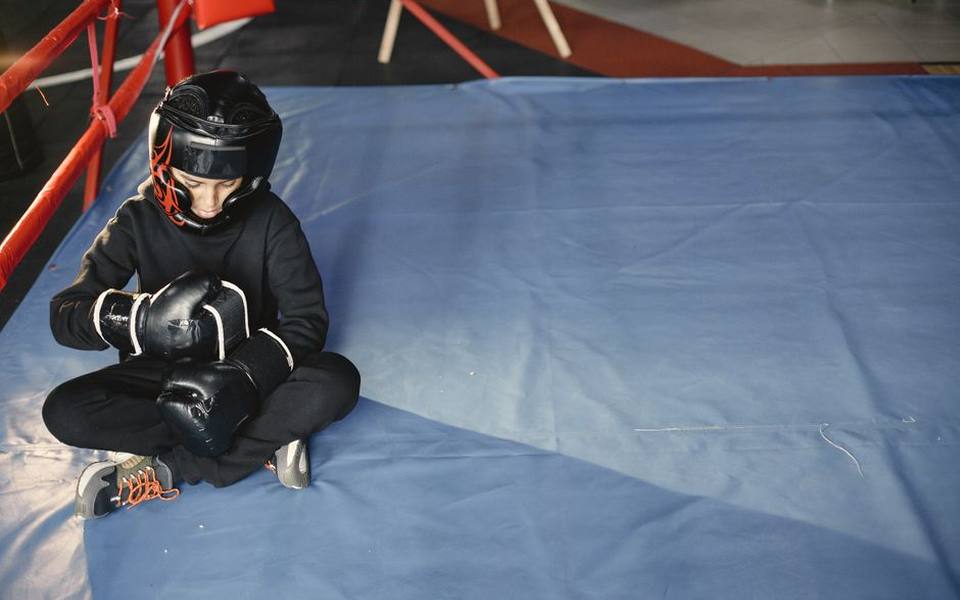
Wrestling acts as the critical bridge connecting upright striking with ground grappling. Freestyle and folkstyle wrestling, alongside techniques adapted from judo, teach you how to dictate where an encounter takes place. If your wrestling is superior, you decide whether to keep the exchange standing or drive your opponent down to the floor. Clinch positioning, head placement, hip control, and sprawl defense demand immense core endurance and functional body mechanics, making wrestling one of the most physically taxing aspects of the sport.
Once a fight hits the canvas, Brazilian Jiu-Jitsu and submission wrestling become paramount. When learning these ground principles, you discover how leverage, joint locks, and chokes neutralize size and strength advantages. Ground fighting involves securing dominant positions—such as the mount or back control—while constantly hunting for submissions or defending against ground strikes. Understanding how to manage your weight on top and create hip space from the bottom ensures you never feel completely helpless when knocked off your feet.
First Steps to Start Training in a Reputable Facility
Knowing how to learn mixed martial arts begins with selecting an academy that fosters an educational, safe, and welcoming environment for novices. You do not need prior combat experience or elite cardio before your first class. Look for facilities offering structured beginner programs where foundational techniques are taught in isolation before live resistance is introduced. Quality coaching prioritizes injury prevention, clean mechanics, and gradual acclimatization over reckless sparring.
When exploring neighborhood academies, check whether they provide comprehensive schedules featuring stand-alone classes in grappling, stand-up striking, and combined transition sparring. Enrolling in established mixed martial arts programs allows you to learn each discipline under dedicated instructors before trying to blend them into a single style. Many academies also offer intro trials so prospective members can observe the team culture, inspect facility cleanliness, and speak directly with instructors about safety protocols.
During your opening months, your main goal should be consistent attendance and ego suppression. You will encounter experienced practitioners who effortlessly sweep, submit, or out-maneuver you, which can feel mentally humbling. However, viewing every practice as an opportunity to absorb technical mechanics will keep your progression steady. Focus on breathing rhythm, maintaining guard integrity, and asking questions rather than attempting to win mock exchanges. Sustainable growth relies on steady attendance over raw aggression.
Balancing Grappling and Striking in a Beginner Schedule
Organizing your weekly routine requires balancing physical wear and tear across radically different movement patterns. Attempting to master complex spinning kicks and technical guard passes in the exact same training session often leaves beginners overwhelmed. Most coaches recommend dividing your early training schedule between dedicated striking blocks and foundational ground classes, allowing neuromuscular pathways to adapt without cognitive overload.
Enrolling in beginner-friendly kickboxing classes gives you a reliable platform to practice footwork, pad work, and combinations in an environment isolated from takedown threats. Once you feel comfortable pivoting, slipping punches, and throwing kicks without losing your equilibrium, adding wrestling and ground fundamentals becomes significantly easier. Separating disciplines early on prevents you from developing bad habits that arise when you try to learn everything at once.
Simultaneously, grounding yourself in structured jiu-jitsu fundamentals teaches you how to control an opponent using leverage, base, and hip position. Two evenings of striking alongside two sessions of grappling each week typically provides an ideal training dose for beginners. This split lets your joints and muscles recover between high-impact striking repetitions and low-impact, high-friction ground rolls, minimizing systemic fatigue while maximizing your technical retention.
Solo Conditioning and Home Practice Options
Many aspiring students wonder how to learn mixed martial arts at home when access to a gym is limited by budget or geography. While you cannot replicate live grappling resistance or realistic striking timing without training partners, home workouts are valuable for building general conditioning, hip mobility, and muscular endurance. Solo practice should complement, rather than completely replace, coaching under an experienced instructor.
If you are training in a garage or living room, focus on shadowboxing in front of a mirror to refine foot placement, balance, and defensive posture. Drill basic level changes, technical stand-ups, and sprawl motions on an exercise mat to program muscle memory for takedown defense. Calisthenics such as push-ups, pull-ups, lunges, and hollow-body holds create the core stability required to withstand real physical exchanges.
A heavy bag can also be a valuable home tool if you possess sufficient understanding of wrist alignment and kicking mechanics. However, striking a bag repeatedly with improper technique can reinforce bad habits or cause wrist and ankle injuries. Use home practice primarily to build cardiovascular capacity, enhance joint flexibility, and drill simple motor patterns, saving live timing, distance management, and complex partner transitions for supervised gym hours.
The Metabolic Demands of Combat Conditioning
Martial arts training places extraordinary physiological demands on your aerobic and anaerobic energy systems. Grappling requires prolonged isometric muscular contractions, while striking involves explosive, short-duration bursts of rotational power. This combination generates a high caloric burn during practice and elevates post-exercise oxygen consumption for hours afterward, making hybrid combat training one of the most effective ways to change body composition.
For students trying to understand how to lose body fat percentage, combat sports provide an engaging alternative to monotonous steady-state treadmill sessions. When you are focused on learning technical combos or surviving a grappling round, you remain mentally engaged while working at high heart rates. Training two to four times per week creates a sizable caloric deficit naturally, accelerating overall systemic fat reduction while building lean functional tissue.
Successfully learning how to cut fat percentage comes down to combining this intense physical output with nutritional awareness. Because martial arts workouts burn significant energy, your appetite will naturally climb. If you compensate by overeating processed foods, your body composition will remain unchanged despite grueling sessions. The key to dropping excess weight is pairing consistent mat work with sensible daily nutritional habits that prioritize lean proteins and whole foods.
Targeting Stubborn Abdominal Fat and Lower Belly Fat
One of the most frequent fitness inquiries centers on how to lose lower belly fat through martial arts practice. Many students assume that throwing hundreds of knees or performing countless crunches will burn away fat specifically from the waistline. However, human biology does not allow localized spot reduction; your body mobilizes stored adipose tissue systemically across your entire frame based on genetics, hormonal balance, and total caloric deficit.
When individuals ask how to lose lower abdominal fat or how to lose lower abdomen belly fat, they are dealing with an area packed with alpha-2 adrenergic receptors. These receptors slow fat mobilization compared to other body sites, which is why lower abdomen belly fat and bottom belly fat are typically the final deposits your body relinquishes. Whether people search how to lose lose lower belly fat or how to lose bottom belly fat, the biological reality remains identical: patience and systemic fat loss are mandatory.
Martial arts movements, such as hip escapes and sprawling, heavily recruit the transverse abdominis, rectus abdominis, and obliques. This core development tightens the underlying abdominal wall, improving posture and creating a firmer profile as overall body fat drops. By staying patient with your training and maintaining an energy deficit, the body will eventually draw from those stubborn lower belly reserves over time.
Dialing in Nutrition and Energy Balance for Body Composition
If your primary goal is learning how to cut body fat percentage without sacrificing strength or mat stamina, your diet requires careful management. Extreme caloric restriction often backfires in combat sports, causing chronic exhaustion, sluggish reaction times, and elevated injury risk. Instead, aim for a moderate daily deficit—typically around 300 to 500 calories below maintenance—which allows you to drop adipose tissue while fueling intense training sessions.
Protein intake is essential for retaining muscle mass while in a caloric deficit. Consuming adequate lean poultry, fish, eggs, tofu, or protein supplements ensures your body repairs micro-tears in muscle fibers rather than cannibalizing functional tissue for energy. Complex carbohydrates like oats, sweet potatoes, and brown rice provide glycogen to sustain powerful striking combinations and explosive grappling escapes, and should be timed around your hardest workout windows.
Hydration also plays a decisive role in metabolic performance and recovery. Combat workouts cause significant fluid and electrolyte loss through sweating, especially in gi or no-gi grappling settings. Chronic dehydration slows metabolic rate, increases perceived exertion, and hinders muscle recovery. Look into martial arts schools with fat loss programs if you need structured accountability combining progressive exercise with dietary guidance tailored to combat athletes.
Safety Protocols, Essential Gear, and Mat Etiquette
Stepping onto the mats safely requires the right protective equipment. For striking classes, you need high-density training gloves (typically 14 or 16 ounces to protect your hands and your training partner), an engineered mouthguard, and quality shin guards. Grappling sessions generally require durable compression rashguards and fight shorts without external pockets or zippers that could catch stray fingers or toes during a scramble.
Understanding mat etiquette is just as crucial as owning proper gear. Always trim your fingernails and toenails to avoid scratching training partners, keep training gear freshly laundered to prevent skin infections, and never walk off the mats barefoot before returning to the training surface. Respect your partner's limits during partner drills and sparring rounds: your goal is mutual development, not proving dominance at the expense of someone else's health.
Controlled sparring should only occur after you have demonstrated solid defensive basics and emotional composure. Good gyms enforce strict intensity guidelines for everyday practice, ensuring students spar light to refine timing and vision rather than engaging in wild brawls. When attending MMA training sessions, communicate openly with your training partners regarding pacing, lingering injuries, and tap out immediately when caught in a clean submission.
Building Long-Term Consistency and Measuring Progress
Progression in hybrid martial arts is rarely linear. You will experience weeks where everything clicks—takedowns feel effortless, and your defensive reactions are sharp—followed by plateaus where you feel slow and technically clumsy. Embracing this natural learning curve prevents discouragement. Success over five years comes down to who handles setbacks with patience and continues showing up to practice each week.
Instead of measuring progress solely by how often you submit someone or whether your abs are visible in the mirror, track subtle athletic milestones. Notice when you recover your breath faster between rounds, when you successfully defend a single-leg takedown that used to ground you, or when you stay calm while trapped under side control. These technical and psychological victories signify true martial evolution.
Over time, the physical benefits of hybrid training will manifest naturally. Your joint mobility improves, your resting heart rate drops, your overall body fat percentage declines, and your self-confidence deepens. By prioritizing clean technique, consistent effort, and smart recovery, mixed martial arts becomes not just an intense sport, but a transformative lifestyle practice that sustains physical and mental health for decades.
Published 2026-09-20 · reviewed with each rebuild, last September 2026.
Find martial arts schools near you
The directory lists 32,877 martial arts schools by state and city — pick your state or use the “Near me” button in the header.
More guides
-
 Owning
Establishing a Proper Heavy Bag Routine and Striking Technique at Home
-
 Safety
Brazilian Jiu-Jitsu for Beginners: Tips, Fundamentals, and Mat Health
-
 Buying
Finding the Right Fit: A Guide to Sizing Your Jiu-Jitsu Uniform and Cross-Training Gear
-
 Money
MoneyHow Much Do Martial Arts Classes Cost? Membership Fees Breakdown
-
 Owning
The History, Origins, and Physical Demands of Brazilian Jiu-Jitsu
-
 Owning
Traditional Martial Arts Guide: Understanding Wushu, Silat, and Naginata
-
 Owning
Understanding Mixed Martial Arts for Beginners
-
 Safety
How to Wrap Your Hands for Boxing: Step-by-Step Wrist and Knuckle Protection Guide
-
 Buying
Best Jiu-Jitsu Gis and Apparel: Complete Buyer's Guide and Sizing Chart
-
 Buying
BJJ vs Judo vs Wrestling vs No-Gi: Which Grappling Art Is Right for You?
-
 Buying
How to Choose the Best Jiu-Jitsu and MMA Gym Near You
-
 Owning
Brazilian Jiu-Jitsu for Beginners: Rules, Belt Ranks, and Mat Training
-
 Buying
Kickboxing Classes & Cardio Fitness Workouts Guide
-
 Owning
Martial Arts Belt Ranking Systems: Progression, Orders, and Displays
-
 Buying
Jeet Kune Do: History, Philosophy, and Modern Training Guide
-
 Buying
BJJ Gis and Uniforms Buyer's Guide: Brands, Fit, and Care
-
 Buying
Gracie Jiu-Jitsu Lineages, Academy Networks, and Training Philosophies
-
 Buying
10th Planet Jiu-Jitsu: Complete Guide to the No-Gi System and Academies
-
 Safety
Tai Chi Classes for Seniors: Health Benefits, Styles, and Practice Guide
-
 Owning
Heavy Bag and Boxing Workouts: Home Setup, Gear Selection, and Training Guide
-
 Buying
Adult Karate and Taekwondo Classes: Getting Started and Gi Sizing
-
 Owning
IBJJF Tournaments and Competition Guide: Databases, Rules, and Events
-
 Safety
Custom vs. Boil-and-Bite Mouthguards: Complete Selection and Fitting Guide
-
 Safety
Women's and Adult Self-Defense Training Guide: Techniques, Classes, and Systems
-
 Owning
Traditional Chinese Martial Arts: Shaolin, Wing Chun, Jeet Kune Do, and Gear Guide
-
 Buying
Adult Martial Arts Guide: Choosing the Right Style, Gym, and Training Class
-
 Buying
Filipino Martial Arts, Kenpo, Aikido, and HEMA: Comparing Traditional Combat Styles
-
 Owning
Heavy Bag Workout Guide: Routines, Drills, and Training for Cardio and Weight Loss
-
 Buying
Muay Thai and Cardio Kickboxing Classes: Training, Techniques, and Fitness Programs
-
 Buying
BJJ Gis, Rash Guards, and Apparel: How to Choose, Size, and Care for Jiu-Jitsu Gear
-
 Safety
Women's and Adult Self-Defense Classes: Selecting Programs for Real-World Safety
-
 Owning
Martial Arts Belts and Ranks: Belt Order, Taping, and Display Racks Guide
-
 Safety
Martial Arts Conditioning, High-Kick Mobility, and Protective Gear Guide
-
 Buying
Kids and Toddler Martial Arts: Complete Guide to Classes, Camps, and Family Dojos
-
 Owning
How to Hang a Heavy Bag: Ceiling and Wall Mounting Installation Guide
-
 Buying
Brazilian Jiu-Jitsu Schools, Academies, and Lineages: A Complete Guide
-
 Buying
Martial Arts Gyms, Fitness Studios, and Dojos Directory Guide
-
 Buying
Traditional Martial Arts Styles and Specialized Disciplines Guide
-
 Owning
BJJ and Martial Arts Gi Selection, Sizing, and Equipment Care Guide