Why Mouth Protection Is Non-Negotiable on the Mat
A quality mouthguard is the cheapest dental insurance you will ever buy before stepping onto a training mat. Impact sports carry an inherent risk of dental trauma, whether from a stray knee in a grappling scramble, a clean hook during stand-up sparring, or an accidental clash of heads. A properly seated guard does far more than keep front teeth from chipping; it acts as a shock absorber that spreads kinetic force across your entire dental arch, shielding soft oral tissues from lacerations and minimizing the violent jaw displacement that contributes to concussions.
Choosing between an off-the-shelf thermoplastic model and an individualized piece built from a dental impression usually comes down to comfort, retention, and how seriously you train. When an athlete wears a bulky or loose protector, their instinct is to bite down constantly to keep it from tumbling out, which restricts breathing, accelerates fatigue, and leaves them vulnerable if struck while inhaling. An effective guard should stay anchored to your upper teeth without any active clenching.
Both entry-level and advanced options have their place in combat sports, but understanding their mechanical differences ensures you do not compromise your safety. Whether you are stepping into beginner drills or preparing for full-contact rounds, selecting the right oral gear directly affects your ability to communicate with partners, breathe under intense cardio strain, and walk away from sparring sessions with your smile completely intact.
Understanding Retail Boil-and-Bite Protectors
Retail boil and bite mouth protectors represent the most common entry point for combat sports athletes. These guards are manufactured from medical-grade thermoplastic materials, most commonly ethylene-vinyl acetate, which soften at elevated temperatures and become pliable enough to take an impression of your teeth. Because they are mass-produced in standardized adult and youth dimensions, they rely entirely on the heating and molding process at home to achieve a functional fit.
A standard boil and bite mouth guard provides adequate impact dispersion for light sparring, recreational flow rolling, and general training drills. The primary appeal lies in their immediate availability and low barrier to entry. If you sign up for an evening class and need protective equipment that same afternoon, a retail boil bite mouthguard can be purchased and molded in your kitchen within twenty minutes.
However, factory-made boil and bite mouthguards have physical limitations compared to individualized laboratory gear. Because the outer polymer shell must accommodate a wide variety of dental arches, manufacturers make the walls uniformly thick, which frequently produces extra bulk along the palate and cheek walls. Furthermore, if you bite too hard during molding, you risk thinning out the occlusal surface, leaving minimal protective cushion precisely where your teeth strike together.
Step-by-Step Guide to Boiling and Fitting at Home
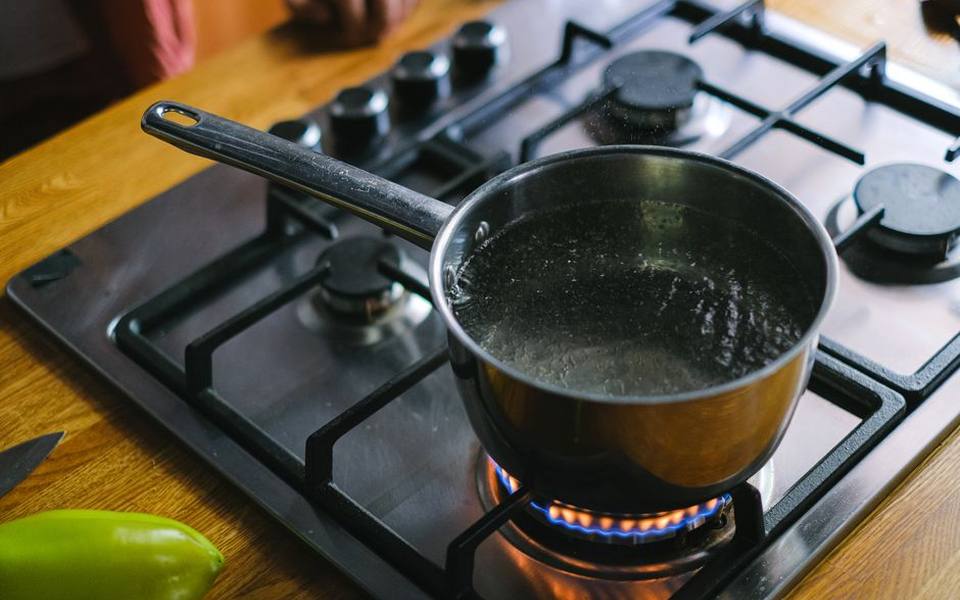
Molding a boil & bite protector correctly requires patience and precise water temperature. Begin by gathering two bowls: one containing freshly boiled water that has rested off the heat for thirty to sixty seconds, and another filled with cold ice water. Submerging the piece in violently boiling water can cause the thermoplastic to melt irregularly or shrink beyond usability, so letting the hot water settle is critical before dropping the blank in for the manufacturer-specified duration, which typically ranges from thirty to ninety seconds.
Use a slotted spoon or tongs to lift the softened blank out of the water, quickly dousing it in room-temperature water for a single second to avoid scalding your gums. Center the channel over your upper teeth, aligning the front notch with your dental midline. Press the guard firmly upward against your molars first, then work forward toward your incisors, ensuring that your front teeth do not push through the front wall of the softened material.
Once seated, close your mouth and bite down with firm, moderate pressure while simultaneously pressing your tongue hard against the roof of your mouth. Use your fingers through your lips and cheeks to massage the outside walls tightly against the gums. Create heavy suction by drawing all air and moisture inward for thirty seconds, which pulls the inner lining into the crevices between your teeth. Finally, transfer the piece into the ice bath to lock in the final shape.
Troubleshooting Common Boil-and-Bite Fitting Problems
The most frequent issue athletes encounter with retail guards is an overactive gag reflex, usually caused by material extending too far back onto the soft palate. If the rear edges reach beyond your second molars, mark the excess area with a pencil, remove the guard, and trim the surplus length with sharp kitchen scissors. After trimming, briefly dip the cut edges into hot water and smooth the corners with your thumb so they do not scrape your inner cheeks.
Another common complaint is a guard that falls down whenever you open your mouth to call out a combination or catch your breath. A loose fit means the material was not sucked tightly enough against the lingual side of the dental arch or the outer flange was not pressed firmly against the gum line. Remolding the piece while emphasizing outward suction and heavy thumb pressure along the outer gums will typically restore adequate retention.
Watch out for bite-through, which occurs when an athlete bites down with excessive force while the plastic is in its fully softened state. If your canine or molar tips cut entirely through the floor of the channel, the guard will provide almost no shock absorption at those points during a direct upward strike. In that scenario, re-softening the guard and gently kneading the bottom layer back into a uniform bed before a lighter remolding bite is the best remedy.
What Sets Custom Dental Mouthguards Apart
A custom dental mouth guard is an individualized piece of safety equipment constructed over an exact stone stone cast of your mouth. Instead of relying on a generic plastic tray softened in a kitchen mug, a dental technician or specialized sports lab utilizes an impression kit or digital intraoral scan. Multiple layers of high-impact laminated polymers are heat-pressed under intense pneumatic pressure, yielding a custom made dental mouth guard that conforms to every tooth contour down to fractions of a millimeter.
The fundamental advantage of a mouth guard custom made by professionals is precise thickness distribution. Laboratory technicians can engineer the appliance to be thickest over the front incisors and chewing surfaces where impact occurs, while keeping the palatal region minimal to avoid speech interference and gagging. Because the fit is exact, a custom bite guard relies on mechanical undercuts between teeth for retention, meaning it stays locked in place naturally without the wearer biting down.
For fighters engaged in live sparring at MMA gyms, the extra security of custom mouth guard sports gear makes an immediate practical difference. You can speak clearly to your corner, breathe through your mouth during taxing rounds without dislodging the appliance, and maintain full focus on defense. The investment is higher than retail options, but the lifespan and comfort consistently surpass mass-market alternatives.
Comparing Impact Protection, Breathing, and Speech
Breathing mechanics are where the difference between guard types becomes glaringly obvious during intense training sessions. When an athlete wears a bulky retail protector that slips, they are forced to keep their teeth clenched shut, restricting airflow to the nasal passages or tiny gaps between teeth. Over multiple rounds of sparring, this clenching accelerates fatigue and compromises oxygen delivery. A custom mouth guard allows natural oral inhalation because it clings to the upper jaw independently.
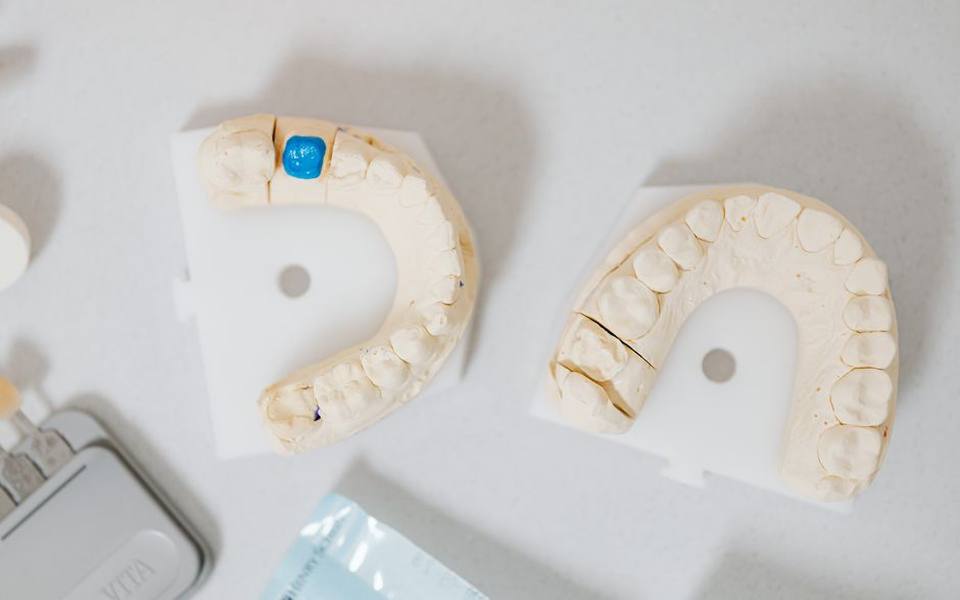
Clear communication is equally critical for safety during paired drills and sparring. In fast-paced training environments like kickboxing classes, students must be able to confirm strike counts, call pauses, and respond to instructor cues instantly. Standard retail mouthguards frequently cause muffled speech, prompting fighters to take the guard out between rounds with sweaty gloves, which introduces bacteria into the mouth.
From an impact physics perspective, multi-laminate custom guards distribute kinetic shock across a wider bone surface than single-layer thermoplastics. While high-grade boil-and-bite units do absorb significant energy, their inconsistent thickness after molding can leave micro-gaps or thin zones over vulnerable teeth. A custom appliance guarantees uniform protective thickness across all high-risk areas, reducing localized stress on individual tooth roots.
Durability, Lifespan, and Total Cost of Ownership
Evaluating the true cost of mouth protection requires looking beyond the initial purchase price. Retail boil-and-bite protectors typically cost very little upfront, making them appealing for casual hobbyists or children whose dental arches are changing rapidly. However, these basic units degrade quickly under regular jaw pressure; the material loses its elastic memory within several months of hard training, becoming loose, brittle, or chewed through at the molars.
A custom dental appliance requires an initial investment that is noticeably higher, but its durability is vastly superior. Made from dense, pressure-formed laminates rather than open-poured thermal plastics, a professional guard holds its structural shape and firm retention for multiple years of adult training, provided the wearer does not undergo significant dental alterations. When calculated across hundreds of sparring sessions, the cost per hour of protection balances out favorably.
Regardless of the build type, any protector must be retired once it displays cracks, thinning, persistent odors, or a loose grip. Continuing to train with a compromised guard creates a false sense of security; an impact against a cracked or deformed piece can concentrate shock into a single tooth rather than dispersing it, increasing the probability of severe dental fracture.
Special Fitting Considerations for Braces and Orthodontics
Athletes with fixed orthodontic appliances face unique challenges when selecting oral protection. Standard boil-and-bite mouthguards are strictly prohibited with traditional brackets because the softened thermoplastic can flow into the brackets and wires, locking onto the hardware so securely that removing the guard can break brackets or bend archwires. Attempting to force a generic guard over braces often leads to expensive emergency trips to the orthodontist.
A specialized custom fit mouthguard for braces is engineered with an internal relief channel that covers the brackets without grabbing them. This channel permits the teeth to continue their intended orthodontic movement across months of treatment without the appliance becoming unwearable. Orthodontists can either fabricate these in-house or provide specialized silicone-based athletic guards designed specifically to drape safely over metal and ceramic brackets.
For parents registering teenagers in kids martial arts classes, choosing braces-compatible oral gear is an absolute necessity before any contact drills begin. A direct strike to an unprotected mouth wearing braces drives metal brackets directly into the inside of the lips and cheeks, causing deep lacerations that require sutures. Dedicated orthodontic mouth protectors eliminate this hazard while safeguarding both the teeth and the orthodontic investment.
Matching Your Guard to Your Specific Martial Art
Different combat disciplines place distinct mechanical demands on oral equipment. In grappling sports practiced at Brazilian Jiu-Jitsu schools, the danger is rarely a direct high-speed punch; instead, athletes experience heavy cross-faces, accidental head clashes during takedowns, and tight chokes across the jaw. A slim, low-profile custom guard or well-trimmed retail model that maximizes oxygen flow is ideal here because grappling demands prolonged, steady breathing under sustained pressure.
In striking disciplines such as Muay Thai, boxing, and mixed martial arts, the risk of high-velocity, blunt-force impacts increases dramatically. Here, thicker dual-layer or triple-layer guards measuring four to five millimeters along the frontal surface are strongly recommended. The extra thickness provides the necessary barrier against direct glove and shin impacts that could otherwise displace teeth or compress the temporomandibular joint.
If you cross-train across striking and submission wrestling, a mid-thickness custom laminated guard offers the best compromise. It delivers enough frontal shock absorption for stand-up exchanges without burdening you with excessive palatal plastic that makes hard five-minute grappling rounds feel suffocating. Assessing how often you spar and the intensity of your training partners will guide your final selection.
Cleaning, Storage, and Daily Maintenance
Poor mouthguard hygiene can quickly turn your safety gear into a breeding ground for bacteria, mold, and yeast. After every practice, rinse the appliance thoroughly under cool running water and gently clean all surfaces using a soft-bristled toothbrush and mild liquid hand soap. Avoid using standard abrasive toothpastes, which create microscopic scratches in the polymer surface where bacteria and odor-causing compounds can permanently take root.
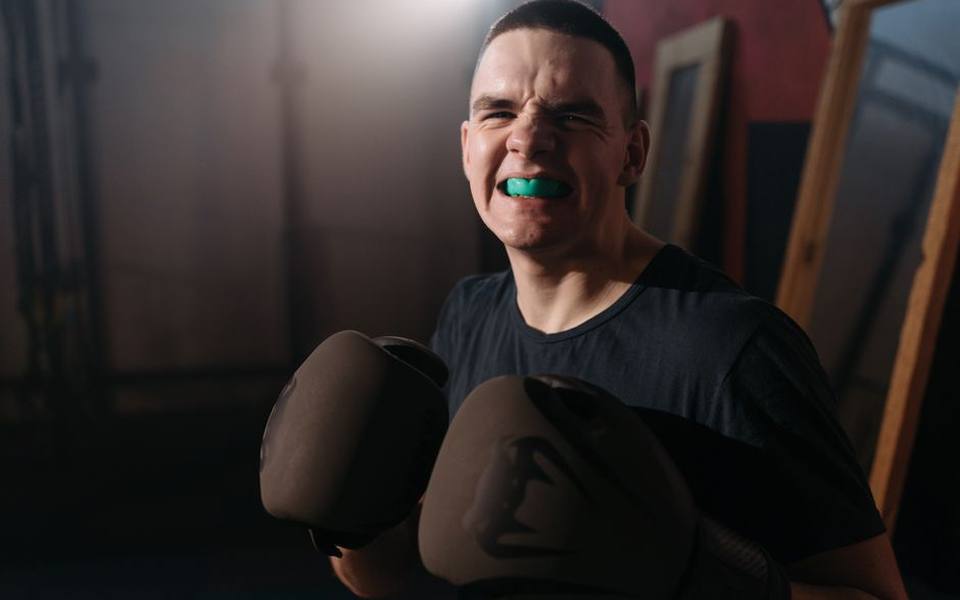
Never use boiling water, hot tap water, or direct sunlight to sanitize your fitted piece. Excessive heat will distort both retail thermoplastics and custom laminated structures, immediately destroying the precise retention you worked to achieve. If you want a deeper clean, soak the guard periodically in an effervescent antibacterial denture cleanser or a non-alcohol antimicrobial mouthwash for ten minutes before rinsing cleanly.
Always transport and store the piece in a hard-shell case with generous ventilation holes. Stashing a wet guard in an airtight container or tossing it directly into a sweaty gym bag promotes rapid bacterial proliferation and foul odors. Letting the appliance dry completely between practices preserves the material and keeps your training gear fresh session after session.
How to Make Your Final Decision as a Martial Artist
Deciding between a boil-and-bite model and a fully custom unit comes down to where you are in your training journey. If you are a beginner testing the waters with entry-level technique classes, an affordable boil-and-bite option is a completely sensible starting point. It provides baseline protection while you determine whether you intend to commit to the sport long-term, sparing you significant upfront expense.
Conversely, if you spar multiple times per week, compete in tournaments, or train at an advanced pace, investing in a custom dental guard is one of the smartest upgrades you can make. The gains in comfort, unrestricted breathing, and secure retention allow you to perform at your peak without the mental distraction of an ill-fitting plastic tray shifting in your mouth during critical exchanges.
Take the time to evaluate your training frequency, budget, and dental history before purchasing. Whichever path you choose, remember that the single best mouthguard is the one that stays comfortably seated in your mouth through every hard round, protecting your smile so you can step back onto the mat tomorrow with total confidence.
Published 2026-09-21 · reviewed with each rebuild, last September 2026.
Find martial arts schools near you
The directory lists 32,877 martial arts schools by state and city — pick your state or use the “Near me” button in the header.
More guides
-
 Owning
Establishing a Proper Heavy Bag Routine and Striking Technique at Home
-
 Safety
Brazilian Jiu-Jitsu for Beginners: Tips, Fundamentals, and Mat Health
-
 Buying
Finding the Right Fit: A Guide to Sizing Your Jiu-Jitsu Uniform and Cross-Training Gear
-
 Money
MoneyHow Much Do Martial Arts Classes Cost? Membership Fees Breakdown
-
 Owning
What Is Mixed Martial Arts? Beginner Overview and Training Guide
-
 Owning
The History, Origins, and Physical Demands of Brazilian Jiu-Jitsu
-
 Owning
Traditional Martial Arts Guide: Understanding Wushu, Silat, and Naginata
-
 Owning
Understanding Mixed Martial Arts for Beginners
-
 Safety
How to Wrap Your Hands for Boxing: Step-by-Step Wrist and Knuckle Protection Guide
-
 Buying
Best Jiu-Jitsu Gis and Apparel: Complete Buyer's Guide and Sizing Chart
-
 Buying
BJJ vs Judo vs Wrestling vs No-Gi: Which Grappling Art Is Right for You?
-
 Buying
How to Choose the Best Jiu-Jitsu and MMA Gym Near You
-
 Owning
Brazilian Jiu-Jitsu for Beginners: Rules, Belt Ranks, and Mat Training
-
 Buying
Kickboxing Classes & Cardio Fitness Workouts Guide
-
 Owning
Martial Arts Belt Ranking Systems: Progression, Orders, and Displays
-
 Buying
Jeet Kune Do: History, Philosophy, and Modern Training Guide
-
 Buying
BJJ Gis and Uniforms Buyer's Guide: Brands, Fit, and Care
-
 Buying
Gracie Jiu-Jitsu Lineages, Academy Networks, and Training Philosophies
-
 Buying
10th Planet Jiu-Jitsu: Complete Guide to the No-Gi System and Academies
-
 Safety
Tai Chi Classes for Seniors: Health Benefits, Styles, and Practice Guide
-
 Owning
Heavy Bag and Boxing Workouts: Home Setup, Gear Selection, and Training Guide
-
 Buying
Adult Karate and Taekwondo Classes: Getting Started and Gi Sizing
-
 Owning
IBJJF Tournaments and Competition Guide: Databases, Rules, and Events
-
 Safety
Women's and Adult Self-Defense Training Guide: Techniques, Classes, and Systems
-
 Owning
Traditional Chinese Martial Arts: Shaolin, Wing Chun, Jeet Kune Do, and Gear Guide
-
 Buying
Adult Martial Arts Guide: Choosing the Right Style, Gym, and Training Class
-
 Buying
Filipino Martial Arts, Kenpo, Aikido, and HEMA: Comparing Traditional Combat Styles
-
 Owning
Heavy Bag Workout Guide: Routines, Drills, and Training for Cardio and Weight Loss
-
 Buying
Muay Thai and Cardio Kickboxing Classes: Training, Techniques, and Fitness Programs
-
 Buying
BJJ Gis, Rash Guards, and Apparel: How to Choose, Size, and Care for Jiu-Jitsu Gear
-
 Safety
Women's and Adult Self-Defense Classes: Selecting Programs for Real-World Safety
-
 Owning
Martial Arts Belts and Ranks: Belt Order, Taping, and Display Racks Guide
-
 Safety
Martial Arts Conditioning, High-Kick Mobility, and Protective Gear Guide
-
 Buying
Kids and Toddler Martial Arts: Complete Guide to Classes, Camps, and Family Dojos
-
 Owning
How to Hang a Heavy Bag: Ceiling and Wall Mounting Installation Guide
-
 Buying
Brazilian Jiu-Jitsu Schools, Academies, and Lineages: A Complete Guide
-
 Buying
Martial Arts Gyms, Fitness Studios, and Dojos Directory Guide
-
 Buying
Traditional Martial Arts Styles and Specialized Disciplines Guide
-
 Owning
BJJ and Martial Arts Gi Selection, Sizing, and Equipment Care Guide