Starting Early: Motor Skills and Preschool Foundations
Enrolling toddlers and preschoolers in martial arts is less about self-defense techniques and more about foundational vestibular development. Between the ages of three and five, children experience rapid neurological and physical growth, making structured movement classes ideal for building spatial awareness, bilateral coordination, and balance. Programs designed for this age group typically strip away formal sparring or complex choreography in favor of animal crawls, balance beam walks, soft rolling, and simple partner drills that teach body control.
Discipline in early childhood training focuses primarily on listening cues, impulse management, and following multi-step directions. Quality dojos understand that a four-year-old child has an attention span that lasts only a few minutes per drill. Effective coaches alternate quickly between energetic physical activities and brief quiet moments where children practice sitting cross-legged and maintaining eye contact. This rhythmic pacing helps young students develop social regulation skills that translate directly into classroom settings.
When evaluating a preschool program, parents should observe the instructor's patience and classroom management style rather than their rank or competition record. A master black belt who cannot engage a group of restless preschoolers with warmth and structure will struggle to maintain an effective class. Look for clean, heavily padded floors, low student-to-teacher ratios, and an environment where encouragement outpaces criticism, ensuring that early athletic memories remain positive and confidence-building.
Inside the Little Ninjas Curriculum
Many academies brand their early childhood offerings under names like Little Ninjas or Tiny Tigers. These specialized tracks usually serve children aged three to six, organizing classes into thirty-minute sessions that prevent mental and physical exhaustion. The curriculum tends to focus on fundamental human movements such as jumping, dodging, landing safely, and recognizing boundaries. Instead of traditional strikes, kids learn how to establish a strong base and protect their heads if they tumble.
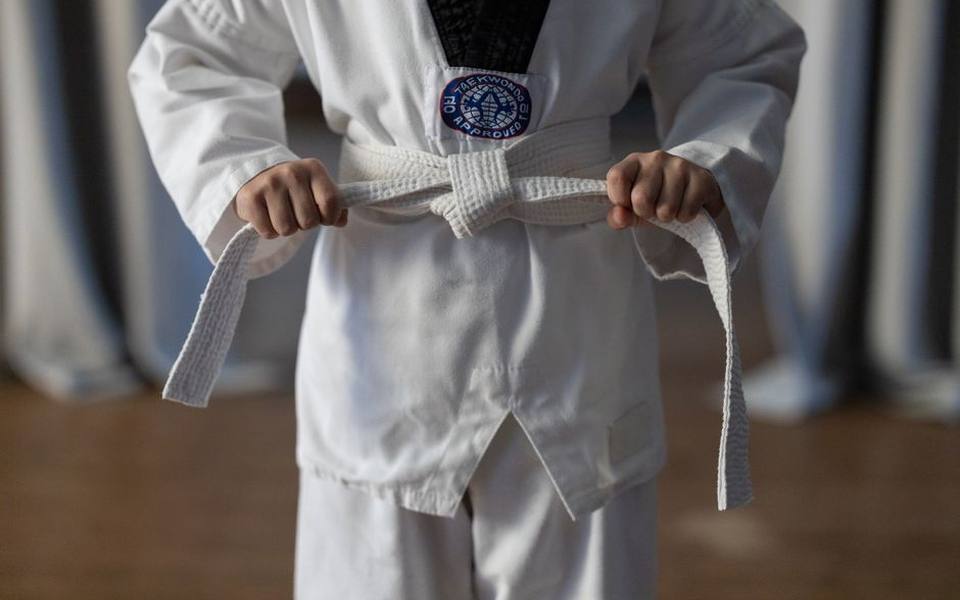
A cornerstone of these programs is positive reinforcement through incremental rewards. Instructors often use colored belt stripes or skill patches to mark mastery in non-combative areas, such as balance, teamwork, kindness, and focus. These micro-goals give young minds tangible achievements to celebrate every couple of weeks, fostering intrinsic motivation. When children understand that steady effort leads directly to recognized milestones, they develop a resilient work ethic that supports future athletic training.
Parental participation varies depending on the specific curriculum and age group. While some dojos encourage parents to step onto the mats to hold padded targets or guide their three-year-olds through obstacle courses, other academies recommend watching quietly from the viewing area. Stepping back allows five-year-olds to build independence and bond directly with their peers. If you are exploring options, researching structured kids martial arts classes will help clarify which format best matches your child's temperament.
Striking for Five-Year-Olds: Foundations in Karate
At five years old, children enter a golden window of motor learning where they can follow formal routines and execute directional strikes with intention. Introductory karate programs introduce fundamental stances, such as the horse stance and front stance, which build hip strength, core stability, and ankle resilience. These grounded postures teach children how to generate leverage from the floor while maintaining an upright, confident posture that improves daily mechanics.
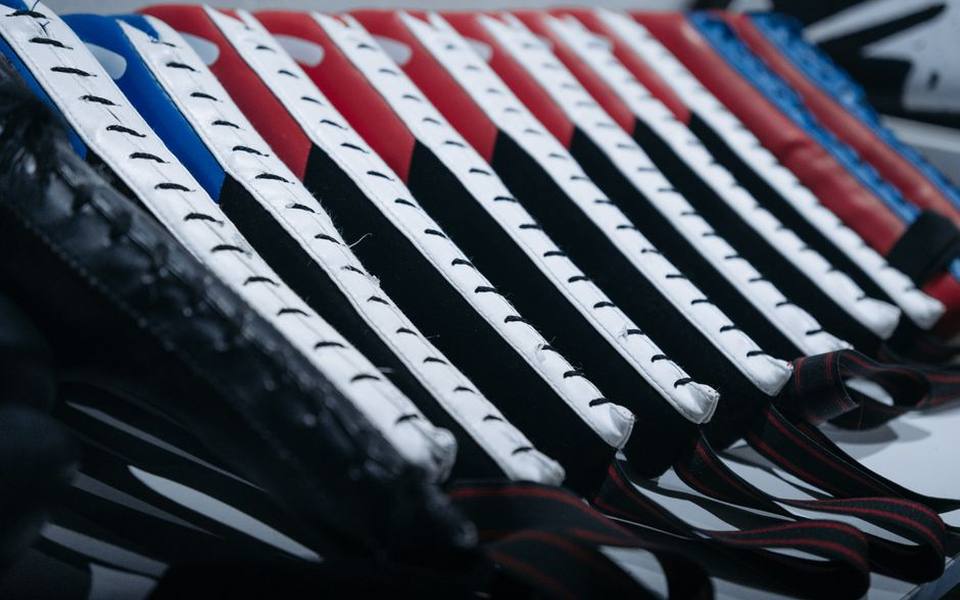
Safety in kindergarten-level striking is paramount. Reputable schools never permit full-contact sparring between five-year-olds; instead, contact is strictly limited to oversized foam shields, hanging bags, or foam reaction sticks manipulated by instructors. Through these drills, children learn to stop their strikes before impact, cultivating fine muscular calibration and respect for personal space. Punching foam blocks also provides a healthy outlet for energetic children who need sensory engagement.
Traditional forms, or kata, begin to play a quiet role at this age. Learning a four-step or six-step sequence helps kindergartners train working memory, positional recall, and left-right coordination. Instructors teaching foundational karate classes break down these forms into bite-sized physical games, ensuring that five-year-olds feel accomplished rather than overwhelmed by traditional ceremonial customs.
Groundwork for Young Grapplers: Early Jiu-Jitsu
Grappling offers young children an intuitive way to exercise because wrestling and floor play are natural human instincts. Enrolling a five-year-old in Brazilian Jiu-Jitsu channels that rough-and-tumble energy into safe, technical floor movements. Unlike striking disciplines, jiu-jitsu removes the threat of head trauma from punches and kicks, focusing entirely on leverage, joint positioning, and controlling an opponent's body through positional dominance on thick, sanitized puzzle or subfloor mats.
Introductory grappling classes for kindergarteners emphasize body awareness through movements like the shrimp, bear crawl, forward roll, and technical stand-up. These exercises strengthen the neck, shoulders, and core while teaching children how to fall safely backward without hitting their heads. Young students learn basic positional controls, such as the mount and guard, without being introduced to dangerous joint submissions or chokes until they are older and demonstrate mature emotional regulation.
The cultural cornerstone of grappling is the tap-out, which instills humility, communication, and mutual consent from day one. When five-year-olds learn that a gentle physical tap immediately pauses the action, they develop profound trust in their training partners. Academies providing early Brazilian Jiu-Jitsu programs emphasize this culture of care, turning the mat into a collaborative learning laboratory where children solve physical puzzles without aggressive conflict.
Summer Camps and School-Break Day Programs
During school recesses, martial arts academies frequently transition their facilities into all-day summer camps. These camps offer working parents a structured alternative to standard childcare, combining daily technique workshops with arts, reading periods, outdoor park games, and character-building discussions. Campers typically spend two to three hours daily engaged in martial training, separated by extended rest breaks, quiet crafts, and team challenges that prevent physical burnout.
A significant benefit of a dedicated seasonal camp is rapid skill development. Practicing martial arts for several hours every day over a week allows children to internalize technical habits much faster than attending two forty-minute evening classes per week. Beginners often enter summer camp without any martial arts experience and exit possessing the coordination, terminology, and foundational confidence needed to integrate smoothly into advanced evening classes the following autumn.
Before booking a spot, parents should verify the operational details of the facility. Clarify the camper-to-counselor ratio, verify whether field trips are pedestrian or bus-based, and ask about screen-time policies throughout the day. High-quality academies limit device usage entirely, ensuring that children spend their hours actively moving, interacting socially, and building relationships with peers in an active, disciplined environment.
Family Dojos: Training Under One Roof
Modern family life is notoriously fragmented, with parents frequently shuttling siblings to separate sports fields across town. Family-centered dojos address this challenge by aligning class schedules so multiple household members can train simultaneously or back-to-back. While children train on one side of a divided mat floor, adults can work on adult-appropriate technique on the other, transforming passive spectator time into personal health and athletic development.
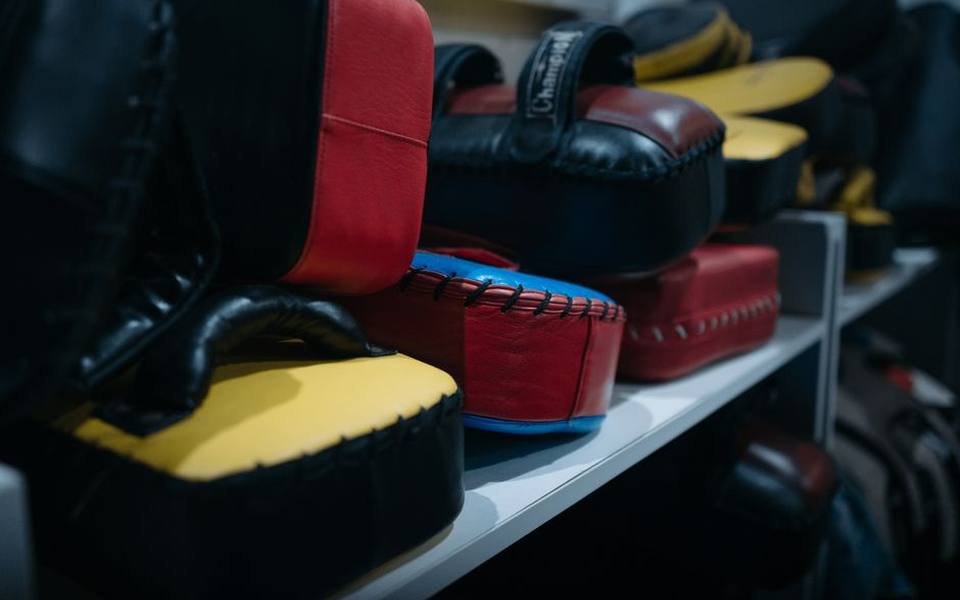
Shared training creates a unique bond between parents and children that traditional team sports rarely offer. When a child observes their parent struggling to learn a complex combination, failing, and persisting until they succeed, the parent models resilience firsthand. Similarly, parents gain an authentic appreciation for the physical and mental demands placed upon their children during belt promotions, eliminating unrealistic performance pressure at home.
Many schools offer all-ages open mats or mixed family classes on weekend mornings. In these sessions, parents partner with their own children for conditioning circuits, target holding, and light partner drills. Families seeking a shared routine often explore family martial arts academies that design membership plans around combined household enrollment, lowering overall training costs while fostering a supportive domestic culture.
Jiu-Jitsu as a Lifelong Household Pursuit
Grappling has emerged as a premier family activity because it accommodates vastly different body types, ages, and athletic goals within the exact same system. In a grappling-focused household, parents and children speak a shared technical language. Dinner conversations often revolve around guard passes, sweep defenses, and competition strategies, turning what began as an after-school hobby into a cohesive lifestyle centered around health and self-improvement.
The technical depth of Brazilian Jiu-Jitsu ensures that practitioners never run out of concepts to study. Parents can train into their forties, fifties, and beyond because the art relies on leverage rather than explosive athleticism or taking strikes. When parents practice alongside teenagers, the sport bridges generational gaps, giving adolescents a healthy, physical community where they can interact with adults as equals in technical problem-solving on the mats.
Beyond technical education, family grappling builds mutual trust and respect. Rolling safely requires partners to calibrate their resistance, ensuring neither party gets injured. When older siblings learn to handle younger siblings gently during technical drills, household rivalries soften. Practicing on mats together reinforces accountability, empathy, and patient communication, making the mat space an extension of healthy home values.
Hybrid Studios: Balancing Striking, Fitness, and Kickboxing
Along suburban commercial corridors and main avenues, many community dojos operate hybrid programs that blend traditional karate discipline with high-energy fitness kickboxing. These studios cater to families wanting a multifaceted schedule under a single roof. A typical setup offers traditional youth martial arts in the late afternoon, followed immediately by heavy-bag conditioning or cardio kickboxing classes tailored for adults seeking low-impact, high-intensity workouts.
These community studios excel at providing comprehensive physical conditioning. For adults, heavy bag work burns calories, increases cardiovascular health, and reduces stress without the intimidation factor of stepping into a full-contact sparring ring. For young students, supplemental fitness circuits incorporate agility ladders, medicine balls, and plyometrics that enhance overall athleticism. This holistic approach makes exploring kickboxing classes an attractive parallel option for fitness-conscious households.
When choosing a neighborhood hybrid academy, assess the training atmosphere and equipment maintenance. The heavy bags should be securely mounted, mats regularly sanitized between sessions, and the sound system kept at ear-safe decibel levels. Facilities that strike the right balance maintain traditional martial arts etiquette—such as bowing upon entering the training area—while fostering an uplifting, contemporary fitness vibe that appeals to members of all ages.
Mat-Side Celebrations: Martial Arts Birthday Parties
Martial arts schools have become popular weekend destinations for hosting children's birthday parties. Unlike indoor bounce parks or arcades, which can become chaotic, dojo parties offer an organized, high-energy environment led by trained black belt instructors. The birthday child is typically highlighted as the honorary assistant instructor, wearing a special belt or uniform patch while helping lead their classmates through warm-ups, obstacle courses, and introductory games.

A typical party agenda lasts between ninety minutes and two hours, divided into structured physical activities and refreshment time. Instructors guide party guests through basic kicks, dodgeball games using soft foam balls, and relay races designed to exhaust extra energy. The celebratory highlight often involves the birthday child breaking a real wooden board using a palm strike or side kick, which provides an unforgettable photo opportunity and an enormous boost to the child's self-esteem.
From an organizational standpoint, dojo celebrations are convenient for host families. Academies usually supply the venue, lead the entertainment, supervise child safety, and manage the final cleanup. Parents need only provide the cake, paper goods, and light refreshments. Because the staff handles group dynamics, parents can relax and enjoy the celebration alongside visiting family members rather than refereeing chaotic party games.
Healthy Weight Management in Youth Wrestling and Grappling
As young grapplers and wrestlers transition into competitive brackets, conversations about weight divisions often arise. Historically, amateur wrestling suffered from dangerous cutting practices, including extreme dehydration, sweat suits, and starvation diets. Fortunately, modern governing bodies have instituted strict hydration testing and minimum body-fat thresholds, shifting the entire sport toward long-term athletic health, proper conditioning, and sustainable nutrition.
For adolescent wrestlers looking to manage their weight safely, coaches emphasize clean eating habits over caloric restriction. The goal is never rapid weight loss, but rather gradual recomposition: trading body fat for lean muscle through intense mat practices, functional strength work, and consistent cardiovascular training. Young athletes should focus on whole food proteins, complex carbohydrates for sustained energy, and continuous water intake to maintain peak athletic performance.
Parents must take an active role in monitoring their child's energy levels, academic focus, and relationship with food. Any weight adjustment should occur slowly over several months under parental and coaching supervision, rather than through last-minute sweat sessions before tournament weigh-ins. When approached scientifically, competitive grappling teaches teenagers invaluable lessons about sports nutrition, discipline, and sustainable physical conditioning that benefit them for life.
Published 2026-09-21 · reviewed with each rebuild, last September 2026.
Find martial arts schools near you
The directory lists 32,877 martial arts schools by state and city — pick your state or use the “Near me” button in the header.
More guides
-
 Owning
Establishing a Proper Heavy Bag Routine and Striking Technique at Home
-
 Safety
Brazilian Jiu-Jitsu for Beginners: Tips, Fundamentals, and Mat Health
-
 Buying
Finding the Right Fit: A Guide to Sizing Your Jiu-Jitsu Uniform and Cross-Training Gear
-
 Money
MoneyHow Much Do Martial Arts Classes Cost? Membership Fees Breakdown
-
 Owning
What Is Mixed Martial Arts? Beginner Overview and Training Guide
-
 Owning
The History, Origins, and Physical Demands of Brazilian Jiu-Jitsu
-
 Owning
Traditional Martial Arts Guide: Understanding Wushu, Silat, and Naginata
-
 Owning
Understanding Mixed Martial Arts for Beginners
-
 Safety
How to Wrap Your Hands for Boxing: Step-by-Step Wrist and Knuckle Protection Guide
-
 Buying
Best Jiu-Jitsu Gis and Apparel: Complete Buyer's Guide and Sizing Chart
-
 Buying
BJJ vs Judo vs Wrestling vs No-Gi: Which Grappling Art Is Right for You?
-
 Buying
How to Choose the Best Jiu-Jitsu and MMA Gym Near You
-
 Owning
Brazilian Jiu-Jitsu for Beginners: Rules, Belt Ranks, and Mat Training
-
 Buying
Kickboxing Classes & Cardio Fitness Workouts Guide
-
 Owning
Martial Arts Belt Ranking Systems: Progression, Orders, and Displays
-
 Buying
Jeet Kune Do: History, Philosophy, and Modern Training Guide
-
 Buying
BJJ Gis and Uniforms Buyer's Guide: Brands, Fit, and Care
-
 Buying
Gracie Jiu-Jitsu Lineages, Academy Networks, and Training Philosophies
-
 Buying
10th Planet Jiu-Jitsu: Complete Guide to the No-Gi System and Academies
-
 Safety
Tai Chi Classes for Seniors: Health Benefits, Styles, and Practice Guide
-
 Owning
Heavy Bag and Boxing Workouts: Home Setup, Gear Selection, and Training Guide
-
 Buying
Adult Karate and Taekwondo Classes: Getting Started and Gi Sizing
-
 Owning
IBJJF Tournaments and Competition Guide: Databases, Rules, and Events
-
 Safety
Custom vs. Boil-and-Bite Mouthguards: Complete Selection and Fitting Guide
-
 Safety
Women's and Adult Self-Defense Training Guide: Techniques, Classes, and Systems
-
 Owning
Traditional Chinese Martial Arts: Shaolin, Wing Chun, Jeet Kune Do, and Gear Guide
-
 Buying
Adult Martial Arts Guide: Choosing the Right Style, Gym, and Training Class
-
 Buying
Filipino Martial Arts, Kenpo, Aikido, and HEMA: Comparing Traditional Combat Styles
-
 Owning
Heavy Bag Workout Guide: Routines, Drills, and Training for Cardio and Weight Loss
-
 Buying
Muay Thai and Cardio Kickboxing Classes: Training, Techniques, and Fitness Programs
-
 Buying
BJJ Gis, Rash Guards, and Apparel: How to Choose, Size, and Care for Jiu-Jitsu Gear
-
 Safety
Women's and Adult Self-Defense Classes: Selecting Programs for Real-World Safety
-
 Owning
Martial Arts Belts and Ranks: Belt Order, Taping, and Display Racks Guide
-
 Safety
Martial Arts Conditioning, High-Kick Mobility, and Protective Gear Guide
-
 Owning
How to Hang a Heavy Bag: Ceiling and Wall Mounting Installation Guide
-
 Buying
Brazilian Jiu-Jitsu Schools, Academies, and Lineages: A Complete Guide
-
 Buying
Martial Arts Gyms, Fitness Studios, and Dojos Directory Guide
-
 Buying
Traditional Martial Arts Styles and Specialized Disciplines Guide
-
 Owning
BJJ and Martial Arts Gi Selection, Sizing, and Equipment Care Guide