The Japanese Foundations and the Journey to Brazil
Brazilian Jiu-Jitsu originated from classical Japanese jujutsu and early twentieth-century Kodokan judo, arriving in South America through diplomatic and migratory currents. In the late nineteenth century, Jigoro Kano synthesized several traditional battlefield grappling disciplines in Japan into judo, emphasizing live sparring, balance disruption, and functional leverage over rigid katas. Kano dispatched senior disciples worldwide to demonstrate this pragmatic system, setting the groundwork for modern submission arts.
One of Kano's most accomplished emissaries was Mitsuyo Maeda, a prizefighter and master grappler who traveled across North and South America taking on challenge matches. Maeda arrived in northern Brazil around 1914, eventually settling in the port city of Belém do Pará. To assist Japanese immigrant colonies, Maeda coordinated closely with local political figures, including a regional diplomat named Gastão Gracie, whose family would fundamentally reshape the martial art.
Maeda offered to teach his combat philosophy to Gracie's eldest son, Carlos Gracie, as a gesture of gratitude for political assistance. Carlos absorbed Maeda's blend of Kodokan ground techniques, submission holds, and positional control before passing those fundamentals to his brothers. Rather than preserving the standup throwing emphasis of classical Japanese systems, this Brazilian cohort began adapting the curriculum to address closer quarters and bare-knuckle fighting conditions.
Refining the Guard in Rio de Janeiro
During the 1920s and 1930s, the Gracie family relocated to Rio de Janeiro, opening their first formal academy and modifying classical throws to favor ground defense. Hélio Gracie, the youngest brother, lacked the physical stature and raw power common among standard athletic contenders. Struggling to execute traditional judo throws that required explosive hip power, Hélio re-engineered the mechanics of leverage, body positioning, and timing so a smaller person could systematically survive against heavier opponents.
The focal point of this technical evolution became the closed guard, a position where a grounded combatant wraps their legs around an upright challenger to control distance and limit striking power. In standard historical wrestling and classical judo, touching one's back to the earth signaled disadvantage or defeat. In early Brazilian academies, working from the back became an offensive launchpad for sweeps, chokes, and joint locks, completely subverting traditional grappling hierarchies.
Word spread through no-rules challenge bouts known locally as vale tudo, where practitioners faced boxers, catch wrestlers, and street fighters to stress-test their adjustments. Through decades of relentless trial and error on canvas mats, the style detached itself from classical forms taught at traditional martial arts schools, solidifying into a unique, highly specialized grappling style that prioritized positional dominance before pursuing joint hyper-extensions or strangles.
The Global Expansion and the UFC Revolution
For much of the twentieth century, Brazilian Jiu-Jitsu remained a regional combat discipline primarily contained within Brazil, practiced across neighborhood academies and beachside clubs. That domestic isolation shifted dramatically during the early 1990s when the family sought to demonstrate the art's efficiency on an international television stage. The creation of the Ultimate Fighting Championship in 1993 stripped away rounds, weight classes, and referee standups to determine which single discipline functioned best without restrictive rules.
Royce Gracie entered the tournament as an unheralded, slight competitor wearing a traditional white kimono, methodically neutralizing larger kickboxers, wrestlers, and brawlers through clinch work, takedowns, and submissions. The spectacle revealed an undeniable truth to martial artists worldwide: without competent ground knowledge, striking prowess becomes largely ineffective once a fight hits the floor. The discipline instantly shifted from an obscure South American art to an essential requirement for modern combat sports.
Today, thousands of academies operate across North America, with concentrations like martial arts schools in California housing some of the most competitive academies in the world. Modern instruction has fractured into two thriving expressions: practical self-defense rooted in historical street protection, and high-paced sport competition defined by intricate point scoring, advanced leg configurations, and non-striking tournament circuits that attract adult practitioners of every physical background.
The Caloric Demands of Ground Grappling
While historical curiosity brings many new students through the door, the intense physical transformation driven by the sport keeps them enrolled. Stepping onto the mats initiates an extraordinary energy expenditure because grappling requires whole-body isometric contractions, constant core engagement, and continuous balance recovery. Unlike linear treadmill running or stationary cycling, grappling forces the body to constantly generate dynamic torque against an uncooperative, shifting human weight.
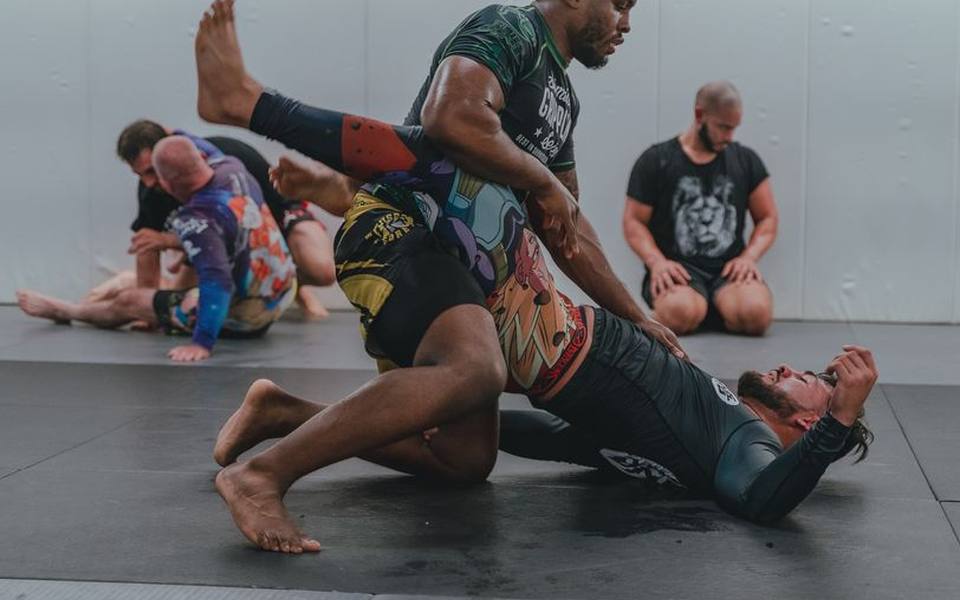
A typical sixty-to-ninety-minute training session at reputable Brazilian Jiu-Jitsu schools divides time between technical drilling and live sparring, frequently referred to as rolling. During active rolling, the cardiovascular system operates near the anaerobic threshold while skeletal muscles continuously stabilize joints and maintain frames. This hybrid exertion burns substantial energy reserves, elevating heart rates and activating both slow-twitch and fast-twitch muscle fibers simultaneously across every single round.
Beyond the immediate exertion during practice, vigorous grappling triggers significant post-exercise oxygen consumption. The human body spends hours after class repairing torn muscle fibers, clearing metabolic waste products, and replenishing depleted cellular glycogen stores. This heightened metabolic baseline ensures that practitioners continue expending elevated energy long after stepping off the mats, establishing an ideal physiological foundation for sustained systemic body composition adjustments.
The Biological Process of Total Body Fat Loss
Understanding how the body sheds stored fat requires clearing up common fitness misconceptions regarding spot reduction. Fat loss is fundamentally an internal biochemical process governed by thermodynamic energy balance and systemic hormone signaling. When total daily caloric expenditure exceeds nutritional caloric consumption over a sustained period, the brain signals adipose tissue to release stored triglycerides into the bloodstream through a process known as lipolysis.
Once liberated, these fatty acids travel via the bloodstream to active muscle tissues where cellular mitochondria oxidize them to produce adenosine triphosphate, the primary fuel for muscle contractions. Crucially, the human body draws from systemic fat reserves rather than localized areas adjacent to working muscles. Performing hundreds of abdominal crunches will strengthen the abdominal wall, but it does not directly burn the adipose tissue resting immediately above those muscles.
Consistent attendance at local jiu-jitsu training facilities accelerates this biochemical mobilization by creating an expansive caloric deficit that is difficult to replicate through low-intensity leisure exercise. Because grappling preserves and builds lean muscular tissue while demanding massive energy output, it prevents the metabolic slowdown typically associated with sedentary caloric restriction, ensuring that the mass lost consists primarily of adipose tissue rather than functional muscle.
Targeting Deep Visceral Fat Reserves
Human adipose tissue is divided primarily into subcutaneous fat, which sits directly beneath the skin, and visceral fat, which wraps around vital internal organs within the abdominal cavity. While subcutaneous fat is often what people notice in the mirror, visceral fat poses the greatest threat to long-term health by producing inflammatory cytokines, disrupting insulin sensitivity, and elevating cardiovascular risks. Fortunately, visceral fat is metabolically active and uniquely responsive to intense exercise.
High-intensity interval efforts, which naturally mirror the pace of submission grappling rounds, stimulate the release of catecholamines like epinephrine and norepinephrine. These stress hormones bind rapidly to beta-adrenergic receptors, which are found in significantly higher densities on visceral fat cells than on subcutaneous cells. As a consequence, rigorous training mobilizes deep abdominal organ fat at a faster relative rate than stubborn surface-level adipose layers.
Moreover, grappling dramatically improves whole-body insulin sensitivity by depleting muscular glycogen stores during vigorous hip escapes, takedown attempts, and guard retention battles. When muscles are depleted of stored carbohydrates, cells absorb circulating blood glucose without requiring excessive insulin spikes. Lower baseline circulating insulin removes the chemical barrier that normally blocks lipolysis, allowing practitioners to consistently access and reduce visceral fat stores over months of regular mat time.
Live Sparring and Sustained Caloric Deficits
One central hurdle in conventional fitness programs is boredom, which often leads to inconsistent gym attendance and stalled fat loss progress. Monotonous cardio machines require conscious willpower to sustain effort, whereas live grappling demands complete psychological immersion. When an opponent is actively attempting to control your limbs or apply a choke, every physiological system focuses on survival, movement efficiency, and tactical counter-pressure without fixating on physical fatigue.
This dynamic mental state, often described as a flow state, allows practitioners to sustain high work rates for rounds lasting five to ten minutes each. The intermittent nature of grappling—alternating between explosive scrambles and tense positional defense—delivers an anaerobic and aerobic stimulus comparable to competitive conditioning protocols. Many students report completing an hour of rigorous physical work without ever feeling the tedious passage of time typical of conventional gym routines.
When cross-training options like mixed martial arts programs are incorporated alongside standard grappling, the metabolic demand increases further through standing footwork, level changes, and defensive sprawling. This variety ensures that neuromuscular pathways never fully adapt into energy-saving patterns. The sustained physical challenge keeps baseline daily energy expenditure exceptionally high across each training week, driving steady, reliable body recomposition.
Nutrition, Muscle Preservation, and Metabolic Rate
Exercise alone cannot overcome poor nutritional habits, making dietary structure essential for anyone seeking lasting physical changes through combat sports. To shed fat while sustaining the energy required for difficult grappling sessions, athletes typically prioritize lean protein sources, complex unprocessed carbohydrates, and essential micronutrients. Protein consumption is particularly vital because it supplies the amino acids necessary to rebuild muscle tissue damaged during intense live sparring rounds.
Preserving lean muscle mass is the single most important factor in maintaining an efficient resting metabolic rate during a weight-loss phase. Severe, unguided starvation diets cause the body to catabolize skeletal muscle for emergency fuel, which lowers daily baseline caloric burn and triggers severe rebound weight gain. Martial arts training acts as a powerful resistance stimulus, signaling the central nervous system that existing muscle mass is structurally critical and must be retained.
Hydration also plays an outsized role in mat performance and fat oxidation processes. Dehydration impairs cellular lipolysis, compromises kidney function, and drastically reduces physical endurance during sparring rounds, increasing the risk of technical sloppy errors or joint injuries. Drinking adequate water throughout the day, balanced with essential electrolytes lost through heavy sweating, preserves physical capacity and ensures metabolic pathways operate at peak biochemical efficiency.
Navigating Modern Academy Class Structures
Walking into a martial arts school for the first time can feel intimidating, but contemporary academies maintain structured curricula designed for everyday beginners. Most accredited training centers separate early instruction into distinct fundamentals classes, where newer practitioners drill core movements, basic positions, and safety rules without being thrown directly into competitive sparring. This gradual onboarding minimizes injury risks while conditioning unaccustomed tendons, ligaments, and joints.
A typical beginner class opens with functional mobility warmups—such as shrimping, technical stand-ups, and forward rolls—that teach human bodies to move fluidly along the floor. Instructors then demonstrate two to three connected techniques, allowing students to partner up and practice mechanics against zero resistance. Toward the end of class, controlled positional games are introduced, giving novices an opportunity to apply new concepts under managed physical tension.
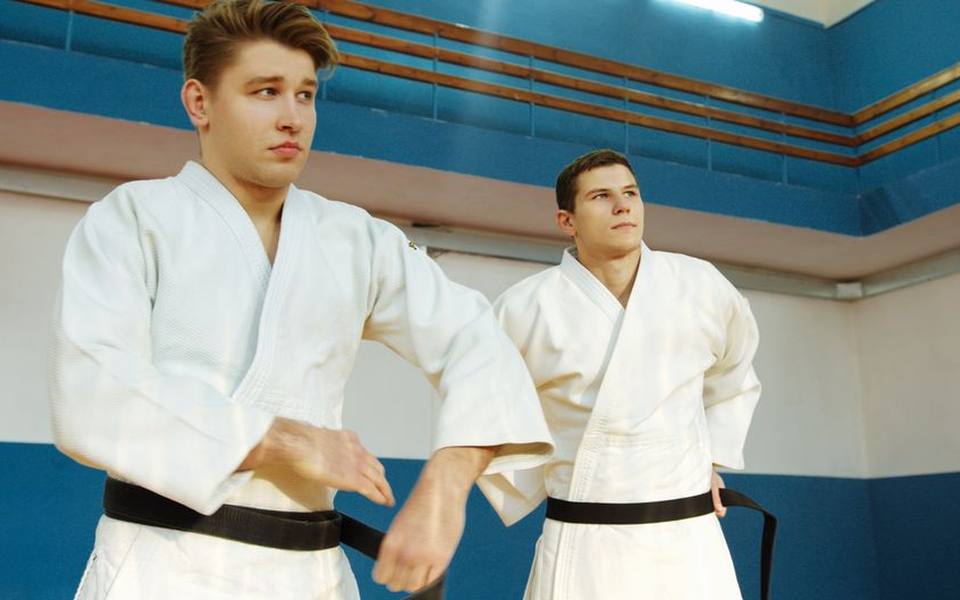
As students advance, they earn colored belts denoting technical fluency, progressing from white through blue, purple, brown, and eventually black. The belt system represents hundreds of hours spent testing problem-solving abilities under physical pressure. Finding an academy with an encouraging culture, clean facilities, and structured oversight ensures that your physical conditioning and technical development progress safely alongside one another over years of sustainable practice.
Building a Long-Term Routine for Health and Skill
Sustainable transformation through combat arts relies on frequency, injury prevention, and patient lifestyle integration rather than short-term physical exhaustion. Beginners often make the mistake of training every day at maximum intensity, leading to severe chronic soreness, systemic central nervous system fatigue, or overuse injuries within their initial month. Starting with two or three weekly sessions allows the muscular and skeletal structures time to adapt to novel physical stresses.
Rest days should emphasize active recovery, restful sleep, and gentle joint mobility work rather than complete physical immobility. High-quality sleep is particularly essential for regulating leptin and ghrelin, the key hormones responsible for signaling appetite and satiety. Chronic sleep deprivation elevates cortisol, which encourages the retention of deep visceral fat stores and hampers muscular recovery, undermining hard work completed on the training mats.
Ultimately, the real power of Brazilian Jiu-Jitsu lies in shifting personal attention away from the bathroom scale and toward tangible skill acquisition. Instead of obsessing over incremental daily body weight fluctuations, practitioners become absorbed in mastering guard sweeps, escaping uncomfortable pins, and surviving difficult rounds. The shedding of body fat, improved posture, and enhanced physical resilience emerge naturally as secondary byproducts of a disciplined, intellectually engaging martial lifestyle.
Published 2026-09-20 · reviewed with each rebuild, last September 2026.
Find martial arts schools near you
The directory lists 32,877 martial arts schools by state and city — pick your state or use the “Near me” button in the header.
More guides
-
 Owning
Establishing a Proper Heavy Bag Routine and Striking Technique at Home
-
 Safety
Brazilian Jiu-Jitsu for Beginners: Tips, Fundamentals, and Mat Health
-
 Buying
Finding the Right Fit: A Guide to Sizing Your Jiu-Jitsu Uniform and Cross-Training Gear
-
 Money
MoneyHow Much Do Martial Arts Classes Cost? Membership Fees Breakdown
-
 Owning
What Is Mixed Martial Arts? Beginner Overview and Training Guide
-
 Owning
Traditional Martial Arts Guide: Understanding Wushu, Silat, and Naginata
-
 Owning
Understanding Mixed Martial Arts for Beginners
-
 Safety
How to Wrap Your Hands for Boxing: Step-by-Step Wrist and Knuckle Protection Guide
-
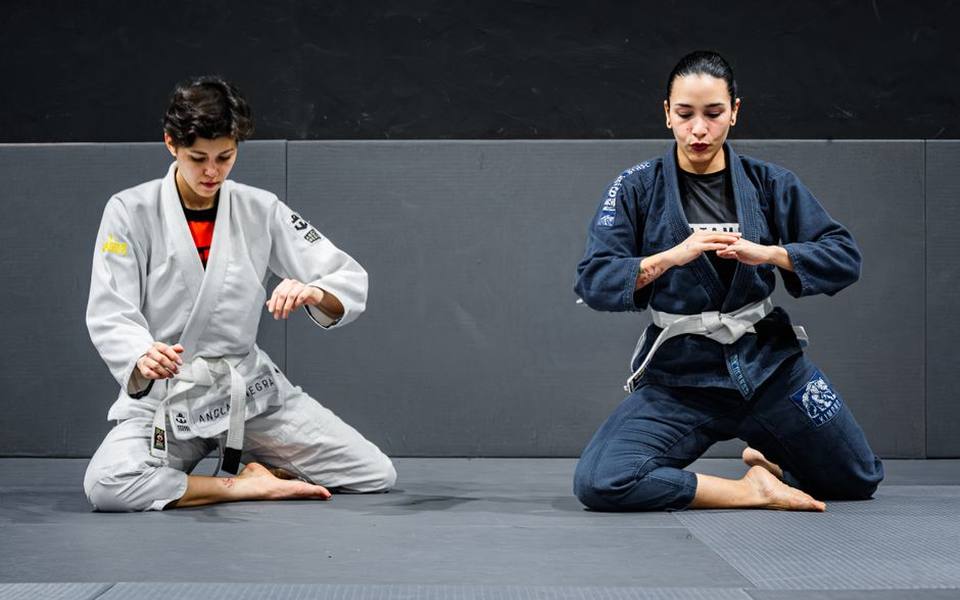 Buying
Best Jiu-Jitsu Gis and Apparel: Complete Buyer's Guide and Sizing Chart
-
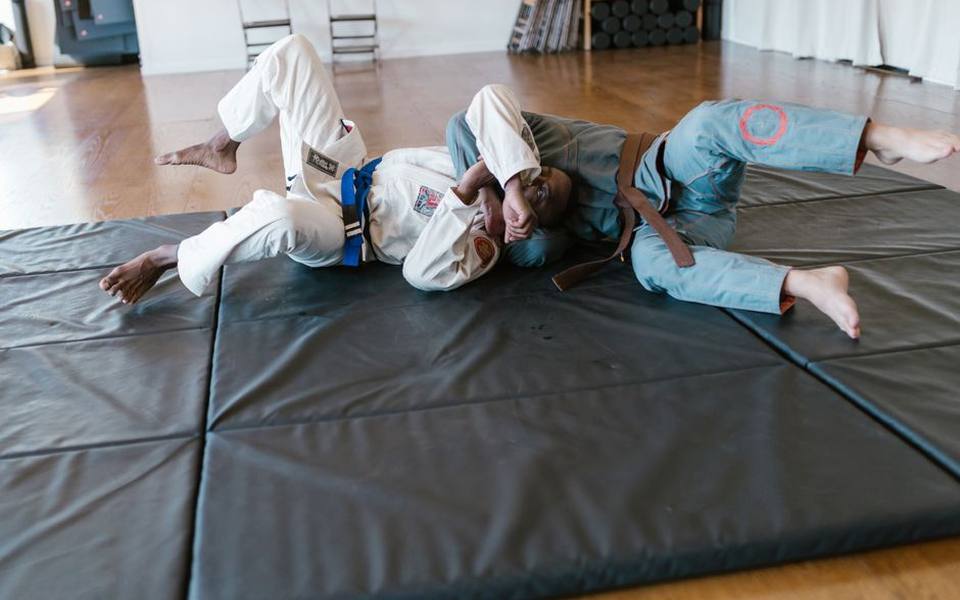 Buying
BJJ vs Judo vs Wrestling vs No-Gi: Which Grappling Art Is Right for You?
-
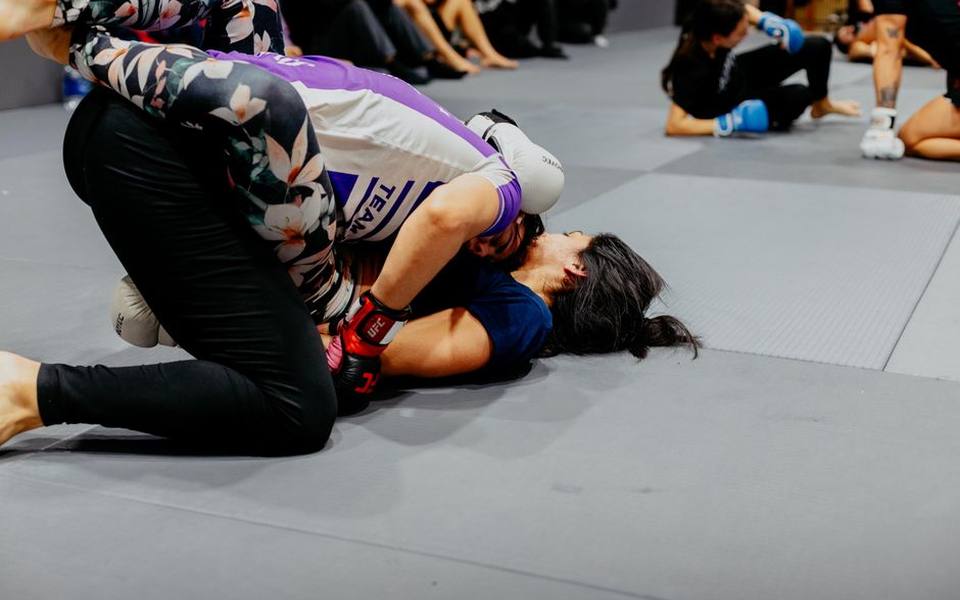 Buying
How to Choose the Best Jiu-Jitsu and MMA Gym Near You
-
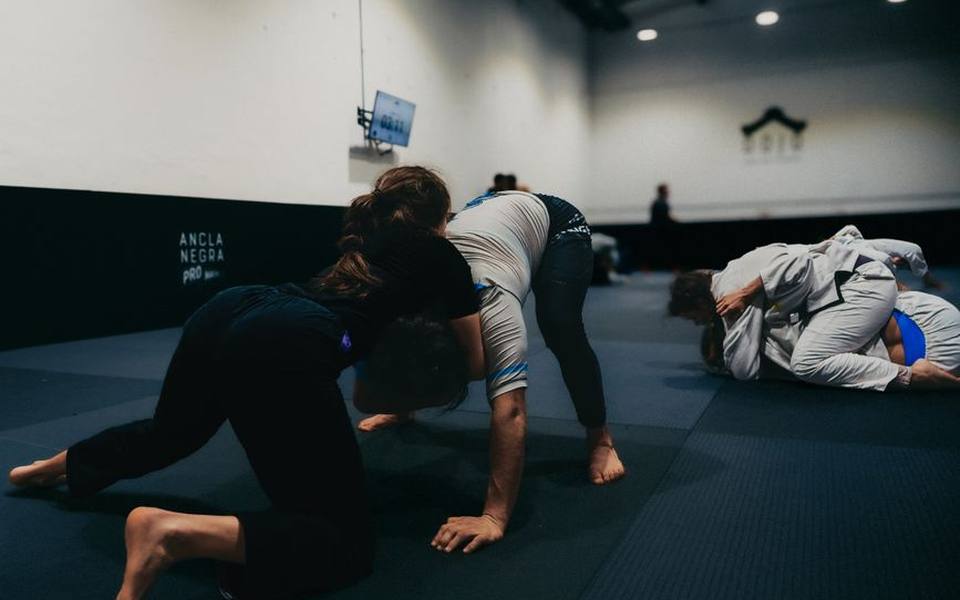 Owning
Brazilian Jiu-Jitsu for Beginners: Rules, Belt Ranks, and Mat Training
-
 Buying
Kickboxing Classes & Cardio Fitness Workouts Guide
-
 Owning
Martial Arts Belt Ranking Systems: Progression, Orders, and Displays
-
 Buying
Jeet Kune Do: History, Philosophy, and Modern Training Guide
-
 Buying
BJJ Gis and Uniforms Buyer's Guide: Brands, Fit, and Care
-
 Buying
Gracie Jiu-Jitsu Lineages, Academy Networks, and Training Philosophies
-
 Buying
10th Planet Jiu-Jitsu: Complete Guide to the No-Gi System and Academies
-
 Safety
Tai Chi Classes for Seniors: Health Benefits, Styles, and Practice Guide
-
 Owning
Heavy Bag and Boxing Workouts: Home Setup, Gear Selection, and Training Guide
-
 Buying
Adult Karate and Taekwondo Classes: Getting Started and Gi Sizing
-
 Owning
IBJJF Tournaments and Competition Guide: Databases, Rules, and Events
-
 Safety
Custom vs. Boil-and-Bite Mouthguards: Complete Selection and Fitting Guide
-
 Safety
Women's and Adult Self-Defense Training Guide: Techniques, Classes, and Systems
-
 Owning
Traditional Chinese Martial Arts: Shaolin, Wing Chun, Jeet Kune Do, and Gear Guide
-
 Buying
Adult Martial Arts Guide: Choosing the Right Style, Gym, and Training Class
-
 Buying
Filipino Martial Arts, Kenpo, Aikido, and HEMA: Comparing Traditional Combat Styles
-
 Owning
Heavy Bag Workout Guide: Routines, Drills, and Training for Cardio and Weight Loss
-
 Buying
Muay Thai and Cardio Kickboxing Classes: Training, Techniques, and Fitness Programs
-
 Buying
BJJ Gis, Rash Guards, and Apparel: How to Choose, Size, and Care for Jiu-Jitsu Gear
-
 Safety
Women's and Adult Self-Defense Classes: Selecting Programs for Real-World Safety
-
 Owning
Martial Arts Belts and Ranks: Belt Order, Taping, and Display Racks Guide
-
 Safety
Martial Arts Conditioning, High-Kick Mobility, and Protective Gear Guide
-
 Buying
Kids and Toddler Martial Arts: Complete Guide to Classes, Camps, and Family Dojos
-
 Owning
How to Hang a Heavy Bag: Ceiling and Wall Mounting Installation Guide
-
 Buying
Brazilian Jiu-Jitsu Schools, Academies, and Lineages: A Complete Guide
-
 Buying
Martial Arts Gyms, Fitness Studios, and Dojos Directory Guide
-
 Buying
Traditional Martial Arts Styles and Specialized Disciplines Guide
-
 Owning
BJJ and Martial Arts Gi Selection, Sizing, and Equipment Care Guide