Understanding the Modern Kickboxing Spectrum
Kickboxing is a broad term that describes any striking system combining Western-style punches with lower-body kicks, but the modern landscape splits primarily into fitness-focused conditioning and combat-oriented martial arts. If you walk into a neighborhood facility today, you are just as likely to encounter a high-energy heavy-bag workout set to rhythmic music as you are to find an authentic sparring ring. Deciding where to begin starts with identifying whether your primary objective is cardiovascular endurance, functional self-defense, technical striking mastery, or an engaging alternative to a conventional gym treadmill.
The technical roots of the discipline draw heavily from traditional Japanese karate, English pugilism, and Southeast Asian striking systems. In the United States, early pioneers modified traditional karate tournaments in the 1970s to allow full-contact striking on continuous canvas mats. Over subsequent decades, European promotions and televised fight circuits blended these concepts with Dutch Muay Thai fundamentals, refining the modern striking mechanics seen across competitive rings worldwide.
Today, commercial facilities tailor their formats to meet different consumer needs. Some studios operate solely as boutique fitness environments focused on calorie expenditure, while multi-discipline combat centers integrate striking alongside mixed martial arts programs. Understanding this distinction early prevents the common frustration of buying boxing gloves for an aggressive sparring gym when all you wanted was an athletic cardio routine, or vice versa.
American Kickboxing, Dutch Style, and Professional Rules
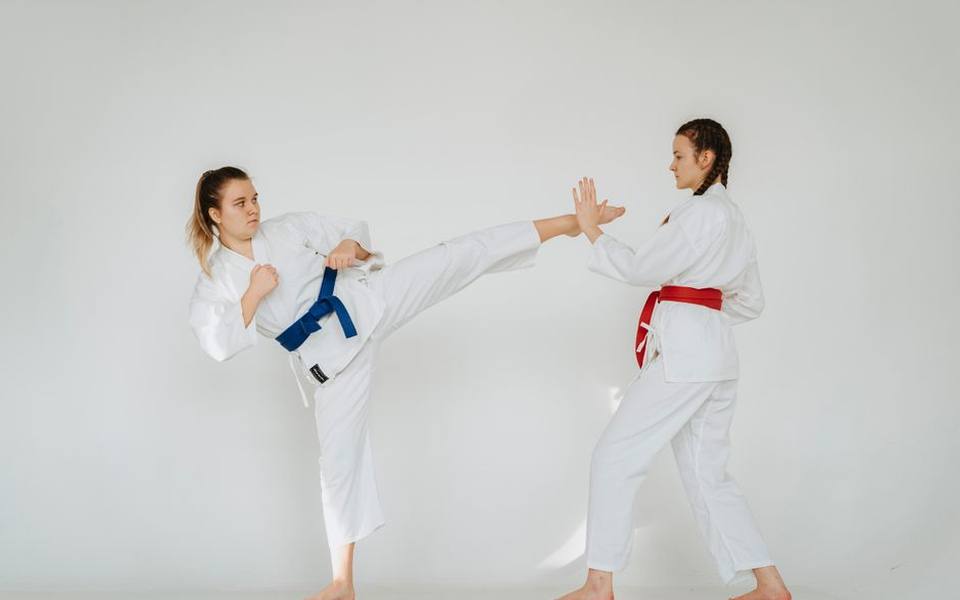
Traditional American kickboxing evolved under distinct sanctioning rules that originally prohibited low kicks to the legs, elbows, and knees, requiring fighters to land strikes strictly above the waist. This format rewards clean footwork, rapid boxing combinations, and flashy, athletic kicks such as spinning back kicks and high roundhouses. Many legacy dojos that grew out of traditional martial arts schools still maintain this clean, point-scoring or full-contact above-the-belt curriculum, often featuring colored belt systems to track student advancement.

In contrast, Dutch-style kickboxing emerged from the Netherlands by fusing Kyokushin karate hardness with Dutch boxing and modified Muay Thai leg kicks. Dutch kickboxing relies heavily on heavy hand combinations designed to shift an opponent's guard before finishing with punishing low roundhouse kicks to the thigh. This devastating, compact style became the bedrock of major international promotions such as Glory Kickboxing, which popularized fast-paced striking under professional rules that permit limited clinch knees alongside punches and kicks.
Knowing these technical lineages matters because gym coaching philosophies mirror them closely. If an academy advertises American kickboxing, you will likely spend significant time on sideways bladed stances, rapid chambered kicks, and strict hand defense. If an instructor comes from a European or Dutch competitive background, expect a squared-up stance, high tight guards, frequent partner drilling of three-to-four punch combinations, and heavy emphasis on thigh conditioning.
Cardio Heavy-Bag Studios Versus Combat Academies
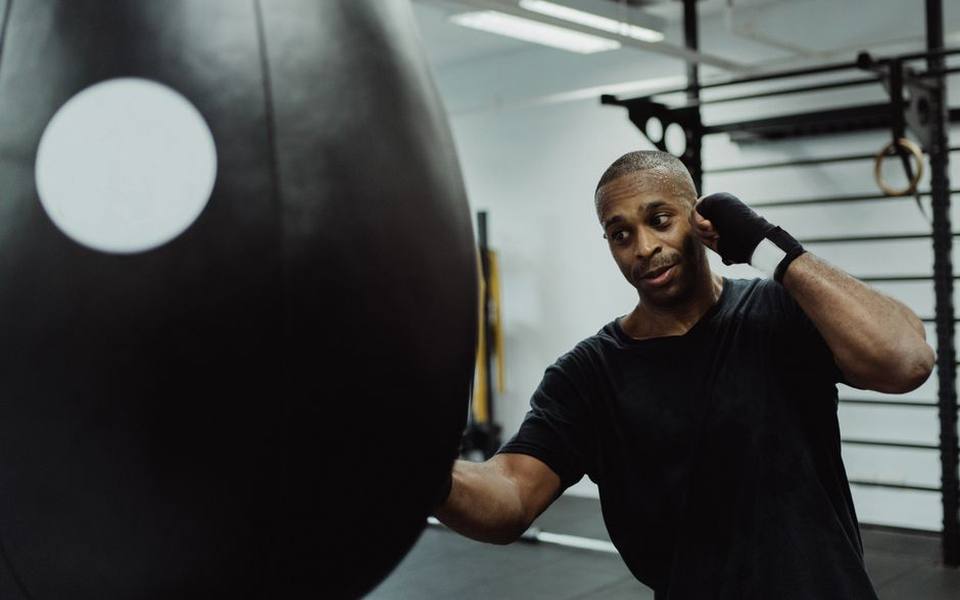
Cardio kickboxing focuses primarily on continuous movement, interval heart-rate spikes, and repetitive striking against freestanding or suspended heavy bags without any human contact. Popularized by boutique franchised studios and independent fitness gyms, these classes eliminate the fear of getting hit while delivering intense aerobic conditioning. Participants perform choreographed striking combinations in synchronized group environments, burning energy and learning basic punch mechanics without needing to learn complex defensive maneuvers or tactical distance management.
Combat striking academies, on the other hand, approach the art from an authentic martial perspective where defense is just as critical as offense. In these environments, students spend considerable time working on footwork angles, slip lines, shell guards, and holding foam target pads for training partners. While you still get a grueling conditioning session, the priority remains technical correctness, impact distribution, balance retention, and preparing students for eventual controlled contact if they choose that pathway.
Neither approach is universally superior; their value depends entirely on individual lifestyle goals. A cardio-first studio offers a zero-intimidation, high-sweat community that fits cleanly into a weekly wellness routine. A technical combat gym demands more mental focus, patience with repetitive form corrections, and physical comfort with close personal space, but it provides tangible martial capability and functional striking mechanics that bag-only fitness programs rarely develop.
Circuit Workouts and Station-Based Training Routines
A prominent subset of modern fitness kickboxing utilizes structured circuit training rather than traditional group instructional classes. In these station-based gyms, members rotate through distinct intervals—often structured as three-minute rounds mirroring a professional championship bout—with brief active recovery breaks between stations. Workouts might pair heavy-bag flurries at one station with kettlebell swings, medicine ball slams, jump rope intervals, or core planks at the next.
The primary appeal of circuit models is scheduling flexibility. Because each round resets continuously, many circuit studios eliminate fixed class start times entirely; you wrap your hands, step onto station one whenever you arrive, and finish your workout after completing the final circuit. A trainer stationed on the floor typically demonstrates the round's combination, corrects gross technical errors, and keeps pace tempo elevated throughout the thirty-minute cycle.
While circuit training provides an exceptionally efficient workout for busy schedules, it limits deep technical instruction. Because trainers must monitor multiple stations simultaneously, they have limited time to refine nuanced hip rotation, weight distribution, or wrist alignment. If your objective is time-efficient sweat and measurable calorie expenditure, circuit models are highly effective, but dedicated martial progress requires longer, coach-led technical classes.
Anatomy of a Typical Kickboxing Workout
A standard sixty-minute session in authentic kickboxing classes generally opens with ten to fifteen minutes of dynamic mobility and cardiovascular warm-ups. Expect jump rope drills, calisthenics, shadowboxing, and joint openers designed to raise core body temperature and loosen tight hamstrings, hips, and shoulders. Instructors use this phase to observe student movement patterns and encourage mental focus before striking impact begins.
The core middle portion of class shifts toward structured partner pad work, heavy-bag intervals, or technical drilling. Instructors break down specific combinations—such as a lead jab followed by a rear cross, lead hook, and rear low kick—demonstrating how kinetic energy travels from the back foot through the hips. Students take turns holding curved focus mitts or Thai pads, an exercise that sharpens timing, accuracy, and defensive reactions just as much as throwing the strikes.
The class typically closes with high-intensity conditioning finishers and cool-down mobility work. Instructors frequently program burnout drills—such as thirty seconds of non-stop straight punches or rapid alternating body kicks—to test stamina under fatigue. A gradual stretching series follows to restore muscle length, lower heart rate safely, and minimize next-day soreness in the lower back, hip flexors, and calves.
Essential Gear and Clothing for Beginners
Walking into your first class requires comfortable, moisture-wicking athletic apparel that allows unrestricted leg movement. Standard gym shorts, compression leggings, and fitted shirts are ideal; avoid loose basketball shorts with deep pockets that can catch toes during kicks, as well as baggy clothing that obscures your posture from the coach. Most striking schools train barefoot on high-density foam mats, although some fitness-oriented studios permit lightweight, clean-soled mat shoes.

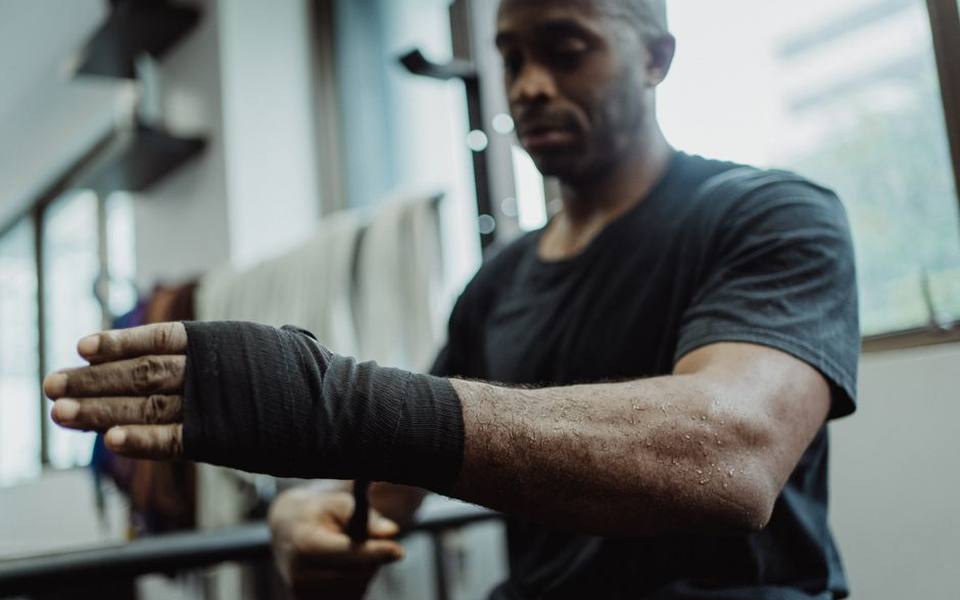
Hand wraps are non-negotiable protective equipment for every participant. A standard 180-inch semi-elastic Mexican-style fabric wrap secures the twenty-seven delicate bones in the human hand, locks the wrist joint in neutral alignment, and pads the knuckles against repeated impact. Slip-on gel wraps are marketed heavily to fitness newcomers for convenience, but traditional woven fabric wraps offer significantly better wrist stabilization once you learn the basic wrapping pattern.
You will also need striking gloves sized appropriately for your body frame and intended class format. Cardio bag studios typically use lightweight 10-ounce or 12-ounce bag gloves designed to cushion the knuckles against vinyl foam. If you train at an authentic striking academy where partner drills and light sparring occur, coaches will require 14-ounce or 16-ounce training gloves, which carry thicker foam padding across the knuckles to protect both your hands and your training partner.
Physical Demands, Conditioning, and Injury Prevention
Striking places unique biomechanical demands on the body that standard weightlifting and steady-state jogging do not replicate. Throwing a proper punch or roundhouse kick requires explosive rotational torque initiated by the feet, transferred through the core, and released through the limb. Beginners often rely excessively on shoulder and arm muscles, leading to premature fatigue and sore neck muscles until they learn to let their hips drive the movement.
Common beginner injuries include wrist sprains, bruised insteps, and strained hip flexors. Wrist issues almost always stem from punching with a bent joint or failing to make clean contact with the two primary index and middle knuckles. Foot and ankle discomfort occurs when novices kick heavy bags with the small bones of their foot rather than the lower third of the dense shin bone. Listening closely to impact alignment cues during initial drills protects joints from unnecessary shock.
Recovery management is essential during your first month of training. Your feet and calves will work hard stabilizing on canvas or tatami mats, and your core muscles will adapt to continuous rotational torque. Starting with two or three sessions per week allows connective tissues to strengthen without triggering overuse tendonitis in the elbows or Achilles tendons.
Evaluating a Facility and Finding the Right Fit
When touring neighborhood gyms, observe the facility's hygiene standards and equipment condition before signing any agreement. Heavy bags should hang securely without torn vinyl or exposed interior sand cores, and floor mats should smell clean and show evidence of daily chemical disinfection. Because striking sports involve heavy perspiration and bare feet, poor mat sanitation creates a breeding ground for skin infections such as ringworm and staphylococcus.
Pay equal attention to class culture and coaching demeanors. In quality gyms, instructors actively move along the mat line offering individual posture corrections, adjusting wrist alignments, and holding pads for beginners rather than just shouting commands from a stage. A positive facility culture feels welcoming to all physical abilities without aggressive machismo or unsafe pressure to engage in contact before mastering basic fundamentals.
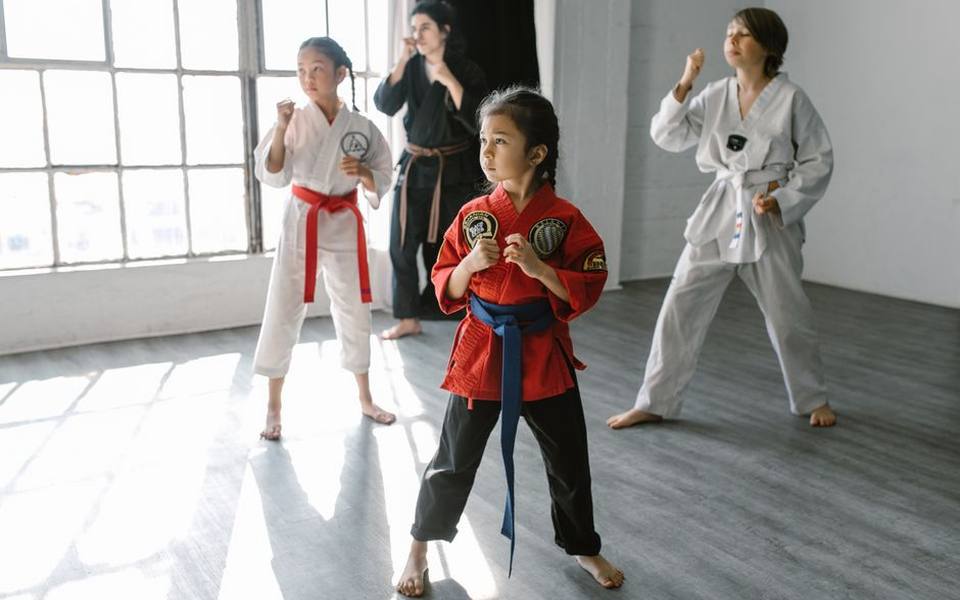
Many established centers also maintain youth divisions or kids martial arts classes alongside adult evening striking programs. If you are seeking an activity that accommodates multiple household members simultaneously, checking for dedicated family martial arts programs allows parents and children to train under the same roof across consecutive schedule blocks.
Sparring Realities, Safety Rules, and Contact Levels
Sparring is never mandatory for general fitness members or beginners, and reputable gyms enforce strict barriers between general instruction and live combat simulation. When you do reach a level where controlled sparring is permitted, it should always be technical, light-contact, and mutually agreed upon. The goal of developmental sparring is practicing distance judgment, defensive timing, and ring vision—not causing physical trauma or proving gym toughness.

Participating in partner contact requires mandatory specialized safety gear beyond basic bag equipment. You must wear a custom-fitted mouthguard, dense synthetic shin guards that shield the tibia and foot instep, a groin protector, and heavy 16-ounce sparring gloves with thick pillowed knuckle foam. Headgear is sometimes utilized in amateur competitive preparation, though its primary function is preventing facial cuts and ear abrasions rather than preventing internal head acceleration.
A healthy gym culture treats sparring partners as collaborative teammates whose safety must be protected. If you observe veteran members aggressively targeting new students or coaches encouraging gym wars without protective discipline, find another facility immediately. Safety protocols, controlled pacing, and mutual respect are the hallmarks of seasoned striking academies.
Membership Costs, Class Packages, and Value
Pricing for kickboxing programs varies significantly based on geographic region, facility overhead, and whether the gym operates as a high-volume boutique fitness studio or an authentic fight team academy. In most metropolitan areas, unlimited monthly memberships typically range from moderate community rates to premium boutique pricing, with family discounts or multi-month commitments commonly adjusting the bottom line.
Before enrolling, ask whether required starter equipment—such as branded gloves, wraps, and uniform apparel—is bundled into an initiation fee or sold separately at retail rates. Fitness franchises frequently require members to purchase proprietary heart-rate monitors or specific branded gloves, which adds to upfront out-of-pocket costs. Clarify whether your agreement is a month-to-month auto-renewing contract or an extended long-term commitment.
Always take advantage of introductory trial classes before signing any paperwork. Most reputable gyms offer a free or low-cost single trial session that allows you to experience the coaching style, verify schedule convenience, assess locker room cleanliness, and gauge how your body responds to the workout before committing financial resources.
Published 2026-09-21 · reviewed with each rebuild, last September 2026.
Find martial arts schools near you
The directory lists 32,877 martial arts schools by state and city — pick your state or use the “Near me” button in the header.
More guides
-
 Owning
Establishing a Proper Heavy Bag Routine and Striking Technique at Home
-
 Safety
Brazilian Jiu-Jitsu for Beginners: Tips, Fundamentals, and Mat Health
-
 Buying
Finding the Right Fit: A Guide to Sizing Your Jiu-Jitsu Uniform and Cross-Training Gear
-
 Money
MoneyHow Much Do Martial Arts Classes Cost? Membership Fees Breakdown
-
 Owning
What Is Mixed Martial Arts? Beginner Overview and Training Guide
-
 Owning
The History, Origins, and Physical Demands of Brazilian Jiu-Jitsu
-
 Owning
Traditional Martial Arts Guide: Understanding Wushu, Silat, and Naginata
-
 Owning
Understanding Mixed Martial Arts for Beginners
-
 Safety
How to Wrap Your Hands for Boxing: Step-by-Step Wrist and Knuckle Protection Guide
-
 Buying
Best Jiu-Jitsu Gis and Apparel: Complete Buyer's Guide and Sizing Chart
-
 Buying
BJJ vs Judo vs Wrestling vs No-Gi: Which Grappling Art Is Right for You?
-
 Buying
How to Choose the Best Jiu-Jitsu and MMA Gym Near You
-
 Owning
Brazilian Jiu-Jitsu for Beginners: Rules, Belt Ranks, and Mat Training
-
 Owning
Martial Arts Belt Ranking Systems: Progression, Orders, and Displays
-
 Buying
Jeet Kune Do: History, Philosophy, and Modern Training Guide
-
 Buying
BJJ Gis and Uniforms Buyer's Guide: Brands, Fit, and Care
-
 Buying
Gracie Jiu-Jitsu Lineages, Academy Networks, and Training Philosophies
-
 Buying
10th Planet Jiu-Jitsu: Complete Guide to the No-Gi System and Academies
-
 Safety
Tai Chi Classes for Seniors: Health Benefits, Styles, and Practice Guide
-
 Owning
Heavy Bag and Boxing Workouts: Home Setup, Gear Selection, and Training Guide
-
 Buying
Adult Karate and Taekwondo Classes: Getting Started and Gi Sizing
-
 Owning
IBJJF Tournaments and Competition Guide: Databases, Rules, and Events
-
 Safety
Custom vs. Boil-and-Bite Mouthguards: Complete Selection and Fitting Guide
-
 Safety
Women's and Adult Self-Defense Training Guide: Techniques, Classes, and Systems
-
 Owning
Traditional Chinese Martial Arts: Shaolin, Wing Chun, Jeet Kune Do, and Gear Guide
-
 Buying
Adult Martial Arts Guide: Choosing the Right Style, Gym, and Training Class
-
 Buying
Filipino Martial Arts, Kenpo, Aikido, and HEMA: Comparing Traditional Combat Styles
-
 Owning
Heavy Bag Workout Guide: Routines, Drills, and Training for Cardio and Weight Loss
-
 Buying
Muay Thai and Cardio Kickboxing Classes: Training, Techniques, and Fitness Programs
-
 Buying
BJJ Gis, Rash Guards, and Apparel: How to Choose, Size, and Care for Jiu-Jitsu Gear
-
 Safety
Women's and Adult Self-Defense Classes: Selecting Programs for Real-World Safety
-
 Owning
Martial Arts Belts and Ranks: Belt Order, Taping, and Display Racks Guide
-
 Safety
Martial Arts Conditioning, High-Kick Mobility, and Protective Gear Guide
-
 Buying
Kids and Toddler Martial Arts: Complete Guide to Classes, Camps, and Family Dojos
-
 Owning
How to Hang a Heavy Bag: Ceiling and Wall Mounting Installation Guide
-
 Buying
Brazilian Jiu-Jitsu Schools, Academies, and Lineages: A Complete Guide
-
 Buying
Martial Arts Gyms, Fitness Studios, and Dojos Directory Guide
-
 Buying
Traditional Martial Arts Styles and Specialized Disciplines Guide
-
 Owning
BJJ and Martial Arts Gi Selection, Sizing, and Equipment Care Guide