Finding Your Path Among Weapons and Traditional Systems
Choosing between weapon-based disciplines and classical striking traditions comes down to what you want out of your time on the mats. Modern combat sports like boxing or kickboxing focus heavily on athletic competition and ring readiness, but traditional arts offer structured weapon mechanics, historical swordplay, intricate joint locks, and rapid close-range self-defense combinations that develop different physical instincts. Knowing how these arts handle range, footwork, and live resistance helps you pick the right studio before spending money on memberships and personal equipment.
Each lineage developed in response to specific cultural environments and battlefield needs. Filipino systems emerged from survival against blade-wielding attackers, while Historical European Martial Arts reconstructs medieval and Renaissance fencing treatises. Meanwhile, hybrid styles like Kenpo adapt classical Asian striking into rapid-fire self-defense sequences tailored for street encounters. Exploring traditional martial arts schools gives beginners a realistic view of how philosophy, heritage, and physical conditioning blend across different dojo floors.
As you visit local clubs, look past decorative wall weapons and focus on how classes are structured. Quality schools explain why specific body alignments work against an uncooperative partner rather than relying solely on memorized choreography. While some students want the cardiovascular intensity of competitive sparring, others prefer the joint preservation and deliberate geometry found in classical locks and weapon drills. Clarifying your personal goals early keeps your training sustainable and engaging over years of practice.
Stick, Blade, and Empty Hand: Filipino Martial Arts
Filipino martial arts, known broadly as Kali, Arnis, or Eskrima, take a unique approach to self-defense by teaching weapon manipulation before empty-hand combat. Beginners start with single or double rattan sticks, learning coordinated angles of attack, deflections, and disarms that translate directly into knife defense and open-hand striking. By starting with weapons, practitioners develop spatial awareness, hand speed, and an acute understanding of distance that standard unarmed boxing rarely emphasizes in early stages.
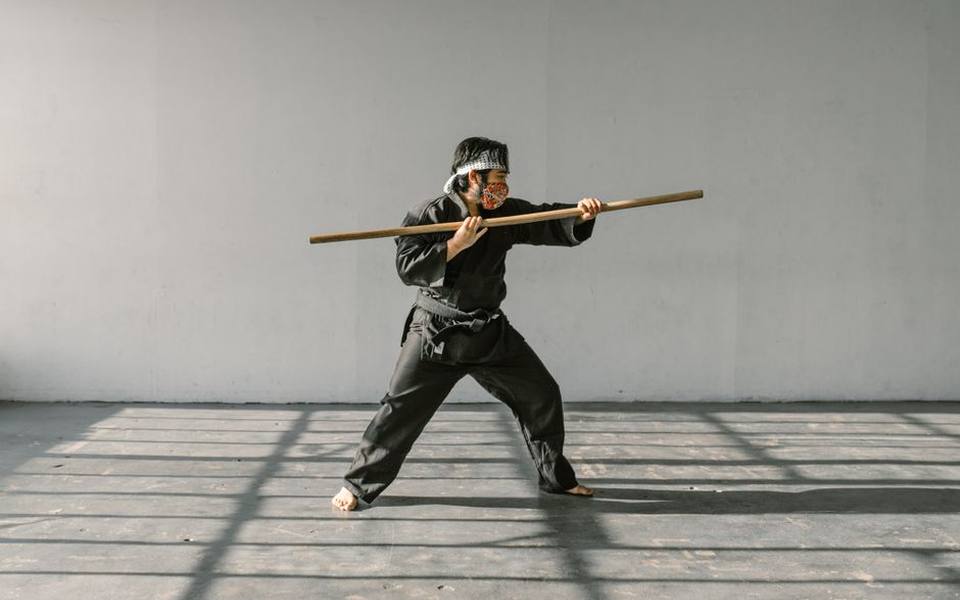
Training drills in these systems rely heavily on flowing partner patterns called hubud and sinawali. These continuous rhythm drills teach you to track incoming angles without freezing, clear the opponent's limbs, and simultaneously counterattack. As your timing sharpens, the wooden sticks give way to blunt training blades and empty-hand applications known as panantukan or dirty boxing, where hammerfists, low kicks, and joint destructions form the core methodology.
Gear requirements in Kali classes typically start modestly with a pair of rattan sticks and light eye protection. Over time, students who progress to full-contact stick sparring invest in padded fencing helmets, thick leather gloves, and forearm guards to withstand heavy contact. Because the discipline builds exceptional peripheral vision and ambidextrous coordination, it serves as a common cross-training discipline for students who also explore mixed martial arts gyms and training programs.
Speed, Angles, and Rapid Combinations in Kenpo and Kempo
Kenpo, often spelled interchangeably as Kempo depending on lineage, blends traditional Chinese kung fu circular maneuvers with linear Japanese Okinawan karate strikes. The spelling difference between kenpo kempo usually indicates cultural transmission through Hawaii, Japan, or the mainland United States, though both systems prioritize rapid-fire combinations delivered from upright, natural stances. The primary premise of martial arts kempo is overwhelming an aggressor with continuous strikes aimed at vital targets before they can reset their balance.
In a standard kenpo karate session, students practice choreographed self-defense routines against hypothetical assaults such as lapel grabs, pushes, and wild punches. Rather than trading single heavy blows, practitioners learn to strike four or five times in rapid succession, shifting angles along an imaginary clock pattern on the floor. This spatial geometry helps students step off the line of an attack while counter-striking vulnerable anatomical landmarks.
Instruction across kenpo martial arts studios varies widely depending on whether the head instructor favors traditional kata or practical sparring. Some schools maintain deep roots in classical forms and rigid stances, while others integrate kickboxing pads and grappling counters. When evaluating a program, observe whether students practice techniques against resisted grabs and varied pacing, which ensures the fast hand sequences remain functional beyond prearranged partner demonstrations.
The Geometry and Logic of American Kenpo
American kenpo was developed by Ed Parker in the mid-twentieth century as an analytical, scientifically structured system tailored to modern self-defense scenarios. Parker organized techniques around biomechanical principles, using specific rules of motion, borrowed force, and directional zoning to dismantle attackers systematically. Students learn how an opponent's body naturally reacts to a specific strike—such as bending forward from a solar plexus blow—and place follow-up strikes directly where the target inevitably lands.
The curriculum in American Kenpo studios follows a meticulously documented sequence of forms and self-defense techniques that increase in complexity across belt ranks. Training often involves analyzing techniques through three stages: ideal phase, what-if phase, and formulation phase. This analytical framework encourages practitioners to adapt techniques when an attacker alters their angle, pulls away, or counters with a secondary strike, preventing the rigid memorization that plagues some traditional formats.
While American Kenpo classes can be physically demanding due to high-repetition hand drills and footwork maneuvers, they remain accessible to adults of varying fitness levels. Training rarely requires high acrobatic kicks, making it popular among students seeking practical personal protection. Academies across the country, especially throughout large metro hubs in California martial arts schools, continue to preserve this distinctive, highly detailed system of street defense.
Joint Locks, Blending Energy, and Japanese Aikido Clubs
Founded by Morihei Ueshiba in twentieth-century Japan, Aikido focuses on harmonizing with an attacker's momentum rather than clashing directly with their force. In dedicated aikido clubs, students spend significant time learning how to yield, pivot, and redirect linear strikes and wrist grabs into circular throws and joint locks. The discipline emphasizes non-violent resolution and personal discipline, making it vastly different in philosophy and physical experience from aggressive combat sports.
A hallmark of any Aikido curriculum is the study of ukemi, the art of falling and rolling safely to the tatami mat without injury. Because techniques culminate in sweeping projections or abrupt wrist manipulations like kote gaeshi and ikkyo, mastering ukemi is essential for self-preservation during daily practice. For many adults, developing this fluid relationship with the ground improves balance, flexibility, and physical confidence more than repetitive weight lifting.
Because classical Aikido generally avoids competitive sparring or resistance-based contests, prospective students should understand its intended benefits before enrolling. The art excels at developing postural awareness, calm decision-making under stress, and joint mobility, but it requires patience and years of practice to apply against unscripted, fast-paced aggression. Visiting an open mat session lets you observe whether the club's culture leans toward philosophical martial study or practical defensive application.
Reconstructing Combat Manuals in Historical European Martial Arts
Historical European Martial Arts, commonly abbreviated as HEMA, is a modern combat revival based on surviving medieval and Renaissance fight books. Unlike traditions handed down through an unbroken lineage of living masters, HEMA practitioners study treatises written by historical figures like Johannes Liechtenauer, Fiore dei Liberi, and Achille Marozzo. By translating these historical texts into active drills, practitioners reconstruct centuries-old systems of longsword, rapier, sword and buckler, and dagger combat.
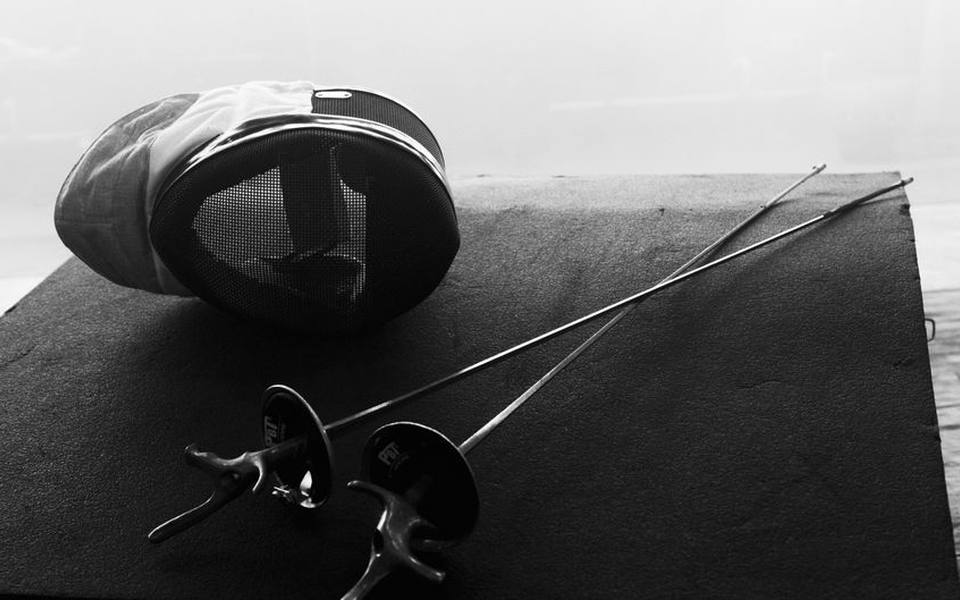
Modern HEMA is distinguished by its blend of academic research and vigorous full-contact sparring. Practitioners wear heavy padded jackets, articulated hard plastic shells, puncture-resistant fencing masks, and specialized clamshell gauntlets designed to absorb steel weapon impacts. Steel practice swords, known as feders, feature flexible blades and rolled tips that allow fencers to deliver full-speed cuts and thrusts safely during competitive matches and technical partner drills.
Training in HEMA challenges modern misconceptions created by television and cinema regarding heavy, clumsy medieval weaponry. A balanced two-handed longsword typically weighs under three pounds and demands sharp timing, edge alignment, and sophisticated leverage in the bind. Dedicated clubs operate throughout the United States, including numerous active communities across Texas martial arts schools, welcoming history enthusiasts and athletes who want an authentic, sword-centered combat discipline.
Korean Lineage and Classical Striking in Tang Soo Do
Tang Soo Do is a classical Korean striking art that shares historical roots with early Shotokan karate and indigenous Korean kicking methods. Often recognized as the traditional forerunner to modern Olympic Taekwondo, Tang Soo Do maintains a heavier emphasis on balance, deep stances, hand strikes, and self-defense hygiene over tournament point-fighting. Practitioners wear traditional white doboks and practice forms, known as hyung, that condition the muscles and instill disciplined body mechanics.
Kicking in Tang Soo Do is renowned for its elevation, speed, and precision. Students develop flexible hips and powerful core engagement through repetitive jumping front kicks, spinning hook kicks, and side thrusts. However, unlike systems that neglect hand work, Tang Soo Do retains an extensive catalog of palm strikes, ridge hands, and open-handed blocks derived from ancient regional influences, making its syllabus well-rounded for upright engagement.
Because of its structured discipline, clear belt milestones, and strong focus on character development, the system is especially popular for younger students in structured kids martial arts classes. Adults also appreciate the traditional etiquette and progressive conditioning that build endurance without the constant head trauma associated with professional combat sports. Belt promotions typically require demonstrations of forms, breaking boards, and controlled partner sparring.
Intercepting Fist: Bruce Lee’s Philosophy and JKD Martial Arts
Jeet Kune Do, conceptualized by Bruce Lee in the late 1960s, represents an evolutionary philosophy rather than a fixed, rigid style. Translating as the way of the intercepting fist, jkd martial arts stripped away rigid ritualistic stances and flowery movements in favor of directness, efficiency, and personal adaptability. The system combines the lead-hand speed of western fencing, the mechanics of western boxing, and the close-range trapping methods of Wing Chun kung fu.
In a legitimate JKD academy, instruction centers around economy of motion and range management. Students learn to attack the closest target with the nearest weapon, using lead-hand straight blasts, low shin kicks, and elusive head movement to neutralize attacks before they fully develop. Trapping hands—known as pak sao and lop sao—are trained as momentary clearing maneuvers to open a path for striking, rather than endless stationary hand games.
Modern JKD programs often split into two pedagogical camps: Original JKD, which preserves Bruce Lee’s specific curriculum from his Oakland and Chinatown eras, and JKD Concepts, which applies Lee’s philosophy by constantly integrating functional elements from Muay Thai, Brazilian Jiu-Jitsu, and Filipino stick arts. Exploring both perspectives helps prospective students decide whether they prefer historical preservation or dynamic cross-training.
Biomechanics and Fluid Tension in Russian Martial Arts
Russian martial arts encompass two distinct paths that often confuse newcomers: competitive Combat Sambo and the fluid, non-classical methodology of Systema. Sambo is a rugged, highly practical Soviet military art combining jacket wrestling, aggressive takedowns, leg locks, and kickboxing strikes. In contrast, Systema prioritizes physiological relaxation, continuous breathwork, and biomechanical evasion, training students to absorb and redirect incoming blunt force without freezing under panic.
Systema classes typically bypass uniforms, belts, and standardized forms. Instead, training sessions explore natural human movement, balance recovery, and situational improvisation while navigating unpredictable physical threats. Drills frequently involve defending against multiple attackers, escaping ground pins without relying purely on muscular tension, and defusing physical stress through rhythmic breathing protocols developed for extreme military scenarios.
Because these methods deviate sharply from conventional martial arts drills, visiting a live session is the best way to understand how instructors deliver material. Combat Sambo demands significant athletic conditioning and resilience against hard throws, while Systema focuses on personal awareness and physical restoration. Both approaches teach practitioners to manage fear and preserve mobility during chaotic physical confrontations.
Sparring Gear, Conditioning, and Safety Across Different Traditions
The gear required across traditional and weapon-based combat systems varies substantially depending on the contact level of the chosen discipline. Aikido practitioners need little more than a sturdy cotton judogi and eventually a pleated hakama, keeping initial equipment costs minimal. In contrast, Filipino martial arts students need eye protection, hand padding, and protective rattan gear, while HEMA practitioners invest in high-puncture-rated jackets, back-of-head protection, and certified fencing masks.
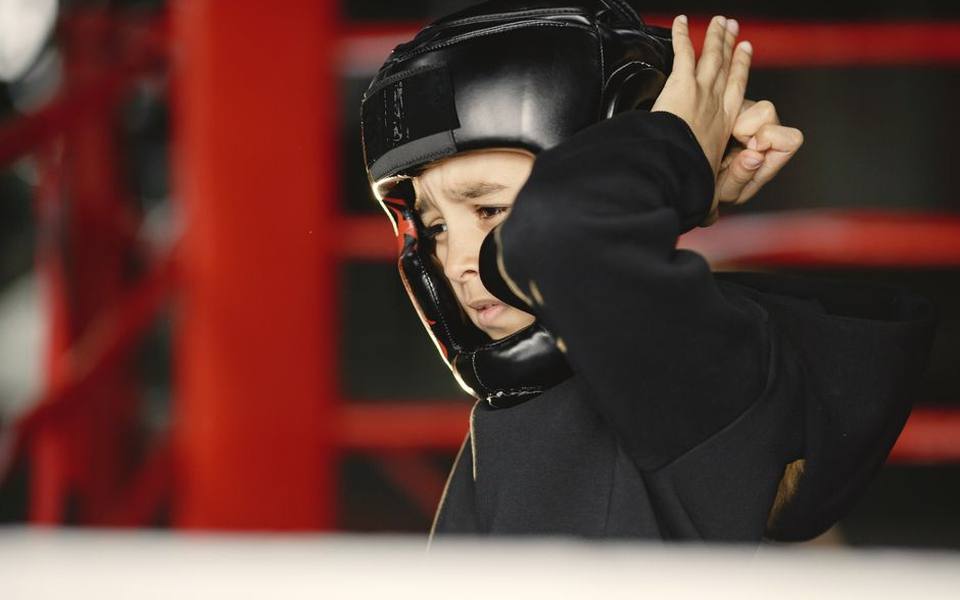
Safety protocols dictate how effectively you can train over months and years without sustaining avoidable injuries. High-quality dojos mandate calibrated contact levels during partner drills, ensuring beginners develop accurate distance control before engaging in free sparring. Instructors who emphasize proper joint alignment and controlled deceleration during locks protect their students' shoulders, wrists, and elbows from cumulative strain over extended training cycles.
Physical conditioning also takes diverse forms across these arts. Tang Soo Do and Kenpo challenge cardiovascular endurance and leg strength through deep stances and high-output striking sets. HEMA demands explosive lunges, shoulder endurance, and grip stamina to manipulate weighted steel swords, while Aikido challenges core stability and flexibility through continuous breakfalls and roll recoveries.
Choosing the Right Dojo or Academy for Your Goals
Finding the right school involves auditing the culture of the room just as much as comparing belt curricula. When visiting prospective dojos, observe how senior students interact with white belts and beginners. A supportive training environment is characterized by clear communication, humble instructors, and an emphasis on mutual safety, whereas gyms driven by aggressive egos or secretive rank structures often see high student turnover and frequent training injuries.
Be sure to ask practical administrative questions regarding membership contracts, test fees, and equipment purchase policies. Reputable clubs are transparent about monthly dues, which typically range between $100 and $200 per month depending on location, facility size, and weekly class frequency. Be cautious of programs that demand long-term non-refundable commitments before you have experienced an introductory trial class or evaluated how your schedule aligns with the training calendar.
Ultimately, the best traditional martial art is the one that keeps you consistently showing up week after week. Whether you find passion in the rhythmic stick flow of Filipino Kali, the historical swordcraft of European masters, or the rapid-fire precision of American Kenpo, staying committed to patient, continuous practice provides lifelong physical confidence, mental clarity, and practical skill.
Published 2026-09-21 · reviewed with each rebuild, last September 2026.
Find martial arts schools near you
The directory lists 32,877 martial arts schools by state and city — pick your state or use the “Near me” button in the header.
More guides
-
 Owning
Establishing a Proper Heavy Bag Routine and Striking Technique at Home
-
 Safety
Brazilian Jiu-Jitsu for Beginners: Tips, Fundamentals, and Mat Health
-
 Buying
Finding the Right Fit: A Guide to Sizing Your Jiu-Jitsu Uniform and Cross-Training Gear
-
 Money
MoneyHow Much Do Martial Arts Classes Cost? Membership Fees Breakdown
-
 Owning
What Is Mixed Martial Arts? Beginner Overview and Training Guide
-
 Owning
The History, Origins, and Physical Demands of Brazilian Jiu-Jitsu
-
 Owning
Traditional Martial Arts Guide: Understanding Wushu, Silat, and Naginata
-
 Owning
Understanding Mixed Martial Arts for Beginners
-
 Safety
How to Wrap Your Hands for Boxing: Step-by-Step Wrist and Knuckle Protection Guide
-
 Buying
Best Jiu-Jitsu Gis and Apparel: Complete Buyer's Guide and Sizing Chart
-
 Buying
BJJ vs Judo vs Wrestling vs No-Gi: Which Grappling Art Is Right for You?
-
 Buying
How to Choose the Best Jiu-Jitsu and MMA Gym Near You
-
 Owning
Brazilian Jiu-Jitsu for Beginners: Rules, Belt Ranks, and Mat Training
-
 Buying
Kickboxing Classes & Cardio Fitness Workouts Guide
-
 Owning
Martial Arts Belt Ranking Systems: Progression, Orders, and Displays
-
 Buying
Jeet Kune Do: History, Philosophy, and Modern Training Guide
-
 Buying
BJJ Gis and Uniforms Buyer's Guide: Brands, Fit, and Care
-
 Buying
Gracie Jiu-Jitsu Lineages, Academy Networks, and Training Philosophies
-
 Buying
10th Planet Jiu-Jitsu: Complete Guide to the No-Gi System and Academies
-
 Safety
Tai Chi Classes for Seniors: Health Benefits, Styles, and Practice Guide
-
 Owning
Heavy Bag and Boxing Workouts: Home Setup, Gear Selection, and Training Guide
-
 Buying
Adult Karate and Taekwondo Classes: Getting Started and Gi Sizing
-
 Owning
IBJJF Tournaments and Competition Guide: Databases, Rules, and Events
-
 Safety
Custom vs. Boil-and-Bite Mouthguards: Complete Selection and Fitting Guide
-
 Safety
Women's and Adult Self-Defense Training Guide: Techniques, Classes, and Systems
-
 Owning
Traditional Chinese Martial Arts: Shaolin, Wing Chun, Jeet Kune Do, and Gear Guide
-
 Buying
Adult Martial Arts Guide: Choosing the Right Style, Gym, and Training Class
-
 Owning
Heavy Bag Workout Guide: Routines, Drills, and Training for Cardio and Weight Loss
-
 Buying
Muay Thai and Cardio Kickboxing Classes: Training, Techniques, and Fitness Programs
-
 Buying
BJJ Gis, Rash Guards, and Apparel: How to Choose, Size, and Care for Jiu-Jitsu Gear
-
 Safety
Women's and Adult Self-Defense Classes: Selecting Programs for Real-World Safety
-
 Owning
Martial Arts Belts and Ranks: Belt Order, Taping, and Display Racks Guide
-
 Safety
Martial Arts Conditioning, High-Kick Mobility, and Protective Gear Guide
-
 Buying
Kids and Toddler Martial Arts: Complete Guide to Classes, Camps, and Family Dojos
-
 Owning
How to Hang a Heavy Bag: Ceiling and Wall Mounting Installation Guide
-
 Buying
Brazilian Jiu-Jitsu Schools, Academies, and Lineages: A Complete Guide
-
 Buying
Martial Arts Gyms, Fitness Studios, and Dojos Directory Guide
-
 Buying
Traditional Martial Arts Styles and Specialized Disciplines Guide
-
 Owning
BJJ and Martial Arts Gi Selection, Sizing, and Equipment Care Guide