Understanding the Essential Jiu-Jitsu Wardrobe
Choosing gear for Brazilian Jiu-Jitsu requires balancing fabric durability, mobility, academy dress codes, and comfort under extreme friction. Whether you train in a traditional cotton kimono or focus entirely on no-gi submission grappling, the apparel you wear acts as both armor against mat burns and a functional tool during live sparring. Beginners often feel overwhelmed by dense weave specifications, varying sizing charts, and competing perspectives on what constitutes acceptable mat wear.
A complete training wardrobe typically splits into two categories: gi gear and no-gi gear. Gi practitioners wear a heavy cotton jacket, reinforced pants, and a rank belt, while no-gi athletes train in moisture-wicking compression shirts, grappling shorts, and spats. Because daily sparring involves aggressive pulling and gripping, casual athletic clothing like running shorts or gym tees will rip quickly and can endanger your training partners by catching fingers and toes in loose pockets.
Before buying multiple kits, it helps to understand how different academies structure their curriculum across both styles. Many traditional programs expect students to begin exclusively in uniform jackets, while others encourage hybrid training schedules that alternate throughout the week. Investing in well-constructed base layers and a dependable uniform from the start ensures that you spend your class time focusing on technique rather than adjusting poorly fitted gear.
Setting realistic expectations around gear longevity will also protect your wallet over time. Jiu-Jitsu apparel absorbs tremendous amounts of sweat, body heat, and mechanical tension on a nightly basis. While a basic uniform will usually survive several years of steady rotation, compression layers and lightweight jackets demand conscientious washing habits and thoughtful sizing to prevent premature fabric failure.
Selecting Your First Training Uniform
When purchasing your first kimono, prioritizing structural simplicity and rugged durability serves you far better than chasing elaborate embroidery or specialty weaves. A dedicated beginner uniform typically utilizes a single weave or standard pearl weave cotton jacket weighing roughly 350 to 450 grams per square meter. These starter garments deliver ample grip resistance without feeling excessively heavy during exhausting warm-ups.
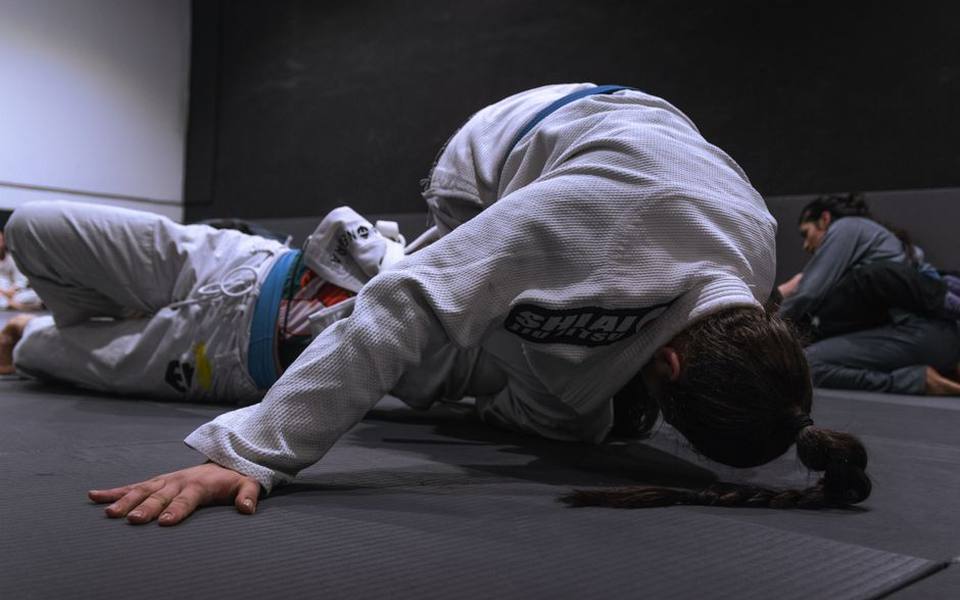
Pants in beginner sets generally feature ten-ounce cotton drill or ripstop fabric reinforced with extra stitching at the knees. Drawstring systems usually rely on either a flat cotton tape or a round bungee cord; round stretchy cords stay tied more reliably during continuous ground movement. Starting your journey through structured jiu-jitsu fundamentals and beginner classes is much easier when you are not constantly stopping to re-tie loose trousers.
Price points for entry-level uniforms vary depending on brand reputation and cotton source, but practical starters remain relatively affordable. Resist the temptation to buy generic judo or karate suits from big-box sporting goods chains, as their collars lack the thick internal EVA foam needed to resist collar chokes, and their sleeves are tailored too broadly for submission defense.
A quality starter kit should feel snug across the shoulders while allowing a full range of arm rotation without hiking the jacket skirt above your hips. By choosing a modest, well-reviewed introductory suit, you establish a reliable baseline against which you can evaluate lighter competition jackets or specialized cuts later in your training progression.
The Significance and Practicality of the Classic White Uniform
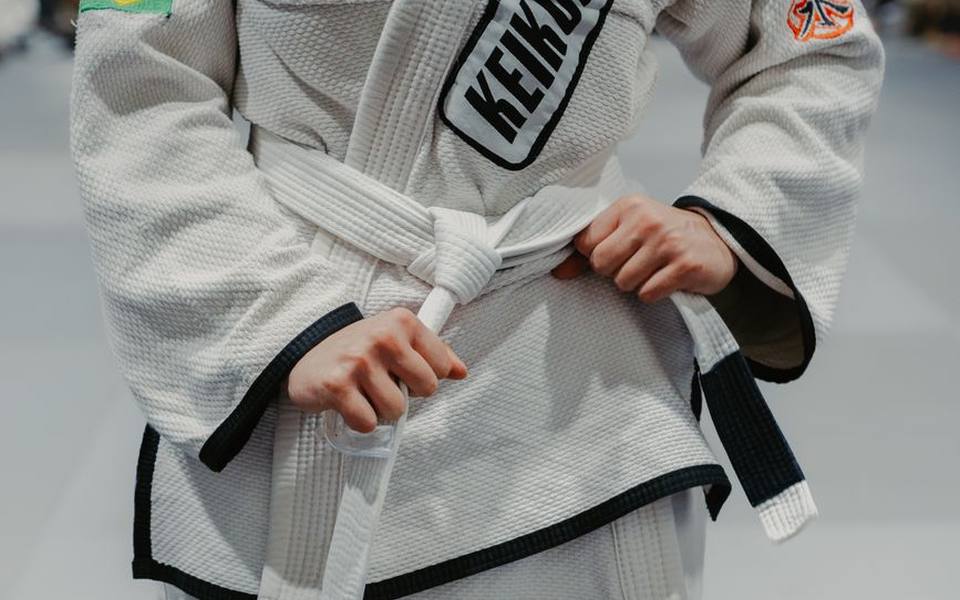
The traditional white kimono remains the undisputed standard across academies worldwide, honoring the martial art's historical roots while establishing visual unity on the mats. Many traditional schools mandate pure white attire for all regular training sessions, promotion ceremonies, and seminars. Entering an established academy in clean white gear demonstrates respect for the lineage and ensures you align with the school dress code from day one.
Beyond historical etiquette, a pristine white suit provides practical advantages during training. Bleach-free stain removers and oxygen-based sanitizers keep white cotton bright without degrading fiber integrity over time. In warmer gym environments, unbleached natural white fabrics often feel slightly softer and breathe more naturally than garments treated with intense chemical dyes and multiple post-weaving wash processes.
Choosing a white kit is almost mandatory if you plan to visit other regional facilities or travel for cross-training. While training across diverse dedicated Brazilian Jiu-Jitsu programs, wearing an unadorned white uniform ensures you never violate club policies that prohibit colored garments, unapproved patches, or non-traditional accents on guest students.
Maintaining a white jacket does demand diligent hygiene routines to prevent dull graying or sweat collar rings. Rinsing your uniform immediately after class and washing it with color-safe brightening detergents keeps the material crisp and professional. With sensible laundering care, a traditional white uniform remains an essential, timeless centerpiece of any grappler's equipment bag.
Tournament Compliance and Regulatory Standards
Entering sanctioned tournaments introduces strict garment criteria governed by sanctioning bodies like the International Brazilian Jiu-Jitsu Federation. Competition inspectors measure uniform jacket length, sleeve clearance, collar thickness, and trouser cuffs using dedicated inspection gauges. Stepping onto the tournament bullpen floor with an illegal uniform can result in immediate disqualification if you cannot replace the offending piece within minutes.
Regulation competition suits must fall within exact color brackets: solid white, royal blue, or deep black. Mixed colors, such as a black jacket paired with white pants, are strictly forbidden on the competition stage. Furthermore, jackets must reach down to the mid-thigh, lapels must match standardized millimeter thickness tolerances, and sleeves must stop within predetermined centimeters of the wrist bone when arms extend forward.
Patch positioning is equally regulated under official tournament rulebooks. Fabric patches cannot sit across lapels where they could interfere with an opponent's legal grip, nor can they wrap around lower pant hems or sleeve openings. If you intend to compete, buying a tournament-approved uniform with clean shoulders and empty lower lapels avoids the last-minute stress of stripping off team patches with seam rippers at the venue check-in.
Lightweight competition models, exemplified by designs inspired by high-mobility brands like Hyperfly Jiu Jitsu, utilize targeted ripstop fabrics and light pearl weaves to help athletes make weight cutoffs. These competition-tuned garments shave ounces off your total scale weight while conforming rigorously to federation inspection standards.
Aesthetic Gis, Modern Weaves, and Expressive Cuts
As the grappling community expanded, a vibrant subculture of expressive, stylish kimonos emerged alongside strict traditional gear. Practitioners who train at relaxed academies often gravitate toward eye-catching uniforms featuring interior sublimated lining, contrast stitching, military-inspired ripstop weaves, and custom embroidery. Owning an awesome, distinctive uniform adds personality to open mat sessions and lets you showcase your creative side during everyday rolling.
Modern fabric weaves heavily influence the overall feel and visual drape of these expressive suits. Gold weaves offer a balance of plush softness and dense heft, while honeycomb and basket weaves provide textured grips that make it difficult for opponents to establish firm sleeve control. Heavier double weaves, although rarely worn in modern sports arenas, provide an almost armor-like rigidity that exhausts an opponent's finger tendons.
Interior jacket liners, often made from printed rash guard lycra, feature detailed artwork ranging from classical Japanese waves to abstract geometric patterns. While these liners feel silky against bare skin and prevent chafing, they add noticeable warmth and weight to the uniform. Grapplers training in humid, un-airconditioned spaces may find lined jackets uncomfortably warm during prolonged summer sparring blocks.
When evaluating expressive jackets, inspect the structural seams along the armpits and side slits rather than focusing purely on external graphics. The coolest design quickly loses its charm if the lapel core wrinkles after two washes or the decorative shoulder embroidery abrades your neck during collar ties. Quality manufacturing balances aesthetics with rugged seam construction.
Personalization, Academy Patches, and Custom Tailoring
Customizing a uniform allows practitioners to represent their home academy, affiliation lineage, and personal sponsors with pride. Most school owners provide embroidered woven patches that students sew onto chest panels, back shoulders, and upper pant thighs. Affixing these identifiers creates an immediate sense of belonging and strengthens team identity during regional tournaments and inter-school open mats.
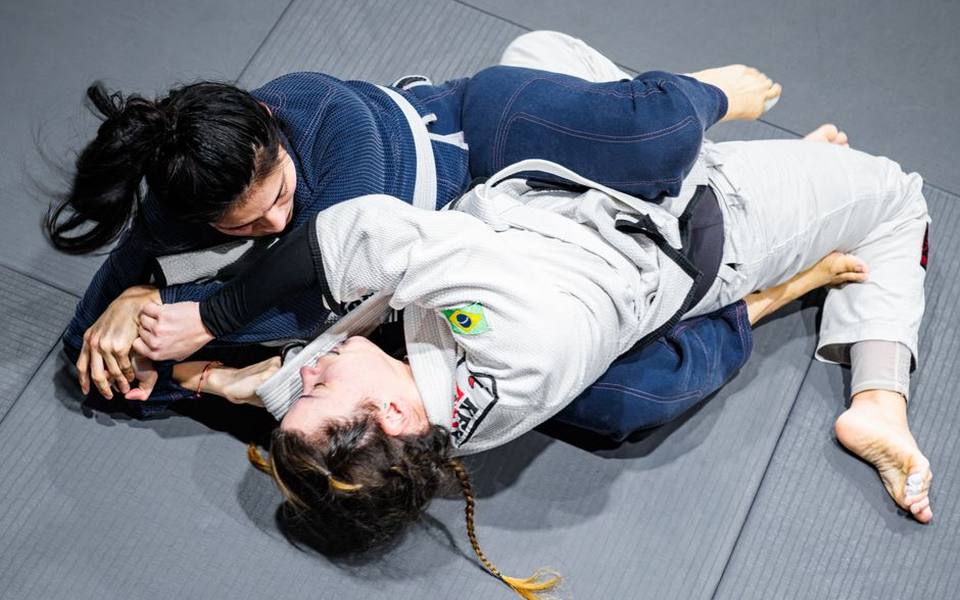
Attaching patches correctly requires heavy-duty polyester thread and a reinforced zig-zag or box stitch around all perimeter edges. Standard sewing needles and light cotton threads will snap instantly under the torque of an aggressive cross-collar grip. Many practitioners take their uniforms to local shoe repair shops or heavy garment alteration tailors equipped with commercial sewing machines capable of penetrating thick collar layers.
Fully custom-manufactured kimonos represent the ultimate tier of personalization, offering custom sleeve lengths, tapered abdominal cuts, and tailored leg drops. Grapplers with non-standard body proportions, such as long limbs paired with narrow torsos, benefit significantly from custom sizing options that eliminate the excess baggy cloth typical of mass-produced off-the-rack sizes.
Keep in mind that overly aggressive custom modifications can void tournament legality if the hem dimensions fall outside federation allowances. Always measure your jacket after alterations to confirm you maintain adequate sleeve clearance. Thoughtful tailoring produces a professional, clean silhouette that optimizes movement without compromising structural integrity.
Technical Compression Gear and No-Gi Essentials
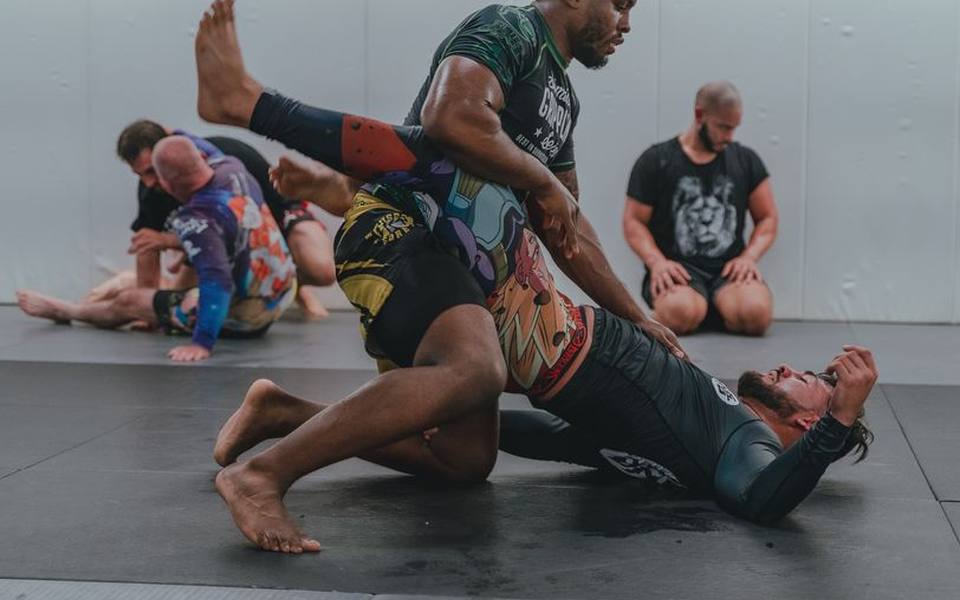
No-gi submission grappling relies on advanced synthetic apparel engineered to withstand constant skin-on-mat friction while managing extreme sweat. A dedicated rash guard serves as the fundamental layer in this discipline, acting as a physical barrier against mat-borne bacteria, ringworm, and abrasive mat burns. High-density polyester and elastane blends compress muscle groups, reduce friction-induced skin tears, and keep body temperatures regulated during intense rounds.
Quality no-gi apparel depends heavily on panel construction and stitching techniques. Look for flatlock four-way stitching that sits completely flush against the skin, preventing painful chafing across the armpits and chest. Foundation compression models, such as those popularized by brands like Gold BJJ with their thick foundation series, feature reinforced 250+ GSM fabric weights that do not become sheer or stretch out of shape when soaked with sweat.
Grappling shorts accompany your compression tops and differ fundamentally from standard gym or board shorts. Dedicated no-gi shorts feature zero exterior pockets, zippers, or exposed plastic hardware that could snare an opponent's fingers or scrape their skin. Elastic waistbands supported by internal silicone grip bands and internal drawstring closures ensure your shorts remain securely locked around your waist throughout inverted guards and explosive wrestling takedowns.
Participating in regular Brazilian Jiu-Jitsu classes often means carrying both rash guards and traditional uniforms in your training bag. Even under a cotton jacket, wearing a lightweight compression layer protects your skin from heavy collar rubbing and absorbs excess sweat, prolonging the cleanliness and fiber life of your outer kimono.
Sizing Frameworks and Getting the Proper Fit
Navigating jiu-jitsu sizing charts differs completely from selecting standard street clothes. Adult male and unisex uniforms utilize an 'A' sizing scale ranging from A0 up to A5, based on height and weight matrices. Women's specific cuts commonly employ an 'F' or 'W' system designed with narrower shoulders, tailored waists, and broader hip room, while youth gear follows an 'M' or 'C' sizing scale.
Intermediate sizing categories, such as A1L (A1 Long) or A2H (A2 Heavy), provide vital options for non-standard builds. An A1L uniform features the chest and waist measurements of an A1 combined with the sleeve and pant length of an A2, making it ideal for tall, slender athletes. Conversely, 'H' sizes cater to broader, stockier grapplers who need chest circumference without dragging excess sleeve fabric over their wrists.
When your new uniform arrives, try it on before washing it, but anticipate a modest amount of shrinkage. Unwashed cotton uniforms typically shrink anywhere from three to seven percent over their first three cold-water washes and hang-dry cycles. If the sleeve cuffs sit right at your wrist bone straight out of the package, warm washing could pull them past your forearm, rendering the suit tight and uncomfortable.
Compression wear sizing demands a different mindset: rash guards should fit like a second skin without restricting respiratory expansion or digging into armpits. If a compression top rides up your torso when you reach your arms overhead, you need a longer torso cut or one size larger. A snug, locked-in fit prevents your gear from shifting during fast-paced scrambles.
Local Pro Shops versus Online Specialty Suppliers
Deciding where to buy your equipment involves weighing immediate fitting convenience against wide catalog variety. Visiting an independent martial arts supply store allows you to physically feel the weave density, test collar rigidity, and try on different brand cuts before spending money. Local pro shop staff often train actively and can provide candid advice regarding how specific cotton blends hold up against local wash-water conditions.
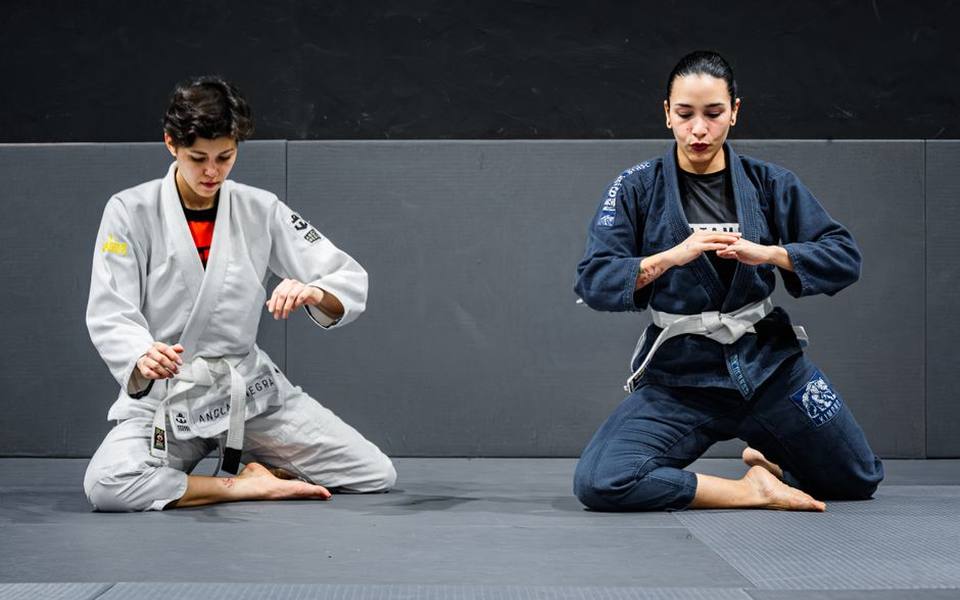
Academy front desks also carry branded starter uniforms and team gear. Buying directly through your gym supports your instructors and guarantees that the uniform conforms to the specific academy dress code. While gym-branded gear may cost slightly more than generic online starter suits, it eliminates guesswork regarding patch requirements and color restrictions.
Specialty online grappling retailers provide the broadest selection of boutique cuts, competition-specific models, and technical rash guards. However, ordering apparel online requires meticulous attention to manufacturer sizing charts and flexible return policies. Sizing varies considerably between manufacturers; an A2 cut from an American lifestyle label may fit significantly looser than an A2 from a traditional Japanese competition manufacturer.
If you train at dedicated Brazilian Jiu-Jitsu academies, ask training partners of similar height and build about their preferred brands and sizes. Trying on a teammate's freshly laundered jacket skirt or examining their rash guard construction will give you far more practical insight than reading marketing descriptions on an e-commerce website.
Washing, Sanitizing, and Prolonging Apparel Life
The golden rule of mat hygiene is absolute: never let dirty gear sit overnight in an unzipped gym bag. Damp training apparel creates an ideal breeding ground for staph bacteria, ringworm spores, and permanent mildew odors that set deep into dense cotton fibers. Unpack your gear immediately upon returning home, hang it if you cannot run the wash cycle right away, and wash it within twenty-four hours.
Always wash your kimonos and technical rash guards in cold water with an enzyme-based sports detergent. Hot water breaks down the synthetic elasticity of compression fabrics, weakens the rubberized collar cores inside jackets, and triggers aggressive shrinkage in woven cotton. Avoid fabric softeners entirely, as they leave a waxy chemical residue that coats fibers, trapping body oils and ruining moisture-wicking properties.
Hang-drying remains the single most effective method for extending the lifespan of your martial arts apparel. Machine dryers bake cotton fibers, causing collars to curl unevenly, pants to shrink unexpectedly, and sublimated rash guard graphics to crack or peel. Hang your uniform over a sturdy plastic or wooden hanger in a well-ventilated room, ideally with an oscillating fan directed at the heavy lapels.
If your gear eventually develops a persistent, sour sweat odor that standard laundry cycles cannot eliminate, treat it with a pre-soak of diluted white distilled vinegar or oxygenated cleaner. Soaking clean apparel in cold water with two cups of white vinegar for an hour before running a standard rinse breaks down stubborn bacterial films without degrading delicate stitching.
Published 2026-09-21 · reviewed with each rebuild, last September 2026.
Find martial arts schools near you
The directory lists 32,877 martial arts schools by state and city — pick your state or use the “Near me” button in the header.
More guides
-
 Owning
Establishing a Proper Heavy Bag Routine and Striking Technique at Home
-
 Safety
Brazilian Jiu-Jitsu for Beginners: Tips, Fundamentals, and Mat Health
-
 Buying
Finding the Right Fit: A Guide to Sizing Your Jiu-Jitsu Uniform and Cross-Training Gear
-
 Money
MoneyHow Much Do Martial Arts Classes Cost? Membership Fees Breakdown
-
 Owning
What Is Mixed Martial Arts? Beginner Overview and Training Guide
-
 Owning
The History, Origins, and Physical Demands of Brazilian Jiu-Jitsu
-
 Owning
Traditional Martial Arts Guide: Understanding Wushu, Silat, and Naginata
-
 Owning
Understanding Mixed Martial Arts for Beginners
-
 Safety
How to Wrap Your Hands for Boxing: Step-by-Step Wrist and Knuckle Protection Guide
-
 Buying
Best Jiu-Jitsu Gis and Apparel: Complete Buyer's Guide and Sizing Chart
-
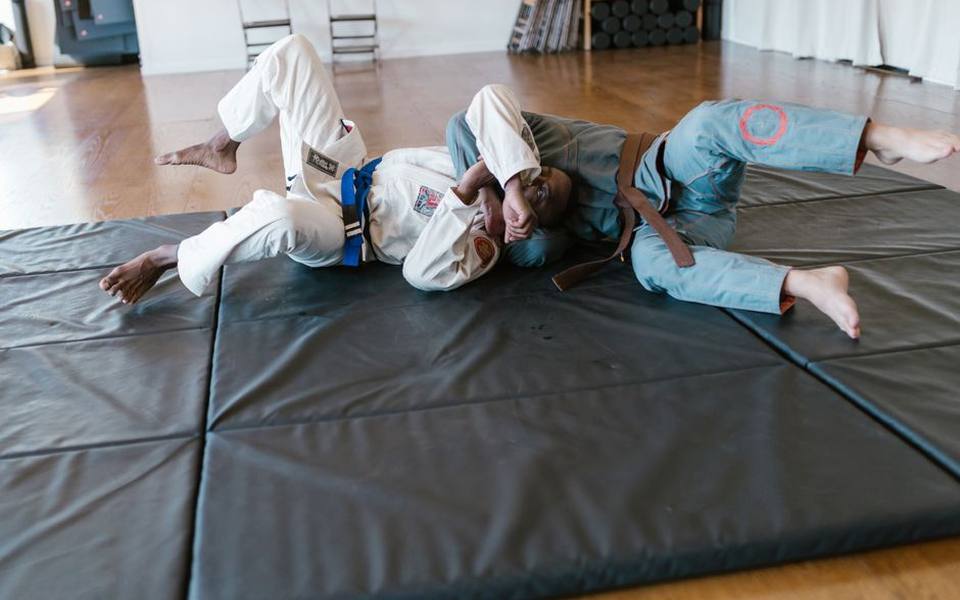 Buying
BJJ vs Judo vs Wrestling vs No-Gi: Which Grappling Art Is Right for You?
-
 Buying
How to Choose the Best Jiu-Jitsu and MMA Gym Near You
-
 Owning
Brazilian Jiu-Jitsu for Beginners: Rules, Belt Ranks, and Mat Training
-
 Buying
Kickboxing Classes & Cardio Fitness Workouts Guide
-
 Owning
Martial Arts Belt Ranking Systems: Progression, Orders, and Displays
-
 Buying
Jeet Kune Do: History, Philosophy, and Modern Training Guide
-
 Buying
BJJ Gis and Uniforms Buyer's Guide: Brands, Fit, and Care
-
 Buying
Gracie Jiu-Jitsu Lineages, Academy Networks, and Training Philosophies
-
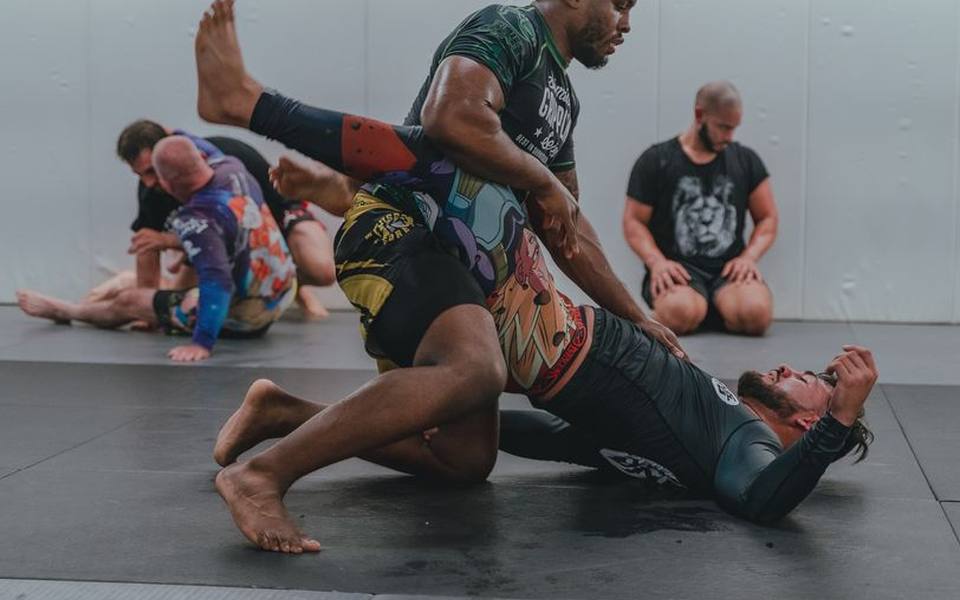 Buying
10th Planet Jiu-Jitsu: Complete Guide to the No-Gi System and Academies
-
 Safety
Tai Chi Classes for Seniors: Health Benefits, Styles, and Practice Guide
-
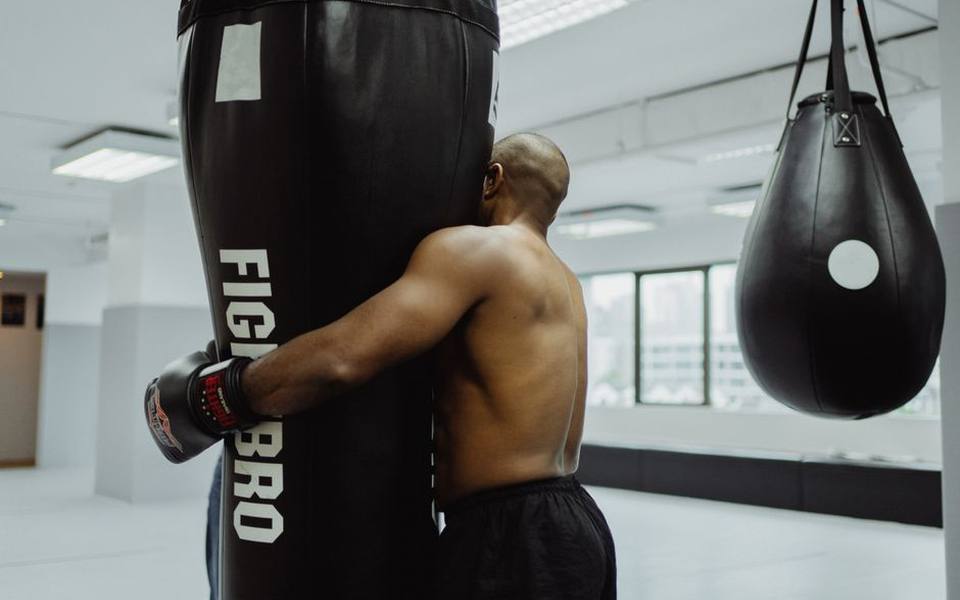 Owning
Heavy Bag and Boxing Workouts: Home Setup, Gear Selection, and Training Guide
-
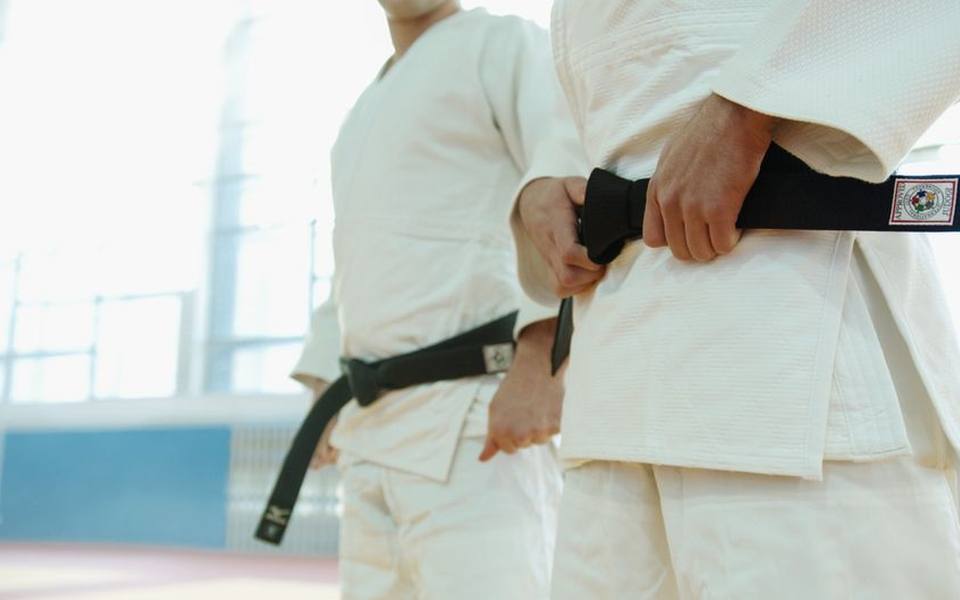 Buying
Adult Karate and Taekwondo Classes: Getting Started and Gi Sizing
-
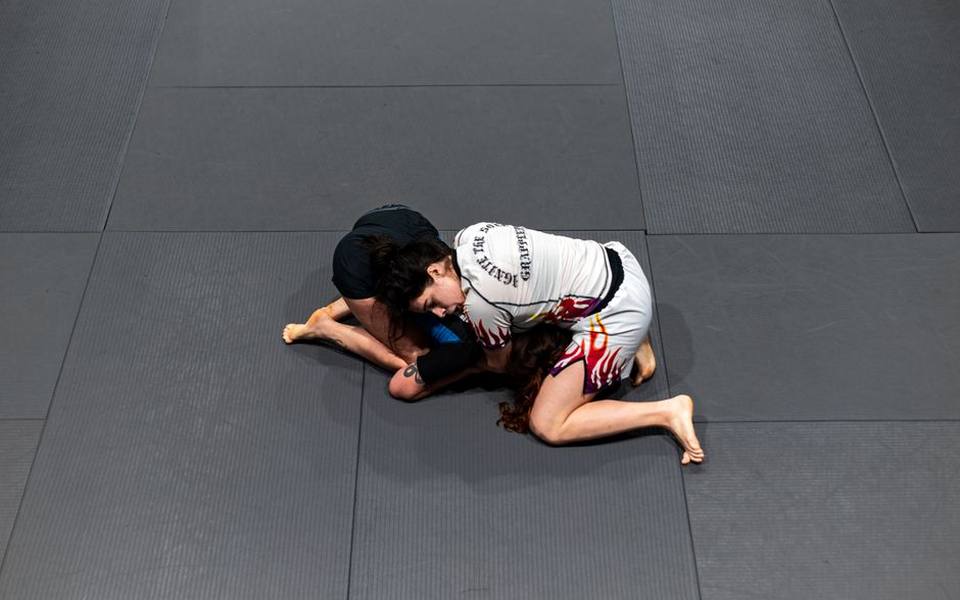 Owning
IBJJF Tournaments and Competition Guide: Databases, Rules, and Events
-
 Safety
Custom vs. Boil-and-Bite Mouthguards: Complete Selection and Fitting Guide
-
 Safety
Women's and Adult Self-Defense Training Guide: Techniques, Classes, and Systems
-
 Owning
Traditional Chinese Martial Arts: Shaolin, Wing Chun, Jeet Kune Do, and Gear Guide
-
 Buying
Adult Martial Arts Guide: Choosing the Right Style, Gym, and Training Class
-
 Buying
Filipino Martial Arts, Kenpo, Aikido, and HEMA: Comparing Traditional Combat Styles
-
 Owning
Heavy Bag Workout Guide: Routines, Drills, and Training for Cardio and Weight Loss
-
 Buying
Muay Thai and Cardio Kickboxing Classes: Training, Techniques, and Fitness Programs
-
 Safety
Women's and Adult Self-Defense Classes: Selecting Programs for Real-World Safety
-
 Owning
Martial Arts Belts and Ranks: Belt Order, Taping, and Display Racks Guide
-
 Safety
Martial Arts Conditioning, High-Kick Mobility, and Protective Gear Guide
-
 Buying
Kids and Toddler Martial Arts: Complete Guide to Classes, Camps, and Family Dojos
-
 Owning
How to Hang a Heavy Bag: Ceiling and Wall Mounting Installation Guide
-
 Buying
Brazilian Jiu-Jitsu Schools, Academies, and Lineages: A Complete Guide
-
 Buying
Martial Arts Gyms, Fitness Studios, and Dojos Directory Guide
-
 Buying
Traditional Martial Arts Styles and Specialized Disciplines Guide
-
 Owning
BJJ and Martial Arts Gi Selection, Sizing, and Equipment Care Guide