Lineage Roots and the Influence of Master Instructors
When evaluating modern training options, lineage serves as the foundational genealogy connecting an instructor back to the pioneers of the gentle art. Choosing among certified Brazilian Jiu-Jitsu schools requires understanding how distinct teaching philosophies developed after the art spread beyond Rio de Janeiro. Master practitioners such as coral belt Jean Jacques Machado demonstrated that technical adaptation could overcome physical limitations, shaping entire generations of practitioners. The legacy of Jean Jacques Machado jiu jitsu emphasizes leverage, head control, and fluent transitions, proving that technical precision consistently trumps brute power.
Lineage is not merely historical trivia; it dictates the daily training rhythm, the hierarchy on the mats, and the conceptual framework taught to white belts. Academies descended from technical innovators usually prioritize mechanical leverage over athletic explosiveness, making them appealing to older adults and working professionals. In these rooms, instructors break down grip variations, underhook control, and hip angles with surgical detail. Understanding whether your prospective instructor traces back through the Machado family, the Gracie lineage, or independent Brazilian masters helps set realistic expectations for your long-term athletic progression.
Prospective students often wonder whether direct lineage affiliation affects the validity of their rank. In most reputable grappling communities, a belt granted by a certified black belt with clear instructional lineage holds universal credibility. Regional associations often maintain close ties with parent academies, ensuring that curriculum updates, belt promotions, and master seminars adhere to strict standards. Taking the time to ask a head coach about their instructional lineage gives you immediate clarity regarding the principles they emphasize during live sparring.
Historical Milestones and the Kimura Tradition
The historical development of Brazilian grappling features landmark matches that gave rise to distinct pedagogical traditions still thriving in modern dojos. The iconic 1951 encounter between Helio Gracie and Japanese judoka Masahiko Kimura introduced the reverse ude-garami shoulder lock into popular submission grappling lore. Following that match, academies operating under the banner of Kimura jiujitsu emerged worldwide, honoring the physical pressure, tight top control, and relentless upper-body submissions favored by traditional submission grapplers.
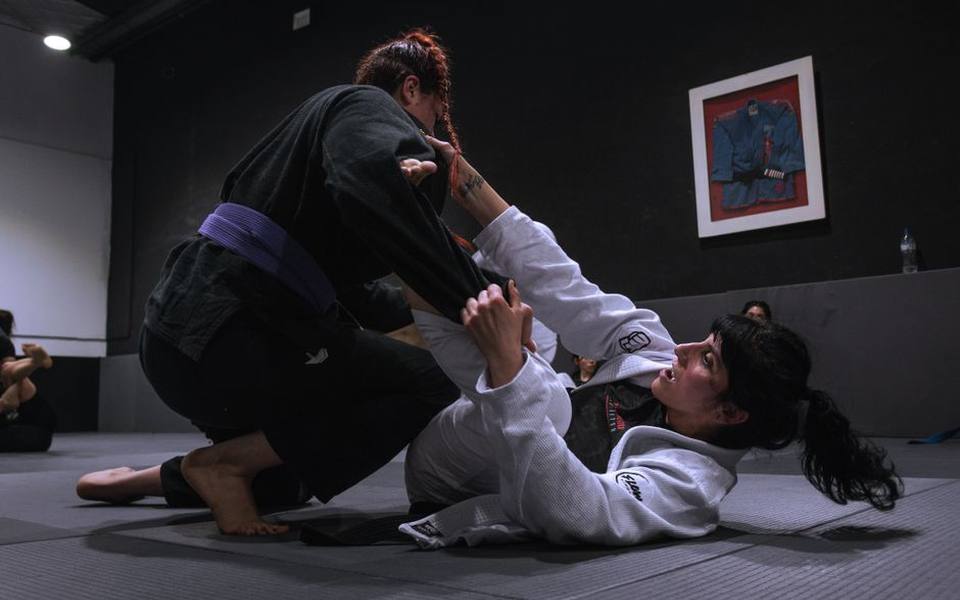
Modern clubs carrying the Kimura designation or paying homage to that grappling branch generally foster an aggressive, top-heavy style centered around positional dominance. Practitioners in these gyms spend considerable time drilling heavy knee-on-belly transitions, kimura trap control systems, and powerful passing sequences from standing positions. While defensive guard recovery remains essential, the prevailing mentality encourages establishing dominant pins and forcing opponents to bear your full body weight before hunting for joint locks.
For beginners assessing nearby facilities, an academy focused on classic grappling traditions offers an exceptionally sturdy base for self-defense and tournament readiness. These rooms typically feature rigorous warmup routines, extensive positional sparring from side control, and an emphasis on breaking an opponent's posture immediately. By exposing students to both the classical Japanese groundwork roots and contemporary Brazilian tactical evolutions, traditional academies build well-rounded grapplers capable of handling various stylistic matchups.
Metropolitan Hotspots from Brooklyn to the West Coast
Urban centers have transformed into premier incubators for high-level submission grappling, with diverse regional cultures defining their local mats. Exploring the landscape across martial arts schools in New York reveals a distinct urban grit, exemplified by the flourishing Brooklyn jiu jitsu community where compact spaces foster intense technical precision. Grapplers in dense metropolitan areas often train under instructors who cross-pollinate traditional Brazilian systems with collegiate wrestling and international sambo, resulting in tight, fast-paced grappling styles suited to competitive circuits.
Across the country, the West Coast boasts its own powerhouse ecosystem characterized by sprawling facilities and surf-influenced academy cultures. The Bay jiu jitsu network across Northern California represents a prime example of this environment, where tech professionals, collegiate athletes, and lifestyle hobbyists share the mats daily. In these rooms, class schedules typically accommodate demanding corporate shifts, offering early-morning drilling blocks, lunch-hour open mats, and dedicated no-gi submission grappling sessions that emphasize fluid movement and active guard play.
When comparing urban grappling hubs on either coast, prospective practitioners should notice how real estate and commuting patterns influence gym amenities. Metropolitan facilities may have smaller mat spaces requiring organized rolling rotations, yet they regularly attract world-class guest seminar instructors passing through major transit hubs. Conversely, suburban or West Coast locations frequently offer expansive mat space and cross-training amenities, proving that geographic context heavily influences your overall daily training experience.
Directional Academies and Grassroots Gym Identity
Across American mid-sized cities and industrial towns, gyms frequently adopt local neighborhood identities to anchor their standing in the athletic community. Training at a dedicated North Side BJJ outpost often feels markedly different from training in a downtown boutique gym, as neighborhood clubs lean into blue-collar work ethics and tight-knit member camaraderie. These grassroots academies typically serve as community gathering points where mechanics, teachers, and university students drill side by side without corporate pretense.
In similar fashion, programs carrying the South Side jiu jitsu moniker often pride themselves on tough, pressure-based sparring and uncompromising positional defense. The culture in directional neighborhood gyms usually values mat time and grit over commercial marketing, producing fierce competitors who excel in regional tournaments. In these academies, instructors often run extended sparring rounds where students must work through fatigue, learning to manage their breathing and maintain technical composure under intense physical resistance.
Despite their unvarnished presentation, neighborhood grappling clubs consistently produce some of the most durable black belts in the country. New students who walk through the doors of a local community gym typically encounter transparent monthly memberships without long-term commitments or uniform mandates. For beginners who value authentic camaraderie, raw training dedication, and direct, unfiltered feedback from seasoned brown and black belts, local directional clubs represent the backbone of domestic submission grappling.
Independent Pioneers and Veteran Leadership
Beyond multinational grappling franchises, independent black belts who migrated from Brazil throughout the late 1990s and early 2000s have established enduring local footprints. Programs led by veteran instructors such as Marco Nascimento BJJ illustrate how first-generation Brazilian masters adapted their native art for diverse American student bases. These seasoned instructors bring decades of mat wisdom, emphasizing injury prevention, personal longevity, and an organic path through the belt ranks that cannot be accelerated by commercial promotion standards.
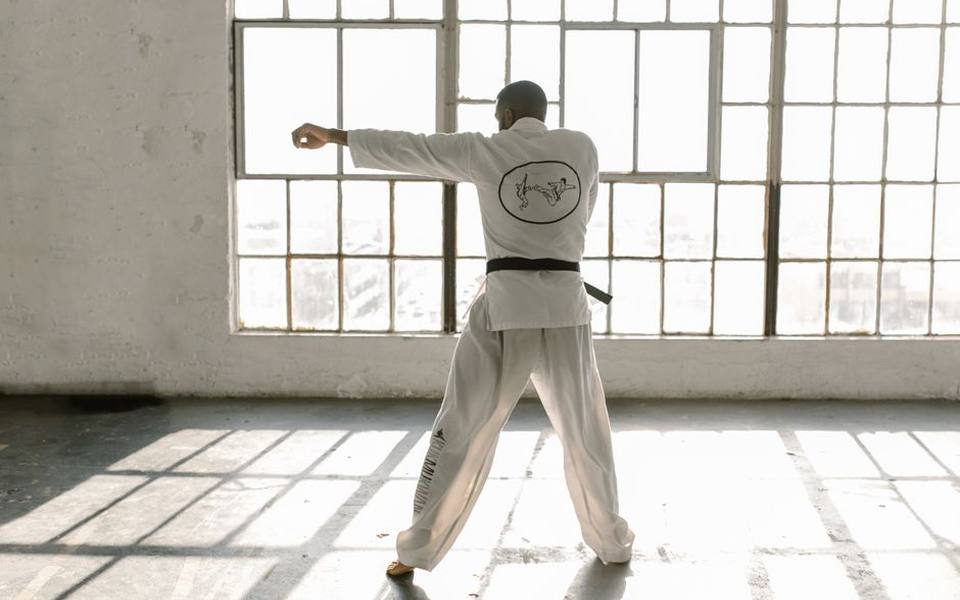
Parallel to individual master academies, regional multi-location teams like Immortals jiu jitsu build competitive networks that span multiple adjacent counties. These affiliated academies offer their member bases shared open mats, unified belt promotion symposiums, and collective coaching camps prior to major international tournaments. For a practitioner who travels frequently within their state, training under an interconnected regional banner provides seamless access to affiliated mats without paying guest drop-in fees.
Evaluating an independent academy against a large franchise model comes down to individual learning preferences and administrative expectations. Independent academies often grant head coaches complete freedom to tailor the daily syllabus to match the strengths and weaknesses of their current roster. If an instructor notices that intermediate students are struggling with leg locks or takedown defense, they can spend an entire month addressing those exact weaknesses rather than following a rigid corporate curriculum guide.
Modern Methodologies and Core Grappling Concepts
The evolution of competitive grappling over the past decade has sparked a pedagogical shift toward conceptual understanding rather than rote memorization. Academies embodying the Essential jiujitsu philosophy structure their classes around mechanical principles such as wedge theory, lever control, and spinal alignment. Instead of simply teaching five unconnected steps to execute a sweep, modern instructors demonstrate how controlling an opponent's head and hips restricts their biomechanical ability to generate athletic power.
Complementing this conceptual movement, programs built around the One jiujitsu philosophy seek to bridge the historical divide between traditional self-defense principles and high-speed competitive sport grappling. This balanced curriculum ensures that students understand how to defend strikes from the guard while simultaneously mastering modern tournament tactics like lapel wrapping and berimbolo back takes. Practitioners develop a broad grappling vocabulary that remains effective whether defending themselves on pavement or competing on tournament tatami.
For an adult beginner stepping onto the mats for the first time, starting at an academy dedicated to jiu-jitsu fundamentals dramatically flattens the learning curve. Structured curriculum formats typically separate novice students from seasoned competitors during the first several months of training. This phased progression minimizes injury risks, allows foundational movement patterns like hip escapes and breakfalls to become second nature, and provides clear benchmarks for earning initial stripes.
Tradition, Respect, and the Legacy Standard
While grappling techniques continually evolve, the moral framework and mutual respect embedded in martial arts traditions remain central to the academy experience. Gyms operating under the banner of Legacy jiujitsu prioritize martial etiquette, formal bowing ceremonies, clean white gis, and respectful mat conduct. In these environments, higher belts are expected to mentor junior practitioners, creating an atmosphere where competitive ego is systematically dismantled in favor of collective technical development.
Legacy standards also govern the integrity of rank promotions, adhering to time-honored guidelines regarding time-in-grade, technical mastery, and emotional maturity. In traditional academies, earning a blue belt typically requires one to two years of consistent attendance, while reaching black belt status often demands a decade or more of dedicated practice. Coaches observe how students handle defeat during live rounds, ensuring that advanced ranks are awarded only to practitioners who embody patience, humility, and self-control.
Visiting a school that honors classic lineage traditions offers immediate peace of mind regarding culture and mat safety. Instructors typically maintain spotless training areas, enforce strict personal hygiene policies, and prohibit reckless behavior during live sparring. For parents seeking structured youth programs or working professionals seeking a respectful, ego-free workout environment, legacy-minded academies provide a stable athletic home where personal character is forged alongside grappling skill.
Pop Culture Visibility and Modern Public Interest
Brazilian grappling has transitioned from a niche martial discipline into a widely recognized mainstream fitness movement, fueled in large part by public figures showcasing their training journeys. Widespread media coverage surrounding celebrity practitioners—most notably the viral tournament appearances associated with Tom Hardy jiu jitsu accomplishments—has fundamentally changed public perception. Everyday observers watched an accomplished Hollywood actor compete openly in regional UK tournaments, winning gold medals through authentic technical execution under standard governing body rules.
This visibility has demystified the sport for working adults who previously viewed combat sports as the exclusive domain of professional prize fighters. Seeing individuals balance demanding professional careers with the rigorous demands of grappling encourages prospective students to schedule trial classes at local dedicated Brazilian Jiu-Jitsu academies. Modern mats welcome surgeons, educators, tradespeople, and accountants who discover that submission grappling provides an engaging mental break from daily corporate stresses.
The influx of lifestyle hobbyists has motivated gym owners to adapt their offerings, creating dedicated masters divisions for grapplers over thirty-five and forty years old. These specialized classes focus heavily on controlled technical rolls, extended warmups, and joint-friendly recovery strategies. The realization that anyone can step onto the tatami, earn their stripes through genuine effort, and test their skills safely has cemented submission grappling as the preferred functional fitness outlet for the modern adult demographic.
Navigating Gym Logistics, Costs, and Safety Standards
Selecting the right martial arts home requires balancing coaching credentials with practical logistical considerations such as location, schedule flexibility, and facility cleanliness. Across most regions, including established California martial arts training centers, membership fees typically range from $120 to over $250 per month, depending heavily on regional living costs, coach pedigree, and class availability. Transparent academies outline their contract terms clearly, avoiding predatory long-term lock-ins or mandatory equipment markups.
Hygiene protocols should serve as a non-negotiable factor when touring potential training facilities. Look for dojos that mop their mat surfaces with hospital-grade disinfectant between every single training block and require students to wear clean, odor-free uniforms. Ringworm, staph infections, and other skin irritations are entirely preventable through proper facility maintenance and personal responsibility, including mandatory footwear whenever stepping off the tatami into common areas or restrooms.
Finally, evaluate the prevailing culture during live sparring rounds, often referred to simply as rolling. In a healthy grappling environment, higher-ranking practitioners protect their training partners by matching their intensity, coaching them through difficult positions, and releasing submissions instantly when a tap occurs. Finding an academy where members prioritize each other's safety and long-term athletic development ensures that your grappling journey remains sustainable, rewarding, and free of unnecessary injuries for years to come.
Published 2026-09-21 · reviewed with each rebuild, last September 2026.
Find martial arts schools near you
The directory lists 32,877 martial arts schools by state and city — pick your state or use the “Near me” button in the header.
More guides
-
 Owning
Establishing a Proper Heavy Bag Routine and Striking Technique at Home
-
 Safety
Brazilian Jiu-Jitsu for Beginners: Tips, Fundamentals, and Mat Health
-
 Buying
Finding the Right Fit: A Guide to Sizing Your Jiu-Jitsu Uniform and Cross-Training Gear
-
 Money
MoneyHow Much Do Martial Arts Classes Cost? Membership Fees Breakdown
-
 Owning
What Is Mixed Martial Arts? Beginner Overview and Training Guide
-
 Owning
The History, Origins, and Physical Demands of Brazilian Jiu-Jitsu
-
 Owning
Traditional Martial Arts Guide: Understanding Wushu, Silat, and Naginata
-
 Owning
Understanding Mixed Martial Arts for Beginners
-
 Safety
How to Wrap Your Hands for Boxing: Step-by-Step Wrist and Knuckle Protection Guide
-
 Buying
Best Jiu-Jitsu Gis and Apparel: Complete Buyer's Guide and Sizing Chart
-
 Buying
BJJ vs Judo vs Wrestling vs No-Gi: Which Grappling Art Is Right for You?
-
 Buying
How to Choose the Best Jiu-Jitsu and MMA Gym Near You
-
 Owning
Brazilian Jiu-Jitsu for Beginners: Rules, Belt Ranks, and Mat Training
-
 Buying
Kickboxing Classes & Cardio Fitness Workouts Guide
-
 Owning
Martial Arts Belt Ranking Systems: Progression, Orders, and Displays
-
 Buying
Jeet Kune Do: History, Philosophy, and Modern Training Guide
-
 Buying
BJJ Gis and Uniforms Buyer's Guide: Brands, Fit, and Care
-
 Buying
Gracie Jiu-Jitsu Lineages, Academy Networks, and Training Philosophies
-
 Buying
10th Planet Jiu-Jitsu: Complete Guide to the No-Gi System and Academies
-
 Safety
Tai Chi Classes for Seniors: Health Benefits, Styles, and Practice Guide
-
 Owning
Heavy Bag and Boxing Workouts: Home Setup, Gear Selection, and Training Guide
-
 Buying
Adult Karate and Taekwondo Classes: Getting Started and Gi Sizing
-
 Owning
IBJJF Tournaments and Competition Guide: Databases, Rules, and Events
-
 Safety
Custom vs. Boil-and-Bite Mouthguards: Complete Selection and Fitting Guide
-
 Safety
Women's and Adult Self-Defense Training Guide: Techniques, Classes, and Systems
-
 Owning
Traditional Chinese Martial Arts: Shaolin, Wing Chun, Jeet Kune Do, and Gear Guide
-
 Buying
Adult Martial Arts Guide: Choosing the Right Style, Gym, and Training Class
-
 Buying
Filipino Martial Arts, Kenpo, Aikido, and HEMA: Comparing Traditional Combat Styles
-
 Owning
Heavy Bag Workout Guide: Routines, Drills, and Training for Cardio and Weight Loss
-
 Buying
Muay Thai and Cardio Kickboxing Classes: Training, Techniques, and Fitness Programs
-
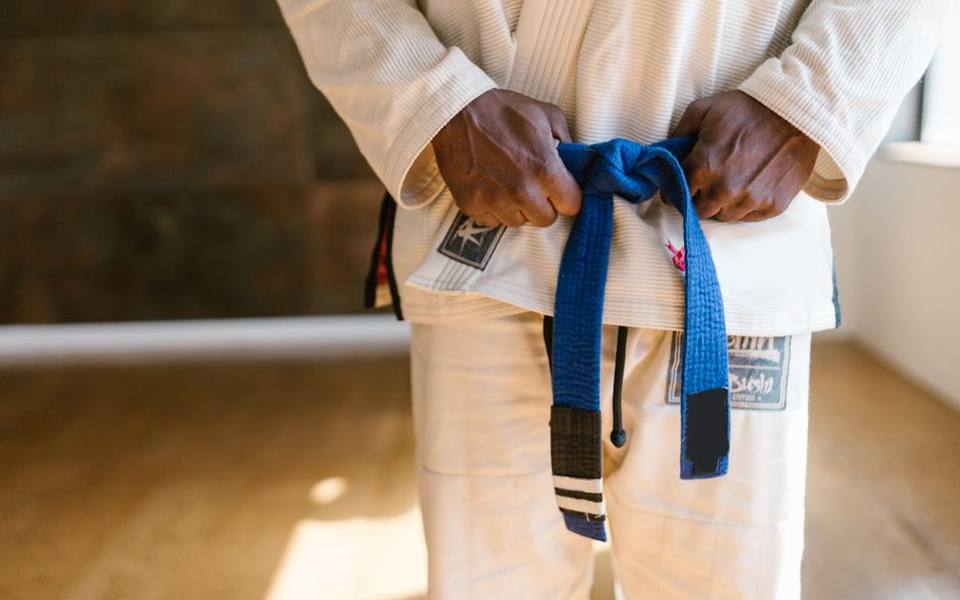 Buying
BJJ Gis, Rash Guards, and Apparel: How to Choose, Size, and Care for Jiu-Jitsu Gear
-
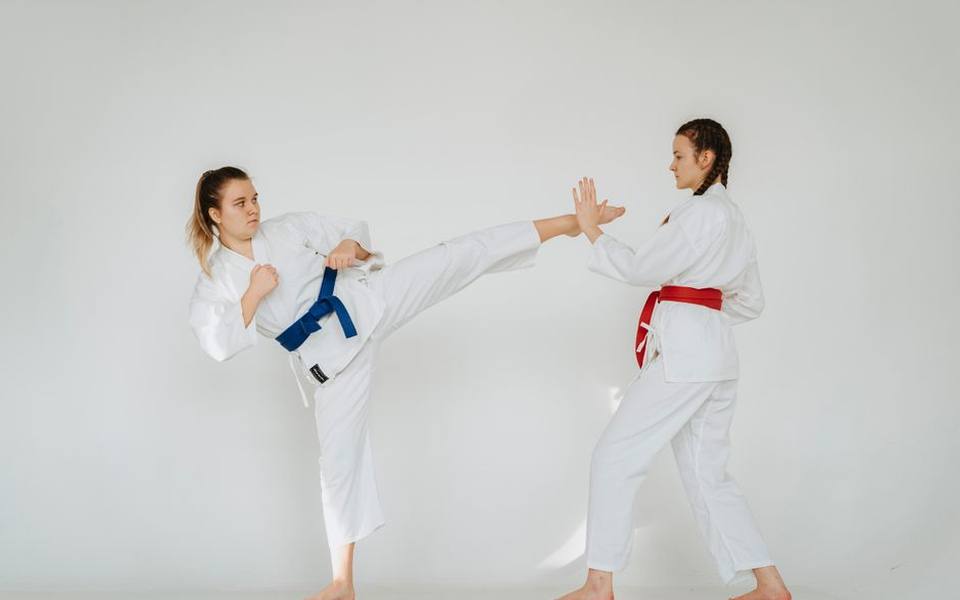 Safety
Women's and Adult Self-Defense Classes: Selecting Programs for Real-World Safety
-
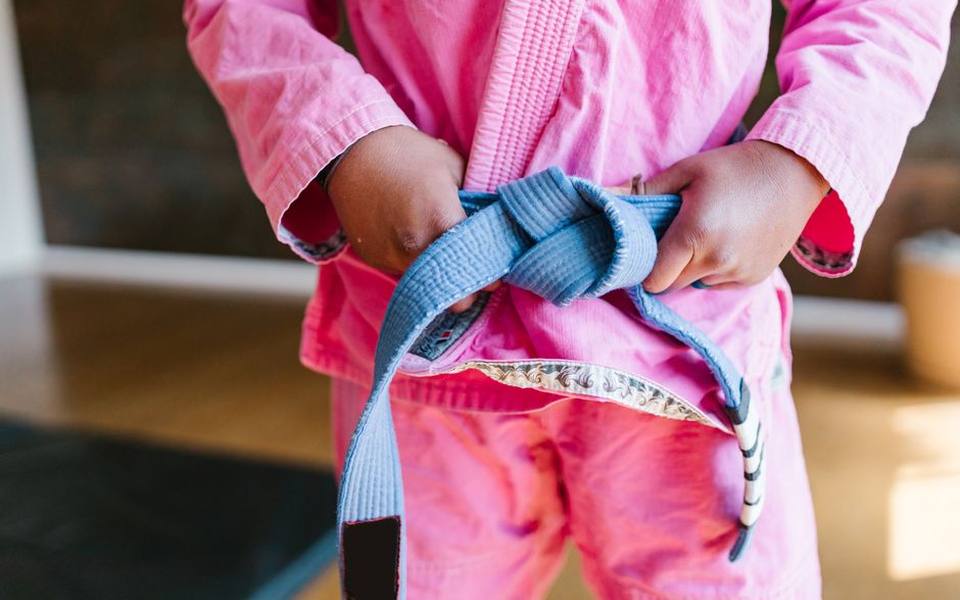 Owning
Martial Arts Belts and Ranks: Belt Order, Taping, and Display Racks Guide
-
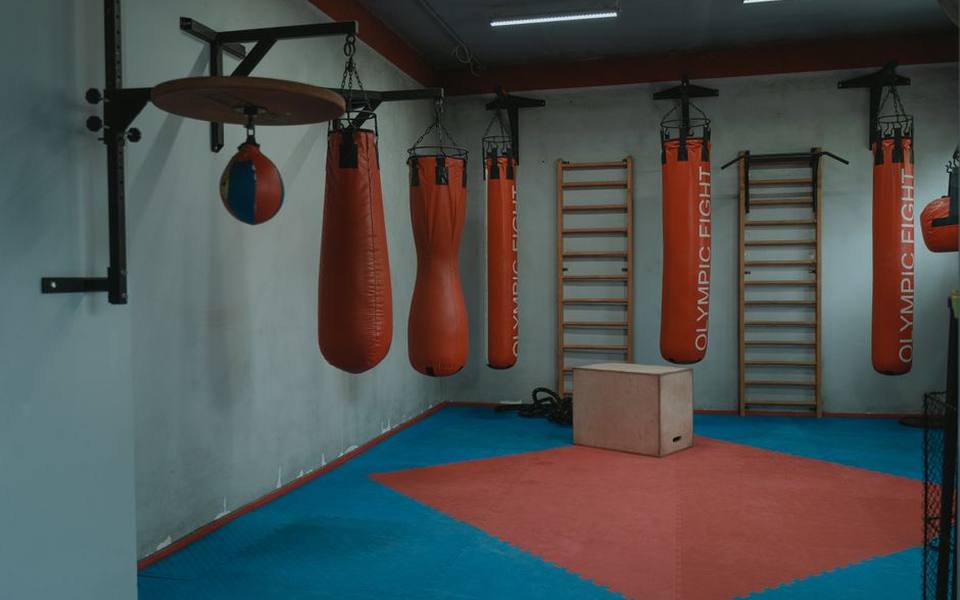 Safety
Martial Arts Conditioning, High-Kick Mobility, and Protective Gear Guide
-
 Buying
Kids and Toddler Martial Arts: Complete Guide to Classes, Camps, and Family Dojos
-
 Owning
How to Hang a Heavy Bag: Ceiling and Wall Mounting Installation Guide
-
 Buying
Martial Arts Gyms, Fitness Studios, and Dojos Directory Guide
-
 Buying
Traditional Martial Arts Styles and Specialized Disciplines Guide
-
 Owning
BJJ and Martial Arts Gi Selection, Sizing, and Equipment Care Guide