Starting Your Search for the Right Fight Gym
Finding the right training center comes down to clarifying your personal goals before stepping onto any training surface. Most metropolitan areas offer dozens of combat sports facilities, but an academy geared toward active professional cage fighters operates very differently from one tailored to working professionals, hobbyists, or families. Taking time to inspect coaching lineages, weekly class structures, and member demographics ensures you invest your energy into an environment that matches your current fitness level and realistic schedule.
Begin your search by filtering local academies based on their core curriculum rather than flashy marketing slogans or aesthetic social media accounts. With more than 20,366 martial arts listings across top states, modern students can explore reputable Brazilian Jiu-Jitsu schools alongside dedicated striking academies. A reliable gym always provides a clear beginner onboarding process rather than throwing completely new practitioners straight into open sparring rounds with seasoned competitors.
Location and daily convenience matter far more than most beginners anticipate when starting their journey. A world-class academy situated forty-five minutes across town during peak rush hour often leads to skipped practices, whereas a solid community gym fifteen minutes from your home encourages consistent attendance. Aim to visit at least two or three prospective spaces in person before signing any long-term contract or purchasing customized academy gear.
Choosing Between Dedicated Jiu-Jitsu and Full MMA Programs
Deciding between pure grappling and a blended combat curriculum depends largely on whether you prefer ground-based leverage or full-contact striking. Brazilian Jiu-Jitsu focuses almost entirely on positional control, joint locks, and chokeholds without striking, making it highly accessible for people concerned about head impacts or workplace-visible bruising. In contrast, comprehensive mixed martial arts programs require dividing your training time between wrestling, submission grappling, Muay Thai, and traditional boxing.
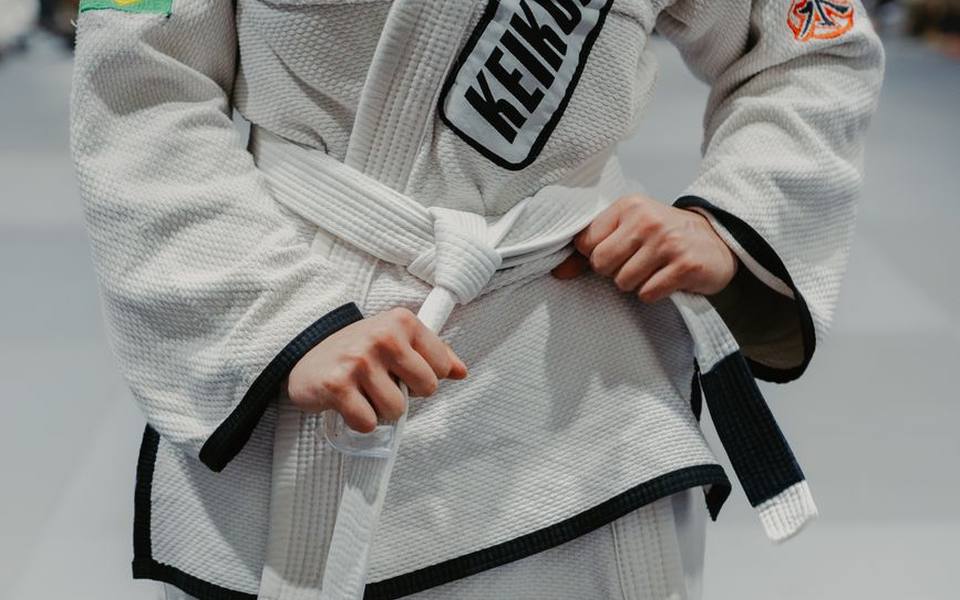
MMA programs demand higher baseline conditioning and require significantly more gear investments right from the start. Practitioners need shin guards, boxing gloves, four-ounce sparring mitts, mouthpieces, and headgear simply to participate safely in striking classes. Jiu-Jitsu students typically start with just a durable uniform known as a gi, or standard rash guards and compression shorts for no-gi sessions, keeping logistical friction low during the first months.
Consider your physical tolerance for physical contact and your long-term occupational needs. A software engineer or surgeon might feel uncomfortable fielding black eyes or bruised knuckles from errant striking exchanges. For these practitioners, pure ground fighting offers intense physical exertion and intellectual stimulation while dramatically lowering the risk of accidental facial trauma or concussive head impacts.
Evaluating Safety Culture, Mat Hygiene, and Coaching Standards
A gym's daily cleaning routine tells you everything you need to know about its overall professionalism and respect for student health. Because grappling involves constant skin-to-mat contact, dirty training rooms act as breeding grounds for ringworm, impetigo, and potentially severe staph infections. When touring any school, check whether the training mats are mopped with hospital-grade disinfectant between consecutive classes and observe whether students walk barefoot off the mats into bathroom areas.
Coaching credentials should be transparent, verifiable, and free from self-promoted mysticism. In Brazilian Jiu-Jitsu, black belt promotions take roughly ten to twelve years of dedicated mat time, and instructors should openly trace their lineage back to recognized sanctioning bodies or reputable master instructors. High-quality academies feature structured jiu-jitsu fundamentals programs led by patient coaches who emphasize defensive posture and steady breathing over explosive aggression.
Observe how senior students treat newer members during open training sessions. If senior belts view first-week beginners as target practice or roll with uncontrolled force, the academy suffers from poor safety management. A healthy gym culture celebrates technical control, where experienced students protect their training partners by catching submissions smoothly and allowing ample time for taps without risking joint damage.
Navigating Trial Classes, Pricing Models, and Contracts
Almost every reputable combat sports school offers a complimentary trial period ranging from a single free introductory class to a full week of open access. Use this trial window to evaluate how classes are structured, how instructors deliver feedback, and whether the overall climate feels supportive or intimidating. Be cautious of gyms that require you to sign binding twelve-month agreements immediately upon walking through the front door for your first visit.
Tuition rates for martial arts typically vary based on regional cost of living and facility amenities, though most facilities fall within predictable monthly ranges. Many schools offer discounted rates for longer upfront commitments, but month-to-month memberships or short three-month trial agreements are generally safer for beginners who are still testing their physical commitment. Inquire early about hidden charges, including mandatory annual association fees, mandatory in-house gear purchases, or graduation testing fees.
Read contract cancellation clauses with precision before supplying banking details or credit card information. Reputable gyms outline clear termination policies for work relocations, severe medical issues, or basic written notice periods. If an owner becomes hostile or evasive when asked simple questions about cancellation terms, consider it an immediate red flag and continue your search elsewhere.
Using Combat Training to Shed Body Fat While Keeping Muscle
Many adults pursue combat sports primarily to change their body composition, seeking efficient ways to strip away stubborn body fat without sacrificing functional lean muscle. High-intensity grappling burns exceptional caloric volume during sixty-minute sessions, combining cardiovascular output with isometric muscle contractions. However, rigorous martial arts training alone cannot overcome a chronic nutritional surplus, making dietary awareness essential for real body transformation.
Preserving muscle mass during a sustained fat-loss phase requires maintaining a modest caloric deficit rather than adopting crash diets. Cutting calories too aggressively causes the body to break down existing lean muscle tissue for fuel, leaving athletes feeling lethargic, weak, and injury-prone on the mats. Coupling steady mat time with dedicated combat sports fat loss programs ensures your daily energy intake supports hard physical work while progressively reducing fat reserves.
Protein intake serves as your primary defense against muscle wasting when training volume increases. Grapplers aiming for body recomposition typically target roughly point seven to one gram of lean protein per pound of body weight daily. Prioritizing lean meats, eggs, Greek yogurt, and plant proteins supplies the amino acids necessary to repair micro-tears in muscle fibers after grueling rounds of sparring and resistance training.
Do not abandon conventional resistance training when picking up martial arts. Lifting weights or doing heavy bodyweight training twice a week provides the structural stimulus required to signal your body to retain muscle tissue. When combined with adequate dietary protein, this strength foundation ensures that the weight dropping off the bathroom scale represents stored adipose tissue rather than hard-earned functional muscle.
The Reality Behind Striving for Extremely Low Body Fat
Pop culture and professional fight promotions often showcase combat athletes at extremely low body fat percentages during weigh-ins, leading newcomers to believe this represents year-round health. In reality, striving to eliminate virtually all body fat undermines human endocrine function, crushes testosterone production, and elevates systemic cortisol. Essential body fat is physiologically mandatory to cushion vital organs, maintain joint fluid, and insulate peripheral nerves during hard athletic contact.
Men generally experience severe hormonal disturbances, chronic fatigue, and cognitive fog when dipping below eight percent body fat, while women experience similar metabolic disruptions below fifteen percent. For non-professional grapplers, maintaining a sustainable body composition typically lands between twelve and sixteen percent for men, and twenty to twenty-four percent for women. This range provides a lean, athletic physique while supporting heavy training sessions and rapid tissue repair.
Sustainable recomposition requires patience and long-term behavioral consistency rather than dangerous dehydrating protocols used by professional fighters cutting weight for bouts. Gradual fat loss at a pace of roughly half a pound to one pound per week allows your joints, tendons, and metabolism to adapt safely. Setting realistic athletic targets based on mat performance rather than a paper-thin skin fold keeps your training enjoyable and injury-free.
Managing Cauliflower Ear and Acute Outer Ear Trauma
A unique physical challenge that grapplers encounter is auricular hematoma, commonly referred to as cauliflower ear. This condition develops when blunt trauma or sustained friction shears the skin away from the underlying auricular cartilage, allowing pockets of blood and interstitial fluid to pool in the ear tissue. If left untreated, this trapped fluid hardens over several days into permanent fibrocartilage, resulting in the classic thickened appearance seen in career wrestlers.
Preventing ear trauma starts with purchasing a comfortable, soft-shell wrestling headgear to wear during takedown drills and hard sparring rounds. If you notice an ear becoming warm, tender, and visibly swollen with trapped liquid after a session, time is of the essence. Medical professionals can perform a sterile aspiration using a fine-gauge needle to remove the fluid before it clots, typically applying a compression bolster or pressure dressing to prevent immediate re-accumulation.
Attempting self-drainage at home with unsterilized tools is a frequent mistake among beginners that introduces extreme risks of bacterial chondritis. A cartilage infection can permanently deform the ear architecture and can require systemic antibiotic regimens or surgical intervention. If you develop acute swelling, consult an urgent care clinic, sports medicine specialist, or otolaryngologist experienced with athletic injuries within twenty-four to forty-eight hours of trauma.
Resolving Eustachian Tube Dysfunction and Middle Ear Fluid
While outer ear swelling stems from external friction, grapplers frequently battle an entirely different issue: middle ear fluid buildup caused by Eustachian tube dysfunction. Hard physical grappling, changes in breathing mechanics, seasonal allergies, or mild upper respiratory infections can inflame the narrow passages connecting the back of your throat to the middle ear. When these tubes swell shut, atmospheric pressure cannot equalize, trapping clear fluid behind the eardrum and producing a muffled, underwater sensation.
Unlike an outer ear hematoma, middle ear fluid sits behind the tympanic membrane and must never be addressed with needles, cotton swabs, or direct physical extraction. Trying to force foreign objects into the ear canal to clear fluid risks puncturing the eardrum and causing severe inner ear trauma. In most cases, middle ear fluid resolves gradually on its own as inflammation inside the nasopharyngeal passages recedes.
To encourage congested middle ear passages to drain naturally through the throat, simple conservative measures often prove effective. Inhaling steam from hot showers, using sterile saline nasal rinses to clear sinus passages, and staying well-hydrated help thin mucosal secretions. Gentle swallowing, yawning, or carefully performing the Valsalva maneuver—pinching the nose and blowing very softly into the nasopharynx—can assist the Eustachian tubes in snapping open.
If middle ear congestion persists beyond two weeks, brings sharp inner pain, or is accompanied by yellow discharge and dizziness, professional medical evaluation is necessary. Physicians can prescribe targeted steroid nasal sprays, antihistamines, or evaluate for bacterial otitis media. In chronic situations where fluid remains locked for months, an ear, nose, and throat specialist may recommend a minor clinical procedure to place a small ventilation tube to re-establish proper drainage.
Building a Sustainable Weekly Training Schedule
Consistency over years produces mastery in martial arts, whereas sprinting into an unsustainable routine often results in early burnout or preventable overuse injuries. Eager newcomers frequently attempt to attend six intense evening classes a week, only to quit within a month due to overwhelming systemic soreness and joint fatigue. When beginning, attending two to three well-spaced training sessions per week allows your body to build connective tissue resilience without compromising work and personal obligations.
Protecting your sleep and nutritional recovery is just as vital as the techniques practiced on the mats. Grappling places severe isometric strain on finger tendons, neck muscles, and spinal stabilizers that require seven to nine hours of quality sleep to rebuild. Incorporating simple active recovery protocols—such as light walking, mobility flows, and dedicated rest days—keeps your nervous system fresh and your mental enthusiasm sharp.
Track your progress by measuring small technical milestones rather than comparing yourself to individuals who have trained for decades. Learning how to stay relaxed during bad positions, executing a clean sweep, or mastering a single defensive escape indicates genuine progress. By choosing a supportive school, keeping an eye on your physical recovery, and respecting your health, combat sports can enrich your life for decades to come.
Published 2026-09-20 · reviewed with each rebuild, last September 2026.
Find martial arts schools near you
The directory lists 32,877 martial arts schools by state and city — pick your state or use the “Near me” button in the header.
More guides
-
 Owning
Establishing a Proper Heavy Bag Routine and Striking Technique at Home
-
 Safety
Brazilian Jiu-Jitsu for Beginners: Tips, Fundamentals, and Mat Health
-
 Buying
Finding the Right Fit: A Guide to Sizing Your Jiu-Jitsu Uniform and Cross-Training Gear
-
 Money
MoneyHow Much Do Martial Arts Classes Cost? Membership Fees Breakdown
-
 Owning
What Is Mixed Martial Arts? Beginner Overview and Training Guide
-
 Owning
The History, Origins, and Physical Demands of Brazilian Jiu-Jitsu
-
 Owning
Traditional Martial Arts Guide: Understanding Wushu, Silat, and Naginata
-
 Owning
Understanding Mixed Martial Arts for Beginners
-
 Safety
How to Wrap Your Hands for Boxing: Step-by-Step Wrist and Knuckle Protection Guide
-
 Buying
Best Jiu-Jitsu Gis and Apparel: Complete Buyer's Guide and Sizing Chart
-
 Buying
BJJ vs Judo vs Wrestling vs No-Gi: Which Grappling Art Is Right for You?
-
 Owning
Brazilian Jiu-Jitsu for Beginners: Rules, Belt Ranks, and Mat Training
-
 Buying
Kickboxing Classes & Cardio Fitness Workouts Guide
-
 Owning
Martial Arts Belt Ranking Systems: Progression, Orders, and Displays
-
 Buying
Jeet Kune Do: History, Philosophy, and Modern Training Guide
-
 Buying
BJJ Gis and Uniforms Buyer's Guide: Brands, Fit, and Care
-
 Buying
Gracie Jiu-Jitsu Lineages, Academy Networks, and Training Philosophies
-
 Buying
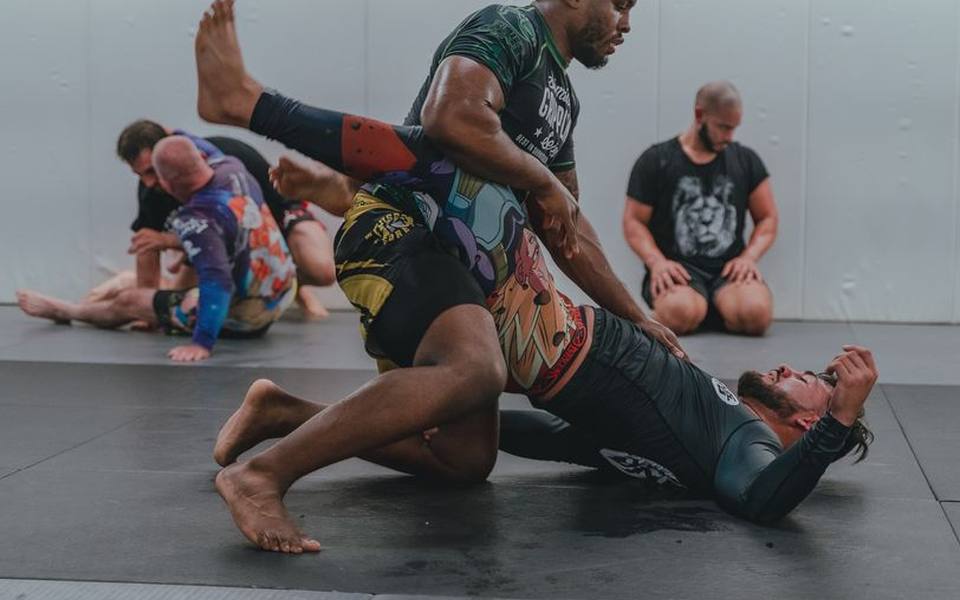
10th Planet Jiu-Jitsu: Complete Guide to the No-Gi System and Academies
-
 Safety
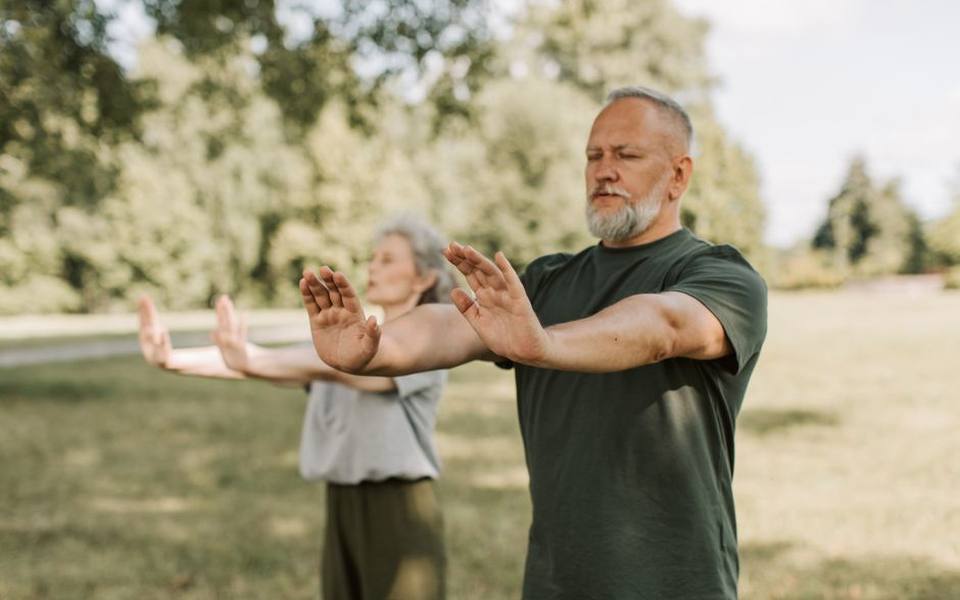
Tai Chi Classes for Seniors: Health Benefits, Styles, and Practice Guide
-
 Owning
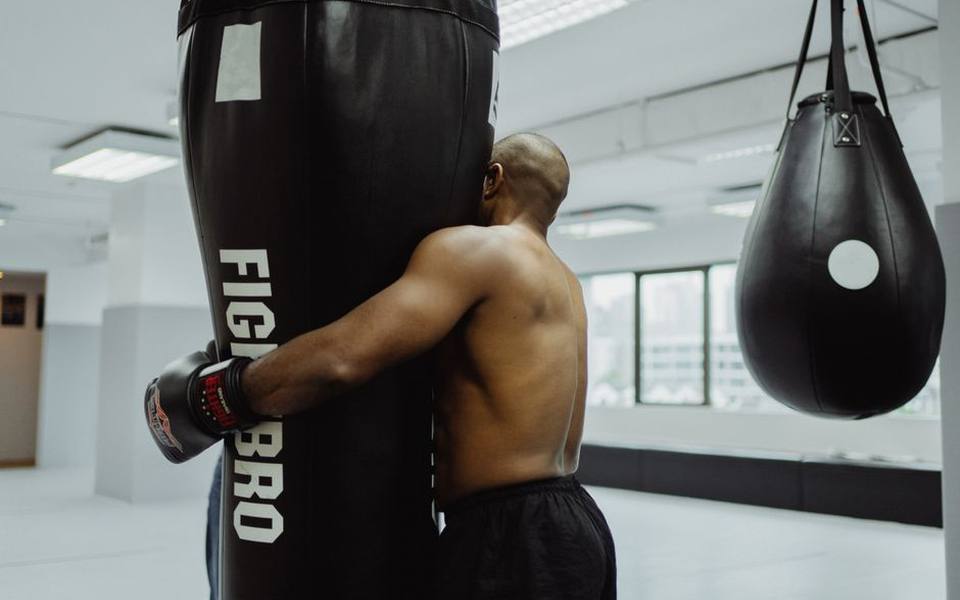
Heavy Bag and Boxing Workouts: Home Setup, Gear Selection, and Training Guide
-
 Buying
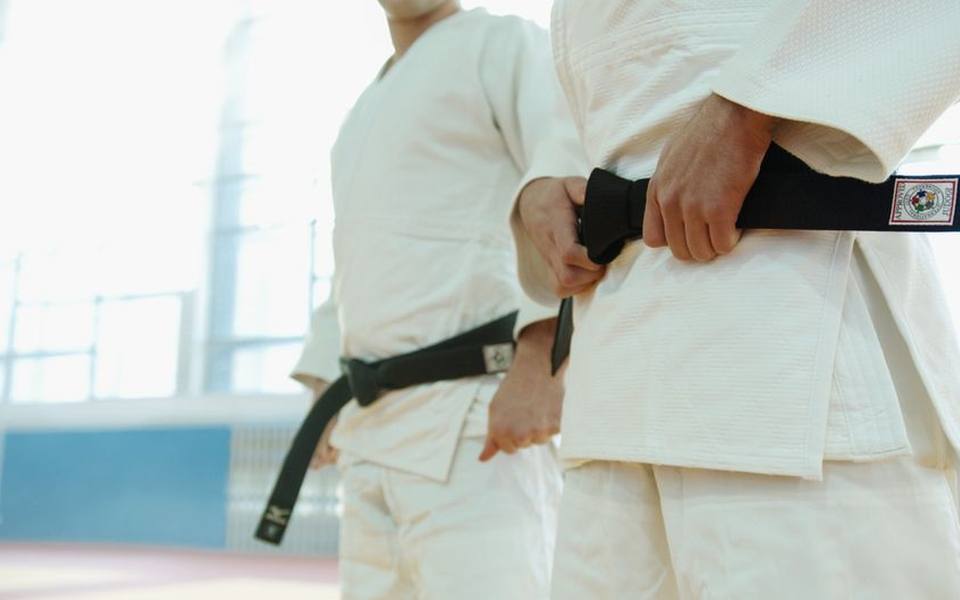
Adult Karate and Taekwondo Classes: Getting Started and Gi Sizing
-
 Owning
IBJJF Tournaments and Competition Guide: Databases, Rules, and Events
-
 Safety
Custom vs. Boil-and-Bite Mouthguards: Complete Selection and Fitting Guide
-
 Safety
Women's and Adult Self-Defense Training Guide: Techniques, Classes, and Systems
-
 Owning
Traditional Chinese Martial Arts: Shaolin, Wing Chun, Jeet Kune Do, and Gear Guide
-
 Buying
Adult Martial Arts Guide: Choosing the Right Style, Gym, and Training Class
-
 Buying
Filipino Martial Arts, Kenpo, Aikido, and HEMA: Comparing Traditional Combat Styles
-
 Owning
Heavy Bag Workout Guide: Routines, Drills, and Training for Cardio and Weight Loss
-
 Buying
Muay Thai and Cardio Kickboxing Classes: Training, Techniques, and Fitness Programs
-
 Buying
BJJ Gis, Rash Guards, and Apparel: How to Choose, Size, and Care for Jiu-Jitsu Gear
-
 Safety
Women's and Adult Self-Defense Classes: Selecting Programs for Real-World Safety
-
 Owning
Martial Arts Belts and Ranks: Belt Order, Taping, and Display Racks Guide
-
 Safety
Martial Arts Conditioning, High-Kick Mobility, and Protective Gear Guide
-
 Buying
Kids and Toddler Martial Arts: Complete Guide to Classes, Camps, and Family Dojos
-
 Owning
How to Hang a Heavy Bag: Ceiling and Wall Mounting Installation Guide
-
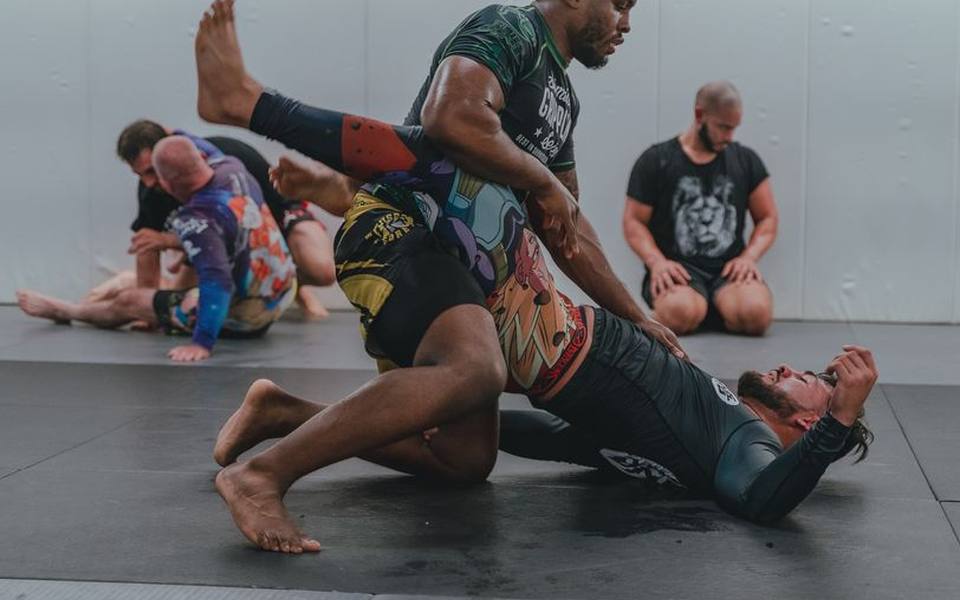 Buying
Brazilian Jiu-Jitsu Schools, Academies, and Lineages: A Complete Guide
-
 Buying
Martial Arts Gyms, Fitness Studios, and Dojos Directory Guide
-
 Buying
Traditional Martial Arts Styles and Specialized Disciplines Guide
-
 Owning
BJJ and Martial Arts Gi Selection, Sizing, and Equipment Care Guide