What Sets the 10th Planet System Apart from Traditional Grappling
Tenth Planet Jiu-Jitsu represents an unorthodox branch of submission grappling that completely eliminates the traditional kimono or gi. Created in the early 2000s by Eddie Bravo after earning his black belt under Jean Jacques Machado, the methodology was designed specifically to evolve grappling for modern mixed martial arts and no-gi competition. Instead of relying on lapels, sleeve cuffs, or pant fabric for control, practitioners use natural human levers like the back of the neck, ankle joints, and the inside of elbows to control posture and generate submissions.
The system became widely known through its proprietary guard positions, notably the rubber guard, the lockdown half guard, and the truck transition system. These sequences use high leg mobility and tight overhooks to keep opponents broken down without giving them space to strike or pass. While purists initially dismissed these strategies as overly flexible or gimmicky, consistent finishes at elite submission grappling invitationals proved the concepts worked against the highest levels of conventional grappling talent.
Today, the global network of 10th Planet JJ locations operates as an interconnected web of open-source grappling labs. Affiliates do not adhere to rigid, century-old rituals; instead, they focus on live resistance, flow rolling, and continuous adaptation to modern competitive rule sets. Whether training in Southern California or expanding networks across the country, practitioners share a distinct vocabulary and technical framework that differs sharply from standard Brazilian Jiu-Jitsu programs.
The Core Mechanics and Terminology of the No-Gi Game
Walking onto the mats at a tenth planet bjj facility means learning an entirely distinct technical lexicon. Rather than instructing students to establish a collar tie and sleeve grip, instructors call out positions such as zombie, mission control, chill dog, and new york. These labels describe specific checkpoints within the rubber guard system, enabling a bottom player to secure an opponent's head and arm using a high leg wrap that neutralizes dangerous posture.
Another cornerstone of the system is the lockdown, an active half-guard control where the bottom player weaves their legs through the opponent's calf and foot. By elevating the opponent's base, the practitioner eliminates top pressure and creates immediate openings for sweeps, the electric chair submission, or transitions into back control. This lower-body emphasis paved the way for advanced leg entanglements, making the academy one of the earliest adopters of deep heel hooks, inside sankaku positions, and the modern leg lock revolution.
Movement sequences are organized into systemized drilling sets called warmups, labeled by letter and number pairs. These drills ensure that grapplers across different affiliate gyms can drop in anywhere and immediately synchronize with local training partners. Drilling these transitions dynamically builds muscle memory, muscle endurance, and fluid hip connectivity, ensuring that transitions between attacks happen without conscious hesitation during fast-paced rounds.
Is No-Gi Jiu-Jitsu the Right Martial Art for Beginners
Prospective students frequently wonder about the best martial arts for beginners when looking for realistic self-defense and athletic conditioning. No-gi grappling offers distinct advantages for novices because it strips away complex grip fighting that relies on heavy fabric jackets. New students can focus immediately on fundamental athletic attributes like base, weight distribution, hip escapes, and posture without suffering bruised fingers or twisted jacket sleeves.
At the same time, no-gi submission grappling moves at a significantly faster physical pace than gi training. Because sweat makes limbs slippery, friction is low, allowing training partners to slip out of poorly locked holds and scrambles to occur more frequently. Beginners must develop quick body awareness and learn to protect their necks and joints without relying on cloth to stall or slow down the match. Most newcomers find that the physical conditioning demands of no-gi accelerate their overall cardiovascular endurance much faster than slower, pressure-heavy styles.
A quality academy will always place entry-level students into structured beginner cohorts before throwing them into unrestricted open mats. If you are comparing training methods, exploring Brazilian Jiu-Jitsu schools with dedicated introductory classes allows you to master defensive survival positions first. Learning how to tap early, breathe calmly under pressure, and navigate close contact are universal milestones that make submission grappling accessible regardless of your prior athletic background.
What to Expect During Your First Academy Visit
Visiting an affiliate gym reveals a culture that is distinctly relaxed yet intensely focused on mat performance. You will generally not see traditional bowing rituals, formal belt-tying ceremonies, or Japanese terminology used during instruction. Music is typically playing on the gym speakers throughout warmups and sparring rounds, creating an energetic and modern atmosphere that feels closer to an athletic training center than a traditional martial arts dojo.
A standard class usually begins with twenty to thirty minutes of progressive partner drilling, often running through designated warmup tracks to groove basic entries. The instructor then breaks down one or two tactical scenarios, such as escaping an underhook, setting up a front headlock, or finishing a submission from the back. Students drill these sequences back and forth with cooperative resistance before the class transitions into positional sparring or continuous free rolling.
Safety is paramount during live sparring rounds, especially in academies known for attacking the lower extremities. Coaches will expect you to tap immediately upon tension, well before joint pain occurs, particularly when heel hooks or kneebars are introduced. Hygiene is strictly enforced to keep the mat clean: clean athletic gear, trimmed fingernails and toenails, and slip-on footwear whenever stepping off the puzzle mats are mandatory rules in every reputable room.
Regional Hubs: Spotlight on Denver and Las Vegas Academies
Certain locations within the affiliate network have earned legendary reputations as hotbeds for serious competitors and professional fighters. Looking at 10th planet jiu jitsu denver, students find a facility renowned for building exceptional aerobic work capacity thanks to high-altitude conditioning alongside technically dense coaching. The Colorado room attracts a deep roster of high-level wrestlers, regional mixed martial artists, and technical submission hunters who test techniques against aggressive, fast-paced scrambles.
Further southwest, 10th planet vegas—frequently referred to as 10th planet las vegas—serves as a primary crossroad for the global combat sports community. Because Las Vegas hosts major fighting promotions and world grappling championships, the local room features an extraordinarily tough training room populated by touring athletes, striking specialists cross-training their grappling defense, and homegrown submission specialists. Training in these rooms provides immediate exposure to modern competitive pacing.
Both locations demonstrate how affiliate locations tailor their environments to local combat sports demands while maintaining system cohesion. If you live near or travel through these metropolitan regions, drop-in policies typically allow visiting grapplers from other lineages to train for a daily mat fee. These rooms showcase how modern no-gi principles integrate directly with elite athletic development and competitive readiness across different combat disciplines.
The Ranking System and Belt Progression Without a Traditional Gi
Because practitioners do not wear kimonos, ranking within tenth planet jiu jitsu uses the standard Brazilian Jiu-Jitsu belt hierarchy—white, blue, purple, brown, and black—represented through colored rashguards or patches. Promotion criteria focus heavily on practical mat execution, understanding of the system's naming conventions, and technical proficiency under fully resisting sparring conditions rather than formal memorized katas.
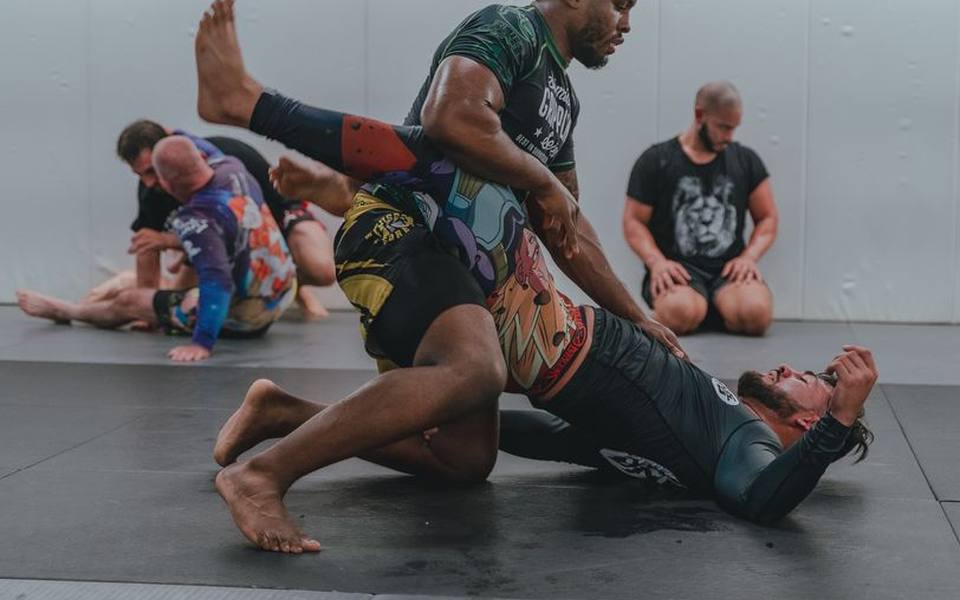
Earning a promotion in this environment typically requires substantial time on the mats, often between two to five years between major color advancements depending on consistency and athletic background. Coaches evaluate how well a student problem-solves against varied body types and whether they demonstrate sound defensive control. A blue or purple belt in this system is expected to navigate leg attacks cleanly, execute smooth guard recoveries, and sustain high-tempo rounds safely.
Belt graduations are often celebrated with marathon rolling sessions where newly promoted practitioners spar consecutive rounds against the entire room. This tradition emphasizes mutual respect, endurance, and shared effort across the team. For athletes transitioning from other martial arts, instructors generally assess existing grappling skill during open rolls to place them in an appropriate training group that matches their tactical fluency.
Essential Gear and Selecting the Best Jiu-Jitsu Brands
Training no-gi requires durable, purpose-built athletic apparel designed to withstand intense friction, stretching, and sweat saturation. Choosing among the best jiu jitsu brands means looking for gear engineered specifically for grappling rather than standard gym wear. Dedicated combat sports manufacturers build compression tops and grappling shorts with reinforced flatlock stitching, moisture-wicking polyester blends, and flexible waistbands that will not tear or slip during positional scrambles.
A quality rashguard is the core piece of equipment you will purchase, shielding your skin from mat burns and bacterial exposure while keeping muscles warm. Respected apparel labels such as Venum, Scramble, Tatami, Progress, and Phalanx produce heavy-duty compression shirts that retain their elasticity over hundreds of washes. When picking rashguards for academy training, ensure they fit snugly against the torso without excessive loose fabric that can snag toes or fingers.
Grappling shorts require equal attention: they must feature an internal drawstring, an elastic or hook-and-loop waistband, and zero external pockets, zippers, or hard plastic grommets that could cut training partners. Many practitioners also wear full-length compression spats beneath their shorts to protect their knees and shins. High-end brands use sublimated graphics dyed directly into the synthetic fibers, preventing the artwork from peeling or cracking when exposed to hard training and hot laundry cycles.
Integrating Submission Grappling with Mixed Martial Arts
The fundamental mechanics of no-gi grappling share an intimate operational connection with the sport of cage fighting. Because practitioners never learn to rely on cloth grips for offensive control or defensive stalling, their instincts transfer directly into mixed martial arts programs without requiring adjustments to strip out gi-dependent habits. Positioning, underhooks, head-position control, and hip switches remain completely identical whether wearing board shorts or stepping into the cage.
From a defensive standpoint, the system's focus on posture management from the bottom half-guard and closed guard is essential for surviving ground strikes. By using overhooks, the lockdown, and high knee shields, a fighter can bind an opponent's torso close to their chest, neutralizing their ability to generate punching leverage. Many professional mixed martial artists routinely cross-train at MMA gyms that partner directly with submission grappling affiliates to sharpen their ground finishes.
The submission threats developed in this methodology—such as rear naked strangles, front guillotine variants, and leg locks—are among the highest-percentage fight enders in mixed combat sports. Fighters trained in the system are comfortable operating in chaotic scrambles where sweat makes holds precarious. This tactical adaptability gives competitors a major advantage when hunting for finishes in the late rounds of challenging bouts.
Evaluating Coaching Quality and Academy Culture Before Signing Up
With thousands of training centers operating nationwide—including more than 4,500 martial arts schools in California and nearly 3,000 in Texas alone—finding the right gym culture requires thoughtful evaluation. Not all rooms run at the same intensity, and matching your personal training goals to an academy's day-to-day environment is crucial for sustained progress. A hobbyist seeking fitness and self-defense needs a different learning atmosphere than an aspiring competitive athlete.

When visiting an academy, observe how the coaching staff interacts with newest students. Instructors should actively correct technical errors, monitor pacing during rolling, and intervene immediately if a beginner appears lost or overwhelmed. Pay close attention to how higher-ranked students treat novices: in a healthy gym, senior practitioners use control and technique rather than raw strength to teach defensive principles during sparring.
Look into the cleanliness standards of the locker rooms and training surfaces, as mat-borne skin infections are easily avoided with proper disinfectant protocols. A reputable gym will have clear policies regarding training hygiene, mandatory footwear off the mats, and explicit safety expectations for sparring. If a gym hesitates to let you observe a class or participate in a trial session, explore other regional facilities that foster open, transparent training spaces.
Budgeting for Monthly Memberships and Long-Term Training Costs
Enrolling in a submission grappling gym involves a recurring financial commitment that varies significantly based on geographic location, facility amenities, and coaching pedigree. Monthly tuition at dedicated grappling academies typically ranges from $120 to $220, with metropolitan centers like Denver, Las Vegas, or Los Angeles leaning toward the higher end of that scale. Most academies offer month-to-month memberships, though discounted rates are often available if you commit to a six- or twelve-month training agreement.
Initial equipment expenses for no-gi training are substantially lower than gi-based programs because you do not need to buy an expensive cotton uniform right away. A dependable starter kit consisting of two quality rashguards, a pair of pocketless grappling shorts, and an athletic mouthguard usually costs between $100 and $180 depending on the brands you choose. Over time, serious practitioners may add knee sleeves, ear guards, and training spats to their gear bags as their training volume expands.
Be sure to ask about secondary fees before completing your enrollment contract. Inquire whether the gym charges separate testing or promotion fees, annual maintenance assessments, or cancellation penalties if your personal schedule changes. Clear, upfront communication regarding payment terms ensures that you can focus entirely on your physical development, technical growth, and long-term health on the mats without unwelcome billing surprises down the road.
Published 2026-09-21 · reviewed with each rebuild, last September 2026.
Find martial arts schools near you
The directory lists 32,877 martial arts schools by state and city — pick your state or use the “Near me” button in the header.
More guides
-
 Owning
Establishing a Proper Heavy Bag Routine and Striking Technique at Home
-
 Safety
Brazilian Jiu-Jitsu for Beginners: Tips, Fundamentals, and Mat Health
-
 Buying
Finding the Right Fit: A Guide to Sizing Your Jiu-Jitsu Uniform and Cross-Training Gear
-
 Money
MoneyHow Much Do Martial Arts Classes Cost? Membership Fees Breakdown
-
 Owning
What Is Mixed Martial Arts? Beginner Overview and Training Guide
-
 Owning
The History, Origins, and Physical Demands of Brazilian Jiu-Jitsu
-
 Owning
Traditional Martial Arts Guide: Understanding Wushu, Silat, and Naginata
-
 Owning
Understanding Mixed Martial Arts for Beginners
-
 Safety
How to Wrap Your Hands for Boxing: Step-by-Step Wrist and Knuckle Protection Guide
-
 Buying
Best Jiu-Jitsu Gis and Apparel: Complete Buyer's Guide and Sizing Chart
-
 Buying
BJJ vs Judo vs Wrestling vs No-Gi: Which Grappling Art Is Right for You?
-
 Buying
How to Choose the Best Jiu-Jitsu and MMA Gym Near You
-
 Owning
Brazilian Jiu-Jitsu for Beginners: Rules, Belt Ranks, and Mat Training
-
 Buying
Kickboxing Classes & Cardio Fitness Workouts Guide
-
 Owning
Martial Arts Belt Ranking Systems: Progression, Orders, and Displays
-
 Buying
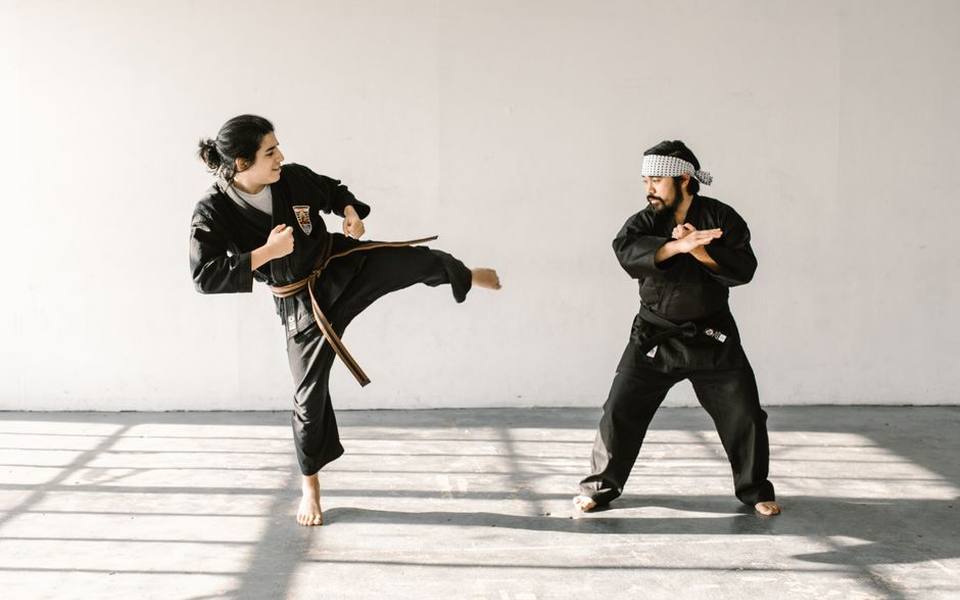
Jeet Kune Do: History, Philosophy, and Modern Training Guide
-
 Buying
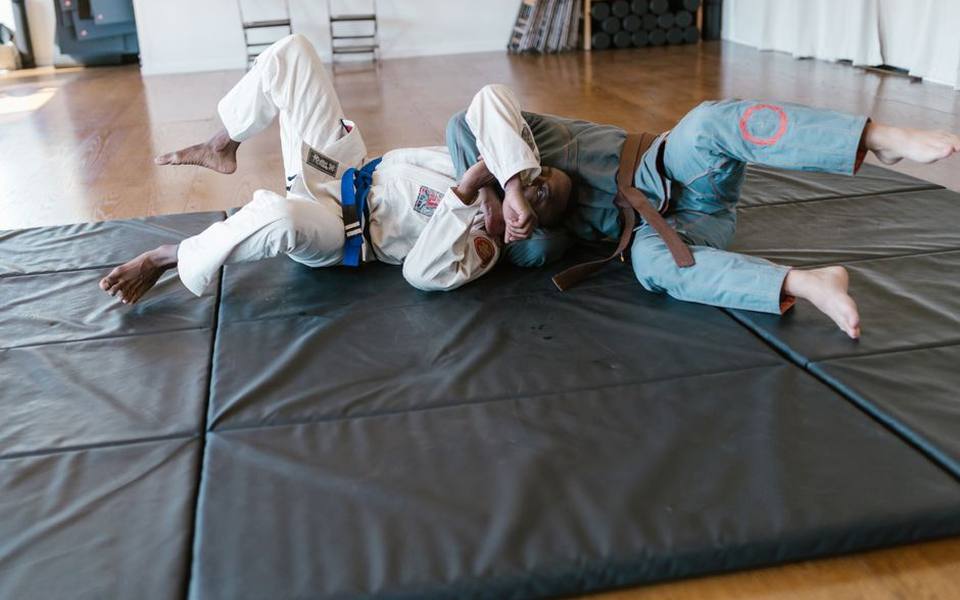
BJJ Gis and Uniforms Buyer's Guide: Brands, Fit, and Care
-
 Buying
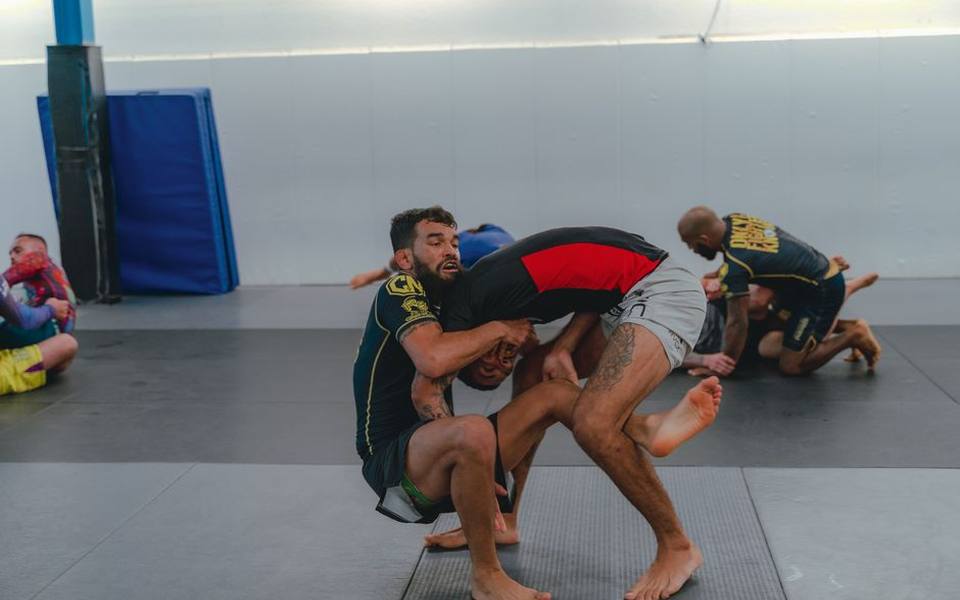
Gracie Jiu-Jitsu Lineages, Academy Networks, and Training Philosophies
-
 Safety
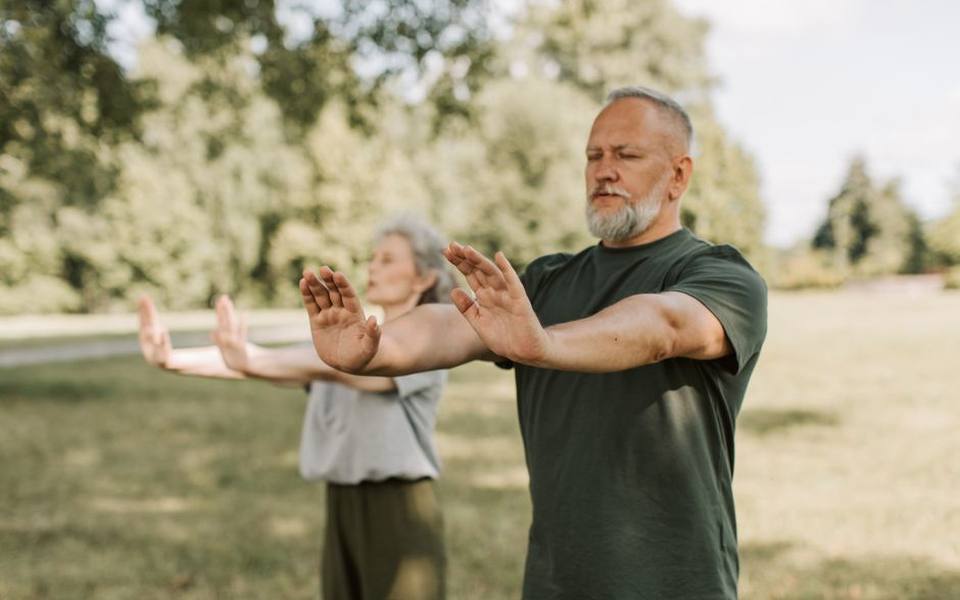
Tai Chi Classes for Seniors: Health Benefits, Styles, and Practice Guide
-
 Owning
Heavy Bag and Boxing Workouts: Home Setup, Gear Selection, and Training Guide
-
 Buying
Adult Karate and Taekwondo Classes: Getting Started and Gi Sizing
-
 Owning
IBJJF Tournaments and Competition Guide: Databases, Rules, and Events
-
 Safety
Custom vs. Boil-and-Bite Mouthguards: Complete Selection and Fitting Guide
-
 Safety
Women's and Adult Self-Defense Training Guide: Techniques, Classes, and Systems
-
 Owning
Traditional Chinese Martial Arts: Shaolin, Wing Chun, Jeet Kune Do, and Gear Guide
-
 Buying
Adult Martial Arts Guide: Choosing the Right Style, Gym, and Training Class
-
 Buying
Filipino Martial Arts, Kenpo, Aikido, and HEMA: Comparing Traditional Combat Styles
-
 Owning
Heavy Bag Workout Guide: Routines, Drills, and Training for Cardio and Weight Loss
-
 Buying
Muay Thai and Cardio Kickboxing Classes: Training, Techniques, and Fitness Programs
-
 Buying
BJJ Gis, Rash Guards, and Apparel: How to Choose, Size, and Care for Jiu-Jitsu Gear
-
 Safety
Women's and Adult Self-Defense Classes: Selecting Programs for Real-World Safety
-
 Owning
Martial Arts Belts and Ranks: Belt Order, Taping, and Display Racks Guide
-
 Safety
Martial Arts Conditioning, High-Kick Mobility, and Protective Gear Guide
-
 Buying
Kids and Toddler Martial Arts: Complete Guide to Classes, Camps, and Family Dojos
-
 Owning
How to Hang a Heavy Bag: Ceiling and Wall Mounting Installation Guide
-
 Buying
Brazilian Jiu-Jitsu Schools, Academies, and Lineages: A Complete Guide
-
 Buying
Martial Arts Gyms, Fitness Studios, and Dojos Directory Guide
-
 Buying
Traditional Martial Arts Styles and Specialized Disciplines Guide
-
 Owning
BJJ and Martial Arts Gi Selection, Sizing, and Equipment Care Guide