Starting Martial Arts as an Adult Beginner
Adults stepping onto a martial arts mat for the first time often worry that traditional striking arts are reserved for children or lifelong practitioners. The reality is that beginner programs in both Karate and Taekwondo regularly welcome men and women in their twenties, forties, and sixties who want structured conditioning, practical self-defense, and mental focus. You do not need preexisting flexibility or athletic experience to attend your first session, as good instructors calibrate drills to an adult body's baseline mobility.
While both disciplines trace roots through centuries of striking history, their core training mechanics differ noticeably. Karate, originating in Okinawa and Japan, emphasizes grounded stances, linear strikes, hip rotation, and upper-body blocking combinations designed to stop incoming force. Taekwondo, developed in Korea, prioritizes dynamic footwork, longer-range kicking combinations, and rapid hip transitions that develop explosive leg power and core stability.
Finding an academy with dedicated adult training tracks rather than mixed all-ages classes ensures the pacing fits mature joints and work schedules. Adult beginners benefit most from curricula that explain the biomechanical reason behind every stance instead of simply demanding rote repetition. Taking the time to observe an evening class lets you gauge whether the culture is welcoming, disciplined, and mindful of adult safety.
What to Expect in an Adult Karate Program
A typical adult Karate session runs between sixty and ninety minutes and is split into three core pillars: kihon (basics), kata (predetermined forms), and kumite (sparring). The class begins with a brief bowing ceremony and dynamic mobility warm-ups focusing on the ankles, hips, and shoulders. Beginners spend the first third of class learning fundamental stances like the front stance (zenkutsu-dachi) and horse stance (kiba-dachi), which build lower-body endurance and stable posture under fatigue.
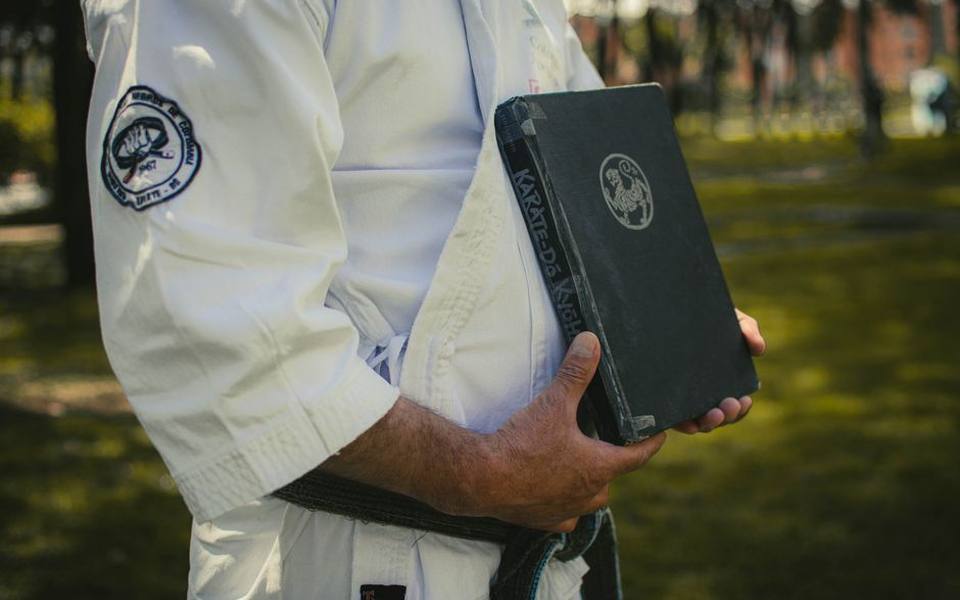
The middle portion of class emphasizes forms, which are sequenced combinations of strikes, blocks, and turns executed against imaginary opponents. For adults, practicing kata serves as low-impact interval training that reinforces balance, breath control, and muscle memory without the joint stress associated with heavy impact. Instructors frequently break down practical bunkai (applications), demonstrating how formal movements translate into real-world wrist escapes, off-balancing techniques, and counter-strikes.
Sparring in an adult beginner class is strictly controlled and typically non-contact or light touch, relying on foam pads and clear rules. Novices do not engage in chaotic free-sparring on day one; instead, you practice one-step or three-step drills where an attack is pre-announced and you practice timed defensive counters. This step-by-step progression builds spatial awareness, reaction speed, and confidence without requiring you to take heavy hits before your defense is developed.
Navigating Adult Taekwondo Training and Sparring Styles
Adult Taekwondo classes place heavy emphasis on lower-body agility, cardiovascular conditioning, and high-cadence kicking drills. Workouts routinely incorporate plyometric hops, leg swings, and core strengthening exercises designed to open tight hip flexors and build hamstring flexibility safely. Because adults often sit at desks for long hours, instructors typically dedicate significant time to progressive stretching routines that protect the lower back and knees from sudden strain.
Training formats generally align with one of two major lineages: World Taekwondo (WT), known for Olympic-style sparring with electronic sensors and chest protectors, or International Taekwon-Do Federation (ITF), which incorporates more linear hand strikes, semi-contact sparring, and traditional sine-wave body mechanics. Beginners work on stationary kicking pads first, learning the mechanics of roundhouse kicks, front snaps, side kicks, and axe kicks before practicing running combinations on shields.
Forms in Taekwondo, called poomsae or teul depending on the style, challenge an adult student's coordination through sharp turns, chambered blocks, and held balancing kicks. Practicing these patterns sharpens mental discipline after a workday while burning significant calories. As you progress through colored belts, class formats introduce controlled tactical sparring, emphasizing distance management, footwork angles, and timing over raw power.
Evaluating Local Academies for Adult Learners
When looking for quality instruction, the physical proximity of an academy matters, but its student demographics matter even more. Many strip-mall schools survive primarily on youth programs, which can result in adult classes being treated as an afterthought or combined into chaotic family hours. Exploring dedicated traditional martial arts schools helps you identify dojos and dojangs that run standalone adult cohorts at convenient evening or early morning times.
Check whether the head instructor holds recognized black belt credentials from reputable governing bodies like the Japan Karate Association (JKA), Shotokan Karate-do International Federation (SKIF), World Taekwondo (Kukkiwon), or the ITF. Legitimate credentials ensure that belt testing criteria follow international standards rather than arbitrary commercial promotions. A reputable academy should provide transparent fee schedules, clear curriculum outlines, and a safety-first sparring policy that requires proper protective gear.
It also helps to inspect how the facility balances traditional disciplines alongside other styles. Some locations operate alongside family martial arts programs or offer high-intensity kickboxing classes on alternate days. You can browse thousands of verified facilities across the country through our directory of training centers to compare schedules, read reviews, and confirm the availability of adult beginner courses.
Decoding Martial Arts Uniform Sizing Systems
Martial arts uniforms—known as a gi in Japanese arts and a dobok in Korean arts—use a specialized numbering system that puzzles most first-time buyers. Instead of standard apparel sizing like small, medium, or large, traditional uniforms are labeled on a numerical scale running from size 0000 up to size 7 or 8. Numbers 0000 through 2 correspond to children's measurements, while sizes 3 through 7 are designed to fit adult frames.
The adult sizing spectrum generally aligns with both height and total body weight. A size 3 typically accommodates adults standing roughly 5'3" to 5'6" with an average build, while a size 4 fits individuals between 5'7" and 5'10". Taller students between 5'11" and 6'2" usually wear a size 5, and adults above 6'2" or those with heavier athletic frames step into sizes 6 or 7. Because cut styles vary between traditional Japanese and modern Korean manufacturers, checking height and weight thresholds together is essential.
A proper fit provides ample freedom of movement around the shoulders, groin, and thighs without dragging on the floor. Stances like deep lunges and jumping kicks demand non-restrictive cuts in the pants gusset. If a uniform is too tight, it will tear at the seams during kicking drills; if it is too loose, excess fabric can become a tripping hazard or give sparring partners unintended leverage during close-quarters drills.
How to Measure Your Body for a Uniform
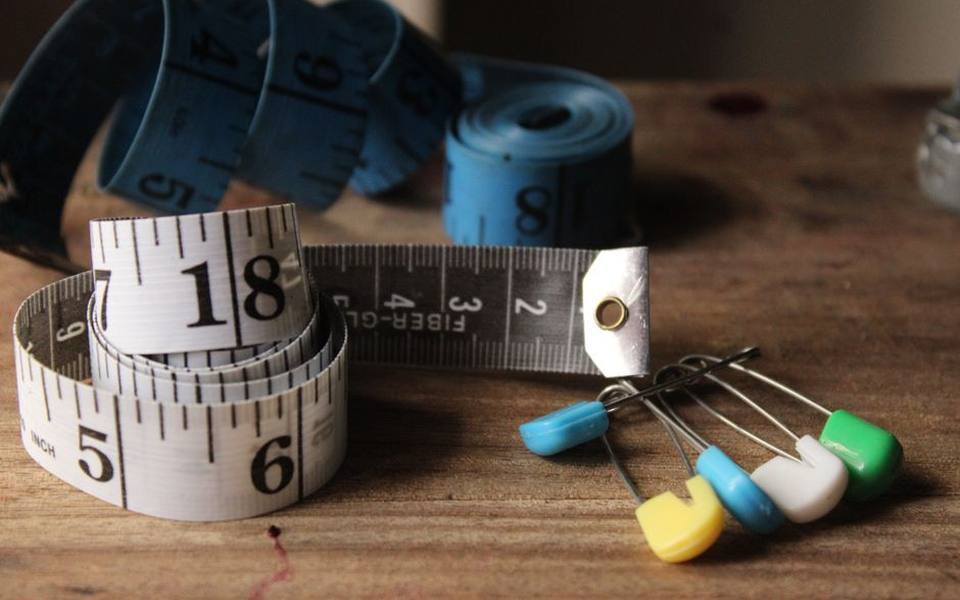
To pick the correct uniform size, grab a soft fabric measuring tape and record three key metrics: your total height, your chest circumference, and your inseam. Stand barefoot against a wall with your feet flat to record an accurate standing height. For chest measurements, run the tape under your armpits across the fullest part of your pectorals, keeping the tape level across your back while breathing normally.
Inseam measurement is critical because martial arts pants are hemmed shorter than standard casual trousers. Traditional pants are designed to hang roughly two to three inches above the ankle bone to prevent students from stepping on their own hems during fast pivots and stance transitions. Measure from the base of your groin down to just above the ankle bone to establish your ideal finished pant length.
Weight distribution plays a deciding role whenever your measurements fall between two sizes on a manufacturer's chart. If your height suggests a size 4 but your chest or hip circumference leans heavier, sizing up to a 5 is almost always the correct move. Taking in a loose jacket cuff or hemming long pant legs is inexpensive and straightforward, whereas a jacket that fails to overlap across your chest cannot be altered outward.
Understanding Fabric Weights and Materials
Uniforms range from featherweight blends to stiff, heavy canvas, and each fabric weight serves a distinct functional purpose. Lightweight suits generally weigh between 6 and 8 ounces per square yard and are typically made from a cotton-polyester blend. These uniforms breathe exceptionally well, resist deep wrinkling, and dry quickly, making them a practical, budget-friendly choice for adult white belts starting their first year of training.
Middleweight uniforms, falling in the 10 to 12-ounce range, represent the daily workhorse option for committed practitioners. Constructed from 100 percent brushed cotton or durable drill fabric, they offer a balance of breathability, sweat absorption, and tear resistance. Middleweight fabric holds crisp lines during stance presentations and withstands repetitive partner drills without fraying along the collar or cuff seams.
Heavyweight uniforms weigh anywhere from 14 to 16 ounces and are tailored from dense canvas or double-weave cotton. Advanced Karate practitioners prefer these suits for formal kata demonstrations because the thick weave generates a distinct snapping sound when strikes and blocks are executed with crisp technique. However, heavyweight suits are hotter, require extended drying times, and can feel restrictive to new students who are still adjusting to moving in martial arts attire.
Karate Gi Versus Taekwondo Dobok Design Differences
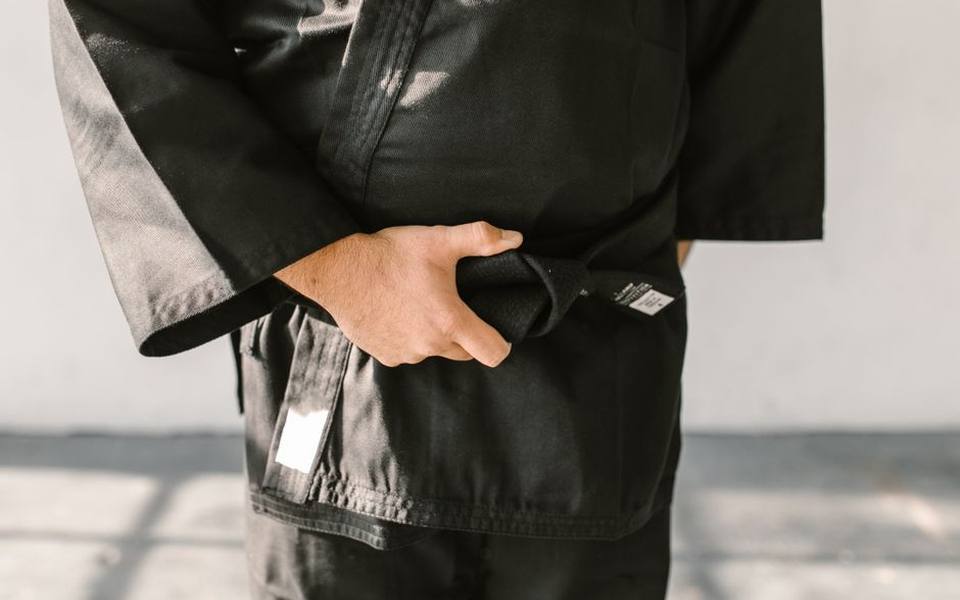
While non-practitioners often confuse them, Karate and Taekwondo uniforms feature completely different jacket architectures. The traditional Karate gi uses an open wrap-around jacket that folds left-over-right across the chest and ties on both sides with internal cloth cords before being cinched shut by a martial arts belt. This open jacket structure allows chest airflow and accommodates close-range framing and joint locking movements.
In contrast, the standard World Taekwondo dobok uses a pullover tunic featuring a solid V-neck collar, often trimmed in white for color belts and black for dan grades. This closed V-neck construction eliminates loose jacket flaps that could tangle in footwork drills or shift under electronic scoring chest protectors. Traditional ITF Taekwondo uniforms sometimes use a front-opening jacket secured with a vertical hook-and-loop strip, but pullovers remain the most common style found in contemporary academies.
Pants cuts also reflect the biomechanics of each discipline. Taekwondo pants feature an exaggerated triangular or diamond-shaped crotch gusset designed to eliminate seam resistance when throwing head-level kicks or 360-degree spinning strikes. Karate pants emphasize rugged reinforced knees to survive ground-level transitions, low stances, and traditional kneeling meditation posture (seiza).
Reading Standard Size Charts and Accounting for Shrinkage
Standard uniform charts translate height and weight directly into numbered sizes. A student standing 5'1" to 5'4" and weighing between 110 and 140 pounds generally fits into a size 3. Adults between 5'5" and 5'9" weighing 140 to 175 pounds fit into a size 4. Those measuring 5'10" to 6'1" and weighing 175 to 210 pounds fit a size 5, while sizes 6 and 7 serve taller individuals up to 6'6" or those weighing over 210 pounds.
Fabric composition dictates how much shrinkage you must anticipate after your initial wash cycles. Uniforms woven from 100 percent cotton typically contract by five to ten percent across sleeve length and pant inseam during their first three washes, even in cool water. Cotton-poly blends, by comparison, are pre-shrunk or highly dimensionally stable, exhibiting less than two percent shrinkage under normal laundering.
If you purchase a 100 percent cotton uniform and the jacket cuffs sit right at your wrist bones out of the package, the sleeves will almost certainly creep up your forearm after washing. When buying pure cotton, selecting one size larger gives you the necessary allowance for shrinkage, ensuring your suit remains within standard tournament regulations and fits comfortably across your shoulders over months of heavy use.
First-Class Etiquette and Gear Maintenance
Walking into your initial class is easier when you know traditional mat etiquette. Remove your shoes and socks before stepping onto the training floor, as bare feet preserve mat hygiene and provide necessary traction for pivoting. Students bow toward the center of the training floor when entering or leaving the dojo or dojang as a sign of mutual respect for the space, the instructors, and fellow training partners.
Keep your uniform clean, pressed, and odor-free by washing it promptly after every session. Leaving damp gear inside a gym bag encourages mildew growth and permanent fiber discoloration. While jackets and pants should be laundered frequently, martial arts tradition dictates that you never wash your rank belt, as doing so damages the structural stitching and fades the dye prematurely; simply air it out alongside your uniform.
Trim your fingernails and toenails short before each workout to avoid scratching training partners during paired drills. Remove all watches, rings, earrings, and necklaces prior to stepping on the floor to prevent accidental snags. Approaching your training with humility, listening attentively, and moving at a sustainable pace will make your transition into adult martial arts both safe and deeply rewarding.
Published 2026-09-21 · reviewed with each rebuild, last September 2026.
Find martial arts schools near you
The directory lists 32,877 martial arts schools by state and city — pick your state or use the “Near me” button in the header.
More guides
-
 Owning
Establishing a Proper Heavy Bag Routine and Striking Technique at Home
-
 Safety
Brazilian Jiu-Jitsu for Beginners: Tips, Fundamentals, and Mat Health
-
 Buying
Finding the Right Fit: A Guide to Sizing Your Jiu-Jitsu Uniform and Cross-Training Gear
-
 Money
MoneyHow Much Do Martial Arts Classes Cost? Membership Fees Breakdown
-
 Owning
What Is Mixed Martial Arts? Beginner Overview and Training Guide
-
 Owning
The History, Origins, and Physical Demands of Brazilian Jiu-Jitsu
-
 Owning
Traditional Martial Arts Guide: Understanding Wushu, Silat, and Naginata
-
 Owning
Understanding Mixed Martial Arts for Beginners
-
 Safety
How to Wrap Your Hands for Boxing: Step-by-Step Wrist and Knuckle Protection Guide
-
 Buying
Best Jiu-Jitsu Gis and Apparel: Complete Buyer's Guide and Sizing Chart
-
 Buying
BJJ vs Judo vs Wrestling vs No-Gi: Which Grappling Art Is Right for You?
-
 Buying
How to Choose the Best Jiu-Jitsu and MMA Gym Near You
-
 Owning
Brazilian Jiu-Jitsu for Beginners: Rules, Belt Ranks, and Mat Training
-
 Buying
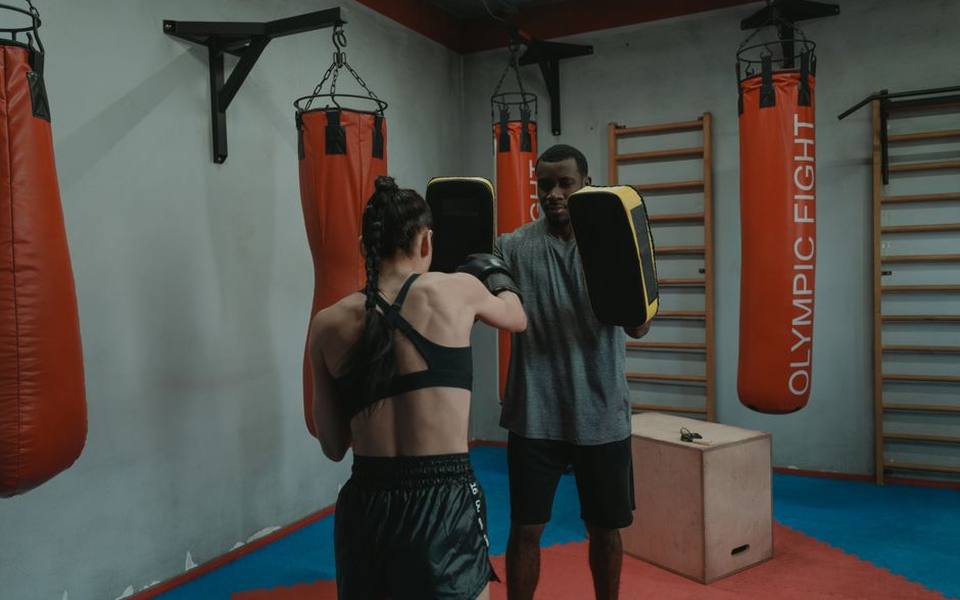
Kickboxing Classes & Cardio Fitness Workouts Guide
-
 Owning
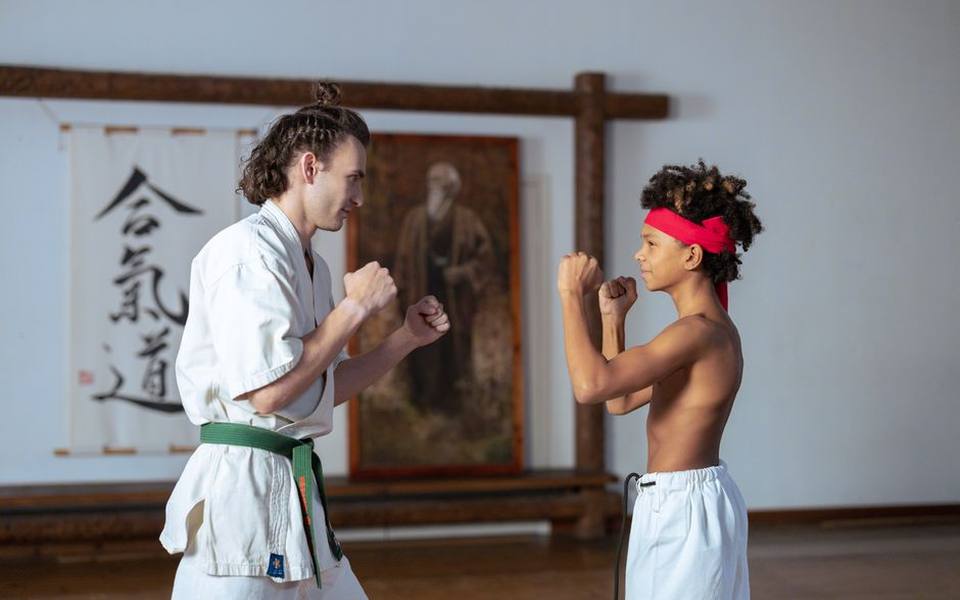
Martial Arts Belt Ranking Systems: Progression, Orders, and Displays
-
 Buying
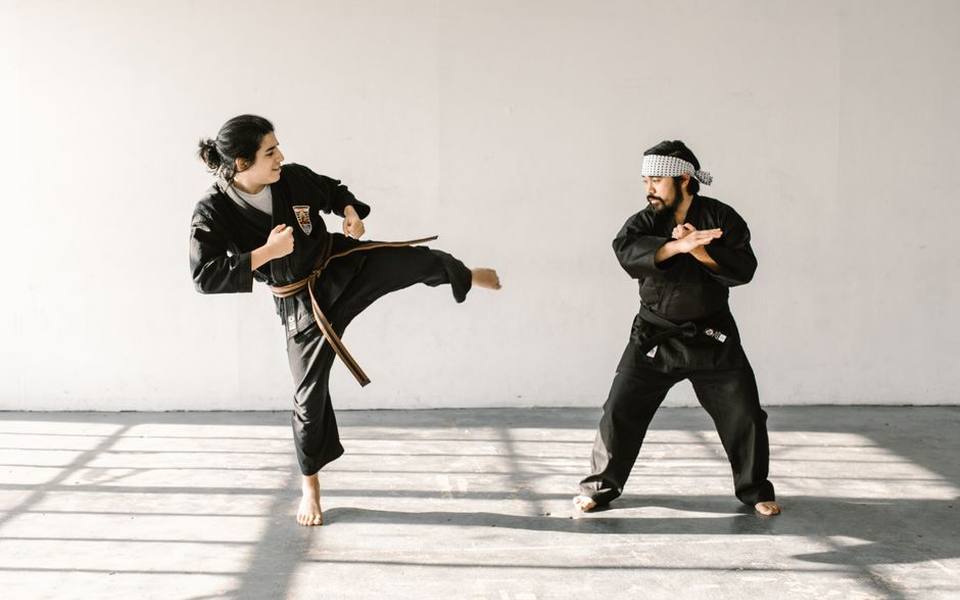
Jeet Kune Do: History, Philosophy, and Modern Training Guide
-
 Buying
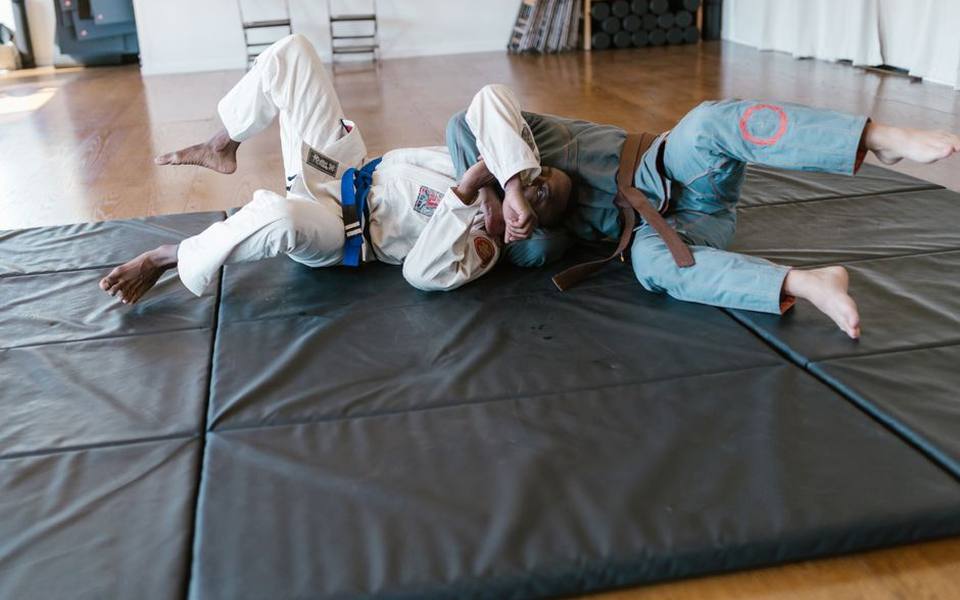
BJJ Gis and Uniforms Buyer's Guide: Brands, Fit, and Care
-
 Buying
Gracie Jiu-Jitsu Lineages, Academy Networks, and Training Philosophies
-
 Buying
10th Planet Jiu-Jitsu: Complete Guide to the No-Gi System and Academies
-
 Safety
Tai Chi Classes for Seniors: Health Benefits, Styles, and Practice Guide
-
 Owning
Heavy Bag and Boxing Workouts: Home Setup, Gear Selection, and Training Guide
-
 Owning
IBJJF Tournaments and Competition Guide: Databases, Rules, and Events
-
 Safety
Custom vs. Boil-and-Bite Mouthguards: Complete Selection and Fitting Guide
-
 Safety
Women's and Adult Self-Defense Training Guide: Techniques, Classes, and Systems
-
 Owning
Traditional Chinese Martial Arts: Shaolin, Wing Chun, Jeet Kune Do, and Gear Guide
-
 Buying
Adult Martial Arts Guide: Choosing the Right Style, Gym, and Training Class
-
 Buying
Filipino Martial Arts, Kenpo, Aikido, and HEMA: Comparing Traditional Combat Styles
-
 Owning
Heavy Bag Workout Guide: Routines, Drills, and Training for Cardio and Weight Loss
-
 Buying
Muay Thai and Cardio Kickboxing Classes: Training, Techniques, and Fitness Programs
-
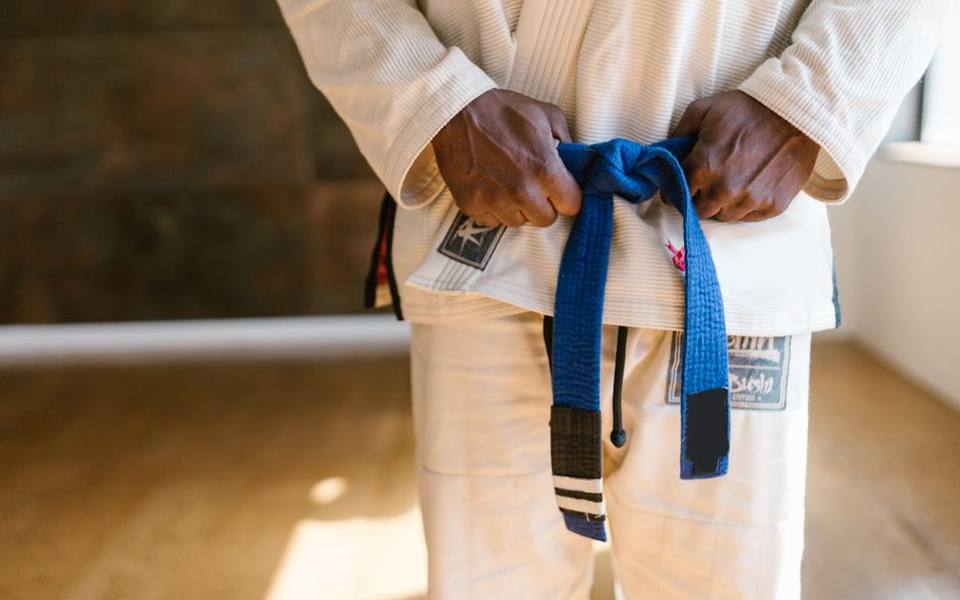 Buying
BJJ Gis, Rash Guards, and Apparel: How to Choose, Size, and Care for Jiu-Jitsu Gear
-
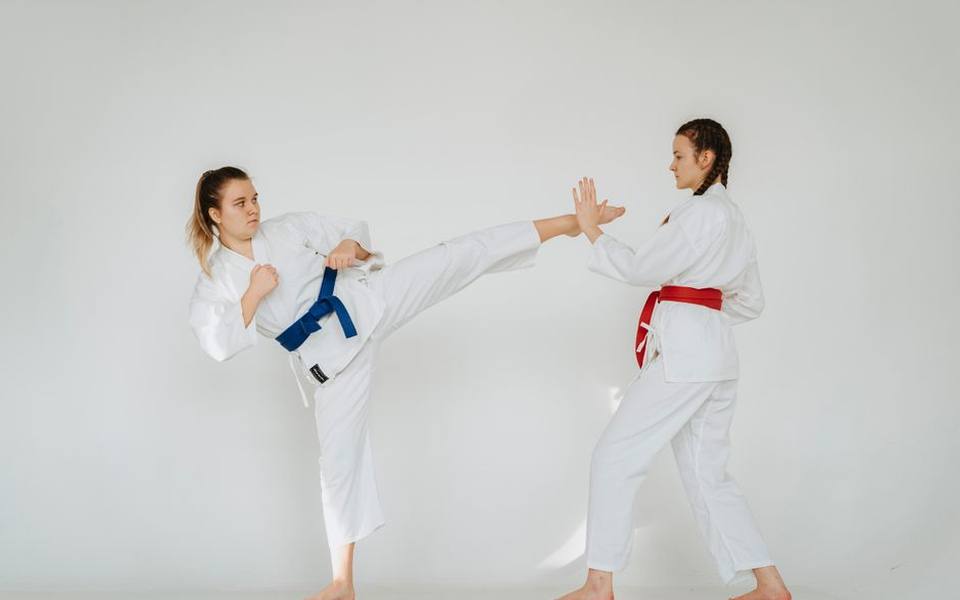 Safety
Women's and Adult Self-Defense Classes: Selecting Programs for Real-World Safety
-
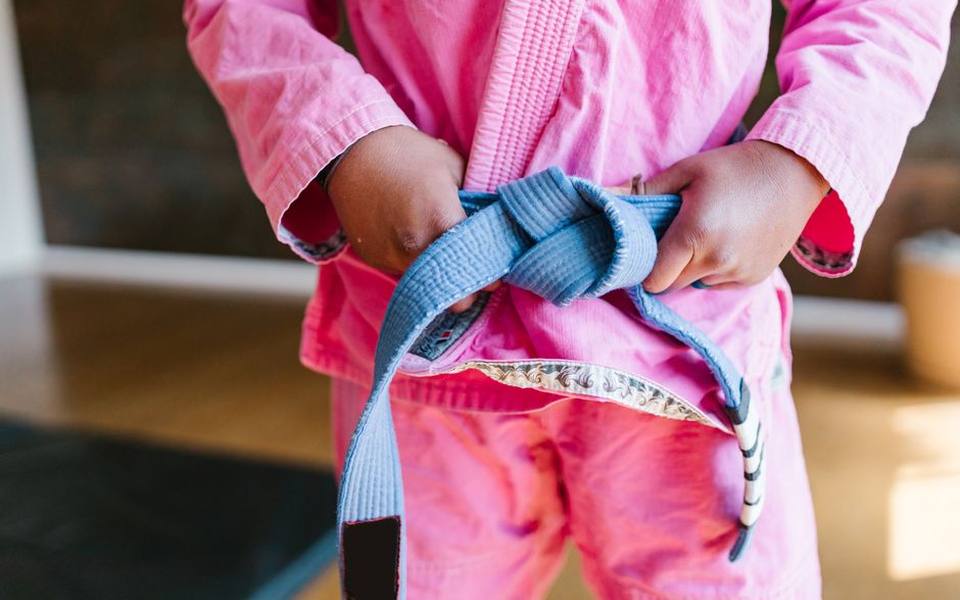 Owning
Martial Arts Belts and Ranks: Belt Order, Taping, and Display Racks Guide
-
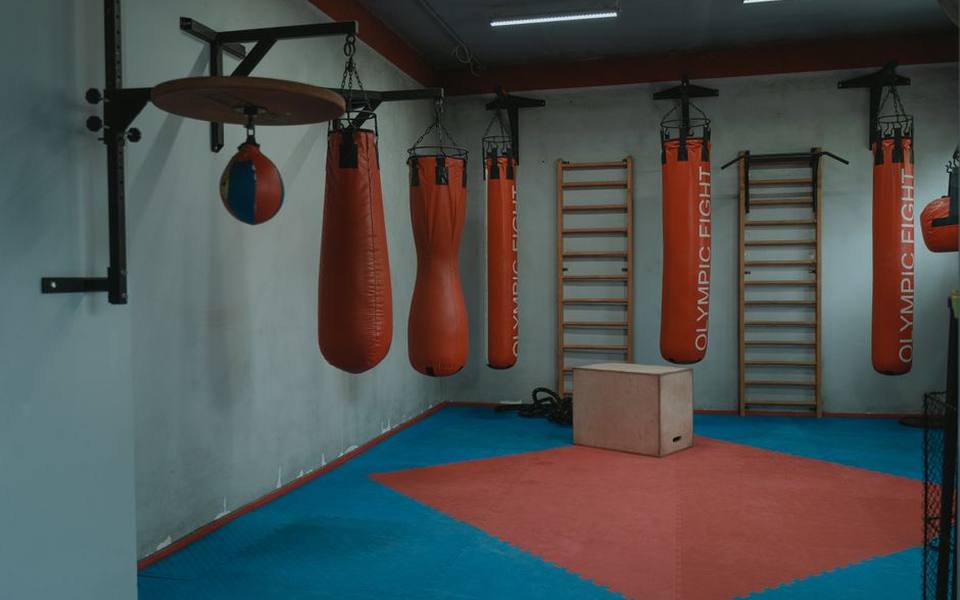 Safety
Martial Arts Conditioning, High-Kick Mobility, and Protective Gear Guide
-
 Buying
Kids and Toddler Martial Arts: Complete Guide to Classes, Camps, and Family Dojos
-
 Owning
How to Hang a Heavy Bag: Ceiling and Wall Mounting Installation Guide
-
 Buying
Brazilian Jiu-Jitsu Schools, Academies, and Lineages: A Complete Guide
-
 Buying
Martial Arts Gyms, Fitness Studios, and Dojos Directory Guide
-
 Buying
Traditional Martial Arts Styles and Specialized Disciplines Guide
-
 Owning
BJJ and Martial Arts Gi Selection, Sizing, and Equipment Care Guide