Exploring the Foundations of Heritage Martial Arts
Traditional combat styles carry centuries of cultural history, biomechanics, and martial philosophy that differ radically from modern combat sports. While ring sports prioritize rule-bound scoring and direct knockouts, heritage arts like Chinese Wushu, Southeast Asian Pencak Silat, and Japanese Naginata emerged from battlefield survival, personal self-defense, and refined spiritual discipline. Stepping into these systems requires an appreciation for weapons lineage, expressive forms, and functional mobility. Practitioners often discover that training in classical systems fundamentally changes how they move, breathe, and view spatial awareness.
Each art reflects its geography and tactical environment. Chinese systems developed sweeping, acrobatic routines alongside brutal close-range strikes, while Indonesian and Malaysian jungles demanded the grounded, serpentine body mechanics of Silat. In feudal Japan, open field warfare favored polearms like the naginata to neutralize cavalry and maintain perimeter distance. Exploring these arts broadens your perspective beyond simple punching and kicking, introducing intricate footwork and historical weaponry that remain remarkably relevant to physical conditioning today.
Beyond cultural immersion, dedicating yourself to any historical style tests physical capacity, cardiovascular endurance, and body composition. Beginners often arrive looking to improve balance, learn historic weapons, and shed excess weight, only to encounter practical training challenges like ear pressure after rolling or sore joints after low stances. Approaching traditional training with an understanding of both martial mechanics and physical recovery ensures you develop authentic technique without burning out or risking unnecessary injury.
What Wushu Brings to the Modern Training Floor
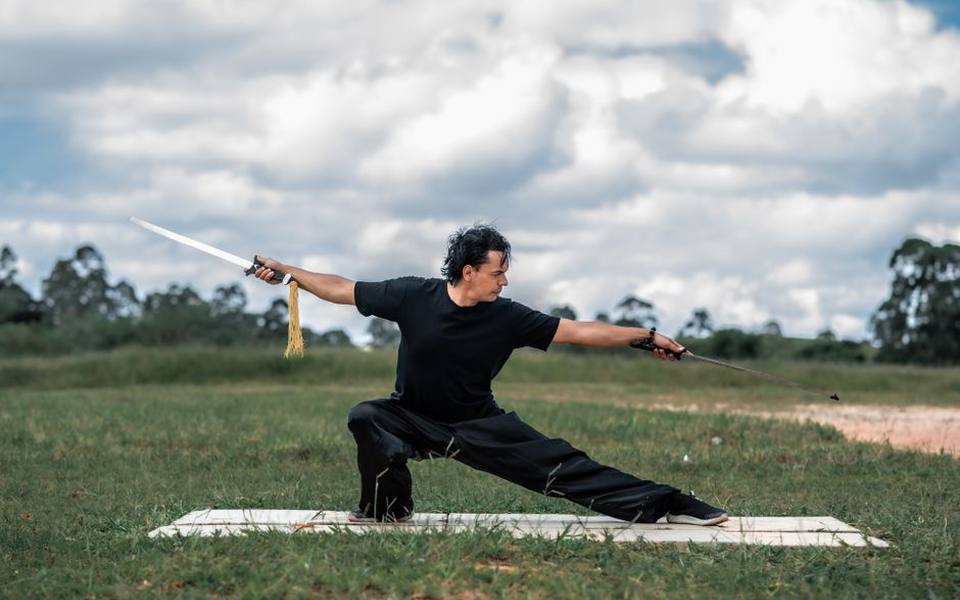
Chinese Wushu represents a vast umbrella of martial arts rooted in centuries of military conditioning and regional traditions, later standardized in modern China into performance and combat branches. Historically linked to Kung Fu styles like Changquan and Nanquan, Wushu emphasizes fluid transitions, deep stances, explosive jumping kicks, and traditional weaponry like the straight sword, broadsword, and spear. Training focuses heavily on building extraordinary flexibility, tendon strength, and rotational power through demanding solo sequences known as taolu.
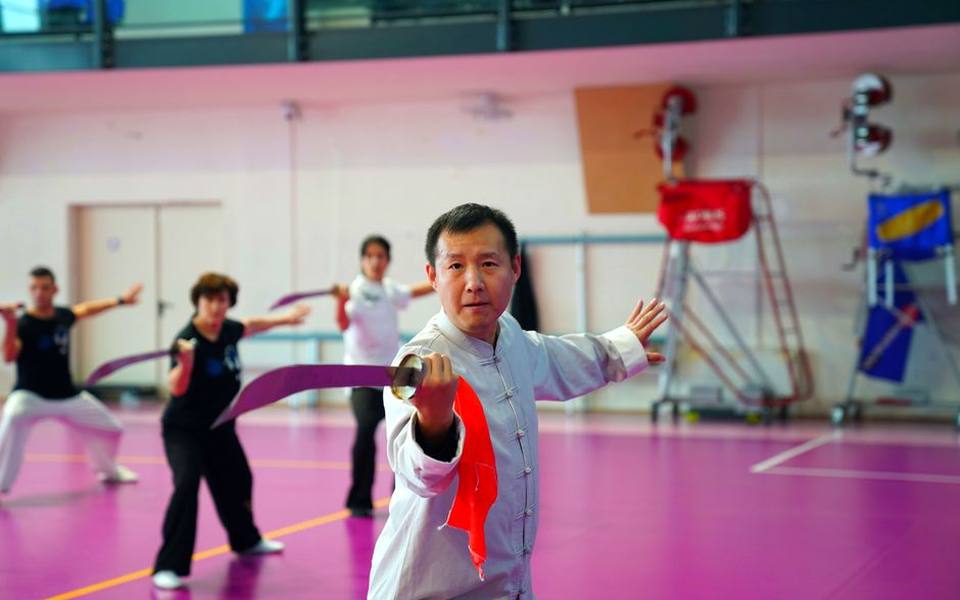
Alongside expressive solo forms stands Sanda, the full-contact sparring component of Wushu that combines kickboxing with rapid wrestling takedowns, throws, and sweeps. Sanda discards theatrical choreography in favor of direct combat effectiveness, making it a favorite base for modern mixed martial artists. Practitioners learn to catch incoming kicks, off-balance opponents using leverage, and strike cleanly at long and short distances. This duality allows students to choose between artistic discipline and realistic sparring.
Practicing Wushu demands high kinetic energy and full-body engagement, which burns substantial calories across an hour-long class. Beginners spend weeks learning basic stances like mabu (horse stance) and gongbu (bow stance), which develop ironclad hip mobility and core stability. If you wish to build athletic agility while exploring classical Chinese weapon sets, locating dedicated Traditional Martial Arts Schools with qualified instructors offers an ideal starting point for structured progression.
Inside the Fluid Geometry of Pencak Silat
Pencak Silat is the indigenous martial discipline of the Indonesian archipelago and Malay world, characterized by deceptive footwork, close-quarters trapping, and devastating joint destructions. Unlike arts that fight in rigid linear patterns, Silat relies on low, dynamic crouching stances, sudden shifts in angles, and serpentine body motions known as liuk. Practitioners learn to absorb incoming momentum, redirect limbs effortlessly, and attack anatomical weak points like the throat, groin, and nerve clusters.
Weaponry sits at the absolute core of Silat rather than serving as an afterthought. Students train extensively with the kerambit (a curved claw knife), the parang (machete), and flexible weapons like the sarong, learning that empty-hand strikes mirror edged weapon motions. Empty-hand techniques utilize elbows, knees, open palms, and sweeps designed to drop an adversary onto hard surfaces immediately. This pragmatic approach makes Silat an exceptionally potent self-defense system in confined spaces.
The training atmosphere in a traditional Silat gelanggang blends rhythmic martial movement with intense physical conditioning. Practitioners develop remarkable core strength and lower back resilience through sustained low floor transitions, sweeping drills, and flow sparring. Because strikes frequently target limbs and joints from unpredictable vectors, students cultivate heightened peripheral awareness and fast reflexes that transfer directly into any combative scenario.
Understanding the Naginata and Its Living Heritage
A naginata is a traditional Japanese pole weapon consisting of a long wooden shaft typically measuring six to eight feet, crowned with a curved, single-edged steel blade. Historically wielded by samurai foot soldiers and warrior monks (sohei), the naginata offered reach against mounted horsemen and allowed fighters to slice through vulnerable armor seams from outside sword range. Over centuries, it also became the signature defensive weapon taught to women of the samurai class to safeguard their estates and families.
In contemporary practice, two primary lineages keep the weapon alive: classical Naginatajutsu (koryu) and modern Atarashii Naginata (budo). Classical schools preserve lethal cutting angles, grappling techniques with the shaft, and battlefield tactics against sword-wielding opponents. Modern Atarashii Naginata functions similarly to Kendo, utilizing a bamboo-bladed weapon, protective bogu armor, and strict rules governing valid target strikes to the head, throat, wrists, torso, and shins.
Wielding a naginata requires symmetrical balance and constant hand-sliding along the shaft, demanding equal coordination from both your dominant and non-dominant sides. This continuous shifting exercises the shoulders, upper back, and obliques in ways single-handed sword arts cannot replicate. The weapon teaches acute distance management, where an error of two inches determines whether a cut lands cleanly or falls short of the target mark.
Comparing Weapons, Lineages, and Training Environments
While Wushu, Silat, and Naginata all share classical roots, the physical experience of studying them differs substantially. Wushu emphasizes athletic speed, explosive leaps, and theatrical execution in forms alongside gritty takedowns in Sanda. Silat focuses on deceptive infighting, ground scrambles, and short edged weapons suited for real-world defense. Naginata, by contrast, centers around poise, linear precision, distance control, and mastering an eight-foot wooden implement with ceremonial etiquette.
Gear requirements also diverge significantly across these disciplines. Wushu students typically train in light silk garments and thin-soled flat shoes, adding boxing gloves and shin guards for Sanda sparring. Silat utilizes lightweight black uniforms (baju silat), frequently training barefoot on mats or outdoors on packed earth. Naginata students wear heavy indigo hakama and uwagi, eventually investing in specialized armor including a padded helmet (men), chest protector (do), and shin guards (sune-ate).
Choosing among them depends on your personal training objectives. If you desire acrobatics and full-body aerobic conditioning, Chinese arts provide unmatched athletic challenge. If you want raw close-quarters self-defense and knife defense mechanics, Southeast Asian Silat holds distinct advantages. For those drawn to Japanese discipline, weapon geometry, and formal armored duels, practicing the naginata provides deep historical immersion without the high-impact concussions common in modern striking sports.
Managing Physical Conditioning and Shedding Body Fat
Many students take up traditional martial arts hoping to drop excess weight and transform their physique quickly. When people ask how can you lose body fat fast or how do I lose body fat quickly, the answer lies in combining intense metabolic output with consistent dietary discipline. The explosive bursts, deep isometric horse stances, and dynamic footwork found in Wushu and Silat create substantial cardiovascular burn that forces your body to tap into stored energy reserves.
To drop fat rapidly without sacrificing muscle mass, you must establish a moderate caloric deficit, typically consuming 300 to 500 calories below maintenance each day. While drastic crash diets promise fast numbers on the scale, they primarily strip water weight and lean muscle tissue, leaving you sluggish during training sessions. A structured approach prioritizes high lean protein intake (typically around 0.8 to 1.0 grams per pound of body weight), fibrous vegetables, and complex carbohydrates timed before high-intensity workouts.
Consistency on the training floor compounds these dietary adjustments. Combining three to four weekly martial arts classes with basic compound resistance training preserves metabolic rate while your body mobilizes stored fat. Many academies recognize this synergy, providing specialized Martial Arts Schools with Fat Loss Programs that integrate high-intensity conditioning alongside fundamental martial drills to accelerate healthy weight reduction.
The Science of Safe and Rapid Caloric Deficits
When individuals wonder how can I lose body fat quick, they often underestimate the physiological limits of body fat mobilization. In reality, safe and sustainable fat loss hovers around one to two pounds per week, though larger individuals may lose slightly more during the initial weeks of a structured training regimen. Attempting to force faster reductions through severe caloric restriction spikes cortisol, crashes thyroid output, and elevates injury risk on the dojo floor.
Hydration plays a critical, yet frequently overlooked, role in shedding body fat efficiently. Dehydration slows metabolic processes, reduces liver efficiency in converting stored fat to fuel, and severely degrades muscular endurance during sparring or weapons drills. Drinking adequate water throughout the day ensures optimal kidney function and helps suppress artificial hunger cues that lead to late-night snacking after grueling evening classes.
Tracking daily energy intake remains the most reliable strategy for anyone seeking quick fat loss. Using a simple food diary or digital tracker for two weeks reveals hidden liquid calories, cooking oils, and portion sizes that easily stall progress. Pair this awareness with traditional forms training, which forces high-volume muscle recruitment across your entire kinetic chain, and your body composition will shift visibly within six to eight weeks.
Dealing With Fluid in the Ear and Mat Health
A common physical complaint among martial arts practitioners involves persistent ear discomfort, often prompting questions like how do you get fluid out of your ear or how can you get fluid out of your ear. Depending on whether you train standing forms or close-contact grappling, ear fluid usually falls into one of two distinct categories: water trapped in the ear canal after post-training showers, or fluid accumulating within the outer ear tissue following physical impact.
If the issue is trapped shower water in the ear canal, simple mechanical remedies usually resolve it quickly. Tilting your head sideways toward the affected ear while gently tugging your earlobe downward and backward straightens the canal, allowing gravity to release the water. Alternatively, creating a gentle vacuum by pressing the palm of your hand tightly against your ear and releasing it, or resting your head on a warm compress for ten minutes, softens surface tension and facilitates natural drainage.
Over-the-counter drying drops containing isopropyl alcohol and glycerin can also evaporate moisture trapped behind wax buildup. However, you should never insert cotton swabs, keys, or pointed implements into the ear canal. Pushing objects inside simply packs earwax deeper against the tympanic membrane, creates painful impactions, and risks puncturing the eardrum, transforming a minor annoyance into a severe clinical issue requiring medical intervention.
Protective Habits for Ears and Long-Term Mat Longevity
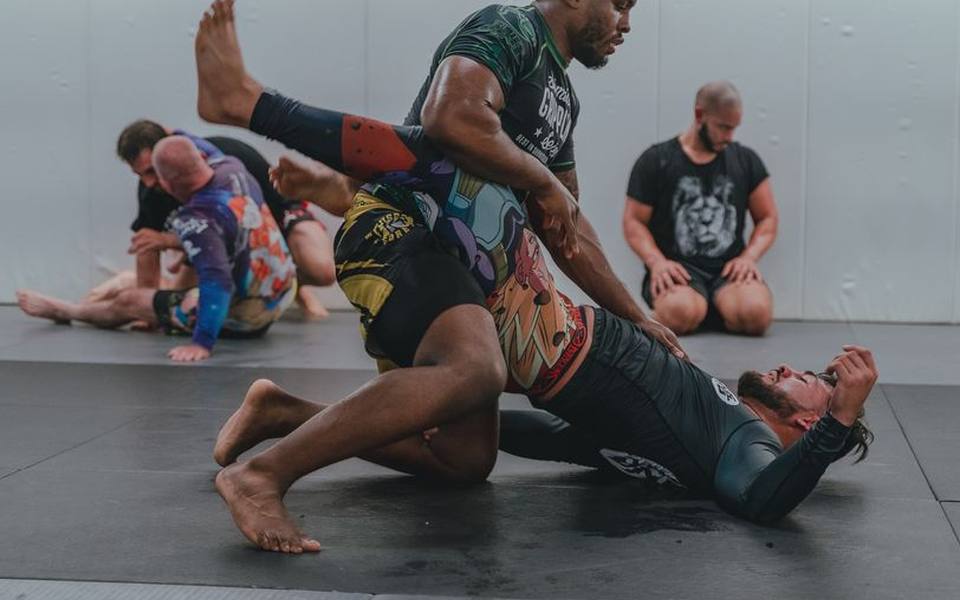
When training involves close clinch work, headlocks, or ground grappling—as seen in Sanda takedowns or cross-training in Brazilian Jiu-Jitsu Schools—fluid inside the ear may signal a subperichondrial hematoma, commonly known as cauliflower ear. Unlike water in the ear canal, this condition occurs when blunt trauma or severe friction shears the skin and perichondrium away from the ear cartilage, filling the void with blood and serous fluid.
If you notice a warm, tender, fluid-filled swelling on the outer ear cartridge after intense rolling or sparring, home water-removal tricks will not help. This fluid must be professionally aspirated by a medical doctor or specialist within 24 to 48 hours to prevent the underlying cartilage from starving of nutrients and hardening into permanent fibrous scar tissue. Doctors typically drain the pocket with a sterile needle and apply compressive bolsters to keep the skin attached while healing.
Prevention remains vastly superior to drainage procedures. Wearing fitted wrestling headgear during takedown drills or aggressive clinching eliminates frictional rubbing against the pinna. If you train in traditional weapon arts like Naginata or Wushu where head strikes are infrequent, maintaining basic ear canal hygiene and ensuring ears dry thoroughly after training showers prevents recurrent outer ear infections (swimmer's ear) and keeps your hearing clear.
Choosing the Right Path for Your Personal Journey
Selecting the ideal traditional martial discipline depends on your physical goals, personality, and schedule. If you love expressive movements, athletic leaps, and historical blades, Wushu offers immense physical conditioning and theatrical beauty. If you prioritize street-level personal defense, functional joint locks, and bladed weapon principles, Pencak Silat provides a grounded, devastatingly practical education. For those seeking mental stillness, tactical geometry, and historical Japanese weapon arts, Naginata offers profound personal satisfaction.
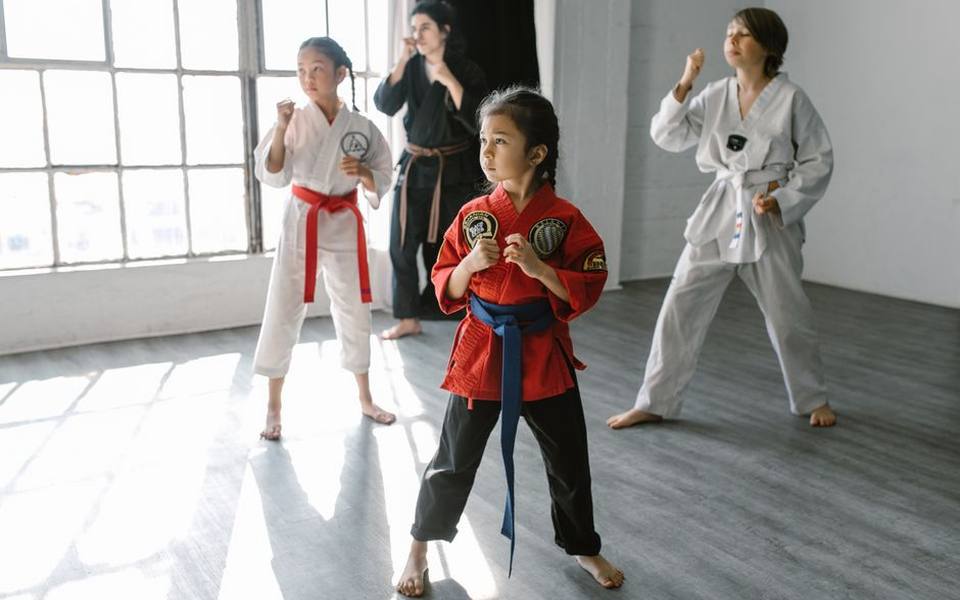
Before signing a contract, visit several local academies to observe classes in person. Notice whether senior students demonstrate clean technique, how instructors correct beginner posture, and whether the dojo maintains rigorous safety and hygiene standards. Many modern studios offer programs tailored across ages, including Family Martial Arts Classes and Academies, allowing parents and children to build discipline, flexibility, and physical health simultaneously.
Commitment to traditional arts pays dividends far beyond physical conditioning. While modern fitness routines can become monotonous, traditional arts offer an endless curriculum of forms, weapon sets, and philosophical principles that keep the mind engaged for decades. Whether your initial goal was learning an ancient weapon, understanding unique cultural arts, or dropping body fat, immersing yourself in historical combat arts builds lifelong physical resilience and quiet confidence.
Published 2026-09-20 · reviewed with each rebuild, last September 2026.
Find martial arts schools near you
The directory lists 32,877 martial arts schools by state and city — pick your state or use the “Near me” button in the header.
More guides
-
 Owning
Establishing a Proper Heavy Bag Routine and Striking Technique at Home
-
 Safety
Brazilian Jiu-Jitsu for Beginners: Tips, Fundamentals, and Mat Health
-
 Buying
Finding the Right Fit: A Guide to Sizing Your Jiu-Jitsu Uniform and Cross-Training Gear
-
 Money
MoneyHow Much Do Martial Arts Classes Cost? Membership Fees Breakdown
-
 Owning
What Is Mixed Martial Arts? Beginner Overview and Training Guide
-
 Owning
The History, Origins, and Physical Demands of Brazilian Jiu-Jitsu
-
 Owning
Understanding Mixed Martial Arts for Beginners
-
 Safety
How to Wrap Your Hands for Boxing: Step-by-Step Wrist and Knuckle Protection Guide
-
 Buying
Best Jiu-Jitsu Gis and Apparel: Complete Buyer's Guide and Sizing Chart
-
 Buying
BJJ vs Judo vs Wrestling vs No-Gi: Which Grappling Art Is Right for You?
-
 Buying
How to Choose the Best Jiu-Jitsu and MMA Gym Near You
-
 Owning
Brazilian Jiu-Jitsu for Beginners: Rules, Belt Ranks, and Mat Training
-
 Buying
Kickboxing Classes & Cardio Fitness Workouts Guide
-
 Owning
Martial Arts Belt Ranking Systems: Progression, Orders, and Displays
-
 Buying
Jeet Kune Do: History, Philosophy, and Modern Training Guide
-
 Buying
BJJ Gis and Uniforms Buyer's Guide: Brands, Fit, and Care
-
 Buying
Gracie Jiu-Jitsu Lineages, Academy Networks, and Training Philosophies
-
 Buying
10th Planet Jiu-Jitsu: Complete Guide to the No-Gi System and Academies
-
 Safety
Tai Chi Classes for Seniors: Health Benefits, Styles, and Practice Guide
-
 Owning
Heavy Bag and Boxing Workouts: Home Setup, Gear Selection, and Training Guide
-
 Buying
Adult Karate and Taekwondo Classes: Getting Started and Gi Sizing
-
 Owning
IBJJF Tournaments and Competition Guide: Databases, Rules, and Events
-
 Safety
Custom vs. Boil-and-Bite Mouthguards: Complete Selection and Fitting Guide
-
 Safety
Women's and Adult Self-Defense Training Guide: Techniques, Classes, and Systems
-
 Owning
Traditional Chinese Martial Arts: Shaolin, Wing Chun, Jeet Kune Do, and Gear Guide
-
 Buying
Adult Martial Arts Guide: Choosing the Right Style, Gym, and Training Class
-
 Buying
Filipino Martial Arts, Kenpo, Aikido, and HEMA: Comparing Traditional Combat Styles
-
 Owning
Heavy Bag Workout Guide: Routines, Drills, and Training for Cardio and Weight Loss
-
 Buying
Muay Thai and Cardio Kickboxing Classes: Training, Techniques, and Fitness Programs
-
 Buying
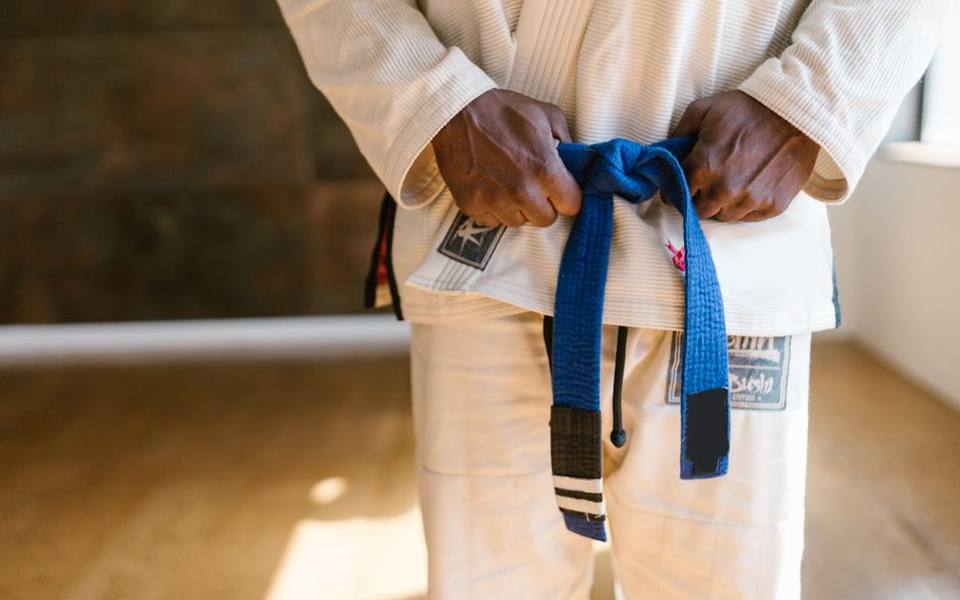
BJJ Gis, Rash Guards, and Apparel: How to Choose, Size, and Care for Jiu-Jitsu Gear
-
 Safety
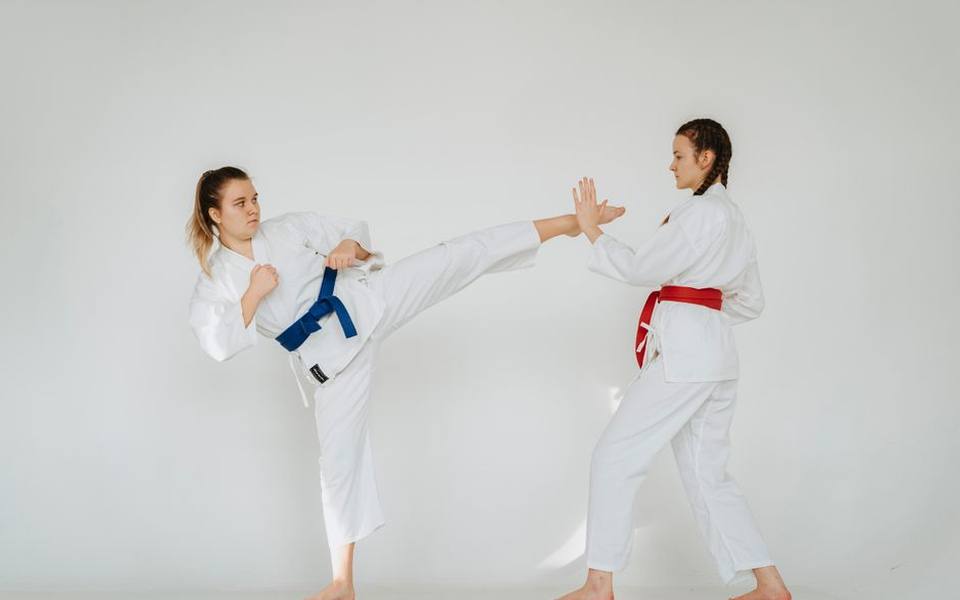
Women's and Adult Self-Defense Classes: Selecting Programs for Real-World Safety
-
 Owning
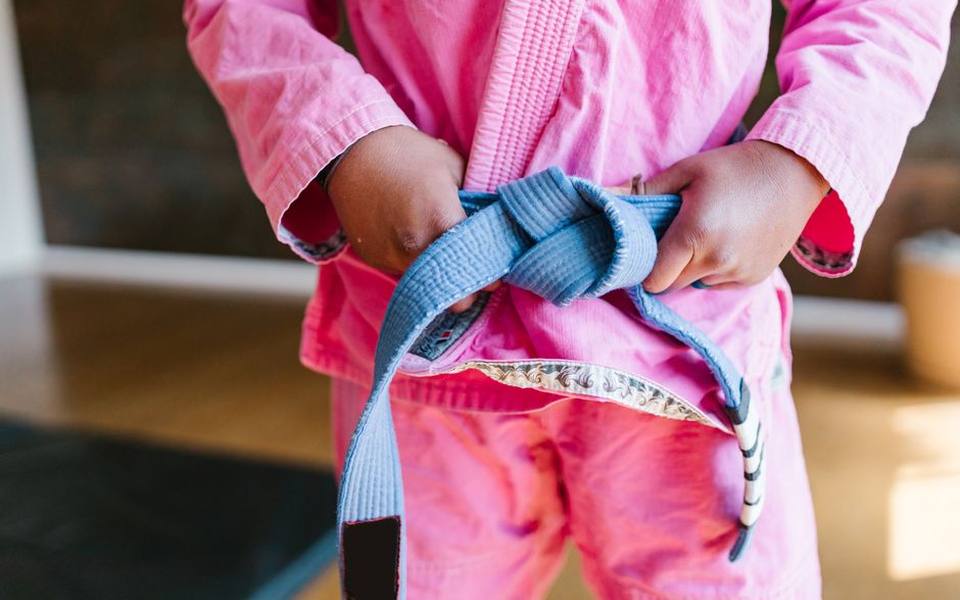
Martial Arts Belts and Ranks: Belt Order, Taping, and Display Racks Guide
-
 Safety
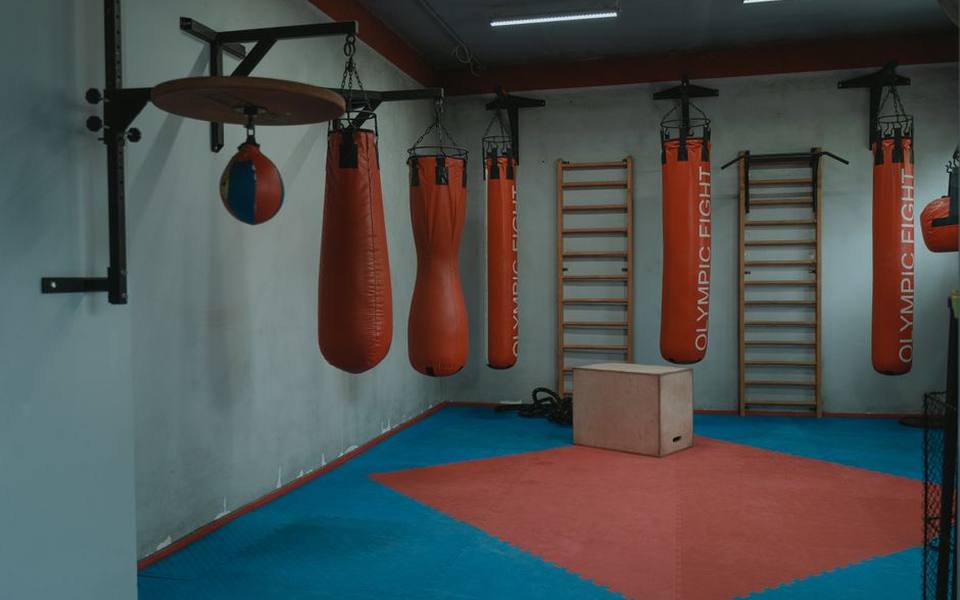
Martial Arts Conditioning, High-Kick Mobility, and Protective Gear Guide
-
 Buying
Kids and Toddler Martial Arts: Complete Guide to Classes, Camps, and Family Dojos
-
 Owning
How to Hang a Heavy Bag: Ceiling and Wall Mounting Installation Guide
-
 Buying
Brazilian Jiu-Jitsu Schools, Academies, and Lineages: A Complete Guide
-
 Buying
Martial Arts Gyms, Fitness Studios, and Dojos Directory Guide
-
 Buying
Traditional Martial Arts Styles and Specialized Disciplines Guide
-
 Owning
BJJ and Martial Arts Gi Selection, Sizing, and Equipment Care Guide