What Separates a Jiu-Jitsu Uniform from Other Martial Arts Gear
A Brazilian Jiu-Jitsu uniform, traditionally referred to as a gi or kimono, is engineered specifically for heavy grappling, close-quarters friction, and continuous pulling. Unlike the featherweight cotton suits used in karate or taekwondo, a proper grappling uniform features heavy reinforced stitching at stress seams, a vulcanized rubber or EVA foam collar, and dense woven cotton fabric. While traditional judo jackets share some physical similarities, grappling garments tailored for ground fighting feature a much closer cut through the torso and sleeves to minimize excess fabric an opponent can grip.
When beginning practice at dedicated Brazilian Jiu-Jitsu schools, new practitioners quickly discover that standard athletic wear or lightweight uniforms from other disciplines cannot withstand the mechanical stress of ground fighting. An opponent's body weight relies on lapel chokes, sleeve controls, and pant grips throughout every round of sparring. A standard lightweight uniform will often tear along the armpits or collar within a few aggressive training sessions, making a purpose-built grappling suit an essential investment from day one.
The terminology often varies depending on where you train or shop. While American practitioners frequently search for bjj uniforms or gi tops, international and Scandinavian grapplers often refer to gear as a brasiliansk jiu jitsu gi. Regardless of local phrasing, the fundamental architecture remains uniform across quality manufacturers. You are purchasing a heavy jacket designed to absorb sweat and friction, paired with durable pants that allow full hip mobility for guard work and takedowns.
Choosing your first uniform involves balancing durability, weight, cut, and academy dress codes. Most training academies maintain specific expectations regarding color, patch placement, and hygiene standards. Understanding the engineering behind the jacket weave, the cut classifications, and the care requirements ensures you buy a piece of gear that lasts for years of daily sparring without shrinking into an unwearable size.
Understanding Fabric Weaves and Weight Classifications
Jacket fabric is measured by its weave pattern and weight in grams per square meter, commonly abbreviated as GSM. The most widespread weave in modern academies is the pearl weave, typically ranging from 350 to 550 GSM. Pearl weave gets its name from the tiny, tight bumps woven into the fabric that resemble small pearls. This construction provides an exceptional balance of structural longevity, tear resistance, and breathability, making it the industry standard for everyday training and formal tournament competition.
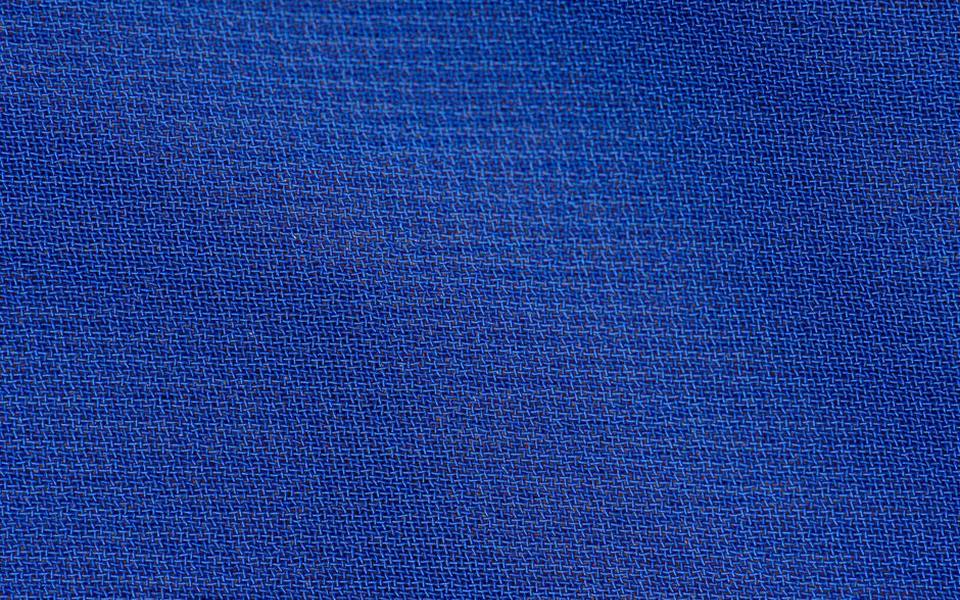
Lighter fabrics, often sold as single weave or ultralight options ranging between 275 and 375 GSM, cater heavily to competitors trying to make weight at tournaments and athletes training in warm, humid gyms. While an ultralight jacket feels noticeably cooler and packs tightly into a gym bag, it tends to stretch when soaked with sweat. Furthermore, thinner lapels make it substantially easier for training partners to establish and maintain strong gripping points on your sleeves and chest.
Heavier alternatives include gold weave and double weave fabrics, which can push beyond 750 GSM. These traditional, armor-like kimonos are exceptionally durable and make grip-fighting miserable for opponents because the collar and cuffs are thick and rigid. However, they trap significant body heat and retain moisture during prolonged sparring rounds. While double weaves were standard in previous decades, most contemporary practitioners lean toward mid-weight pearl weaves for year-round consistency.
When comparing construction across manufacturers, inspect the collar material as closely as the jacket fabric itself. Modern jackets almost universally incorporate an EVA foam rubber core inside the lapel rather than traditional cotton batting. Foam collars dry significantly faster after washing, hold their shape across hundreds of laundry cycles, and actively resist microbial absorption, which reduces the lingering odors that cotton batting often develops.
Sizing Systems and Deciphering the Standard Cut Chart
Adult grappling uniforms utilize an alphanumeric sizing system that begins with the letter A, representing adult sizes ranging typically from A0 up to A5 or A6. Unlike standard streetwear where a medium shirt corresponds strictly to chest circumference, uniform sizing relies on a combined matrix of your total body height and weight. For example, an A2 generally accommodates someone between 5 feet 8 inches and 5 feet 11 inches weighing roughly 165 to 190 pounds, though variations exist between manufacturers.
Because human bodies vary far beyond standard proportional height-to-weight ratios, many leading brands offer specialized sub-sizes such as Tall, Fitted, and Husky cuts. An A2L jacket provides the torso width and sleeve diameter of a standard A2 but adds roughly two inches of sleeve and jacket length for slender, long-limbed grapplers. Conversely, an A2H cut offers extra room through the shoulders and midsection for broader athletes without dragging past the knees.
Achieving proper sleeve clearance is not just a matter of comfort; it is a safety and regulatory factor during structured sparring. When your arms are extended straight in front of your chest, the jacket cuffs should sit no higher than two inches above your wrist bone. Sleeves that ride halfway up your forearm provide an artificial defensive advantage by preventing your partner from grabbing fabric, which violates tournament regulations and hampers authentic technical development during class.
When reading manufacturer charts, pay close attention to whether the cotton has been pre-shrunk at the factory. Even garments labeled pre-shrunk can lose between three and five percent of their total length if washed improperly in hot water. If your measurements sit squarely at the top boundary of a specific size bracket, sizing up is generally advisable to avoid ending up with high-water pants and tight armpits after laundering.
Female-Specific Cuts and Tailored Proportions
For many years, female practitioners had little choice but to purchase small adult men's uniforms and attempt to shrink them down to fit. Today, dedicated womens jiu jitsu gi lines feature distinctive sizing designations, typically marked with an F or W prefix, ranging from F1 to F5. These garments address the biomechanical and structural differences between typical male and female physiques, eliminating excess fabric that can bunch awkwardly or expose the chest during dynamic rolls.
A proper womens bjj gi features narrower shoulders, shorter sleeve openings, a tapered midsection, and a gently flared skirt that accommodates wider hips. The pants in a ladies jiu jitsu gi generally feature a higher rise in the waistband to prevent the back of the trousers from sliding down during guard play, alongside a slightly roomier cut through the hips and thighs paired with narrower leg openings.
Women who are tall and lean may still find that a standard unisex cut like an A1L or A2 provides better sleeve coverage, whereas shorter or curvier athletes will almost always achieve superior performance in a dedicated female jiu jitsu gi cut. Having a jacket that closes snugly across the chest without ballooning around the waist prevents fingers and toes from getting snagged in loose folds of fabric during fast scrambles on the mat.
When shopping for a jiu jitsu gi for women, pay particular attention to interior lapel liners and chest reinforcement. Several brands include lightweight rashguard linings along the upper back and shoulders for enhanced skin comfort, while reinforced chest seams prevent uncomfortable gaping when practicing guard recovery or surviving aggressive mount pressure during intensive jiu-jitsu training.
Youth Sizing and Selecting Gear for Growing Children
Equipping children for grappling presents unique challenges because youth grow quickly, yet oversized uniforms create significant tripping hazards and awkward gripping angles. Youth sizes use an M or C prefix, typically ranging from M000 for toddlers up through M4 for pre-teens. Similar to adult charts, youth selections depend on a blend of height and weight rather than age alone, since growth rates vary widely among elementary and middle school students.
Parents often feel tempted to buy one or two sizes too large to allow room for growth, but excessive pant length poses a genuine safety hazard on the mats. Pants that extend beneath the ankles cause children to slip during takedown drills or get their toes entangled in excess fabric while playing guard. If you must buy slightly large for longevity, select pants with an elastic waistband rather than a traditional drawstring, as younger kids frequently struggle to keep corded waists tied securely.
Durability in youth gear matters just as much as in adult gear, even if younger students apply less torque during their matches. Double-layer knee reinforcements are vital because children spend substantial time sliding, kneeling, and crawling through foundational movement drills. Choosing sturdy gear ensures that younger siblings can inherit the uniform later without fear of structural tears at the jacket seams.
Many academies that offer dedicated kids martial arts classes sell bundled starter packages that include the official academy patch, a white belt, and a durable mid-weight uniform. Buying through your home academy simplifies the sizing process because instructors can evaluate the fit directly on the mat before the uniform is washed and dried at home.
Evaluating Brand Archetypes and Entry-Level Standards
The grappling apparel market includes dozens of boutique labels, lifestyle brands, and time-tested institutional manufacturers. For beginners searching for an honest workhorse, the standard benchmark has long been the classic fuji jiu jitsu gi. Renowned for its mid-weight cotton, resilient rubberized lapel, and straightforward styling, a bjj fuji gi represents the practical baseline against which most entry-level uniforms are judged. It provides predictable sizing and exceptional durability without inflated pricing.
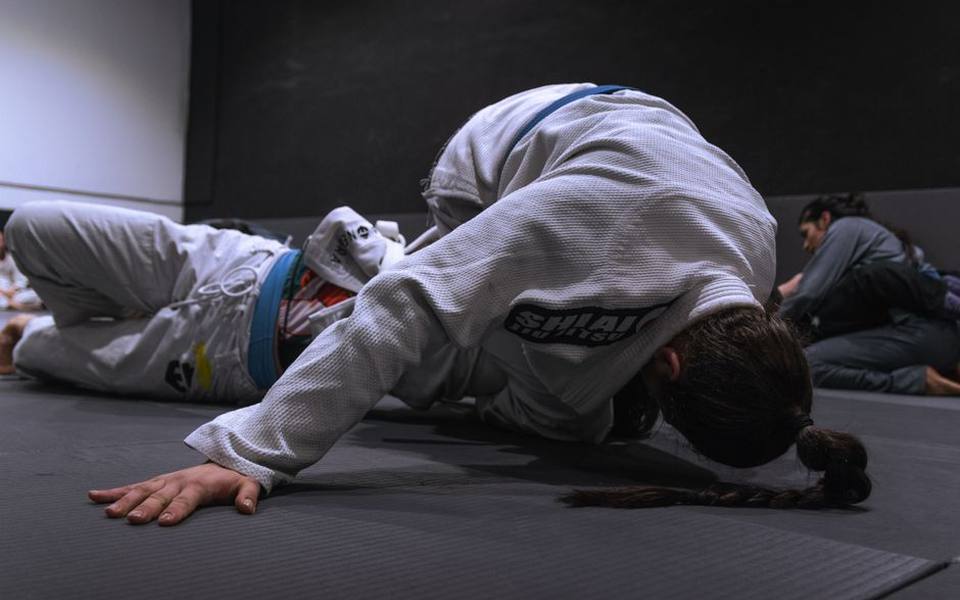
Beyond classic entry-level gear, manufacturers roughly divide into three tiers: utilitarian budget uniforms, mid-tier training staples, and limited-edition lifestyle releases. Budget models generally feature standard cotton twill pants, simple direct embroidery, and 350 GSM pearl weave jackets. Mid-tier garments often upgrade to ripstop pants, custom woven taping inside the cuffs, and refined tailoring through the armpits to prevent chaffing during extended training sessions.
Premium boutique brands often differentiate themselves through artistic jacket linings, intricate thematic embroidery, and limited production runs that sell out within minutes of launch. While these artistic kimonos look striking and carry prestige in casual open-mat culture, they do not inherently offer superior mechanical performance or durability compared to a well-made mid-weight training uniform costing half as much.
When evaluating any brand, inspect customer feedback regarding seam taping and gusset construction rather than marketing aesthetics. High-stress points like the armpits, side vents, and crotch gusset should feature reinforced triple-stitching or heavy bar-tacking. Clean internal seam taping made of smooth twill or soft polyester prevents abrasive edges from scratching your skin during heavy perspiration.
Competition Rules, Academy Etiquette, and Color Standards
Before investing in a colorful or heavily customized kimono, it is crucial to understand the rules governing training spaces and sanctioning bodies. If you plan to compete under the International Brazilian Jiu-Jitsu Federation (IBJJF) or similar regulatory organizations, your uniform must strictly comply with color mandates. Sanctioned tournaments permit only three solid colors: pure white, royal blue, and black. Combining mixed colors, such as a white jacket with blue pants, is explicitly forbidden in regulated matches.
Academy culture also plays a significant role in uniform selection. While some modern academies embrace casual gear in olive green, navy, grey, or camouflage, traditional schools rooted in Brazilian heritage may mandate white kimonos exclusively, particularly for fundamental classes and ranking ceremonies. Others require students to wear proprietary team uniforms adorned with official academy crests. Always consult your gym's policy before purchasing external gear.
Tournament inspectors verify equipment dimensions meticulously prior to competition. Inspectors use a specialized wooden measuring device known as an official gi-checker to confirm that your sleeves extend to within acceptable distance of the wrists, that sleeve cuff openings are wide enough for referees to fit four fingers inside, and that your lapel does not exceed maximum allowable thickness or width. An overly stiff or thick lapel will result in disqualification at the staging area.
Color choice also influences practical long-term maintenance. Traditional white kimonos look pristine when new but are prone to collar yellowing and require periodic brightening. Royal blue and black uniforms conceal sweat marks and blood droplets more effectively, though darker dyes will inevitably fade over months of regular hot-water exposure or sun drying.
Proper Laundry Practices, Shrinkage Control, and Hygiene
The golden rule of caring for any grappling uniform is simple: wash it immediately after every single practice. Letting a sweat-soaked uniform fester in a dark gym bag overnight creates an ideal breeding ground for bacterial colonies, ringworm spores, and resilient fungal strains. Once bacteria establish themselves deep inside the woven cotton fibers, body heat during subsequent training sessions will reactivate offensive odors, a condition grapplers refer to as permanent collar funk.
Always wash your uniform in cold water using standard laundry detergent. Hot water breaks down natural cotton fibers prematurely and triggers substantial shrinkage, which can quickly ruin the tailored fit of your jacket and pull your pants halfway up your shins. Avoid chlorine bleach completely, as it severely weakens structural cotton threads and turns white fabric into a fragile, brittle mesh over time. If you need to eliminate odors, add a cup of distilled white vinegar to the rinse cycle.
Never use a heated mechanical clothes dryer unless your explicit goal is to deliberately shrink an oversized uniform down to your size. High heat warps the rubber core inside modern collars, degrades elastic drawstrings, and causes severe, irreversible vertical shrinkage. Instead, hang your uniform on a sturdy plastic hanger in a well-ventilated room or outdoors in indirect sunlight to dry naturally over twelve to twenty-four hours.
To deliberately shrink a uniform that feels slightly too loose out of the box, proceed with extreme caution. Wash the garment in warm water, then dry it on medium heat for ten-minute intervals, checking the sleeve length frequently. Once the cuffs reach your desired length, immediately pull the uniform out, hang it to finish drying, and never expose it to high heat again.
Pant Construction, Crotch Gussets, and Cord Systems
While jacket construction gets most of the attention in product descriptions, the pants endure exceptional mechanical torque from leg drags, knee slices, and guard passing drills. Most modern grappling trousers are fabricated from either standard cotton twill or ripstop fabric. Cotton twill feels soft, substantial, and comfortable against the skin, but it absorbs moisture rapidly and becomes heavy over an intense two-hour session.
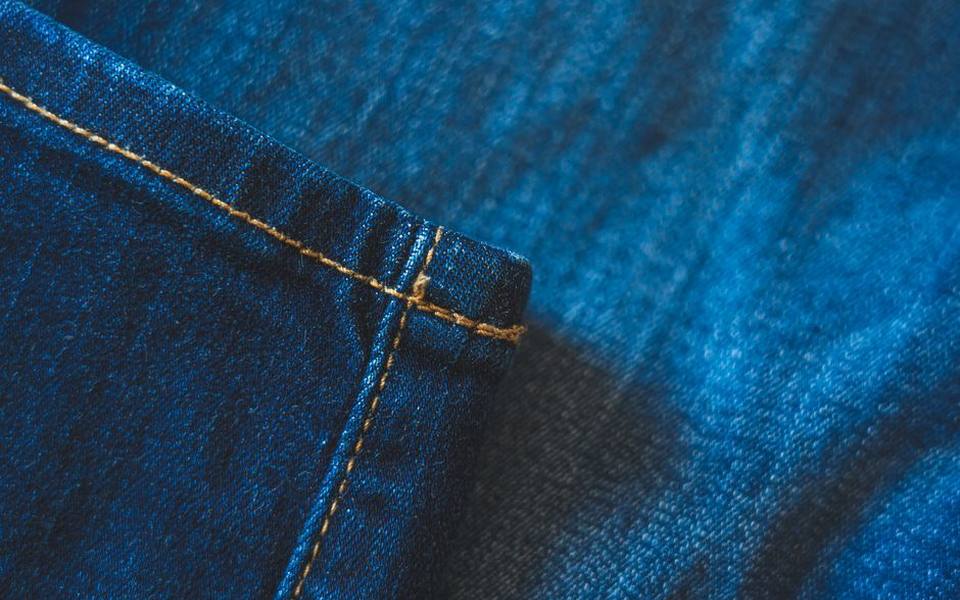
Ripstop pants are constructed using a crosshatch pattern of reinforcing nylon threads interwoven through lightweight cotton or poly-cotton blends. Ripstop fabric is exceptionally resistant to tearing, repels moisture far better than pure twill, and dries in a fraction of the time. However, some practitioners find the texture slightly scratchier against bare knees during prolonged kneeling drills on traditional tatami mats.
Inspect the crotch gusset of the pants before making a purchase. A high-quality uniform replaces flat center seams with an articulated triangular or diamond gusset, frequently crafted from the same pearl weave fabric used in the jacket. This diamond gusset provides critical stretch during wide hip movements, deep squats, and triangle choke setups, preventing embarrassing crotch blowouts that occur in poorly constructed trousers.
The waistband fastening system also influences mat comfort. Older uniform styles rely on flat cotton drawstrings that knot tightly when soaked with sweat, making them frustrating to untie after practice. Modern designs favor stretchy, cylindrical bungee cords guided through four to six belt loops. Stretchy cords allow the waistline to shift naturally with your breathing while keeping the pants firmly anchored over your hips.
Building a Training Rotation and Managing Gear Expenses
If you train more than twice a week at established bjj martial arts schools, owning a single uniform will rapidly prove insufficient. Because cotton kimonos require natural air drying to preserve their lifespan, a single garment will rarely dry completely between consecutive evening and morning sessions. Stepping onto the mats in a damp, cold uniform is uncomfortable and disrespectful to training partners.
A practical rule of thumb for active practitioners is to maintain one clean uniform for every two training days scheduled during the week. Someone training four days weekly will benefit immensely from rotating through two or three reliable suits. This rotation distributes fabric wear evenly, extends the usable lifespan of your gear, and eliminates the daily emergency panic of running laundry late at night after open mat.
Budgeting for gear is straightforward once you know your training frequency. Entry-level, reliable uniforms typically range between $65 and $100, providing excellent durability for newcomers. Mid-range workhorses from established grappling brands generally sit between $110 and $170, offering refined cuts and softer fabrics. Premium limited releases and custom artisan kimonos often exceed $200, though the price difference reflects branding, styling, and collectible value rather than structural longevity.
Grapplers who split their training schedule between traditional gi classes and mixed martial arts striking can cross-utilize their gear strategically. While grappling uniforms are far too heavy for kickboxing, pairing your durable grappling pants with rashguards allows you to seamlessly transition between traditional martial arts techniques and hybrid submission grappling without carrying entirely separate equipment bags.
Published 2026-09-21 · reviewed with each rebuild, last September 2026.
Find martial arts schools near you
The directory lists 32,877 martial arts schools by state and city — pick your state or use the “Near me” button in the header.
More guides
-
 Owning
Establishing a Proper Heavy Bag Routine and Striking Technique at Home
-
 Safety
Brazilian Jiu-Jitsu for Beginners: Tips, Fundamentals, and Mat Health
-
 Buying
Finding the Right Fit: A Guide to Sizing Your Jiu-Jitsu Uniform and Cross-Training Gear
-
 Money
MoneyHow Much Do Martial Arts Classes Cost? Membership Fees Breakdown
-
 Owning
What Is Mixed Martial Arts? Beginner Overview and Training Guide
-
 Owning
The History, Origins, and Physical Demands of Brazilian Jiu-Jitsu
-
 Owning
Traditional Martial Arts Guide: Understanding Wushu, Silat, and Naginata
-
 Owning
Understanding Mixed Martial Arts for Beginners
-
 Safety
How to Wrap Your Hands for Boxing: Step-by-Step Wrist and Knuckle Protection Guide
-
 Buying
Best Jiu-Jitsu Gis and Apparel: Complete Buyer's Guide and Sizing Chart
-
 Buying
BJJ vs Judo vs Wrestling vs No-Gi: Which Grappling Art Is Right for You?
-
 Buying
How to Choose the Best Jiu-Jitsu and MMA Gym Near You
-
 Owning
Brazilian Jiu-Jitsu for Beginners: Rules, Belt Ranks, and Mat Training
-
 Buying
Kickboxing Classes & Cardio Fitness Workouts Guide
-
 Owning
Martial Arts Belt Ranking Systems: Progression, Orders, and Displays
-
 Buying
Jeet Kune Do: History, Philosophy, and Modern Training Guide
-
 Buying
Gracie Jiu-Jitsu Lineages, Academy Networks, and Training Philosophies
-
 Buying
10th Planet Jiu-Jitsu: Complete Guide to the No-Gi System and Academies
-
 Safety
Tai Chi Classes for Seniors: Health Benefits, Styles, and Practice Guide
-
 Owning
Heavy Bag and Boxing Workouts: Home Setup, Gear Selection, and Training Guide
-
 Buying
Adult Karate and Taekwondo Classes: Getting Started and Gi Sizing
-
 Owning
IBJJF Tournaments and Competition Guide: Databases, Rules, and Events
-
 Safety
Custom vs. Boil-and-Bite Mouthguards: Complete Selection and Fitting Guide
-
 Safety
Women's and Adult Self-Defense Training Guide: Techniques, Classes, and Systems
-
 Owning
Traditional Chinese Martial Arts: Shaolin, Wing Chun, Jeet Kune Do, and Gear Guide
-
 Buying
Adult Martial Arts Guide: Choosing the Right Style, Gym, and Training Class
-
 Buying
Filipino Martial Arts, Kenpo, Aikido, and HEMA: Comparing Traditional Combat Styles
-
 Owning
Heavy Bag Workout Guide: Routines, Drills, and Training for Cardio and Weight Loss
-
 Buying
Muay Thai and Cardio Kickboxing Classes: Training, Techniques, and Fitness Programs
-
 Buying
BJJ Gis, Rash Guards, and Apparel: How to Choose, Size, and Care for Jiu-Jitsu Gear
-
 Safety
Women's and Adult Self-Defense Classes: Selecting Programs for Real-World Safety
-
 Owning
Martial Arts Belts and Ranks: Belt Order, Taping, and Display Racks Guide
-
 Safety
Martial Arts Conditioning, High-Kick Mobility, and Protective Gear Guide
-
 Buying
Kids and Toddler Martial Arts: Complete Guide to Classes, Camps, and Family Dojos
-
 Owning
How to Hang a Heavy Bag: Ceiling and Wall Mounting Installation Guide
-
 Buying
Brazilian Jiu-Jitsu Schools, Academies, and Lineages: A Complete Guide
-
 Buying
Martial Arts Gyms, Fitness Studios, and Dojos Directory Guide
-
 Buying
Traditional Martial Arts Styles and Specialized Disciplines Guide
-
 Owning
BJJ and Martial Arts Gi Selection, Sizing, and Equipment Care Guide