What to Expect in Your First Months of Grappling
Stepping onto the mats for the first time usually feels disorienting because grappling removes your instinctive reliance on distance and footing. New students quickly discover that human weight feels vastly heavier when an opponent understands leverage, frames, and base. In the opening weeks of training, your primary task is simply adapting to close physical contact, controlled suffocation threats, and the exhausting metabolic demand of continuous resistance. Expect your cardiovascular system to feel strained within two minutes of live movement, even if you already run or lift weights regularly.
Most reputable academies introduce novices through an introductory curriculum focused on position hierarchy rather than flashy submissions. You spend significant time working from closed guard, side control, mount, and back control. Understanding these standard positions allows you to recognize whether you are winning positional territory or merely surviving defensive pressure. It typically takes three to six months before positional transitions start feeling intuitive rather than frantic, so measuring personal progress by submission counts is a mistake that causes needless frustration.
Finding an academy with structured instruction makes the steep learning curve manageable. Across the United States, our directory lists 20,366 martial arts academies in top states, with over 4,516 martial arts schools in California alone catering to beginners and competitors alike. Enrolling in a gym that offers dedicated introductory sessions prevents early injury and shields you from sparring with aggressive, senior competitors before you understand how to fall and tap safely.
Practical Advice for Mat Longevity and Progress
The single most critical habit for any novice is learning to tap immediately whenever a joint lock tightens or a choke clears past your defenses. Submissions in the training room carry zero stakes, but holding out against an armbar or heel hook out of pride can sideline you for months with torn ligaments. Recognize that tapping is not a failure; it is the reset button that allows you to log another round without bodily trauma. Develop the habit of tapping firmly on your partner's body while verbally saying the word clearly.
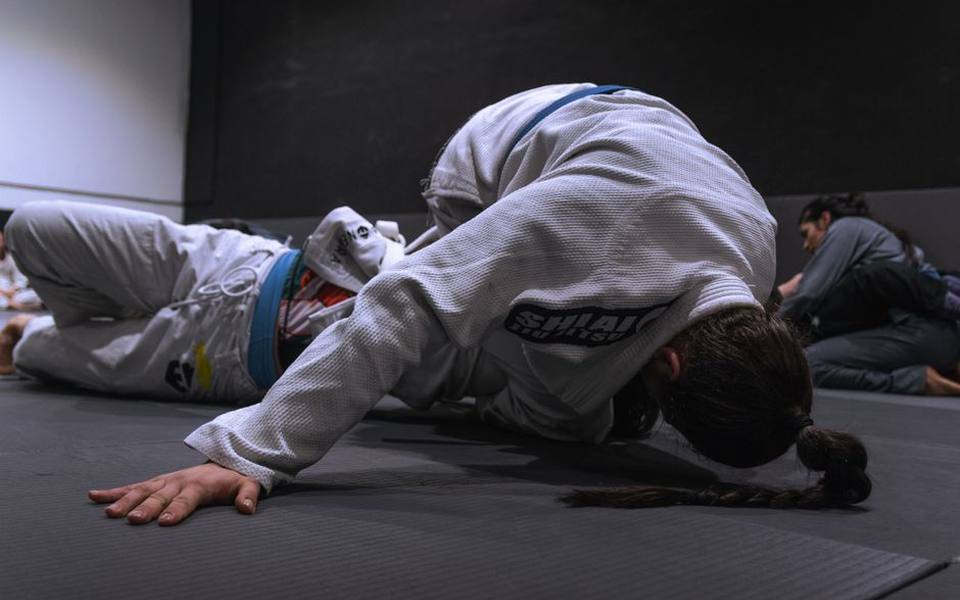
Breath control directly dictates how long you can perform under pressure. Beginners tend to hold their breath whenever an opponent establishes top pressure, which burns muscle glycogen rapidly and triggers panicky claustrophobia. Focus on rhythmic nasal breathing or controlled exhalations during heavy scrambles. When an opponent traps you beneath side control, relax your neck muscles against the mat instead of wasting energy pushing blindly against their chest with straight arms, which invites immediate counter-submissions.
Basic mat hygiene and gear preparation prevent common fungal and bacterial skin infections that thrive in grappling environments. Wash your gi, belt, and rash guards after every single training session without exception. Keep your fingernails and toenails trimmed short and filed smooth to avoid scratching your training partners during collar grips. Joining accredited Brazilian Jiu-Jitsu martial arts schools ensures you train under coaches who enforce strict mat sanitization protocols.
Core Mechanical Movements Every Grappler Must Build
Brazilian Jiu-Jitsu functions on core mechanical principles: framing, hip mobility, and weight distribution. The hip escape, commonly known as shrimping, forms the foundation of nearly every defensive recovery. Shrimping allows you to push your hips away from a top pin, creating the critical pocket of space needed to bring your knees between yourself and your opponent. Practicing this movement until it becomes second nature protects you from being permanently flattened on your back.
Framing replaces muscular pushing with skeletal structure. When someone drives their weight down toward your torso, extending your arms with muscular effort will rapidly exhaust your triceps and shoulders. By resting your forearms across their collarbone or hip line with elbows tucked tight to your ribs, your bones carry their body weight. Structural frames require very little metabolic energy to maintain, giving you time to think and orchestrate an escape without gassing out.
Bridging teaches you how to generate explosive vertical force from your legs through your glutes. When an opponent mounts you, a well-timed bridge elevates their center of gravity, forcing them to plant their hands on the mat to catch their balance. Once their hands are committed to the canvas, their ability to choke or isolate your arms vanishes, opening immediate avenues to reverse the position or replace your defensive guard.
Practicing Grappling Fundamentals and Movement at Home
Learning ground martial arts solely at home without live sparring partners has obvious limits, yet dedicated solo floor drills pay massive dividends. You cannot master the reactive timing of a resisting partner on your living room rug, but you can build the motor patterns and joint articulation required for complex guard recovery. Spending fifteen minutes a day working through basic ground transitions reinforces muscle memory so your body moves instinctively during live rounds.
Begin your solo home sessions with controlled movement sequences: technical stand-ups, forward and backward shoulder rolls, invert drills against a wall, and dynamic hip escapes across a carpet or mat. The technical stand-up in particular is a vital self-defense movement that allows you to stand up while maintaining a defensive shield and guarding your chin. Moving through these patterns smoothly without using your hands develops core stability and hip dexterity.
Incorporating a stability ball or heavy dummy allows you to drill weight distribution and top balance outside of class. Rolling over a stability ball forces your hips to remain active and low, simulating the fluid pressure needed to hold knee-on-belly or north-south positions. While solo practice accelerates your movement fluency, pairing home drills with formal instruction at a dedicated Brazilian Jiu-Jitsu program remains essential for understanding how real resistance feels.
Recognizing Fluid Accumulation and Grappler Ear
Continuous friction against the head, aggressive headlocks, and rough collar ties frequently damage the delicate cartilage of the outer ear. When blunt trauma or heavy shear force separates the ear cartilage from the overlying perichondrium, tiny blood vessels rupture. Blood and inflammatory serous fluid rapidly pool in the resulting space, creating a tender, swollen pocket commonly known as an auricular hematoma or cauliflower ear.
Identifying early fluid accumulation is straightforward because the ear will feel hot, throbbing, and visibly puffy, resembling a soft water balloon within the folds of the pinna. If ignored, the pooled fluid deprives the underlying cartilage of oxygen and nutrients. Over seven to ten days, the body replaces this fluid with fibrous scar tissue, which permanently hardens into rigid, thickened deformity that can narrow the ear canal and impair hearing.
Beginners often panic when they first notice fluid filling their ear cartilage after a tough rolling session. While common in grappling sports, it requires immediate attention before the swelling solidifies into permanent structural damage. Wearing protective wrestling headgear significantly reduces the risk of recurrent trauma, especially during your first year when your ears have not yet adapted to the mechanical pressure of tight head-and-arm positions.
Managing Ear Swelling and Fluid Removal Protocols
Extracting fluid from an auricular hematoma requires strict aseptic precautions to prevent severe cartilage infection. When individuals attempt to drain an ear at home without proper medical equipment, they introduce bacteria into an area with poor blood flow, risking permanent perichondritis. The safest approach is consulting an urgent care physician or an ear, nose, and throat specialist who can perform needle aspiration or a small incision under sterile conditions.
If medical care is inaccessible and an experienced practitioner performs an aspiration, the skin must be thoroughly scrubbed with chlorhexidine or povidone-iodine. A small-gauge sterile syringe draws out the accumulated blood and lymphatic fluid until the ear contours return to flat, natural alignment. However, removing the fluid is only half the battle, as the empty pocket will quickly refill within hours if left unsupported.
Applying continuous compression immediately after fluid evacuation is critical to prevent the pocket from reopening. Medical professionals typically secure custom bolsters, magnetic compression discs, or molded dental silicone around the ear for several days. Keeping constant pressure holds the separated tissue layers against the cartilage long enough for blood vessels to knit back together, ensuring the swelling resolves without leaving substantial scar tissue.
Addressing Body and Facial Fat Through Grappling Workouts
New practitioners frequently notice rapid changes in their physical appearance within their first months on the mats, including a leaner jawline and reduced facial fullness. It is an established physiological fact that targeted spot reduction of fat from the face, neck, or abdomen is impossible. The body draws from systemic fat stores across your entire frame based primarily on genetics and overall caloric balance, rather than burning fat solely from muscles working nearby.
Intense grappling demands tremendous caloric expenditure, burning anywhere between five hundred to nine hundred calories during a hard ninety-minute class depending on your body mass. This heavy energetic output, combined with the metabolic afterburn of high-intensity intervals, creates a steady caloric deficit over time. As your total body fat percentage drops through consistent mat training, subcutaneous fat in the cheeks and under the chin naturally diminishes.
Chronic dehydration and high sodium intake also cause substantial water retention in facial tissues, mimicking true fat deposits. Intense cardiovascular training improves circulation and encourages consistent water intake, flushing out excess sodium and reducing puffy facial swelling. Committing to regular training sessions at recognized jiu-jitsu training centers quickly accelerates this systemic conditioning process.
Dropping Fat Stores Without Sacrificing Muscle Mass
Grapplers who want to drop weight classes or simply trim fat without forfeiting their physical strength must avoid crash dieting. Severe caloric restrictions trigger muscle catabolism, leaving you sluggish on the mats and vulnerable to injury. Aim instead for a modest daily deficit of approximately three hundred to five hundred calories below your maintenance level, which encourages steady fat oxidation while sparing your active skeletal muscle tissue.
Protein intake becomes the critical anchor during any body recomposition phase. Maintaining roughly 0.7 to 1.0 grams of protein per pound of lean body mass provides the essential amino acids needed to rebuild broken-down muscle fibers. Spread your protein consumption across three to four balanced meals per day, emphasizing lean meats, fish, eggs, and dairy, while keeping complex carbohydrates timed around your hard grappling sessions to fuel explosive outputs.
Preserving strength also requires continuing basic compound resistance training alongside your martial arts schedule. Heavy squats, deadlifts, pull-ups, and overhead presses signal your central nervous system to retain dense muscle fibers despite the caloric deficit. If you drop lifting entirely and rely solely on grappling cardio while undereating, your body will readily sacrifice hard-earned muscle alongside body fat.
Recovery Habits and Preventing Overtraining Burnout
The physical strain of grappling places heavy demands on tendons, ligaments, and the central nervous system. Enthusiastic beginners often make the mistake of training five or six consecutive days per week, leading to chronic systemic fatigue, inflamed joints, and mental burnout within their first two months. For most novices, attending class three times per week provides the ideal balance between skill retention and biological tissue recovery.
Sleep serves as your primary regenerative tool. During deep sleep cycles, growth hormone secretion peaks, repairing micro-tears in muscle fibers and rebuilding connective tissues that absorb blunt impact during sparring. Aim for seven to nine hours of quality sleep every night. If your resting heart rate elevates significantly or your morning grip strength noticeably weakens, treat these indicators as early warning signs of overtraining.
Active recovery modalities such as light swimming, dedicated mobility work, and myofascial rolling prevent chronic postural tightness caused by the constant curling and framing demands of ground fighting. Grappling heavily stresses the hip flexors, pecs, and neck extensors; dedicating ten minutes post-class to opening your chest and stretching your spine helps counter the hunched posture common among mat athletes.
Evaluating Academy Culture and Choosing Your School
Every martial arts academy carries its own distinct culture, instructional philosophy, and competitive focus. Some gyms cater almost exclusively to young, aggressive athletes preparing for regional and international tournaments, while others prioritize self-defense, hobbyist longevity, and family-friendly environments. Tour several local academies and observe a beginner class from the sidelines before signing a long-term membership contract.
Pay close attention to how higher-ranked practitioners treat novice training partners during open sparring. In a safe, well-regulated training environment, colored belts actively mentor beginners, modulating their power and pace rather than using new white belts as passive training dummies. Instructors should enforce clear safety boundaries, correct technical errors patiently, and strictly prohibit reckless slamming or unapproved neck cranks.
Facility cleanliness and transparent billing practices are equally telltale signs of a professional operation. Inspect the locker rooms, smell the mats, and ask direct questions regarding belt testing fees, required uniform purchases, and cancellation policies. Choosing an academy that aligns with your personal athletic goals and schedule ensures you remain engaged with the art for years to come.
Published 2026-09-20 · reviewed with each rebuild, last September 2026.
Find martial arts schools near you
The directory lists 32,877 martial arts schools by state and city — pick your state or use the “Near me” button in the header.
More guides
-
 Owning
Establishing a Proper Heavy Bag Routine and Striking Technique at Home
-
 Buying
Finding the Right Fit: A Guide to Sizing Your Jiu-Jitsu Uniform and Cross-Training Gear
-
 Money
MoneyHow Much Do Martial Arts Classes Cost? Membership Fees Breakdown
-
 Owning
What Is Mixed Martial Arts? Beginner Overview and Training Guide
-
 Owning
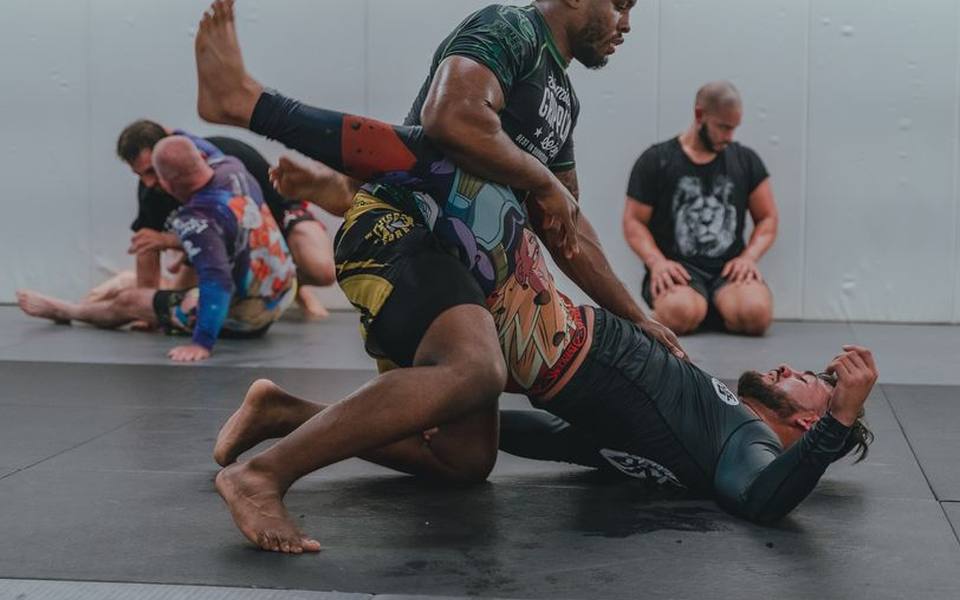
The History, Origins, and Physical Demands of Brazilian Jiu-Jitsu
-
 Owning
Traditional Martial Arts Guide: Understanding Wushu, Silat, and Naginata
-
 Owning
Understanding Mixed Martial Arts for Beginners
-
 Safety
How to Wrap Your Hands for Boxing: Step-by-Step Wrist and Knuckle Protection Guide
-
 Buying
Best Jiu-Jitsu Gis and Apparel: Complete Buyer's Guide and Sizing Chart
-
 Buying
BJJ vs Judo vs Wrestling vs No-Gi: Which Grappling Art Is Right for You?
-
 Buying
How to Choose the Best Jiu-Jitsu and MMA Gym Near You
-
 Owning
Brazilian Jiu-Jitsu for Beginners: Rules, Belt Ranks, and Mat Training
-
 Buying
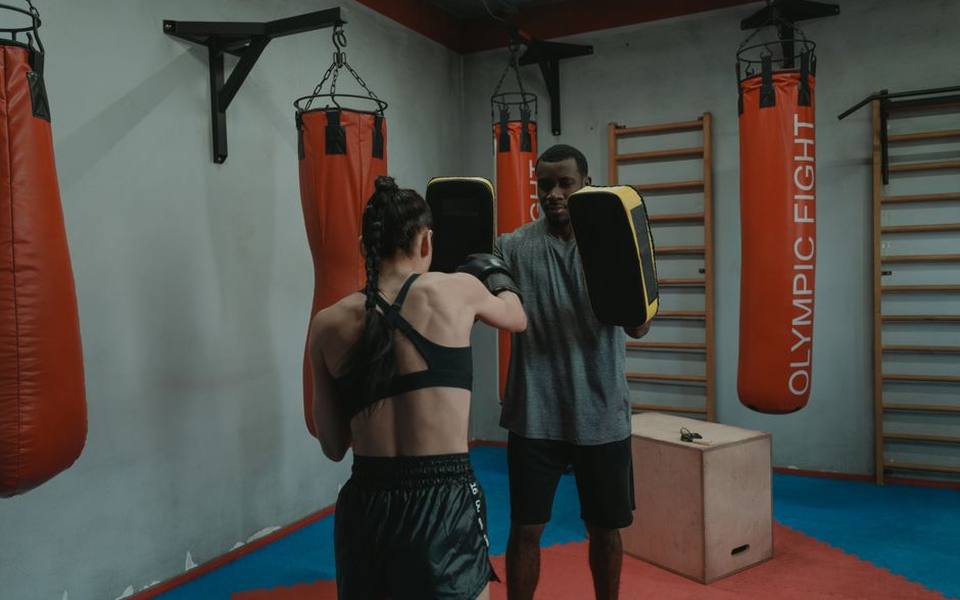
Kickboxing Classes & Cardio Fitness Workouts Guide
-
 Owning
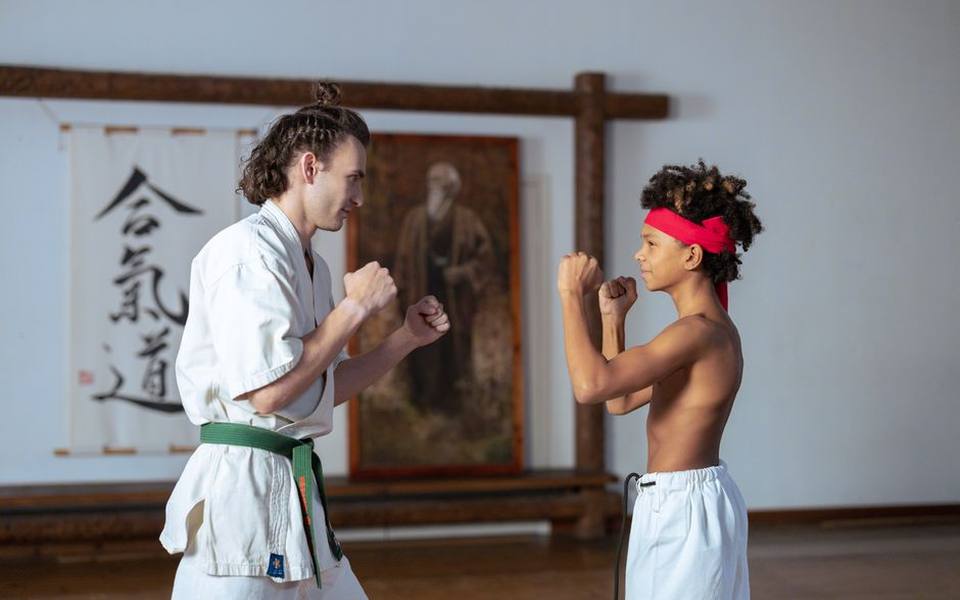
Martial Arts Belt Ranking Systems: Progression, Orders, and Displays
-
 Buying
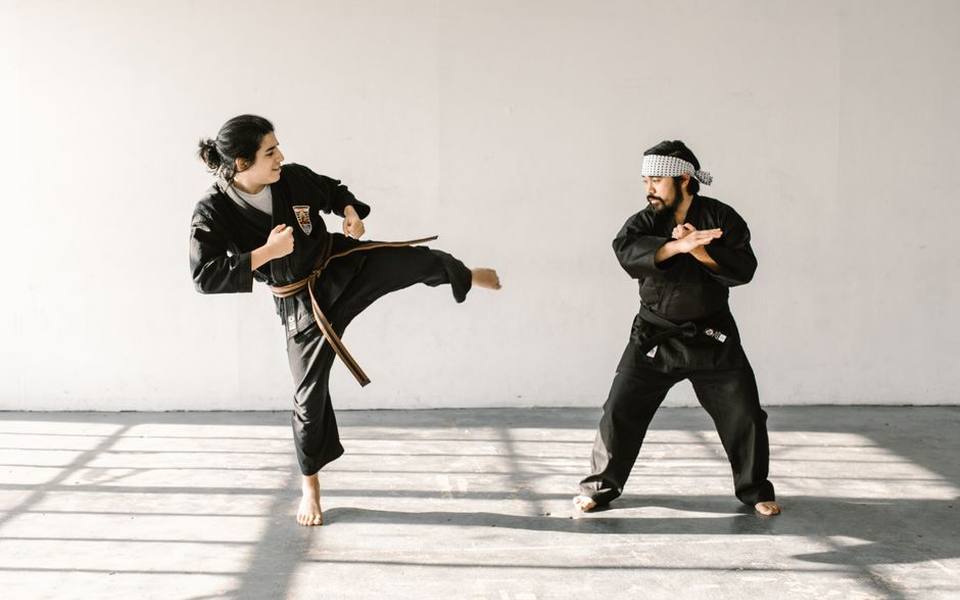
Jeet Kune Do: History, Philosophy, and Modern Training Guide
-
 Buying
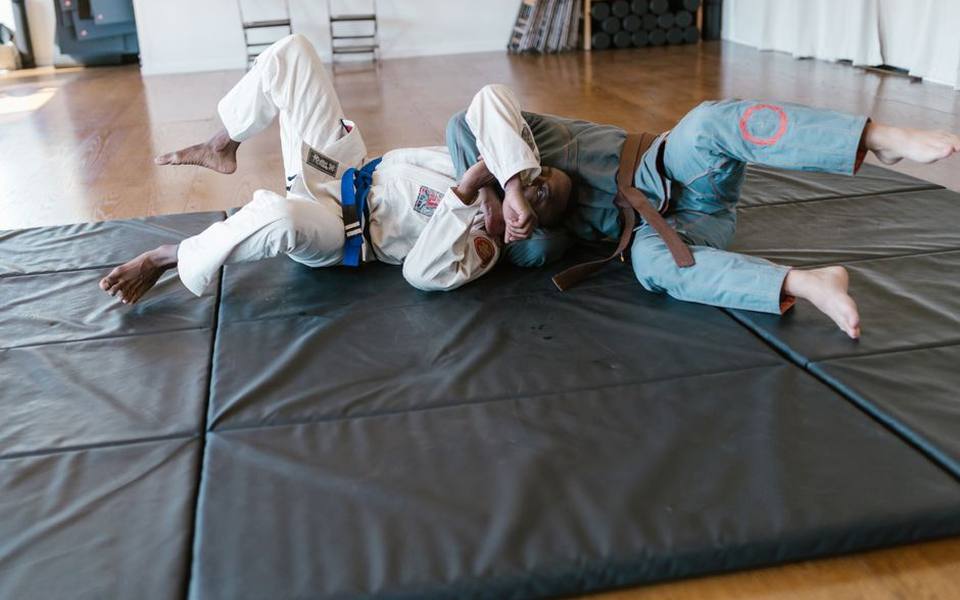
BJJ Gis and Uniforms Buyer's Guide: Brands, Fit, and Care
-
 Buying
Gracie Jiu-Jitsu Lineages, Academy Networks, and Training Philosophies
-
 Buying
10th Planet Jiu-Jitsu: Complete Guide to the No-Gi System and Academies
-
 Safety
Tai Chi Classes for Seniors: Health Benefits, Styles, and Practice Guide
-
 Owning
Heavy Bag and Boxing Workouts: Home Setup, Gear Selection, and Training Guide
-
 Buying
Adult Karate and Taekwondo Classes: Getting Started and Gi Sizing
-
 Owning
IBJJF Tournaments and Competition Guide: Databases, Rules, and Events
-
 Safety
Custom vs. Boil-and-Bite Mouthguards: Complete Selection and Fitting Guide
-
 Safety
Women's and Adult Self-Defense Training Guide: Techniques, Classes, and Systems
-
 Owning
Traditional Chinese Martial Arts: Shaolin, Wing Chun, Jeet Kune Do, and Gear Guide
-
 Buying
Adult Martial Arts Guide: Choosing the Right Style, Gym, and Training Class
-
 Buying
Filipino Martial Arts, Kenpo, Aikido, and HEMA: Comparing Traditional Combat Styles
-
 Owning
Heavy Bag Workout Guide: Routines, Drills, and Training for Cardio and Weight Loss
-
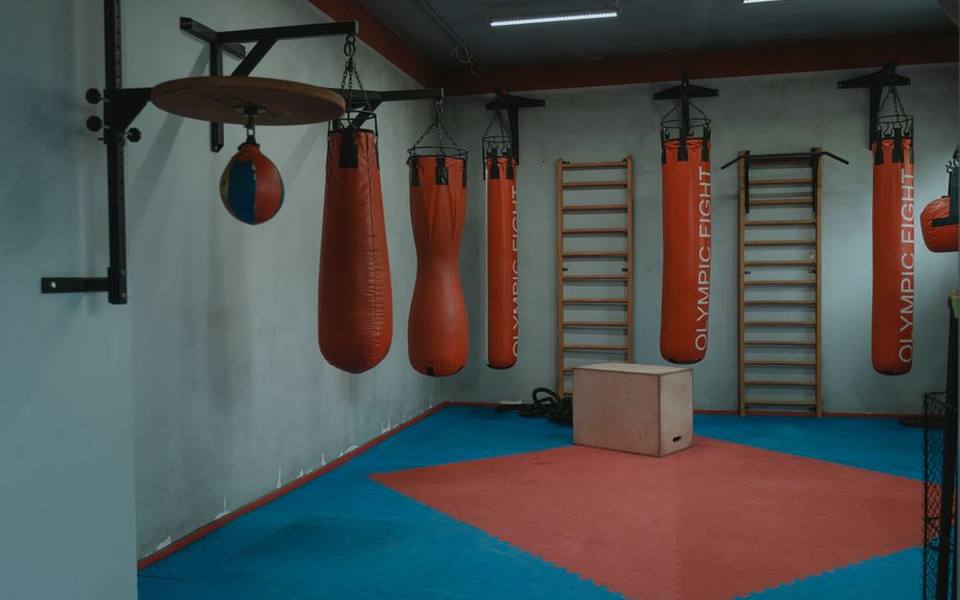 Buying
Muay Thai and Cardio Kickboxing Classes: Training, Techniques, and Fitness Programs
-
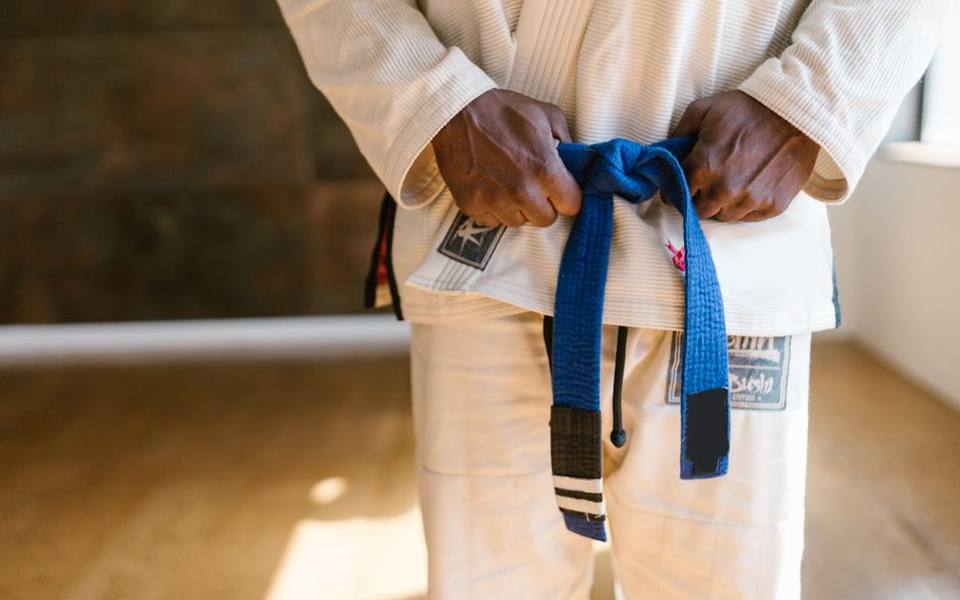 Buying
BJJ Gis, Rash Guards, and Apparel: How to Choose, Size, and Care for Jiu-Jitsu Gear
-
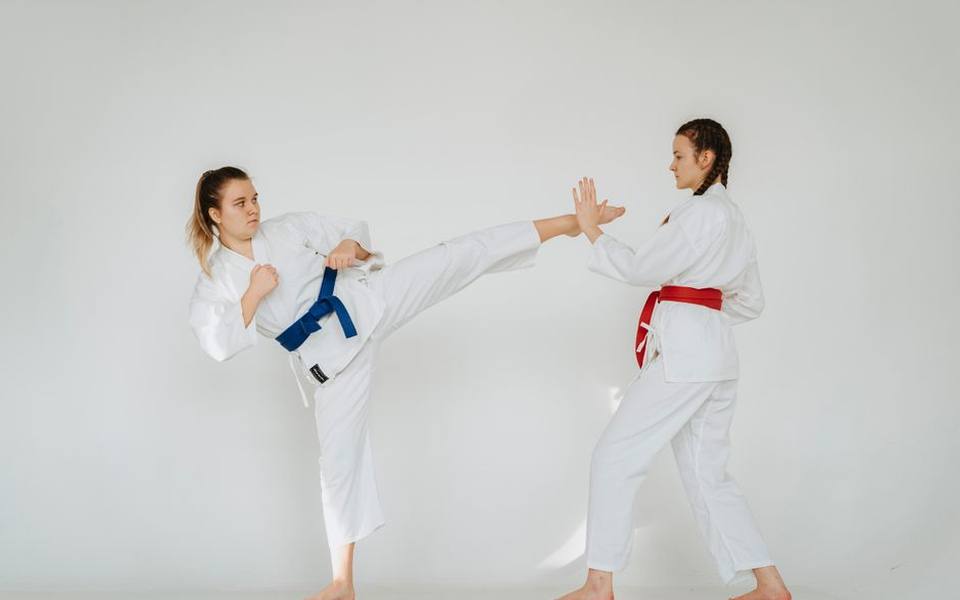 Safety
Women's and Adult Self-Defense Classes: Selecting Programs for Real-World Safety
-
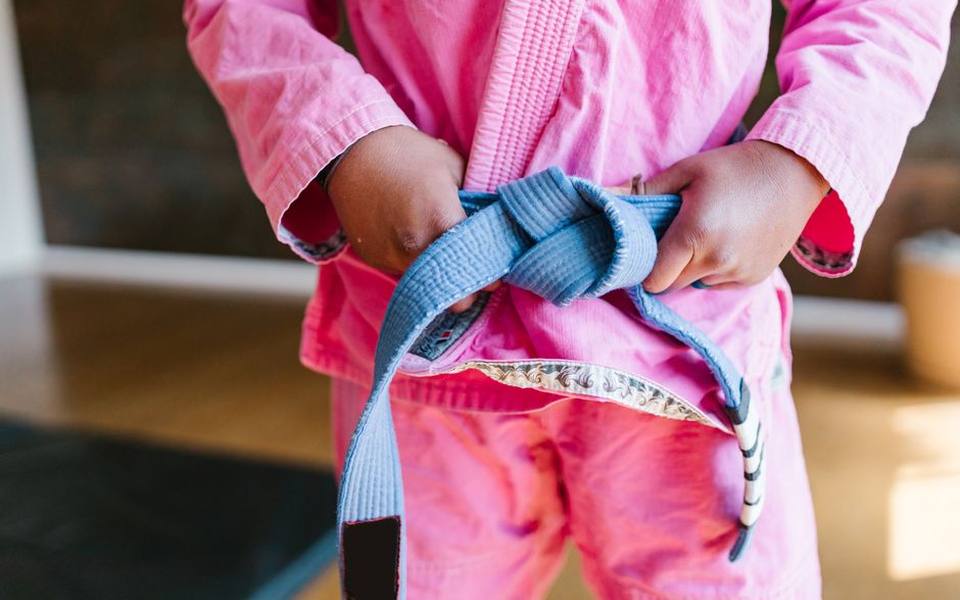 Owning
Martial Arts Belts and Ranks: Belt Order, Taping, and Display Racks Guide
-
 Safety
Martial Arts Conditioning, High-Kick Mobility, and Protective Gear Guide
-
 Buying
Kids and Toddler Martial Arts: Complete Guide to Classes, Camps, and Family Dojos
-
 Owning
How to Hang a Heavy Bag: Ceiling and Wall Mounting Installation Guide
-
 Buying
Brazilian Jiu-Jitsu Schools, Academies, and Lineages: A Complete Guide
-
 Buying
Martial Arts Gyms, Fitness Studios, and Dojos Directory Guide
-
 Buying
Traditional Martial Arts Styles and Specialized Disciplines Guide
-
 Owning
BJJ and Martial Arts Gi Selection, Sizing, and Equipment Care Guide