What mixed martial arts actually means
Mixed martial arts is a full-contact combat sport and conditioning discipline that integrates technical elements from striking, clinching, and ground-fighting arts. Rather than adhering to the stylistic limitations of a single traditional practice, it synthesizes the most effective techniques from boxing, kickboxing, wrestling, and submission grappling into a complete system. In modern athletic settings, the sport operates under standardized unified rules that prioritize participant safety while allowing full athletic expression across multiple ranges of hand-to-hand engagement.
The underlying philosophy of this discipline centers on functional versatility. In conventional single-discipline martial arts, an athlete typically operates within strict boundary rules, such as remaining upright in boxing or avoiding leg locks in classical judo. In contrast, modern combat systems demand that a practitioner understand how to manage distance on the feet, defend takedowns against a wall or cage, and control an opponent or secure escapes on the ground. Practitioners interested in this holistic approach often seek out mixed martial arts programs to build an adaptable athletic skill set.
For the everyday beginner stepping onto the mats, this discipline is far less about aggression and far more about physical problem-solving. Newcomers do not simply jump into full-contact sparring on their first day. Instead, they learn the underlying biomechanics connecting individual movements: how a missed punch leads into a defensive body lock, or how an unsuccessful sweep on the mat requires an immediate technical recovery. It is a demanding, rewarding sport that builds coordination, spatial awareness, and full-body strength.
Defining the modern mixed martial artist
A mixed martial artist is an athlete who deliberately trains across multiple combat systems to eliminate tactical weaknesses and combine diverse techniques into a unified fighting style. Unlike specialists who focus solely on one discipline, these practitioners cultivate a broad physical vocabulary. They study distance management, head movement, hand-eye coordination, wrestling takedowns, and joint submissions with equal dedication, ensuring they can defend themselves regardless of where an exchange takes place.

Beyond technical prowess, these practitioners develop noticeable mental fortitude and emotional control under pressure. When working through high-intensity rounds or defending against heavy pressure on the mats, panicking quickly leads to exhaustion and tactical mistakes. Training in mixed disciplines conditions you to breathe deliberately during physical discomfort, assess tactical openings in split seconds, and modify your plan when an experienced training partner counters your initial movement.
Importantly, you do not need to step into a competitive cage or ring to earn this title. The vast majority of people practicing the sport in local academies are everyday hobbyists, professionals, and students who appreciate the deep athletic conditioning, practical self-defense knowledge, and gym camaraderie. Adopting the mindset of a martial artist simply means committing to personal improvement, maintaining respect for your training partners, and staying humble as you learn complex motor skills.
The foundational disciplines behind the sport
To understand how mixed combat operates, it helps to examine the core disciplines that form its foundation. Standup striking relies heavily on Western boxing for upper-body evasion and hand precision, combined with Muay Thai and kickboxing for powerful low kicks, knee strikes, and defensive checking mechanics. Beginners who want to sharpen their upright combinations and develop rhythmic timing often supplement their training with kickboxing classes to master weight distribution and defensive guard positioning.
The transitional range of combat takes place in the clinch, where Greco-Roman wrestling, folkstyle wrestling, and judo intersect. This phase dictates whether an engagement remains standing or moves down to the canvas. Wrestlers use underhooks, head position, and hip leverage to control their opponent's posture against cage walls or in open space, making wrestling the crucial tactical bridge that ties striking and ground fighting together.
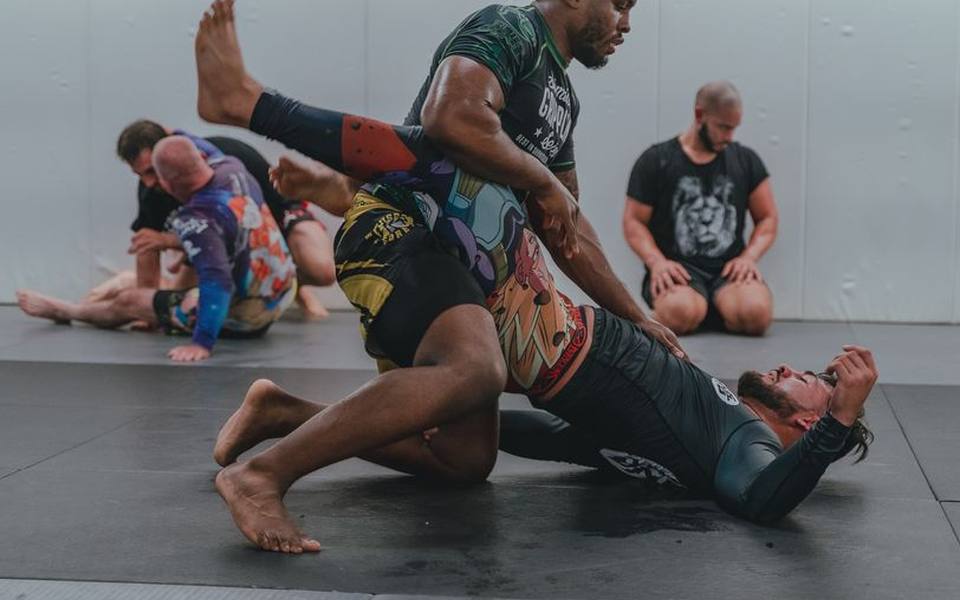
Once a fight touches the mat, ground grappling becomes the dominant factor, drawing predominantly from Brazilian Jiu-Jitsu and catch wrestling. Practitioners learn positional hierarchy, understanding that securing dominant control of an opponent's hips and torso must occur before attempting joint locks or chokeholds. Knowing how to work from your back using an active guard, neutralize incoming strikes, and scramble back to a standing stance are essential skills for every complete athlete.
How beginners can start learning the craft
Starting your journey in combat sports can feel daunting, but high-quality academies design specific introductory tracks for beginners with zero previous martial arts experience. When evaluating where to train, look for reputable MMA training centers that separate beginner technical instruction from competitive team practices. This structural division ensures newcomers learn proper falling techniques, basic guard positions, and fundamental footwork in a controlled, non-intimidating setting.
A practical approach for any beginner is to avoid learning every discipline at the exact same moment. During your initial three to six months, focusing on foundational striking classes two days a week and basic grappling sessions two days a week typically yields the best retention. Attempting to combine wrestling shots, submission setups, and kickboxing combinations in a single class early on can easily overwhelm your motor memory and lead to sloppy defensive habits.
When touring prospective facilities, observe the overall environment and culture on the mats. A quality gym promotes mutual support, strict hygiene protocols, and disciplined partner drilling where participants look out for each other's physical well-being. Instructors should actively provide hands-on adjustments, enforce controlled pacing, and ensure advanced students match the intensity of less experienced partners so everyone trains safely.
Starting your training journey from home
Many aspiring martial artists wonder if they can begin developing their skills at home before committing to a commercial gym membership. The reality is that while you cannot master live partner timing by yourself, you can build an outstanding baseline of cardiovascular conditioning, hip mobility, and movement mechanics in your own living room or garage. Establishing these physical qualities early makes your eventual introduction to an academy far smoother.
Productive home practice centers on fundamental shadowboxing, stance stability, and ground mobility drills. Standing before a mirror lets you monitor your posture, verify that your chin remains tucked, and confirm that your hands return to a defensive guard after throwing straight punches. On the floor, practicing solo grappling movements like technical stand-ups, hip escapes, and bridging reinforces the core coordination needed to move underneath another person's weight.
However, home training has undeniable boundaries that you must keep in mind. Without an experienced instructor evaluating your form, you run the risk of ingraining technical flaws that take months to unlearn later. Furthermore, you cannot replicate the dynamic resistance, pressure, and distance management provided by a live partner. Treat home drills as a supplementary physical primer, but plan on joining an organized class to develop genuine martial capability.
Why combat sports burn intense midsection fat
Beyond technical skill, the profound transformation in physical conditioning draws thousands of adults to combat academies, particularly those looking to eliminate stubborn stomach fat. Mixed martial arts sessions function as high-intensity interval conditioning combined with continuous aerobic exertion. During a typical session, your heart rate continuously moves between moderate endurance zones and high-threshold anaerobic spikes, creating a substantial energy demand that encourages systemic fat oxidation.
Grappling on the mats serves as an unmatched tool for trimming abdominal fat because it demands total engagement from the deep core musculature. Whether you are bridging from bottom position, framing against a partner's chest, or stabilizing yourself inside someone's guard, your transverse abdominis and obliques remain under constant isometric tension. This full-body recruitment burns far more energy than isolated abdominal exercises like crunches, triggering metabolic expenditure that persists long after class ends.
Striking drills provide an equally intense workout for your midsection. Power in Western boxing, kickboxing, and Muay Thai does not originate in the arms; it generates through foot placement, drives through the hips, and transfers through a violently rotating torso. Every roundhouse kick, cross, and hook requires significant abdominal torque. Over an hour of pad work and heavy bag combinations, your core completes hundreds of dynamic rotational contractions that strengthen the midsection while stripping away excess visceral fat.
Targeting stomach fat through whole body conditioning
While throwing punches and wrestling on the mats heavily activates the core, it is vital to understand the biological mechanics of losing belly fat. Scientifically, spot reduction is a myth; you cannot force your body to burn fat exclusively from your abdominal wall simply by working those specific muscles. When you expend more energy than you consume, your body mobilizes stored lipids systemically from fat deposits across your entire frame based on your individual genetics and hormonal profile.
Because mixed martial arts training creates such a substantial caloric deficit through intense physical output, it accelerates the reduction of total body fat, which directly leads to a flatter, firmer stomach. Visceral fat, the deep layer surrounding vital internal organs beneath the abdominal wall, responds especially well to regular bouts of high-intensity athletic conditioning. Over several months of consistent mat time, as your systemic body composition shifts, stubborn abdominal fat inevitably diminishes.
Nutritional discipline remains the essential partner to your hours in the academy. You cannot out-train an excessive caloric intake or a diet dominated by ultra-processed foods, regardless of how demanding your sparring sessions might feel. Combining regular training with whole-food nutrition, lean protein sources, adequate dietary fiber, and disciplined hydration creates the sustainable deficit required to reduce belly fat permanently while preserving the functional muscle mass you build during training.
Essential gear and equipment for newcomers
Equipping yourself properly from the start ensures you can train safely without suffering avoidable minor injuries or putting training partners at risk. At an absolute minimum, every newcomer stepping into striking classes needs a custom-molded mouthguard, quality elastic hand wraps, and a pair of sixteen-ounce boxing gloves. Sixteen-ounce gloves provide ample padding to protect your knuckles on heavy bags while providing sufficient cushion for your partner during technical contact drills.
As your training expands into kicking combinations and defensive checks, protective shin guards become indispensable. Standup shin guards designed for combat training feature dense, contoured foam running from the top of the shin down over the instep of the foot. This padding prevents painful bone bruising when shins collide during drilling. For ground grappling sessions, fitted compression rashguards and athletic fight shorts without external pockets or metal zippers prevent caught fingers and reduce mat burn.
You do not need to invest in the most expensive professional equipment when first getting started. Solid entry-level protective gear from reputable sporting manufacturers typically holds up very well across your first year of fundamentals. As your skills advance and you spend four to five days a week on the mats, you can gradually invest in specialized, custom-fitted gear tailored to your training focus.
Balancing striking drills and grappling on the mats
One of the primary difficulties beginners experience is learning how to balance the distinct physical demands of striking and grappling without running into overtraining. Striking requires sharp timing, rapid twitch reflexes, and loose cardiovascular endurance. In contrast, grappling demands immense isometric grip strength, hip pressure, and muscular endurance. Alternating these physical adaptations requires careful management of your weekly training schedule so your joints and central nervous system recover properly.
Supplementing your general training with a dedicated Brazilian Jiu-Jitsu program provides deep technical clarity on the ground that drastically improves your overall comfort. Jiu-jitsu teaches you how to leverage skeletal alignment and weight distribution to neutralize larger, stronger opponents. Once you understand how to defend yourself calmly from bad positions on the floor, your standup striking becomes noticeably more relaxed because you no longer fear the takedown.
A structured weekly schedule typically divides focus cleanly rather than cramming multiple disciplines into single sessions. Many recreational athletes attend two striking classes and two grappling classes during the workweek, occasionally attending an open mat or hybrid integration session on the weekend. This deliberate structure gives your body time to adapt to diverse impact forces and keeps your technical development steady across both standing and ground phases.
Nutrition, recovery, and sustaining long term progress
The rigorous physical demands of combat sports mean that your recovery habits will make or break your long-term progress. Heavy pad rounds and intense grappling deplete muscular glycogen stores quickly and cause micro-tears in muscle tissue. Consuming balanced meals featuring adequate dietary protein and unrefined carbohydrates after your workouts supports tissue repair, replenishes energy reserves, and ensures your metabolism stays elevated for continued abdominal fat loss.
Sleep is arguably your most critical recovery asset. During deep slow-wave sleep cycles, the human body releases natural growth factors that heal stressed tendons, ligaments, and muscle fibers while regulating metabolic hormones like ghrelin and leptin. Chronic sleep deficiency elevates cortisol, a major stress hormone known to encourage the retention of stubborn abdominal fat and impair physical reaction times on the mats.
Sustaining momentum in martial arts relies entirely on consistency rather than occasional bursts of unsustainable intensity. Pushing yourself to the point of exhaustion five days a week as a novice often leads to physical burnout or minor sprains that sideline you for weeks. Aim for three to four well-executed sessions weekly, listen to your joints, stay properly hydrated, and allow your body the necessary rest to adapt to this highly rewarding athletic pursuit.
Published 2026-09-20 · reviewed with each rebuild, last September 2026.
Find martial arts schools near you
The directory lists 32,877 martial arts schools by state and city — pick your state or use the “Near me” button in the header.
More guides
-
 Owning
Establishing a Proper Heavy Bag Routine and Striking Technique at Home
-
 Safety
Brazilian Jiu-Jitsu for Beginners: Tips, Fundamentals, and Mat Health
-
 Buying
Finding the Right Fit: A Guide to Sizing Your Jiu-Jitsu Uniform and Cross-Training Gear
-
 Money
MoneyHow Much Do Martial Arts Classes Cost? Membership Fees Breakdown
-
 Owning
What Is Mixed Martial Arts? Beginner Overview and Training Guide
-
 Owning
The History, Origins, and Physical Demands of Brazilian Jiu-Jitsu
-
 Owning
Traditional Martial Arts Guide: Understanding Wushu, Silat, and Naginata
-
 Safety
How to Wrap Your Hands for Boxing: Step-by-Step Wrist and Knuckle Protection Guide
-
 Buying
Best Jiu-Jitsu Gis and Apparel: Complete Buyer's Guide and Sizing Chart
-
 Buying
BJJ vs Judo vs Wrestling vs No-Gi: Which Grappling Art Is Right for You?
-
 Buying
How to Choose the Best Jiu-Jitsu and MMA Gym Near You
-
 Owning
Brazilian Jiu-Jitsu for Beginners: Rules, Belt Ranks, and Mat Training
-
 Buying
Kickboxing Classes & Cardio Fitness Workouts Guide
-
 Owning
Martial Arts Belt Ranking Systems: Progression, Orders, and Displays
-
 Buying
Jeet Kune Do: History, Philosophy, and Modern Training Guide
-
 Buying
BJJ Gis and Uniforms Buyer's Guide: Brands, Fit, and Care
-
 Buying
Gracie Jiu-Jitsu Lineages, Academy Networks, and Training Philosophies
-
 Buying
10th Planet Jiu-Jitsu: Complete Guide to the No-Gi System and Academies
-
 Safety
Tai Chi Classes for Seniors: Health Benefits, Styles, and Practice Guide
-
 Owning
Heavy Bag and Boxing Workouts: Home Setup, Gear Selection, and Training Guide
-
 Buying
Adult Karate and Taekwondo Classes: Getting Started and Gi Sizing
-
 Owning
IBJJF Tournaments and Competition Guide: Databases, Rules, and Events
-
 Safety
Custom vs. Boil-and-Bite Mouthguards: Complete Selection and Fitting Guide
-
 Safety
Women's and Adult Self-Defense Training Guide: Techniques, Classes, and Systems
-
 Owning
Traditional Chinese Martial Arts: Shaolin, Wing Chun, Jeet Kune Do, and Gear Guide
-
 Buying
Adult Martial Arts Guide: Choosing the Right Style, Gym, and Training Class
-
 Buying
Filipino Martial Arts, Kenpo, Aikido, and HEMA: Comparing Traditional Combat Styles
-
 Owning
Heavy Bag Workout Guide: Routines, Drills, and Training for Cardio and Weight Loss
-
 Buying
Muay Thai and Cardio Kickboxing Classes: Training, Techniques, and Fitness Programs
-
 Buying
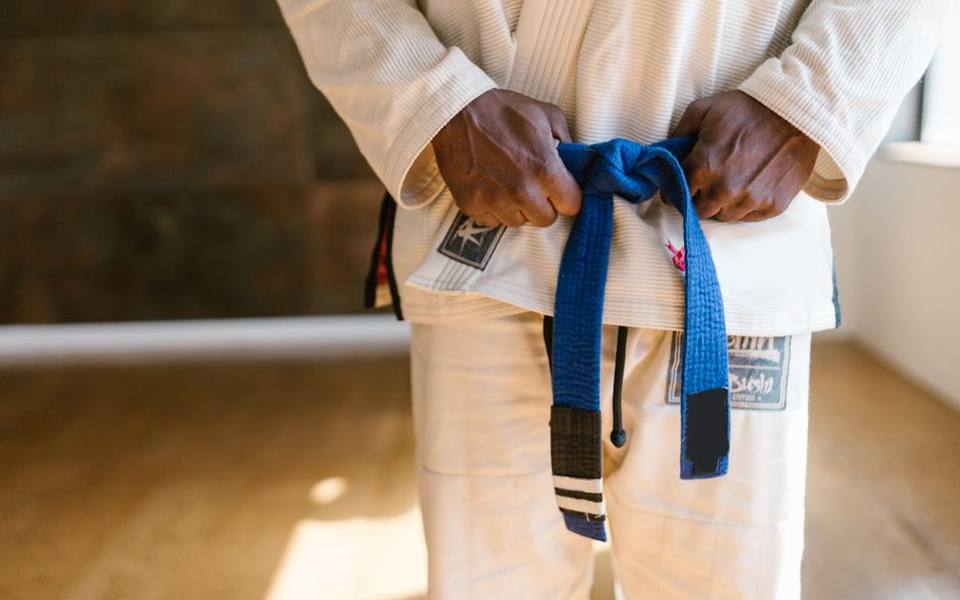
BJJ Gis, Rash Guards, and Apparel: How to Choose, Size, and Care for Jiu-Jitsu Gear
-
 Safety
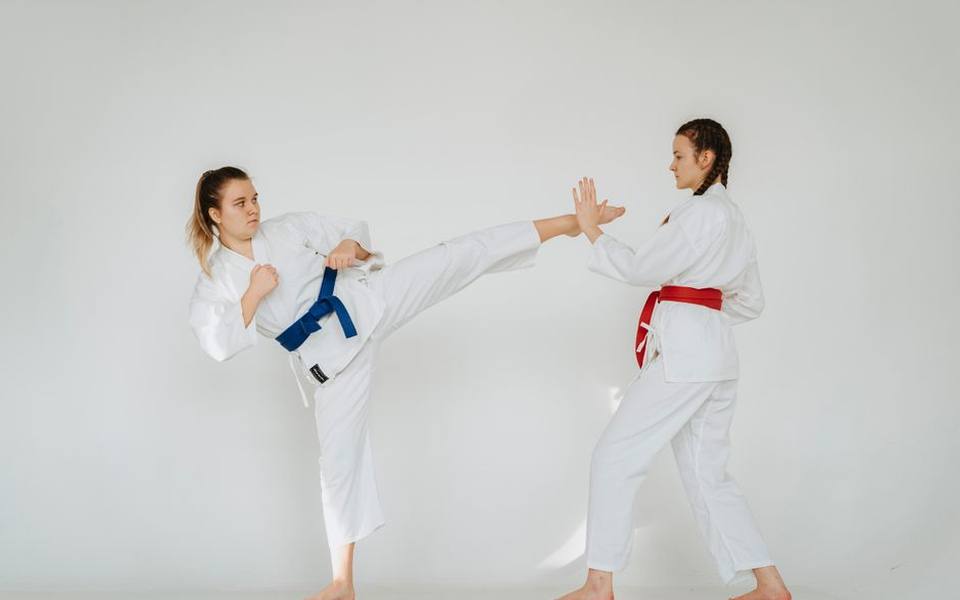
Women's and Adult Self-Defense Classes: Selecting Programs for Real-World Safety
-
 Owning
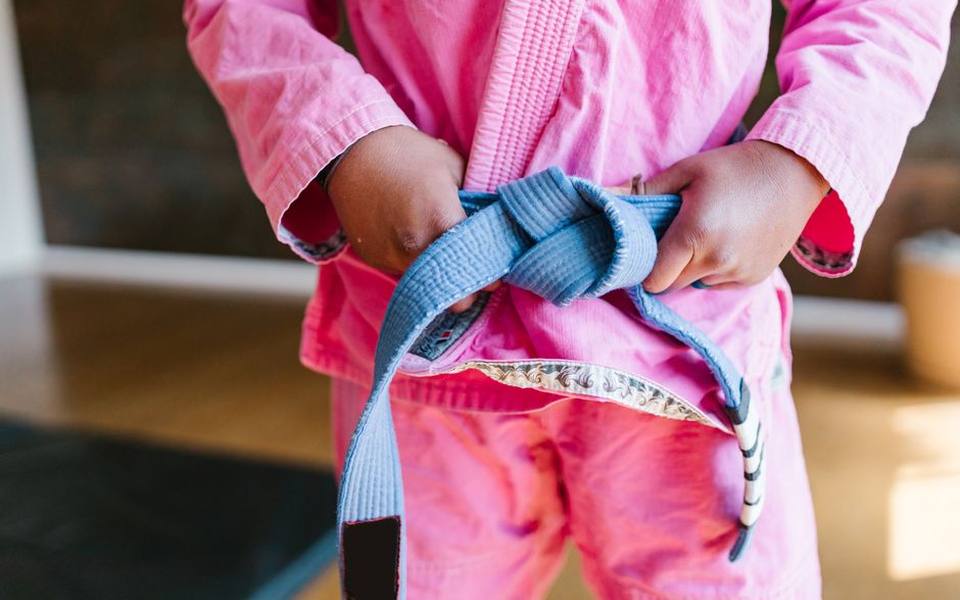
Martial Arts Belts and Ranks: Belt Order, Taping, and Display Racks Guide
-
 Safety
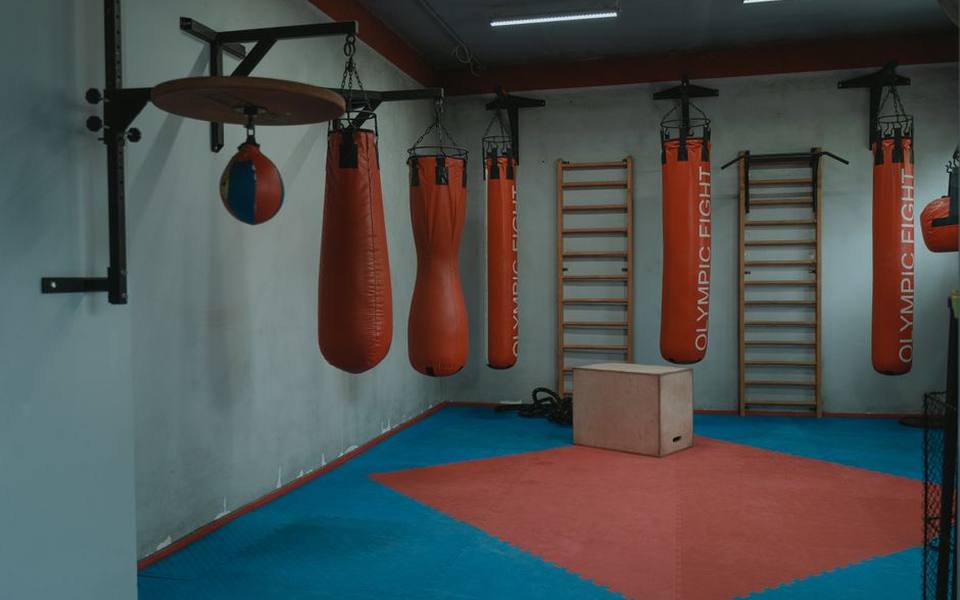
Martial Arts Conditioning, High-Kick Mobility, and Protective Gear Guide
-
 Buying
Kids and Toddler Martial Arts: Complete Guide to Classes, Camps, and Family Dojos
-
 Owning
How to Hang a Heavy Bag: Ceiling and Wall Mounting Installation Guide
-
 Buying
Brazilian Jiu-Jitsu Schools, Academies, and Lineages: A Complete Guide
-
 Buying
Martial Arts Gyms, Fitness Studios, and Dojos Directory Guide
-
 Buying
Traditional Martial Arts Styles and Specialized Disciplines Guide
-
 Owning
BJJ and Martial Arts Gi Selection, Sizing, and Equipment Care Guide