Navigating Modern Training Facilities and Hybrid Studios
Walking into a training space for the first time reveals that the modern martial arts landscape is far more diverse than traditional rows of uniforms might suggest. Across North America, prospective students encounter everything from austere dojos rooted in hundred-year-old lineages to boutique wellness hubs that blend combat sports with metabolic conditioning. With more than 20,366 listings in top states tracked across our national database, finding the right training home comes down to matching your personal physical goals with an academy's core operational philosophy.
Some facilities focus purely on rank advancement through formal katas and belt promotion tracks, while others prioritize everyday functional fitness, bag work, and sweat equity over martial ceremony. Deciding between a combative sports gym, a family-oriented studio, or a specialized tactical defense center requires stripping away marketing language and examining the daily mat culture. What happens during regular warm-ups, how coaches manage safety during partner drills, and how the curriculum balances sparring against technical theory define the actual value of your monthly tuition.
Before committing to a long-term contract, you should understand the primary training categories operating in most communities. Traditional dojos preserve cultural heritage, belt-based martial arts centers focus on character education and formal progression, and hybrid fitness studios emphasize cardiovascular conditioning through striking combinations. Each structure creates a distinct community, training pace, and physical demand, making it essential to audit classes in person rather than judging solely by online reviews or storefront signage.
Stripping Down to Fundamentals in Combined Fitness Programs
A major movement in adult martial arts education returns to straightforward, no-nonsense movement patterns, often operating under a back-to-basics ethos. Rather than memorizing dozens of complex multi-step forms or theatrical acrobatics, these programs concentrate on high-percentage punches, clean footwork, balance recovery, and solid hip mechanics. For an adult with limited free hours each week, mastering a clean jab-cross combination and dependable defensive posture offers immediate physical rewards without the cognitive overload of historic martial etiquette.
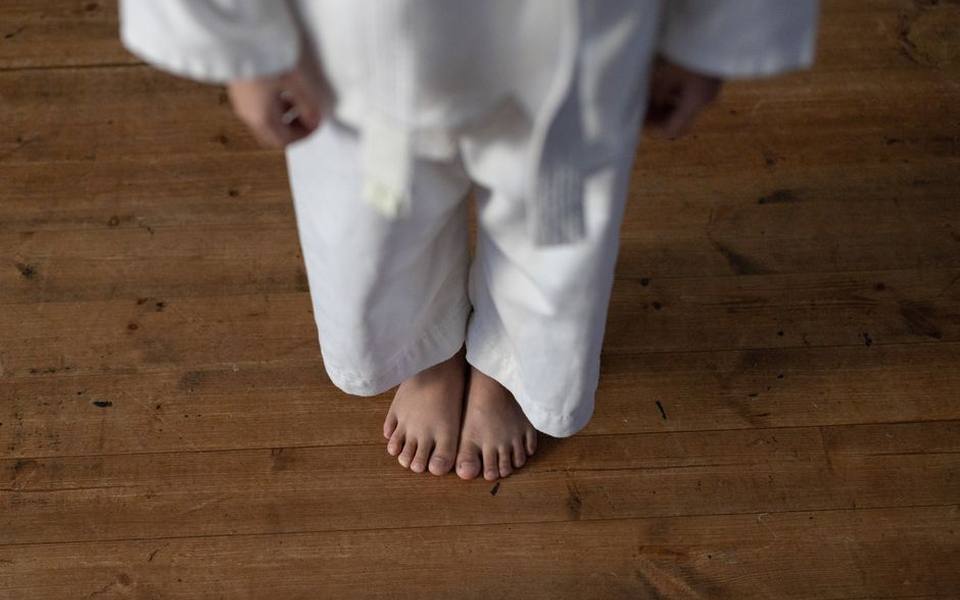
Conditioning in these stripped-down environments tends to mirror authentic fighter preparation without forcing members into uncomfortable full-contact scenarios. Students spend their rounds rotating between heavy bag work, focus mitt drills, medicine ball throws, and bodyweight intervals that directly support combat stamina. Because the technical curriculum remains straightforward, classes maintain an elevated training tempo that doubles as an efficient full-body workout, burning substantial energy while reinforcing natural movement patterns that translate well to daily health.
When evaluating a studio focused on foundational fundamentals, observe how instructors correct beginners during repetitive technical drills. A quality coach will watch your stance alignment, knee flexion, and shoulder tension closely, ensuring you do not develop bad rotational habits on the bags that could lead to wrist or lumbar strain over time. Programs that respect foundational mechanics prioritize joint safety above all else, ensuring students remain injury-free and capable of training consistently year after year.
Traditional Lineages and American Kenpo Systems
Many established neighborhood schools draw their technical roots from classic American Kenpo and private lesson lineages made widespread by twentieth-century martial innovators like Ed Parker and the Tracy brothers. These institutions typically organize their curricula around dense catalogs of self-defense techniques designed to counter specific street attacks, such as grabs, pushes, and club strikes. Training often emphasizes rapid-fire hand combinations, targeted nerve strikes, and immediate centerline defense, teaching students how to respond decisively to sudden physical aggression.
A hallmark of traditional Kenpo and classic karate heritage schools is the dual-track instructional format. In addition to attending group classes for sparring and cardio, students typically complete one-on-one private lessons each week with a senior instructor to absorb new material and refine technical details. Exploring traditional martial arts schools reveals that this personalized structure allows busy adults and children to progress at their own pace without feeling rushed by a collective classroom schedule.
While some modern practitioners view prearranged self-defense sequences as rigid, well-run lineage academies use these combinations to build subconscious muscle memory and rapid reflexes. Practicing structured scenarios gives beginners a clear roadmap of spatial awareness, weight transfer, and counter-striking angles. If you choose an academy rooted in this classical lineage, ensure that advanced classes eventually introduce live resistance and fluid timing so that your memorized combinations hold up against uncooperative movement.
Korean Discipline and Structured Family Academies
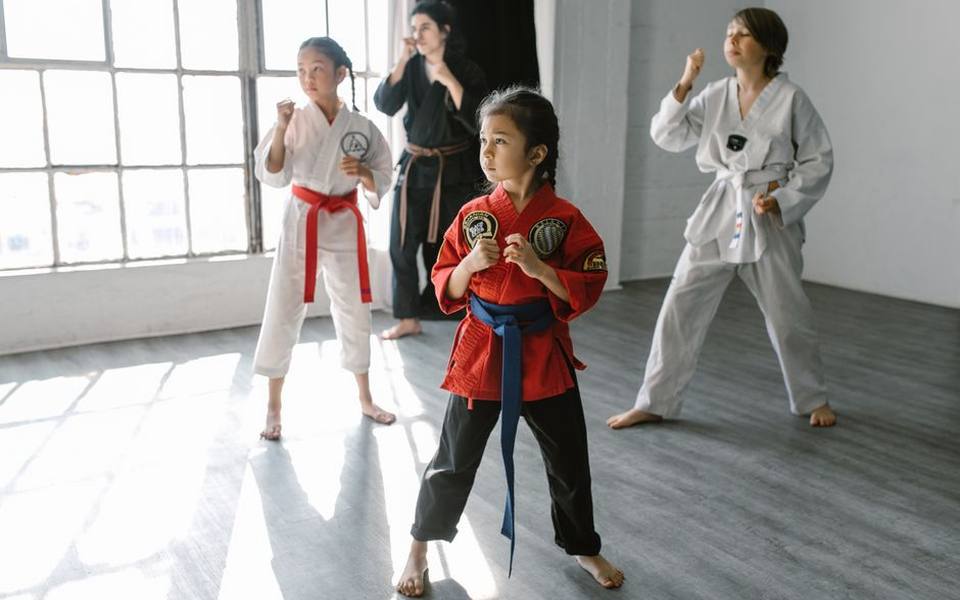
Family-focused academies often trace their roots to Korean disciplines like Taekwondo and Tang Soo Do, drawing heavily on the instructional formats popularized by grandmasters such as Richard Chun or the numerous Kim martial arts dynasties across the country. These schools excel at building multi-generational training programs where parents and children can share mat time under unified values. High, dynamic kicking drills, structured forms known as poomsae or hyung, and strict dojang etiquette form the backbone of everyday practice.
The environment inside an established Korean-style family school leans heavily on character development, respect, and mutual support. Instructors routinely incorporate life skills, academic report card monitoring, and leadership responsibilities into their rank advancement systems. For households seeking a shared physical hobby, discovering family martial arts classes and academies provides an organized framework where physical fitness and personal accountability run parallel for both children and working adults.
When touring these centers, pay attention to the progression standards required before a student tests for an advanced belt. A credible academy enforces measurable technical standards, physical fitness benchmarks, and minimum time-in-grade requirements before awarding intermediate or senior ranks. If students advance simply by attending a predetermined number of sessions without demonstrating technical mastery or composure, the belt system risks becoming a hollow motivational tool rather than an earned marker of skill.
Building Physical and Mental Resilience on the Mat
A growing sector of martial arts training intentionally markets itself around developing mental grit, recovery habits, and physical fortitude. Resilience-oriented academies view combat training as a primary vehicle for stress inoculation, teaching students how to breathe, think, and react calmly when placed under physical fatigue or tactical pressure. Whether through continuous sparring drills, positional escapes on the ground, or intense conditioning circuits, the objective is to teach your central nervous system to remain composed under duress.

This training philosophy often incorporates recovery education, mobility drills, and joint prehabilitation alongside striking or grappling mechanics. Rather than encouraging a reckless tough-guy atmosphere that leads to frequent joint sprains or concussions, modern resilience-focused coaches emphasize longevity. They structure sessions so that practitioners push past uncomfortable mental barriers while maintaining strict technical safety, ensuring that students walk off the mats energized and capable of handling external life challenges with renewed emotional poise.
Students who gravitate toward these gyms frequently report that the primary benefit is psychological rather than purely defensive. Navigating intense physical exhaustion against an active training partner creates an internal calibration that makes everyday workplace or personal anxieties feel manageable by comparison. Over months of consistent training, your baseline tolerance for physical fatigue rises, while your instinct to panic in the face of unexpected obstacles steadily diminishes.
Active Shooter Response and Civilian Tactical Training
In response to modern safety concerns, several self-defense centers now integrate specialized civilian response curricula into their weekly schedules. Programs modeled after national frameworks like CRASE (Civilian Response to Active Shooter Events) shift the focus away from traditional martial arts rings and toward situational awareness, environmental navigation, and emergency crisis decision-making. These courses teach civilians how to recognize early warning indicators, utilize structural barriers, and coordinate decisive protective actions during extreme incidents.

Practical tactical instruction teaches that physical confrontation is strictly the final option when evasion and barricading fail. Searching for dedicated self-defense classes and safety workshops allows individuals to practice hands-on physical interventions, such as disarming mechanics, improvised weapon deployment, and collective control tactics within realistic architectural mockups. Reputable instructors emphasize that unarmed intervention carries extreme risk and must be practiced with clinical discipline rather than cinematic bravado.
When evaluating a studio offering tactical or civilian defense seminars, examine the lead instructor's background and teaching credentials carefully. Legitimate tactical educators possess verifiable experience in law enforcement, emergency management, or professional threat mitigation rather than self-proclaimed tactical titles. Safe academies conduct these workshops using non-firing training weapons, eye protection, and controlled force parameters to prevent accidental injuries during chaotic physical drills.
High-Energy Fitness Striking and Bag Conditioning
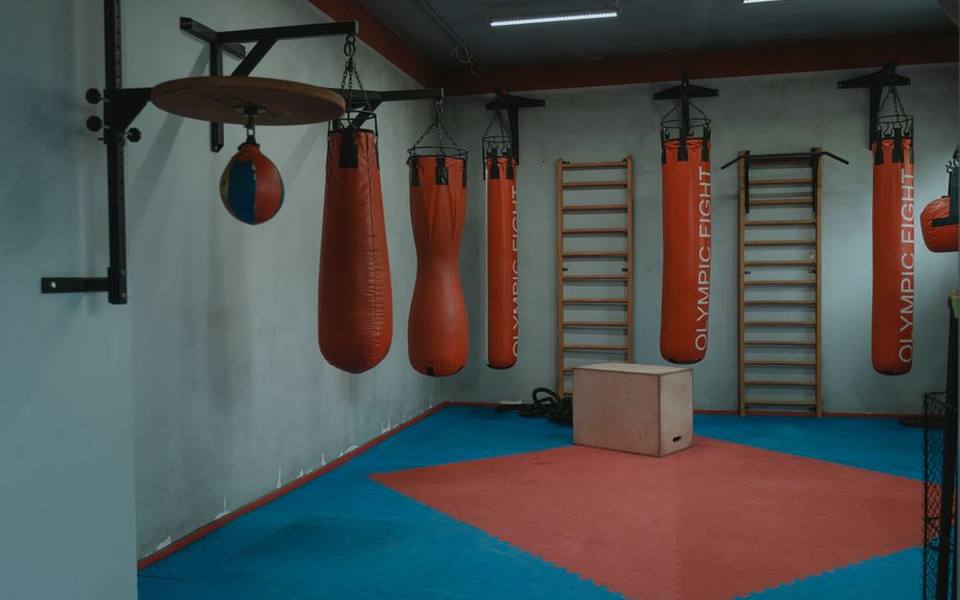
Not everyone stepping onto the mats wants to spar with a partner or memorize technical defense sequences. High-energy fitness striking studios, often branded around showmanship and boutique group exercise, satisfy students who want the calorie burn and coordination of combat sports without the bruise risk. These gyms feature long rows of heavy bags, dynamic lighting systems, rhythmic pacing, and motivating coaching playlists that keep participants moving through thirty- to sixty-minute full-body striking workouts.
Classes in this segment combine authentic Muay Thai, boxing, and kickboxing strikes with functional bodyweight exercises like squats, burpees, and core intervals. Participating in kickboxing classes for beginners and adults delivers an exceptional cardiovascular workout that tones muscle and enhances coordination while teaching genuine rotational punch mechanics. Because there is no incoming striking threat, students can completely unleash power against durable foam and water bags without hesitation.
To get the most out of a fitness-first combat studio, ensure that the staff places strict emphasis on joint protection and proper equipment. Striking a heavy bag with poorly wrapped hands or unsupportive gloves can cause wrist hyperflexion and bone bruising within a few sessions. Instructors should actively demonstrate how to wrap wrists securely, close fists properly, and pivot the rear foot during hooks to safeguard your knees and shoulders during high-intensity intervals.
Obstacle Agility and Acrobatics for Younger Students
Youth martial arts programming has evolved significantly beyond static line drills and traditional punch-kick repetition. A popular category of youth training blends martial fundamentals with obstacle course navigation, tumbling, and parkour agility, frequently branded as extreme ninja or agility training. These energetic sessions capture children's imaginations by transforming the dojo into a dynamic movement laboratory filled with soft balance beams, vault boxes, cargo nets, and landing mats.
The physical benefits of combining tumbling with traditional martial arts discipline are extensive for growing bodies. Children develop superior proprioception, spatial awareness, vestibular balance, and fall safety skills that protect them across all other athletic pursuits. By enrolling your child in structured kids martial arts classes, you provide a supervised outlet where high energy is channeled into disciplined movement, listening skills, and structured athletic progression under experienced youth coaching.
While obstacle-based programs are undeniably fun and visually engaging, parents should observe a live class to verify that foundational safety and respect remain intact. An effective youth program uses obstacle courses as a reward for disciplined focus rather than letting classes devolve into unstructured playground free-for-alls. Spotting protocols on elevated obstacles must be airtight, and student-to-teacher ratios should remain tight enough to prevent reckless collisions on the mats.
Executive Programs and Bespoke Small-Group Instruction
For working professionals, business owners, and individuals requiring absolute discretion, standard group classes do not always fit packed calendars or privacy expectations. Exclusive martial arts studios cater to this demographic by offering private mat reservations, boutique executive scheduling, and tailored small-group training. In these private studios, curriculum pacing is adjusted directly around the student's personal physical limitations, travel commitments, and specific combative interests.
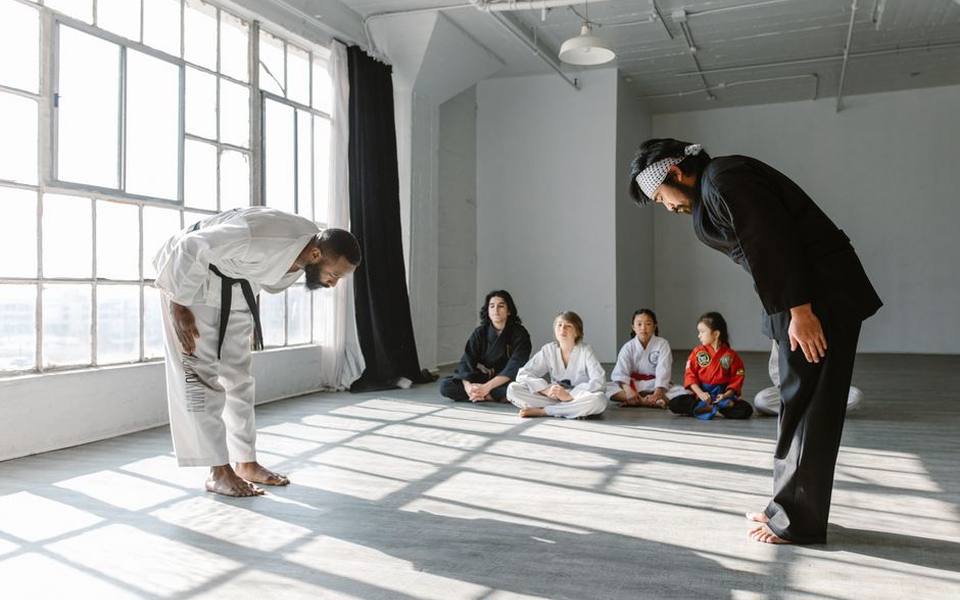
Bespoke training environments focus on efficient technical transfer, allowing students to accomplish in a single hour of one-on-one coaching what might require several hours in an oversized community class. Practitioners work directly with veteran instructors who calibrate resistance carefully, mitigating the common sprains, accidental head clashes, and finger jams that occasionally occur when rolling or sparring with unpredictable beginners on an open public mat.
Naturally, private and executive tier training carries a noticeably higher price point compared to standard commercial memberships. Facilities offering this caliber of service typically feature upgraded amenities, such as private locker suites, recovery saunas, and towel service. When considering a premium boutique membership, confirm how flexible the cancellation and rescheduling policies are, especially if your professional obligations require frequent travel or unpredictable meeting adjustments.
Evaluating Contracts, Floor Culture, and Membership Terms
Before signing any enrollment agreement, conduct a thorough inspection of the studio's business practices and cleanliness standards. Take a close look at the perimeter mats, heavy bags, and locker facilities; reputable schools sanitize all training surfaces multiple times daily with hospital-grade antimicrobial solutions to prevent skin infections. Furthermore, pay attention to the general demeanor of advanced students; a healthy gym culture features senior members who assist beginners with patience rather than treating them as punching bags.
Membership billing terms in the martial arts industry range widely depending on location and business model. While month-to-month memberships offer maximum flexibility, many schools offer discounted rates for six-month or annual agreements. Always inquire upfront about auxiliary costs that rarely appear on marketing flyers, including mandatory association registration fees, test assessment fees, and mandatory branded uniform purchases that can add substantial costs over your first year.
Most reputable studios offer a trial period, ranging from a single complimentary introductory class to a paid two-week starter program complete with gear. Use this trial period to attend classes during the specific time slots you intend to train regularly. An academy that feels friendly on a calm Saturday morning might feel crowded and chaotic during a peak Tuesday evening session, making direct personal verification the smartest step you can take before committing.
Published 2026-09-21 · reviewed with each rebuild, last September 2026.
Find martial arts schools near you
The directory lists 32,877 martial arts schools by state and city — pick your state or use the “Near me” button in the header.
More guides
-
 Owning
Establishing a Proper Heavy Bag Routine and Striking Technique at Home
-
 Safety
Brazilian Jiu-Jitsu for Beginners: Tips, Fundamentals, and Mat Health
-
 Buying
Finding the Right Fit: A Guide to Sizing Your Jiu-Jitsu Uniform and Cross-Training Gear
-
 Money
MoneyHow Much Do Martial Arts Classes Cost? Membership Fees Breakdown
-
 Owning
What Is Mixed Martial Arts? Beginner Overview and Training Guide
-
 Owning
The History, Origins, and Physical Demands of Brazilian Jiu-Jitsu
-
 Owning
Traditional Martial Arts Guide: Understanding Wushu, Silat, and Naginata
-
 Owning
Understanding Mixed Martial Arts for Beginners
-
 Safety
How to Wrap Your Hands for Boxing: Step-by-Step Wrist and Knuckle Protection Guide
-
 Buying
Best Jiu-Jitsu Gis and Apparel: Complete Buyer's Guide and Sizing Chart
-
 Buying
BJJ vs Judo vs Wrestling vs No-Gi: Which Grappling Art Is Right for You?
-
 Buying
How to Choose the Best Jiu-Jitsu and MMA Gym Near You
-
 Owning
Brazilian Jiu-Jitsu for Beginners: Rules, Belt Ranks, and Mat Training
-
 Buying
Kickboxing Classes & Cardio Fitness Workouts Guide
-
 Owning
Martial Arts Belt Ranking Systems: Progression, Orders, and Displays
-
 Buying
Jeet Kune Do: History, Philosophy, and Modern Training Guide
-
 Buying
BJJ Gis and Uniforms Buyer's Guide: Brands, Fit, and Care
-
 Buying
Gracie Jiu-Jitsu Lineages, Academy Networks, and Training Philosophies
-
 Buying
10th Planet Jiu-Jitsu: Complete Guide to the No-Gi System and Academies
-
 Safety
Tai Chi Classes for Seniors: Health Benefits, Styles, and Practice Guide
-
 Owning
Heavy Bag and Boxing Workouts: Home Setup, Gear Selection, and Training Guide
-
 Buying
Adult Karate and Taekwondo Classes: Getting Started and Gi Sizing
-
 Owning
IBJJF Tournaments and Competition Guide: Databases, Rules, and Events
-
 Safety
Custom vs. Boil-and-Bite Mouthguards: Complete Selection and Fitting Guide
-
 Safety
Women's and Adult Self-Defense Training Guide: Techniques, Classes, and Systems
-
 Owning
Traditional Chinese Martial Arts: Shaolin, Wing Chun, Jeet Kune Do, and Gear Guide
-
 Buying
Adult Martial Arts Guide: Choosing the Right Style, Gym, and Training Class
-
 Buying
Filipino Martial Arts, Kenpo, Aikido, and HEMA: Comparing Traditional Combat Styles
-
 Owning
Heavy Bag Workout Guide: Routines, Drills, and Training for Cardio and Weight Loss
-
 Buying
Muay Thai and Cardio Kickboxing Classes: Training, Techniques, and Fitness Programs
-
 Buying
BJJ Gis, Rash Guards, and Apparel: How to Choose, Size, and Care for Jiu-Jitsu Gear
-
 Safety
Women's and Adult Self-Defense Classes: Selecting Programs for Real-World Safety
-
 Owning
Martial Arts Belts and Ranks: Belt Order, Taping, and Display Racks Guide
-
 Safety
Martial Arts Conditioning, High-Kick Mobility, and Protective Gear Guide
-
 Buying
Kids and Toddler Martial Arts: Complete Guide to Classes, Camps, and Family Dojos
-
 Owning
How to Hang a Heavy Bag: Ceiling and Wall Mounting Installation Guide
-
 Buying
Brazilian Jiu-Jitsu Schools, Academies, and Lineages: A Complete Guide
-
 Buying
Traditional Martial Arts Styles and Specialized Disciplines Guide
-
 Owning
BJJ and Martial Arts Gi Selection, Sizing, and Equipment Care Guide