The Family Tree and the Birth of Brazilian Jiu-Jitsu
When prospective students search for martial arts instruction, the Gracie name appears almost everywhere. The art trace its origins back to the early twentieth century in Brazil, where Mitsuyo Maeda introduced classical Kodokan judo groundwork to Carlos Gracie Sr. Carlos, along with his younger brother Hélio, adapted these techniques to favor leverage, position, and timing over raw muscular power. The resulting family discipline evolved through decades of open challenges, commonly known as vale tudo matches, establishing a reputation for proving technique against larger opponents.
Over several generations, the Gracie family expanded into multiple distinct branches, each interpreting the original principles through its own practical lens. While the foundational mechanics remain centered on positional control and joint locks, different brothers, sons, and cousins developed contrasting approaches to competition, street defense, and coaching methodology. Today, understanding which branch of the family tree influenced a school will tell you much more about the daily training experience than the name on the front door alone.
Choosing between schools connected to this lineage does not require you to pick a side in historical family debates, but it does clarify what your first months on the mat will look like. Some academies emphasize traditional survival tactics, while others operate as high-level athletic gyms geared entirely toward modern tournament circuits. Looking into the specific teaching philosophy behind a local academy helps you align your personal fitness or defensive goals with the day-to-day curriculum on the mats.
The Foundational Split Between Self-Defense and Tournament Sport
The most significant division within Gracie-derived training centers on whether the primary goal is real-world protection or modern competitive scoring. Traditionalists maintain that the art was conceived as an unyielding survival method against strikes, headlocks, and weapon threats in uncontrolled environments. In these rooms, classes often begin with standing defense scenarios, distance management against aggressive punches, and clinches designed to take an opponent down without absorbing damage along the way.
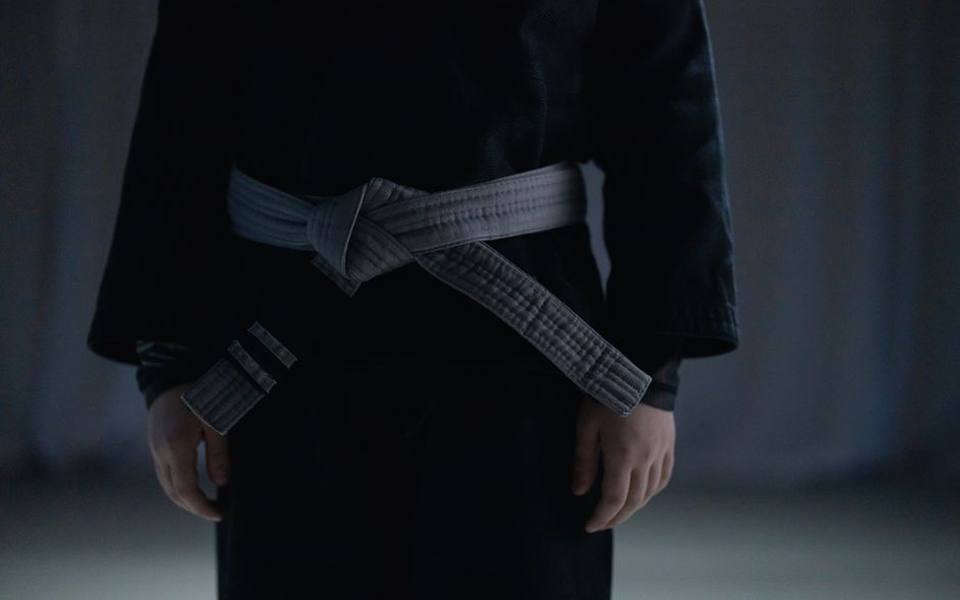
Conversely, the sporting explosion of the past thirty years shifted many programs toward points, advantages, and submission hunting under standardized rulesets. Tournament-focused schools prioritize guard sweeps, complex inversions, leg lock entanglements, and rapid positional transitions. These athletic techniques work exceptionally well against trained grapplers within rule-bound environments, though they occasionally abandon the cautious punch-blocking posture emphasized in classical defensive systems.
Neither pathway is inherently superior, but training in one expecting the other leads to quick frustration. Beginners who enroll at Brazilian Jiu-Jitsu Schools focusing strictly on tournament medal counts might never practice escaping a standing collar grab or defending an overhand punch. Meanwhile, students focused purely on competition may find classical survival curriculums moving at a slower, more deliberate pace than they prefer.
The Carlson Gracie Legacy of Physical Pressure and Aggression
Carlos Gracie Sr.'s eldest son, Carlson Gracie, established one of the most influential and distinct branches in grappling history. Carlson believed that relying strictly on defensive patience off one's back was insufficient against strong, athletic challengers. He developed a training style characterized by relentless top pressure, tight guard passing, heavy base control, and an aggressive pursuit of dominant positions. His room produced tough, conditioned athletes who dominated both competitive tournaments and no-holds-barred fights throughout Rio de Janeiro.
The Carlson lineage is also historically notable for opening doors to students who did not come from wealth, breaking away from the private, aristocratic image of earlier family clubs. Carlson welcomed working-class practitioners, creating an intense, brotherhood-driven team dynamic that set the blueprint for modern professional fight teams. Many instructors currently leading high-profile MMA Gyms trace their coaching lineage directly through Carlson's black belts.
If you walk into an academy affiliated with this heritage, expect heavy conditioning, intense positional sparring from day one, and a relentless focus on passing the guard from the top. The atmosphere tends to be direct, physical, and gritty. While beginners are welcomed, the training environment typically demands mental resilience and comfort with sustained physical friction on the training mats.
Gracie Barra and the Global Systemization of Academy Networks
Founded in the 1980s by Carlos Gracie Jr., Gracie Barra transformed what had been loose clusters of family training rooms into the largest structured academy network in the world. Recognizing that informal, disorganized teaching methods intimidated everyday hobbyists, Carlos Jr. set out to build an accessible, standardized system. The organization introduced uniform curriculum schedules, structured belt requirements, and clean, branded facilities under the well-known red shield emblem.
The defining philosophy of this network is the concept of jiu-jitsu for everyone, meaning the mats are engineered to accommodate corporate professionals, children, and masters practitioners alongside competitive champions. Classes follow a cyclical weekly structure across all affiliated schools, ensuring that a student learns the exact same fundamental sequence whether training in South America, Europe, or the United States. This consistency removed much of the chaotic trial-by-fire reputation historically tied to combat gyms.
While traditional purists sometimes critique the strict corporate branding, mandatory uniform purchases, and structured attendance criteria, the network's commercial success speaks for itself. It established a safe, predictable learning environment that made joining Dedicated Brazilian Jiu-Jitsu Academies approachable for people who would never otherwise step inside a fight gym.
Suburban Franchises and the Local Affiliate Model
As global networks grew, regional franchises sprouted across North American suburbs, translating standardized corporate guidelines into neighborhood training centers. Facilities like Westchase Gracie Barra represent this operational model, operating under regional directors while serving families, youth competitors, and local hobbyists. In these franchise locations, facility cleanliness, structured class start times, and clear advancement markers take precedence over old-school gym informality.
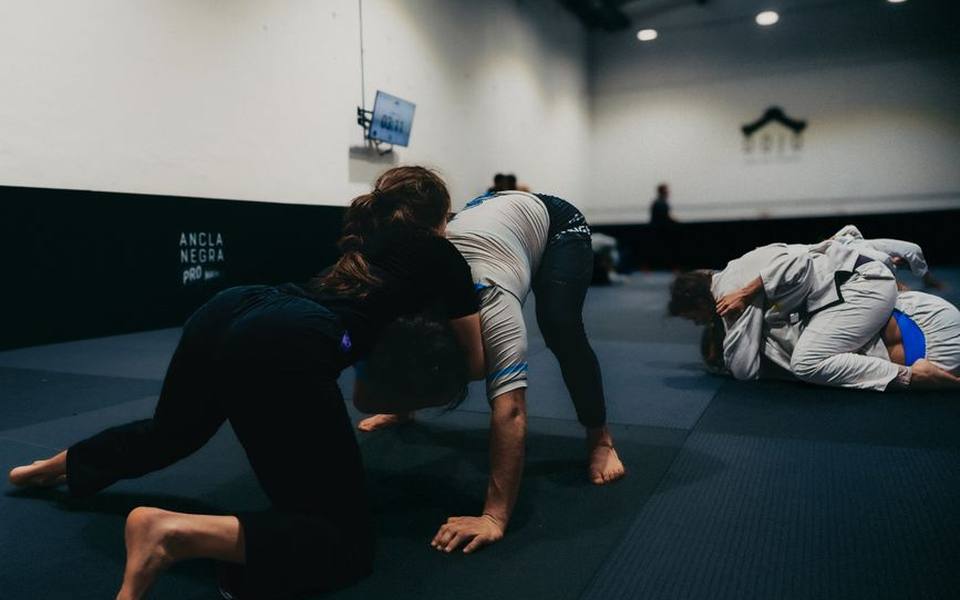
Operating as an affiliate provides local gym owners with established marketing playbooks, insurance structures, and coach certification courses. Instructors must adhere to set codes of conduct, keep clean locker rooms, and ensure that beginner students are protected from reckless training partners. For parents seeking structured youth instruction or professionals wanting evening fitness, this franchise approach offers dependable operational consistency.
The main trade-off for students is uniformity. Affiliated locations typically require members to wear proprietary branded gis, rash guards, and patches purchased directly from the organization. Furthermore, promotion timelines and class structures are closely tied to regional leadership guidelines, giving individual local head instructors slightly less leeway to alter curriculum content on a whim.
The Torrance Academy and Rener Gracie’s Modernized Curriculum
In Southern California, Rorion Gracie—co-founder of the Ultimate Fighting Championship—established the Gracie Academy in Torrance, California, anchoring his family’s original self-defense vision in the United States. His sons, Ryron and Rener Gracie, later revolutionized how technical information is categorized and distributed to the public. Through detailed video lessons and structured ground work curriculums, they created an educational pipeline designed specifically for complete beginners.
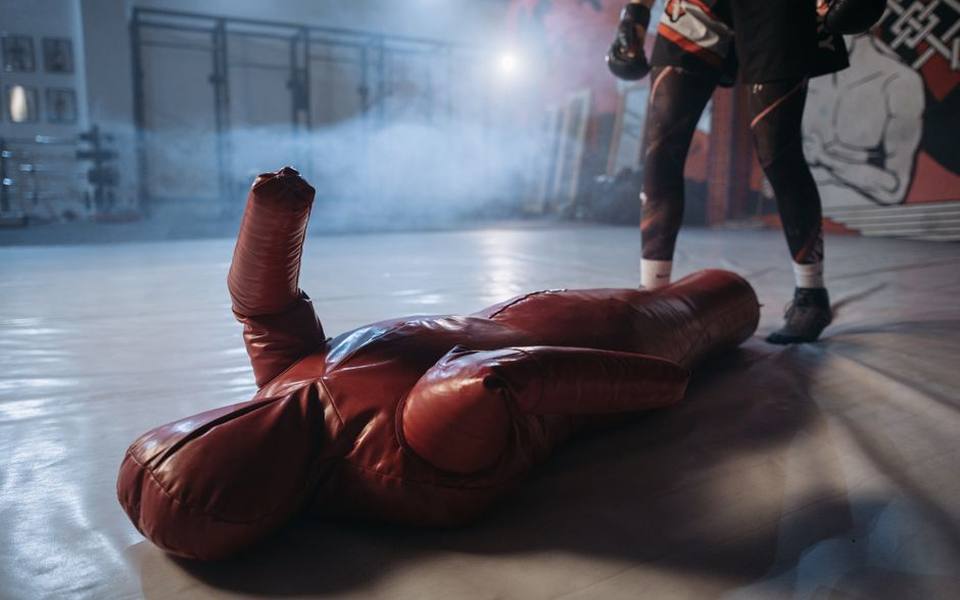
Rener's approach challenges the common grappling practice of throwing novices directly into live sparring during their first week. Instead, programs like Gracie Combatives restrict beginners to thirty-six fundamental defensive techniques, drilling positional escapes and punch management against cooperating partners. Sparring is strictly delayed until students earn a combatives belt, sharply lowering early injury rates and helping non-athletes build technical confidence without getting crushed on the mats.
Through expanded programs like Gracie University, this branch has brought structured grappling curriculums to military personnel, law enforcement departments, and private affiliate training centers worldwide. While some sport-oriented grapplers view delayed sparring as overly conservative, the methodology has proven exceptionally effective at retaining adult beginners who might otherwise quit after an aggressive first night of rolling.
Rickson Gracie and the Loss of Rockson
Rickson Gracie is widely revered across all grappling circles as the ultimate family champion, renowned for his unmatched competitive record, breathing mastery, and deep technical precision. His conceptual focus on leverage and weight distribution—often referred to as invisible jiu-jitsu—emphasizes micro-adjustments in pressure that cannot be detected purely by watching from the sidelines. His matches throughout Brazil and Japan during the 1980s and 1990s cemented the family's international reputation.
The family journey has also endured immense personal tragedy. In late 2000, Rickson's eldest son, Rockson Gracie, passed away unexpectedly in New York at the age of nineteen. Rockson was an extraordinarily gifted young grappler expected by many to carry the family mantle into the next era of martial arts competition. The profound loss led Rickson to step away from active public fighting, deeply impacting the community and shifting his later years toward private teaching and philosophical balance.
Understanding this personal dimension gives perspective to the legacy. Beyond championship belts and commercial networks, the lineage remains a living family history marked by real triumph and grief. Academies associated with Rickson’s guidance focus heavily on mindful breathing, internal alignment, and preserving martial arts as a personal way of life rather than a fleeting sport trophy.
Academy Etiquette, Gear Policies, and Sparring Traditions
Every school influenced by these lineages carries specific traditions that shape daily mat culture. When visiting a school, you will quickly notice how customs dictate behavior, beginning the moment you step onto the training floor. Bowing toward the center of the mat or toward framed portraits of founders is standard practice in many traditional locations, symbolizing respect for the training space and the knowledge passed down over decades.
Uniform regulations vary dramatically depending on the network. Certain organizations enforce rigid uniform policies requiring all-white gis without non-team patches, while others allow blue, black, or custom-designed training gear. Similarly, sparring rules reflect underlying philosophies; sport academies often feature free rolling after the technical lesson, while self-defense hubs may restrict open sparring to advanced belt holders.
Taking time to observe a class before signing up helps prevent culture shock. A school with quiet, formal rows and uniform color mandates is not inherently better or worse than a relaxed community gym with rock music playing during rolls. The key is determining which social environment matches your comfort level, schedule, and personal reasons for practicing martial arts.
Navigating Contracts, Lineage Claims, and Membership Terms
Enrolling in martial arts training represents a real financial commitment. Membership pricing typically ranges from moderate monthly dues to premium fees depending on the city, facility amenities, and coaching pedigree. In most states, clubs offer month-to-month memberships alongside discounted six- or twelve-month agreements. Before committing, ask whether belt testing involves separate fees, which is common in some traditional affiliations but absent in strictly competitive gyms.
Lineage claims should be transparent and verifiable. Legitimate head instructors will openly trace their rank back through recognized black belts and formal associations. While high-ranking ancestral lineage indicates technical heritage, it does not guarantee that the head coach will be on the mat teaching daily classes. When touring a school, ask who leads the Jiu-Jitsu Fundamentals classes and how often the principal black belt actively instructs beginners.
Always request a trial period before signing any long-term contract. Most reputable academies provide either a free introductory session or a paid trial week. Use that time to assess whether the coach’s communication style resonates with you, whether higher belts roll safely with novices, and whether the locker rooms and training mats are sanitized consistently between sessions.
Matching Lineage Strengths to Your Personal Training Goals
Choosing an academy comes down to what you hope to gain from your time on the mats. If your goal is self-preservation, situational awareness, and learning how to neutralize an unprovoked attacker, schools derived from the Torrance lineage or traditional family branches will deliver immediate practical value. Their structured curriculums minimize chaotic injuries while building steady technical habits.
If you want high-intensity physical conditioning, athletic competition, or aspirations toward mixed martial arts, look toward lineages influenced by Carlson Gracie or large sport-focused teams. These gyms cultivate strong pressure passing, high aerobic stamina, and regular sparring rounds against driven training partners who routinely test themselves in regional and national tournament circuits.
Finally, if you want an accessible, family-friendly environment with a clear curriculum roadmap and global travel privileges, large franchise networks like Gracie Barra offer exceptional structural stability. Every branch carries distinct strengths. By identifying the coaching lineage and mat philosophy ahead of time, you can find a gym where you will train safely, consistently, and happily for years to come.
Published 2026-09-21 · reviewed with each rebuild, last September 2026.
Find martial arts schools near you
The directory lists 32,877 martial arts schools by state and city — pick your state or use the “Near me” button in the header.
More guides
-
 Owning
Establishing a Proper Heavy Bag Routine and Striking Technique at Home
-
 Safety
Brazilian Jiu-Jitsu for Beginners: Tips, Fundamentals, and Mat Health
-
 Buying
Finding the Right Fit: A Guide to Sizing Your Jiu-Jitsu Uniform and Cross-Training Gear
-
 Money
MoneyHow Much Do Martial Arts Classes Cost? Membership Fees Breakdown
-
 Owning
What Is Mixed Martial Arts? Beginner Overview and Training Guide
-
 Owning
The History, Origins, and Physical Demands of Brazilian Jiu-Jitsu
-
 Owning
Traditional Martial Arts Guide: Understanding Wushu, Silat, and Naginata
-
 Owning
Understanding Mixed Martial Arts for Beginners
-
 Safety
How to Wrap Your Hands for Boxing: Step-by-Step Wrist and Knuckle Protection Guide
-
 Buying
Best Jiu-Jitsu Gis and Apparel: Complete Buyer's Guide and Sizing Chart
-
 Buying
BJJ vs Judo vs Wrestling vs No-Gi: Which Grappling Art Is Right for You?
-
 Buying
How to Choose the Best Jiu-Jitsu and MMA Gym Near You
-
 Owning
Brazilian Jiu-Jitsu for Beginners: Rules, Belt Ranks, and Mat Training
-
 Buying
Kickboxing Classes & Cardio Fitness Workouts Guide
-
 Owning
Martial Arts Belt Ranking Systems: Progression, Orders, and Displays
-
 Buying
Jeet Kune Do: History, Philosophy, and Modern Training Guide
-
 Buying
BJJ Gis and Uniforms Buyer's Guide: Brands, Fit, and Care
-
 Buying
10th Planet Jiu-Jitsu: Complete Guide to the No-Gi System and Academies
-
 Safety
Tai Chi Classes for Seniors: Health Benefits, Styles, and Practice Guide
-
 Owning
Heavy Bag and Boxing Workouts: Home Setup, Gear Selection, and Training Guide
-
 Buying
Adult Karate and Taekwondo Classes: Getting Started and Gi Sizing
-
 Owning
IBJJF Tournaments and Competition Guide: Databases, Rules, and Events
-
 Safety
Custom vs. Boil-and-Bite Mouthguards: Complete Selection and Fitting Guide
-
 Safety
Women's and Adult Self-Defense Training Guide: Techniques, Classes, and Systems
-
 Owning
Traditional Chinese Martial Arts: Shaolin, Wing Chun, Jeet Kune Do, and Gear Guide
-
 Buying
Adult Martial Arts Guide: Choosing the Right Style, Gym, and Training Class
-
 Buying
Filipino Martial Arts, Kenpo, Aikido, and HEMA: Comparing Traditional Combat Styles
-
 Owning
Heavy Bag Workout Guide: Routines, Drills, and Training for Cardio and Weight Loss
-
 Buying
Muay Thai and Cardio Kickboxing Classes: Training, Techniques, and Fitness Programs
-
 Buying
BJJ Gis, Rash Guards, and Apparel: How to Choose, Size, and Care for Jiu-Jitsu Gear
-
 Safety
Women's and Adult Self-Defense Classes: Selecting Programs for Real-World Safety
-
 Owning
Martial Arts Belts and Ranks: Belt Order, Taping, and Display Racks Guide
-
 Safety
Martial Arts Conditioning, High-Kick Mobility, and Protective Gear Guide
-
 Buying
Kids and Toddler Martial Arts: Complete Guide to Classes, Camps, and Family Dojos
-
 Owning
How to Hang a Heavy Bag: Ceiling and Wall Mounting Installation Guide
-
 Buying
Brazilian Jiu-Jitsu Schools, Academies, and Lineages: A Complete Guide
-
 Buying
Martial Arts Gyms, Fitness Studios, and Dojos Directory Guide
-
 Buying
Traditional Martial Arts Styles and Specialized Disciplines Guide
-
 Owning
BJJ and Martial Arts Gi Selection, Sizing, and Equipment Care Guide