Exploring Traditional and Specialized Martial Arts
Traditional and specialized martial arts encompass systems developed across centuries for battlefield survival, physical preservation, cultural ritual, and theatrical performance. Exploring these avenues offers students far more than standard exercise routines. By looking into established traditional martial arts schools, practitioners find structured training that emphasizes posture, philosophy, and precise biomechanics alongside practical defense techniques.
While contemporary sports emphasize rapid conditioning and competition rules, specialized lineages maintain historical context. Whether you are stepping onto polished hardwood, straw tatami, or packed earth, understanding the specific methodology behind an art prevents mismatched expectations. Some disciplines prioritize spiritual equilibrium, while others focus on combative weapon handling or dynamic theatrical timing.
Choosing a program requires honest self-reflection regarding personal fitness levels, schedule flexibility, and long-term interest. Tuition typically ranges widely depending on region and instructor lineage, with introductory commitments often starting on a monthly basis. Taking the time to observe an active session reveals far more about dojo culture than reading promotional materials online.
Movement and Rhythm in Capoeira Training
Capoeira blends martial arts, acrobatics, song, and rhythmic footwork into an interactive physical dialogue. Originating among enslaved Africans in colonial Brazil, it was disguised as a dance to conceal combat preparation from overseers. Enrolling in regular capoeira classes introduces practitioners to the ginga, the foundational swinging movement that keeps the practitioner mobile, unpredictable, and ready to evade strikes.
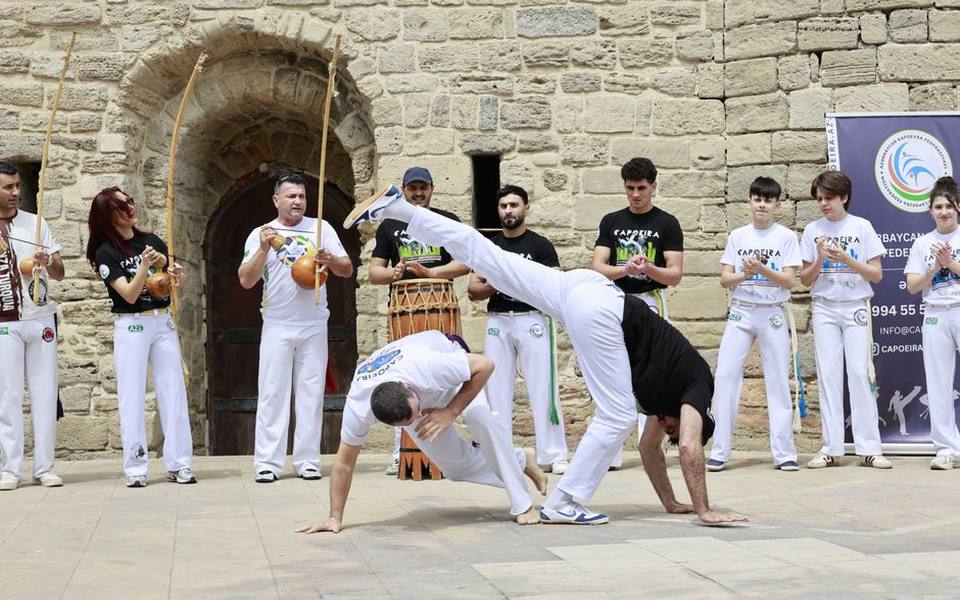
A typical class does not follow traditional sparring formats; instead, students gather in a roda, a circular group where participants clap, sing Portuguese chants, and play instruments like the berimbau and atabaque. Inside the circle, two capoeiristas engage in a flowing game of evasions, sweeping kicks, handstands, and sweeps. It demands tremendous core stability, wrist strength, and spatial awareness, making it an exceptional full-body workout.
Beginners should not worry about lacking gymnastic agility on day one. Instructors typically build movement vocabulary gradually, beginning with floor transitions and low crouching dodges before progressing to aerial maneuvers. Uniforms often consist of white trousers called abadas and a cord belt designating rank, reflecting a rich heritage that honors resilience and artistic expression.
Japanese Swordsmanship and the Kendo Floor
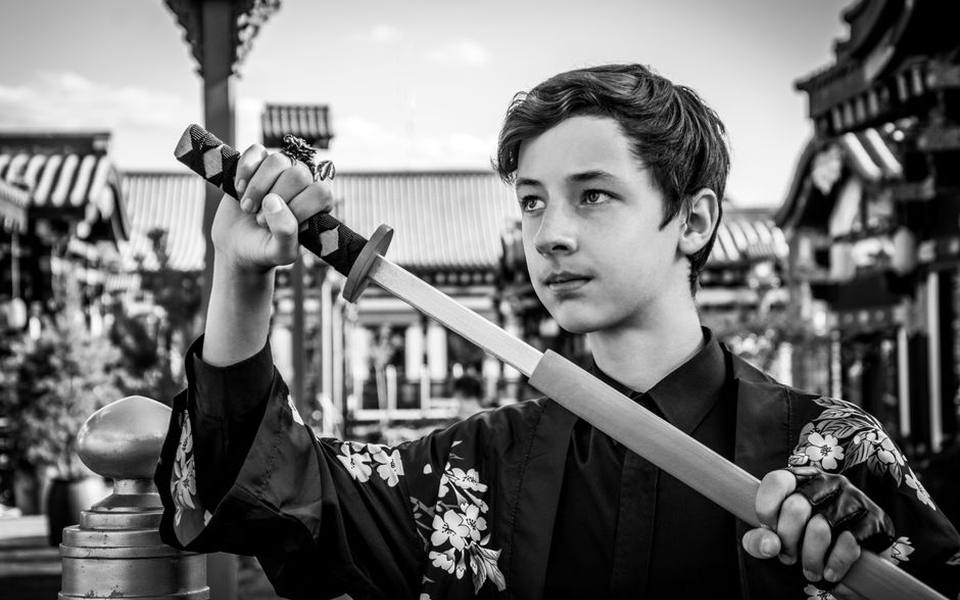
Stepping into a Japanese kendo dojo means entering an environment dedicated to discipline, etiquette, and the spiritual way of the sword. Descended from the classical kenjutsu used by the samurai, kendo transforms deadly swordplay into an athletic pursuit governed by strict rules. Practitioners wield the shinai, a practice sword fashioned from four slats of split bamboo, striking designated targets on the opponent's protective armor.
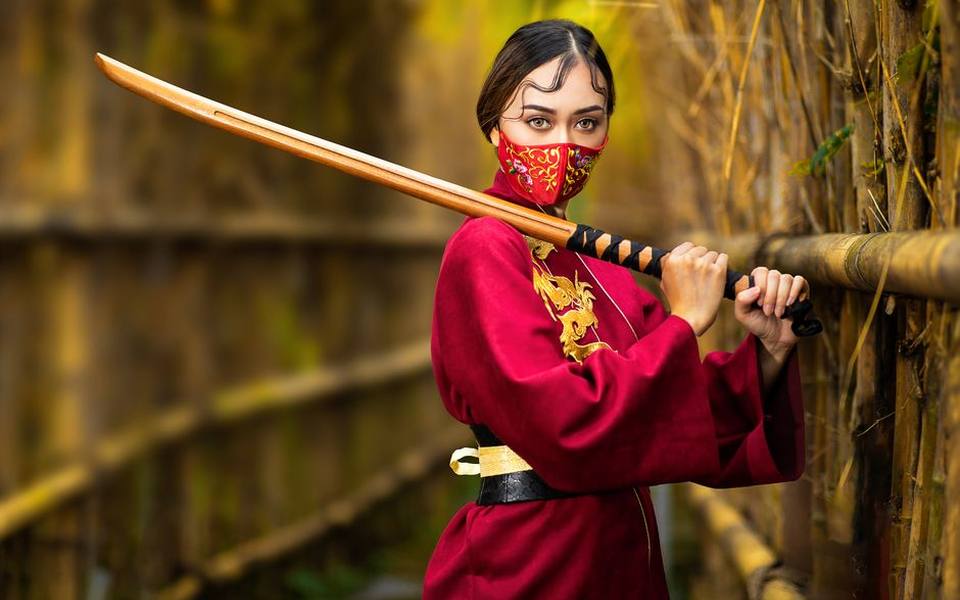
Training is loud, intense, and deeply ritualized. Every strike must be paired with kiai, a sharp vocal shout indicating absolute presence of mind, and fumikomi-ashi, a decisive stomping step that lands simultaneously with the blow. Armor, known as bogu, includes a heavy helmet with a metal grill, padded gloves, a chest protector, and waist guards, shielding practitioners from high-speed impact during sparring bouts.
For adults looking to start, kendo offers profound cardiovascular conditioning combined with mental sharpness. Most dojos expect newcomers to practice basic footwork and suburi (repetitive sword swings) for several months before ever donning protective gear. It develops unmatched posture, forearm endurance, and respect for tradition, preserving a centuries-old martial heritage in a modern sporting framework.
Low-Impact Longevity and Tai Chi for Older Adults
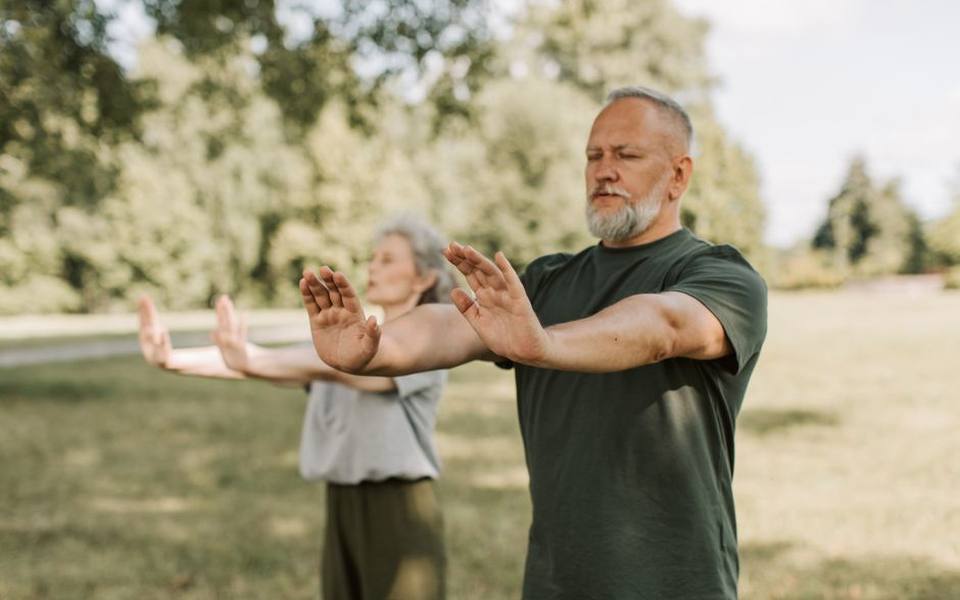
Tai chi has gained widespread medical recognition as one of the most effective, low-impact exercise systems for maintaining mobility later in life. When asking if tai chi is good for seniors, physical therapists and geriatric specialists consistently highlight its gentle nature. The slow, circular sequences place minimal stress on aging joints while challenging the nervous system to maintain balance through controlled weight transitions.
The physical benefits of tai chi for seniors extend across multiple body systems. Regular practice typically improves lower-limb strength, ankle stability, and proprioception, significantly reducing the statistical risk of fall-related injuries. Breathing exercises integrated into each posture help regulate blood pressure, calm the sympathetic nervous system, and encourage deeper oxygenation, supporting both cardiovascular and cognitive well-being.
Classes generally do not require special gear or athletic background; participants wear loose clothing and flat, flexible shoes. Instructional styles vary from the gentle, upright Sun style to the widely practiced Yang style with its broad, graceful extensions. Sessions usually begin with warm-up joint rotations, followed by step-by-step form work that practitioners can adjust to their own comfort, even practicing seated when necessary.
Traditional Judo Lineages and Historic American Dojos
Judo remains one of the world's most influential grappling disciplines, founded in late nineteenth-century Japan by Jigoro Kano. In the United States, specific community hubs served as crucibles for Olympic athletes and generations of youth competitors. A prime example is the legacy surrounding Cahill's Judo, established in Northern California by legendary coach Willy Cahill, which became an iconic institution representing old-school commitment, world-class throwing technique, and community mentorship.
These storied establishments emphasize the core tenets of maximum efficiency with minimum effort, alongside mutual welfare and benefit. Students spend their early months mastering ukemi, the science of breakfalling, which teaches the body to absorb high-impact throws without injury. This safety foundation allows judoka to practice live throwing bouts and ground submission wrestling with full intensity.
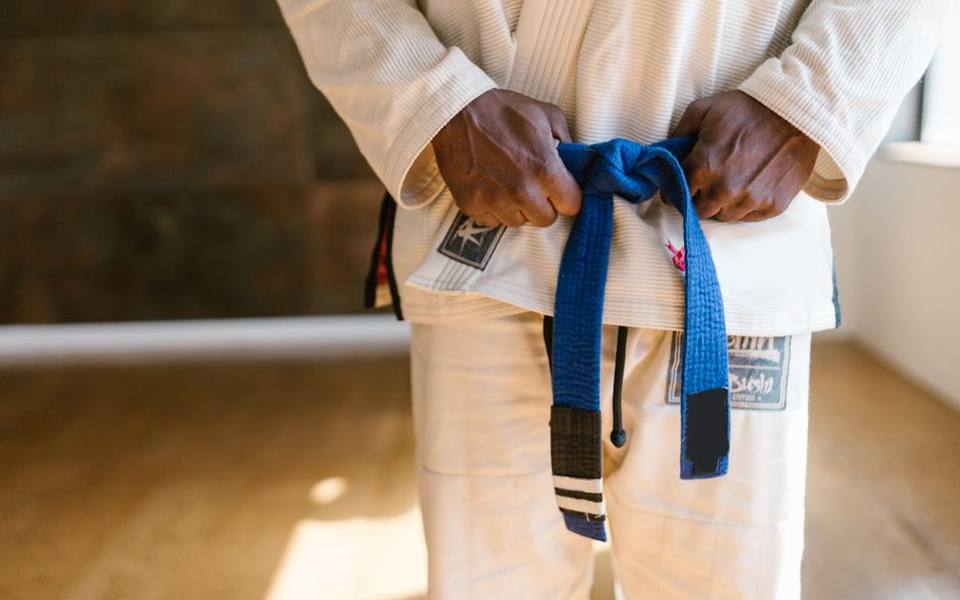
Beyond historic lineage hubs in places like California martial arts schools, modern judo provides an unparalleled base for close-quarters balance and leverage. The heavy cotton gi becomes a handle for grips, unbalancing opponents through subtle shifts in weight. Training in a dojo rooted in deep lineage instills resilience, humility, and technical throwing precision that transfers across virtually all grappling arts.
Ed Parker and the Science of American Kenpo
In the mid-twentieth century, Hawaiian-born martial artist Ed Parker revolutionized traditional karate concepts to create American Kenpo. Recognizing that street altercations rarely resemble formal dojo matches, Parker adapted classical Chinese and Japanese mechanics into a scientific, rapid-fire system engineered for modern urban realities. The system quickly gained fame across the country, attracting celebrity students and establishing a sprawling martial network.
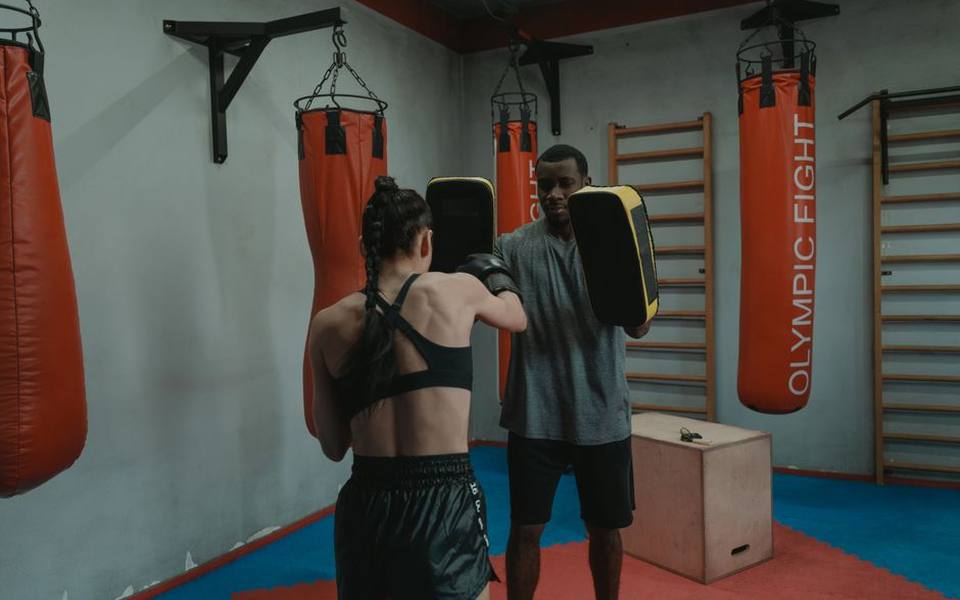
Training in American Kenpo Ed Parker developed focuses on geometric motion, environmental adaptation, and devastating sequences of kinetic strikes. Rather than relying on singular knockout blows, practitioners learn fluid combinations that target vulnerable anatomic areas in rapid succession. Techniques bear evocative names like Five Swords or Shield and Mace, each serving as an encyclopedic blueprint for countering grabs, punches, and weapon attacks.
Students learn through extensive forms, self-defense sets, and continuous striking drills. The pedagogy relies heavily on spatial physics, teaching how angular entry, mass rotation, and friction amplify percussive power. Finding a certified dojo carrying forward Parker's direct lineage guarantees instruction grounded in biomechanical logic and practical application, providing students with structured self-defense training that builds decisive defensive habits.
Pressure and Combinations in Dutch Kickboxing
While traditional Muay Thai prioritizes single heavy kicks, elbows, and clinch control, the Dutch kickboxing style evolved through a unique synthesis of Japanese Kyokushin karate, western boxing, and Thai rules. Developed in the Netherlands during the late twentieth century, this discipline became famous for relentless forward pressure, tight defensive guards, and rapid four-to-five-punch combinations ending with crippling low kicks.
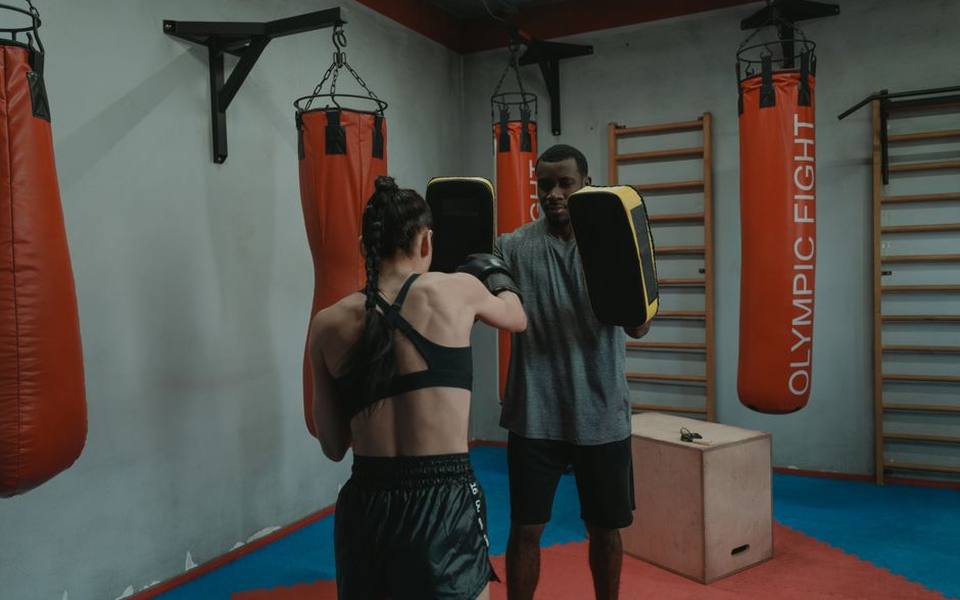
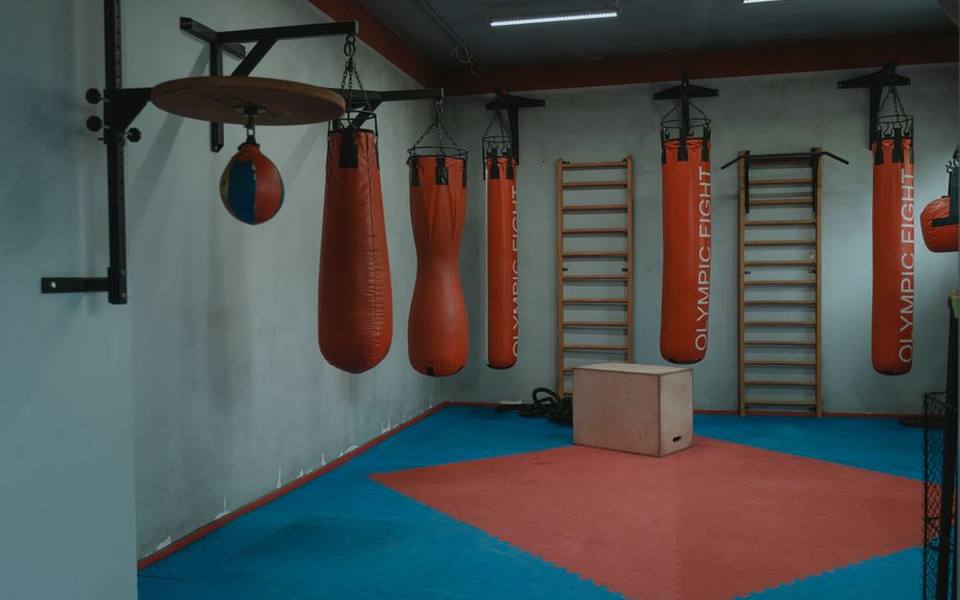
A typical Dutch-style session emphasizes technical pad work, partner drilling, and systematic combination training. Practitioners spend extensive rounds working the heavy bag and Thai pads, coordinating fast left hooks with right low roundhouse kicks designed to chop down an opponent's lead leg. Conditioning is notoriously demanding, placing heavy emphasis on anaerobic endurance, neck strengthening, and partner body conditioning.
For martial artists transitioning from classical striking or those seeking vigorous fitness, joining kickboxing classes influenced by Dutch methodology offers incredible practical utility. Drills focus heavily on Dutch blocking, absorbing blows on the forearms, and countering immediately inside the pocket. It strips away ornate theatrics in favor of ruthless efficiency, tight punching mechanics, and tactical forward movement.
The Ancient Roots of Indian Kalaripayattu
Emerging from the southwestern coastal state of Kerala, India, Kalaripayattu is widely considered one of the oldest living martial arts on earth. Steeped in Ayurvedic science and ancient combat lore, kalaripayattu training takes place in a specialized earthen pit called a kalari. The floor is traditionally dug out of red clay, providing natural grounding, shock absorption, and a spiritual connection to ancestral fighting traditions.
Entering kalaripayattu classes involves an intensive regimen of preliminary body conditioning known as meipayattu. Students perform deep lunges, spinal twists, fluid animal postures (such as the lion, elephant, and boar), and extraordinarily high vertical kicks. These movements lengthen connective tissue, lubricate joints, and build incredible mobility, forming the biomechanical foundation necessary for handling traditional wooden and metallic weaponry safely.
As practitioners advance, they progress from empty-hand maneuvers to long wooden staff combat, short sticks, curved daggers, and the legendary urumi—a flexible, whip-like double-edged steel sword. Beyond martial utility, the discipline is inextricably tied to traditional oil massage and the study of marma points, the vital energy centers of human anatomy. It offers an immersive, transformative path for students drawn to historical holistic arts.
The Historical Reality of Ninjutsu and Japanese Heritage
Pop culture has painted the ninja as mysterious, shadow-cloaked assassins, creating immense public fascination around visiting an authentic ninja dojo Kyoto travelers often seek out. In historic Kyoto and neighboring regions like Iga and Koka, historical ninjutsu was in truth a practical discipline of covert reconnaissance, guerrilla warfare, survival tactics, and political espionage practiced by regional clans during Japan's tumultuous feudal civil wars.
Today, genuine schools connected to historical shinobi traditions—often preserved under umbrella arts such as Bujinkan, Genbukan, or Jinenkan—look vastly different from movie sets. Training focuses on rolling techniques, joint manipulation, unconventional weapon deployment, outdoor tracking, and escape strategies. The goal of the historical practitioner was survival and information gathering rather than engaging in public duels or toe-to-toe arena combat.
Many cultural centers and experiential dojos in Kyoto cater to curious international visitors by demonstrating shuriken throwing, blowgun target practice, and stealth walking techniques. For those seeking long-term dedicated study, researching verified lineages that teach traditional Japanese battlefield systems provides a grounded, intellectually fascinating pursuit that separates historical truth from cinematic exaggeration.
Precision and Theatrics in Stage Combat
While practical fighting systems focus on causing maximum damage while preventing personal injury, stage combat classes flip that logic entirely. Theatrical combat is the craft of creating the convincing illusion of violent physical conflict while ensuring the absolute, hundred-percent safety of every performer involved. It bridges martial discipline with physical performance, requiring immense trust, precision, and spatial control.

Instruction typically encompasses both unarmed scuffles and historic weapon handling. Students practice theatrical slaps, stomach punches, chokeholds, and dramatic falls that look catastrophic to an audience but land gently on stage mats. Weapon training often draws on the traditions of historical European martial arts, training actors in Elizabethan rapier and dagger, medieval broadsword, and quarterstaff combat.
Beyond actors and stunt performers, stage combat attracts everyday enthusiasts who appreciate choreography, physical storytelling, and historical weapon techniques without the bruising risk of competitive sparring. Every sequence is broken down into musical counts, sight lines, and calibrated distances. It builds sharp reflexes, vocal projection, body awareness, and the mental discipline needed to execute complex movement patterns under pressure.
Choosing the Right Discipline for Your Goals
With such a broad spectrum of classical and specialized martial arts available, finding your best match comes down to defining what you want from your time on the floor. If your primary aim is low-stress joint health and mental clarity, internal styles like tai chi or holistic systems like Kalaripayattu may prove ideal. If you crave intense athletic output and percussive power, Dutch kickboxing or traditional kenpo will deliver.
Cost structures and training environments vary significantly across these arts. Monthly tuition typically ranges between one hundred and two hundred dollars depending on the city, facility size, and instructor credentials. Specialized weaponry arts such as kendo require upfront investments in personal protective armor and swords, whereas capoeira or tai chi requires little beyond comfortable athletic attire and basic footwear.
Before signing a long-term contract, always request an observation class or a short trial period. Watch how senior students treat newer white belts, observe whether safety protocols are respected during drills, and speak directly with the head instructor about their lineage and teaching philosophy. Finding an encouraging community aligned with your personal aspirations makes the journey both rewarding and sustainable over decades.
Published 2026-09-21 · reviewed with each rebuild, last September 2026.
Find martial arts schools near you
The directory lists 32,877 martial arts schools by state and city — pick your state or use the “Near me” button in the header.
More guides
-
 Owning
Establishing a Proper Heavy Bag Routine and Striking Technique at Home
-
 Safety
Brazilian Jiu-Jitsu for Beginners: Tips, Fundamentals, and Mat Health
-
 Buying
Finding the Right Fit: A Guide to Sizing Your Jiu-Jitsu Uniform and Cross-Training Gear
-
 Money
MoneyHow Much Do Martial Arts Classes Cost? Membership Fees Breakdown
-
 Owning
What Is Mixed Martial Arts? Beginner Overview and Training Guide
-
 Owning
The History, Origins, and Physical Demands of Brazilian Jiu-Jitsu
-
 Owning
Traditional Martial Arts Guide: Understanding Wushu, Silat, and Naginata
-
 Owning
Understanding Mixed Martial Arts for Beginners
-
 Safety
How to Wrap Your Hands for Boxing: Step-by-Step Wrist and Knuckle Protection Guide
-
 Buying
Best Jiu-Jitsu Gis and Apparel: Complete Buyer's Guide and Sizing Chart
-
 Buying
BJJ vs Judo vs Wrestling vs No-Gi: Which Grappling Art Is Right for You?
-
 Buying
How to Choose the Best Jiu-Jitsu and MMA Gym Near You
-
 Owning
Brazilian Jiu-Jitsu for Beginners: Rules, Belt Ranks, and Mat Training
-
 Buying
Kickboxing Classes & Cardio Fitness Workouts Guide
-
 Owning
Martial Arts Belt Ranking Systems: Progression, Orders, and Displays
-
 Buying
Jeet Kune Do: History, Philosophy, and Modern Training Guide
-
 Buying
BJJ Gis and Uniforms Buyer's Guide: Brands, Fit, and Care
-
 Buying
Gracie Jiu-Jitsu Lineages, Academy Networks, and Training Philosophies
-
 Buying
10th Planet Jiu-Jitsu: Complete Guide to the No-Gi System and Academies
-
 Safety
Tai Chi Classes for Seniors: Health Benefits, Styles, and Practice Guide
-
 Owning
Heavy Bag and Boxing Workouts: Home Setup, Gear Selection, and Training Guide
-
 Buying
Adult Karate and Taekwondo Classes: Getting Started and Gi Sizing
-
 Owning
IBJJF Tournaments and Competition Guide: Databases, Rules, and Events
-
 Safety
Custom vs. Boil-and-Bite Mouthguards: Complete Selection and Fitting Guide
-
 Safety
Women's and Adult Self-Defense Training Guide: Techniques, Classes, and Systems
-
 Owning
Traditional Chinese Martial Arts: Shaolin, Wing Chun, Jeet Kune Do, and Gear Guide
-
 Buying
Adult Martial Arts Guide: Choosing the Right Style, Gym, and Training Class
-
 Buying
Filipino Martial Arts, Kenpo, Aikido, and HEMA: Comparing Traditional Combat Styles
-
 Owning
Heavy Bag Workout Guide: Routines, Drills, and Training for Cardio and Weight Loss
-
 Buying
Muay Thai and Cardio Kickboxing Classes: Training, Techniques, and Fitness Programs
-
 Buying
BJJ Gis, Rash Guards, and Apparel: How to Choose, Size, and Care for Jiu-Jitsu Gear
-
 Safety
Women's and Adult Self-Defense Classes: Selecting Programs for Real-World Safety
-
 Owning
Martial Arts Belts and Ranks: Belt Order, Taping, and Display Racks Guide
-
 Safety
Martial Arts Conditioning, High-Kick Mobility, and Protective Gear Guide
-
 Buying
Kids and Toddler Martial Arts: Complete Guide to Classes, Camps, and Family Dojos
-
 Owning
How to Hang a Heavy Bag: Ceiling and Wall Mounting Installation Guide
-
 Buying
Brazilian Jiu-Jitsu Schools, Academies, and Lineages: A Complete Guide
-
 Buying
Martial Arts Gyms, Fitness Studios, and Dojos Directory Guide
-
 Owning
BJJ and Martial Arts Gi Selection, Sizing, and Equipment Care Guide