Decoding Brazilian Jiu-Jitsu Gi Sizing Charts
Stepping onto the mats requires gear that fits correctly, beginning with the traditional kimono or gi. Unlike standard athletic clothing labeled small through extra-large, Brazilian Jiu-Jitsu kimonos utilize an alphanumeric sizing scale starting with A0 and climbing through A5 or higher for adult men, with corresponding F-scales for women and M-scales for youth. Choosing the correct designation depends on a combined assessment of your overall height and your total body weight rather than your typical t-shirt or trouser size.
Manufacturers typically build their size matrices around standard proportions. For example, an A2 uniform generally accommodates an athlete standing between five feet eight inches and five feet eleven inches, carrying between one hundred sixty-five and one hundred ninety pounds. If your measurements fall on the border between two categories, your body composition and limb proportions dictate the right choice. Longer arms or a broader torso usually require bumping up a size to avoid uncomfortable constriction during live rolling sessions at dedicated Brazilian Jiu-Jitsu schools.
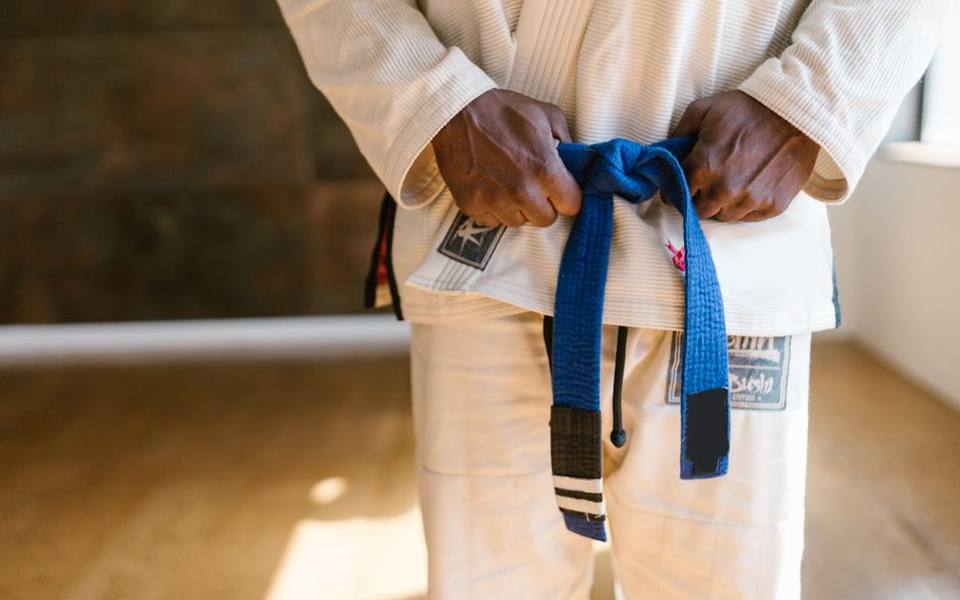
Sleeve and pant lengths remain strictly monitored if you plan to compete, but they matter just as much during everyday training. Jacket cuffs should reach roughly to your wrist bone when your arms extend straight out in front of you. Pants ought to settle right above the ankle bone. Excess fabric offers training partners easy handholds for control grips, while garments that run excessively tight limit your hip mobility and make escaping defensive bottom positions unnecessarily difficult.
Sizing Variants for Taller, Leaner, or Broader Athletes
Standard dimensions often leave tall, lanky grapplers swimming in wide fabric wings, while stockier practitioners find standard sleeves dragging past their fingers. Recognizing this discrepancy, many modern gear makers produce specialized cuts denoted by suffixes like L for long, S for short or slim, and H or C for husky or broad. An A1L jacket, for instance, provides the slim chest and waist taper of an A1 combined with the longer sleeve and pant length characteristic of an A2.
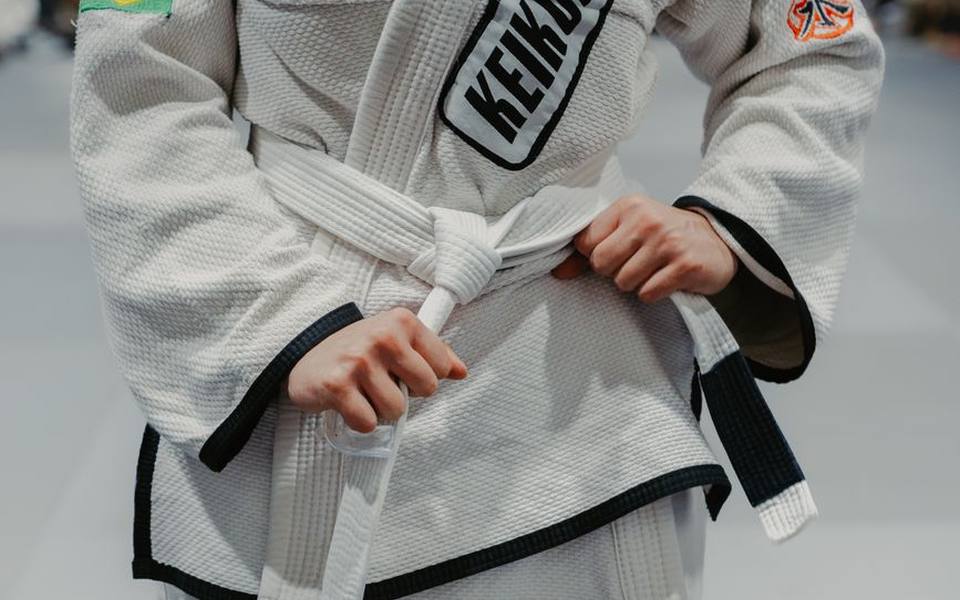
Athletes carrying substantial muscle mass or broader shoulders typically favor husky dimensions like an A2H. These uniforms furnish additional chest width, wider armholes, and more spacious pant thighs without requiring the extra pant inseam and sleeve length of an A3 or A4. Trying to squeeze a muscular frame into a regular cut frequently leads to premature tearing across the upper back seam during intensive guard passing drills.
Women often encounter fitting hurdles with standard unisex cuts, which tend to be broad across the shoulders and straight through the hips. Dedicated female cuts, designated with an F prefix, feature narrower shoulder seams, tapered waists, and flared pant hips designed to fit natural curves comfortably. Evaluating these targeted tailoring options early preserves your range of motion and prevents having to alter oversized gear down the road.
Fabric Shrinkage, Weave Types, and Wash Care
The fabric construction of your kimono directly impacts how it fits after a few weeks of consistent training. Most training gis use cotton weave variants such as pearl weave, gold weave, or single weave, paired with ripstop cotton or standard twill pants. While cotton breathes exceptionally well and holds up against violent friction, untreated natural cotton fibers naturally shrink between three and eight percent during their initial laundering cycles depending on temperature exposure.
If your new gi arrives fitting slightly loose out of the package, that extra room is often intentional. You can dial in the sleeve and jacket length through controlled hot-water washing and monitored machine drying, pulling the garment out periodically to test the fit. Conversely, if the kimono fits perfectly straight from the shipping box, wash it exclusively in cold water and hang it indoors to dry to prevent unintended shrinking that could leave the jacket unwearable.
Ripstop pants and jackets reinforced with synthetic blends experience negligible shrinkage compared to heavy unbleached cotton tops. Take note of whether your chosen gear comes pre-shrunk from the factory. Even pre-shrunk cotton will slowly tighten up if subjected repeatedly to high heat in commercial dryers, so building a habit of air drying extends both the proper dimensions and the structural life of the collar stitching.
Integrating Striking and Cross-Training Gear
Many martial artists find that rounding out their grappling with striking development accelerates conditioning and deepens overall defensive instincts. Signing up for kickboxing classes or boxing sessions introduces an entirely different category of personal equipment that requires equal precision in sizing. Moving between groundwork and heavy bag striking calls for gloves, protective headwear, shin guards, and proper hand support to prevent chronic joint trauma.
Just as a loose gi hinders movement, ill-fitting striking gear can create immediate safety risks. Bag gloves and sparring gloves are sized by weight in ounces rather than physical dimensions, ranging typically from ten ounces for light bag striking up to sixteen ounces for controlled sparring drills. Selecting the proper glove depends heavily on your weight class and the specific impact drill, but the glove must leave enough interior volume to comfortably accommodate wrapped hands without cutting off blood flow.
Cross-training also requires footwear and apparel adapted for upright footwork and high-volume sweat production. While jiu-jitsu takes place barefoot on sanitized mats, striking disciplines often incorporate jump rope work, agility ladder conditioning, and defensive footwork on spring-loaded surfaces. Choosing lightweight, moisture-wicking apparel that accommodates both close-quarters clinch grappling and dynamic kicking drills ensures smooth transitions between distinct martial arts classes throughout the training week.
Why Hand and Wrist Protection Matters for Combat Sports
The human hand contains twenty-seven small bones supported by an intricate web of ligaments, tendons, and small muscles that are not naturally adapted to withstand blunt, repeated kinetic impacts. When punching a heavy bag or striking focus mitts, the kinetic energy transferred through your fist can easily compress these small carpal and metacarpal bones out of alignment. Wrist stability is critical because an off-center strike can force the wrist into sudden hyperextension, spraining delicate soft tissue.
Boxing wraps do not function as soft shock absorbers; that role belongs entirely to the foam padding inside your gloves. Instead, the primary mechanical purpose of hand wrapping is to pull the loose structure of your hand into a solid, unified unit. By binding the bones tightly together, wraps distribute the localized shock of each punch evenly across the broader structure of your wrist and forearm bones, dramatically reducing shear forces.
Investing in high-quality wraps represents the cheapest long-term injury prevention available in combat sports. Standard Mexican-style elasticized cotton wraps measuring one hundred eighty inches provide the length and subtle stretch required for adult hands. Shorter one-hundred-twenty-inch wraps usually suit young students attending kids classes or adults with particularly small frames, but longer wraps remain the gold standard for full wrist and knuckle security.
Step-by-Step Method for Wrapping Hands and Wrists
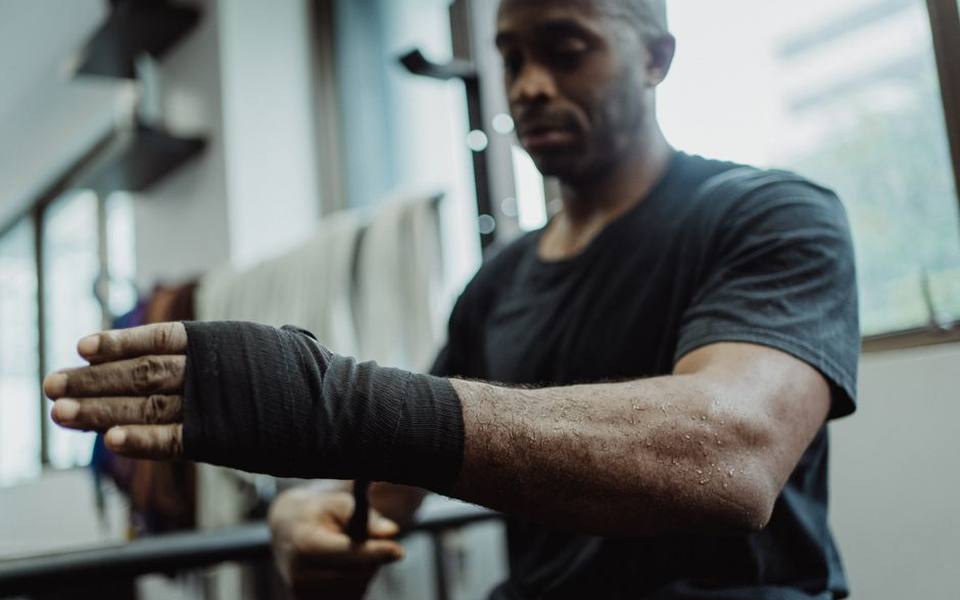
Begin by placing the wrap loop around your thumb, ensuring the fabric side designated with seam text lays flat against your skin. From the base of your thumb, immediately pull the wrap across the back of your wrist rather than your inner palm, which keeps the wrap anchored securely when making a fist. Make three to four firm revolutions around the wrist joint to establish a supportive base, maintaining moderate tension without cutting off circulation.
Next, bring the wrap diagonally across the back of your hand toward the base of your pinky knuckle. Make three clean passes across the knuckles, spreading your fingers slightly as you wind the cotton so the wrap does not bunch painfully once you clench your fist. From the index knuckle, guide the fabric back diagonally across the back of the hand down to the wrist, creating an anchor cross that reinforces the middle hand bones.
Now secure the individual finger joints by threading the wrap between each finger, starting between the pinky and ring finger, looping through the palm, and coming back out past the wrist. Repeat this between the middle and index fingers, which separates the metacarpals and prevents them from collapsing together under impact. Finish by wrapping the thumb joint twice for stability, adding two more wraps across the knuckles, and securing the remaining length firmly around the wrist before fastening the hook-and-loop closure.
Building Muscle and Trimming Fat Simultaneously
New practitioners frequently ask how to simultaneously build functional lean muscle while shedding excess body fat. Achieving this state of body recomposition is entirely feasible, especially for individuals fresh to structured combat sports or those returning after a long layoff. The intensive resistance demands of grappling combined with high-cadence striking provide a potent stimulus that prompts muscle synthesis while simultaneously creating a significant daily caloric deficit.
To fuel muscle growth without accumulating adipose tissue, prioritize an adequate daily intake of dietary protein, typically aiming for around zero point seven to one gram of protein per pound of lean body mass. Protein provides the essential amino acids required to repair the microscopic muscular damage caused by tough training rounds, ensuring your body burns stored fat for supplemental energy rather than breaking down functional muscle tissue.
Combine your martial arts schedule with two to three supplemental sessions of compound resistance training each week, focusing on foundational movements like squats, deadlifts, overhead presses, and pull-ups. This targeted mechanical loading sends a clear signal to your endocrine system to preserve and build muscle density, transforming your physical composition far more effectively than martial arts training alone.
The Reality of Rapid Fat Loss Through Martial Arts
The urge to shed body fat quickly is common when beginning a demanding combat sport, but pursuing extreme, rapid weight loss through harsh crash diets invariably backfires on the mats. While aggressive water-cutting techniques are utilized by experienced competitive fighters before weigh-ins, that weight loss represents temporary fluid depletion, not authentic adipose reduction. Attempting severe caloric restriction while training at modern MMA gyms leads directly to acute fatigue, compromised immune health, and elevated injury rates.
A realistic and sustainable fat loss rate typically falls between one and two pounds of body weight per week. Achieving this rate requires a moderate caloric deficit of approximately three hundred to five hundred calories below your daily total expenditure. Because a sixty-minute session of hard sparring or live rolling can expend a massive amount of metabolic energy, you can maintain this deficit while still eating substantial portions of nutrient-dense whole foods.
Rather than slashing your meals drastically, accelerate fat loss by increasing your baseline non-exercise physical activity, such as walking, while cleaning up your nutritional quality. Eliminating liquid sugars, reducing refined carbohydrates, and increasing fibrous vegetables naturally creates the necessary energy deficit. This measured approach maintains your glycogen stores, giving you the explosive power and mental sharpness necessary to thrive during challenging technical drills in beginner jiu-jitsu classes.
Recovery Protocols to Sustain High-Volume Training
Sustaining multiple days of grappling, striking, and strength training requires deliberate recovery strategies to prevent systemic overtraining. When you push your cardiovascular system during live sparring and stress your joints during guard defense, the body relies on restorative downtime to rebuild tissue. Chronic soreness, plateauing performance, irritability, and fitful sleep indicate that training volume has outpaced systemic recovery capacity.
Hydration demands serious attention when training in a heavy cotton gi or boxing gear. Martial artists routinely lose two to four pounds of sweat during a single two-hour practice, shedding vital minerals like sodium, potassium, and magnesium alongside water. Replacing these lost electrolytes prevents debilitating muscle cramps during training and supports healthy cellular fluid balance, which keeps your joints lubricated against repetitive pressure.
Prioritize seven to nine hours of consistent sleep each night, as human growth hormone release peaks during deep non-REM cycles. Active recovery strategies, such as low-intensity mobility work, light swimming, or casual cycling on non-mat days, promote systemic blood flow that flushes metabolic waste without placing additional mechanical stress on your connective tissues, keeping you ready for your next practice session.
Assembling and Maintaining Your Daily Training Kit
Managing gear for both grappling and striking disciplines requires organized kit management and strict personal hygiene practices. Storing a damp, sweat-soaked cotton gi alongside boxing wraps inside an unventilated gym bag creates a breeding ground for bacteria, ringworm, and mildew. Carry a breathable mesh gear duffel with dedicated compartments that separate clean hand wraps, mouthguards, and clothes from soiled equipment after workouts.
Wash your training kimono, belt, and compression rashguards immediately following every practice session without letting them sit overnight in a laundry hamper. Hand wraps should be placed inside a mesh wash bag before being tossed into the washing machine; this stops the long cotton strips from tangling into knots around the agitator or wrapping around other clothing items.
Wipe down boxing gloves, shin guards, and mouthguard cases daily using skin-safe disinfectant wipes or mild diluted soap solutions, letting them air out completely before zipping them back inside your bag. Maintaining your gear protects your financial investment and ensures you step onto the training mats as a safe, respectful training partner.
Published 2026-09-20 · reviewed with each rebuild, last September 2026.
Find martial arts schools near you
The directory lists 32,877 martial arts schools by state and city — pick your state or use the “Near me” button in the header.
More guides
-
 Owning
Establishing a Proper Heavy Bag Routine and Striking Technique at Home
-
 Safety
Brazilian Jiu-Jitsu for Beginners: Tips, Fundamentals, and Mat Health
-
 Money
MoneyHow Much Do Martial Arts Classes Cost? Membership Fees Breakdown
-
 Owning
What Is Mixed Martial Arts? Beginner Overview and Training Guide
-
 Owning
The History, Origins, and Physical Demands of Brazilian Jiu-Jitsu
-
 Owning
Traditional Martial Arts Guide: Understanding Wushu, Silat, and Naginata
-
 Owning
Understanding Mixed Martial Arts for Beginners
-
 Safety
How to Wrap Your Hands for Boxing: Step-by-Step Wrist and Knuckle Protection Guide
-
 Buying
Best Jiu-Jitsu Gis and Apparel: Complete Buyer's Guide and Sizing Chart
-
 Buying
BJJ vs Judo vs Wrestling vs No-Gi: Which Grappling Art Is Right for You?
-
 Buying
How to Choose the Best Jiu-Jitsu and MMA Gym Near You
-
 Owning
Brazilian Jiu-Jitsu for Beginners: Rules, Belt Ranks, and Mat Training
-
 Buying
Kickboxing Classes & Cardio Fitness Workouts Guide
-
 Owning
Martial Arts Belt Ranking Systems: Progression, Orders, and Displays
-
 Buying
Jeet Kune Do: History, Philosophy, and Modern Training Guide
-
 Buying
BJJ Gis and Uniforms Buyer's Guide: Brands, Fit, and Care
-
 Buying
Gracie Jiu-Jitsu Lineages, Academy Networks, and Training Philosophies
-
 Buying
10th Planet Jiu-Jitsu: Complete Guide to the No-Gi System and Academies
-
 Safety
Tai Chi Classes for Seniors: Health Benefits, Styles, and Practice Guide
-
 Owning
Heavy Bag and Boxing Workouts: Home Setup, Gear Selection, and Training Guide
-
 Buying
Adult Karate and Taekwondo Classes: Getting Started and Gi Sizing
-
 Owning
IBJJF Tournaments and Competition Guide: Databases, Rules, and Events
-
 Safety
Custom vs. Boil-and-Bite Mouthguards: Complete Selection and Fitting Guide
-
 Safety
Women's and Adult Self-Defense Training Guide: Techniques, Classes, and Systems
-
 Owning
Traditional Chinese Martial Arts: Shaolin, Wing Chun, Jeet Kune Do, and Gear Guide
-
 Buying
Adult Martial Arts Guide: Choosing the Right Style, Gym, and Training Class
-
 Buying
Filipino Martial Arts, Kenpo, Aikido, and HEMA: Comparing Traditional Combat Styles
-
 Owning
Heavy Bag Workout Guide: Routines, Drills, and Training for Cardio and Weight Loss
-
 Buying
Muay Thai and Cardio Kickboxing Classes: Training, Techniques, and Fitness Programs
-
 Buying
BJJ Gis, Rash Guards, and Apparel: How to Choose, Size, and Care for Jiu-Jitsu Gear
-
 Safety
Women's and Adult Self-Defense Classes: Selecting Programs for Real-World Safety
-
 Owning
Martial Arts Belts and Ranks: Belt Order, Taping, and Display Racks Guide
-
 Safety
Martial Arts Conditioning, High-Kick Mobility, and Protective Gear Guide
-
 Buying
Kids and Toddler Martial Arts: Complete Guide to Classes, Camps, and Family Dojos
-
 Owning
How to Hang a Heavy Bag: Ceiling and Wall Mounting Installation Guide
-
 Buying
Brazilian Jiu-Jitsu Schools, Academies, and Lineages: A Complete Guide
-
 Buying
Martial Arts Gyms, Fitness Studios, and Dojos Directory Guide
-
 Buying
Traditional Martial Arts Styles and Specialized Disciplines Guide
-
 Owning
BJJ and Martial Arts Gi Selection, Sizing, and Equipment Care Guide