Finding the Right Cut and Fabric Weave
Choosing a durable training uniform begins with understanding fabric weave, weight, and cut rather than marketing claims. Training jackets are generally built from woven cotton, measured in grams per square meter, with lighter options resting near 350 to 400 GSM and heavy-duty options reaching upwards of 550 GSM. When people evaluate what constitutes the best gi brands on the market, the distinction rarely comes down to fancy embroidery. Instead, durability hinges on dense reinforcements around the armpits, lapel collar, and knee padding, alongside consistent stitching that holds up under daily friction.
Single weave suits are relatively light and breathable, making them standard for beginners or hot summer mats, though they tend to stretch when soaked with sweat. Pearl weave has largely become the standard baseline among modern bjj suits because it combines the tight tensile strength of heavier fabrics with the manageability of a lighter cut. Gold weave sits in the middle, offering a supple feel with substantial grip resistance, while double weave options deliver extreme density that makes collar control difficult for opponents at the cost of heat dissipation.
Pants require equal scrutiny because knee blowouts and torn drawstrings end a uniform's lifespan prematurely. High-grade cotton twill provides soft everyday comfort, but ripstop fabric—distinguishable by its subtle grid pattern—delivers superior resistance against tears and damp stretch. Looking for triple-stitched seams, reinforced knee panels running all the way down to the ankle hem, and sturdy multi-loop rope drawstring channels will prevent constant shifting during live sparring sessions across local Brazilian Jiu-Jitsu schools.
Sizing Standards and Handling Material Shrinkage
Martial arts sizing generally departs from conventional street clothing, utilizing an alphanumeric scale where adult sizes typically range from A0 to A5. Because body types vary drastically, many reliable manufacturers now provide intermediate cuts such as A2L for long and lean builds, A2H for stockier builds, or fitted cuts with narrower chest tapered skirts. Checking individual brand dimension charts for wrist-to-wrist wing span and outseam pant length is essential before buying, as dimensions can differ noticeably between different gear producers.
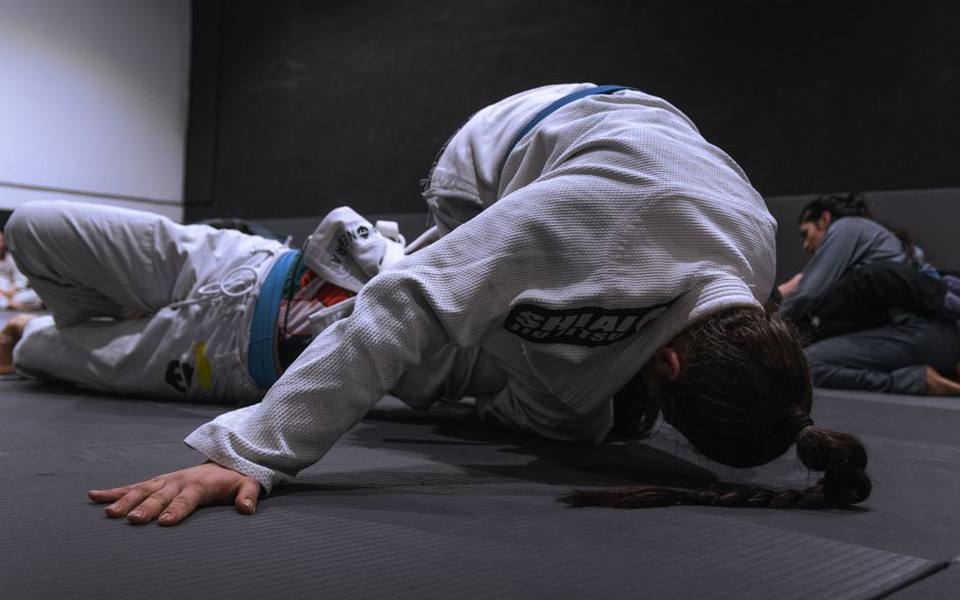
Shrinkage is an unavoidable factor when dealing with untreated 100 percent cotton weaves. A jacket can easily lose one to two inches in sleeve length over its first dozen wash cycles if subjected to warm water or dryer heat. Budget-friendly entry kits, including the popular Elite Sports jiu jitsu gi lines, often arrive pre-shrunk or blended to minimize post-purchase sizing surprises, which helps newer practitioners secure an accurate fit straight out of the box without complicated tailoring or guesswork.
A proper fit should leave the sleeve cuffs resting within an inch or two of your wrist bone when your arms are outstretched horizontally. The pant hems should sit just above the ankle joint rather than dragging along the mat where heel snags cause dangerous trips. Choosing an oversized jacket in hopes of shrinking it down can work, but excessive fabric in the chest or armpits gives your training partners effortless leverage during grip battles.
Academy Etiquette and Daily Color Traditions
While personal expression exists on the mats, academy rules on uniform appearance tend to follow established lineage traditions. White remains the foundational color across traditional grappling academies, symbolizing humility and clean beginnings, but it also shows every drop of sweat, mat grime, and blood from split cuticles. Because white fabric requires regular attention to avoid permanent dinginess, many everyday practitioners keep an alternate bjj gi blue jacket in regular rotation for heavy weeknight sessions.
Choosing a blue gi jiu jitsu uniform is widely accepted in nearly every gym environment because royal blue represents the primary alternative standard alongside white. Royal blue hides minor wear, oil transfer from tatami mats, and cosmetic scuffs far better over months of hard rounds. Black uniforms are also popular in modern clubs, though some old-school academies reserve darker uniforms strictly for coaching staff or advanced belt ranks, meaning you should always check gym policy before purchasing.
Beyond practical maintenance, wearing a uniform that aligns with your school culture fosters a cohesive training atmosphere. Many instructors prefer clean, patch-free uniforms for daily white belt instruction before students begin customizing their apparel. Checking with your instructor during your first week at neighborhood Brazilian Jiu-Jitsu and gi training programs guarantees your gear complies with both local norms and training floor cleanliness expectations.
Competition Rules Versus Specialty Colorways
Sanctioned tournaments operate under rigid uniform inspections where non-compliant gear leads to immediate disqualification before you step on the bracket. Major regulatory federations like the IBJJF strictly permit only three uniform colors: solid white, royal blue, or black. Both the jacket and pants must match in color, meaning mixed combinations like a blue jacket with white pants are disallowed on the competition mats, and the fabric thickness, sleeve clearance, and lapel stiffness must pass physical measuring gauges.
Offbeat novelty designs such as a bjj red gi, camouflage patterns, unbleached natural cotton, or charcoal grey variants have found a loyal home in open-mat culture and relaxed submission clubs. These styles allow experienced grapplers to showcase personal individuality during weekend sparring sessions or open roll days. However, investing in an unconventional colorway as your only suit is risky, as it restricts where and when you can compete or guest-train.
Patch placement for competition is equally regulated, with specific guidelines dictating where promotional team emblems, sponsors, or national flags may be sewn. Federation inspectors require clear zones along the lower rib cage, shoulder tops, and lower pant legs so that opponents can secure uncontested grips. If you plan to compete, verify that your prospective suit leaves sufficient open space across the shoulders and shin zones to pass gear checks smoothly.
Traditional Attire in Filipino Martial Arts
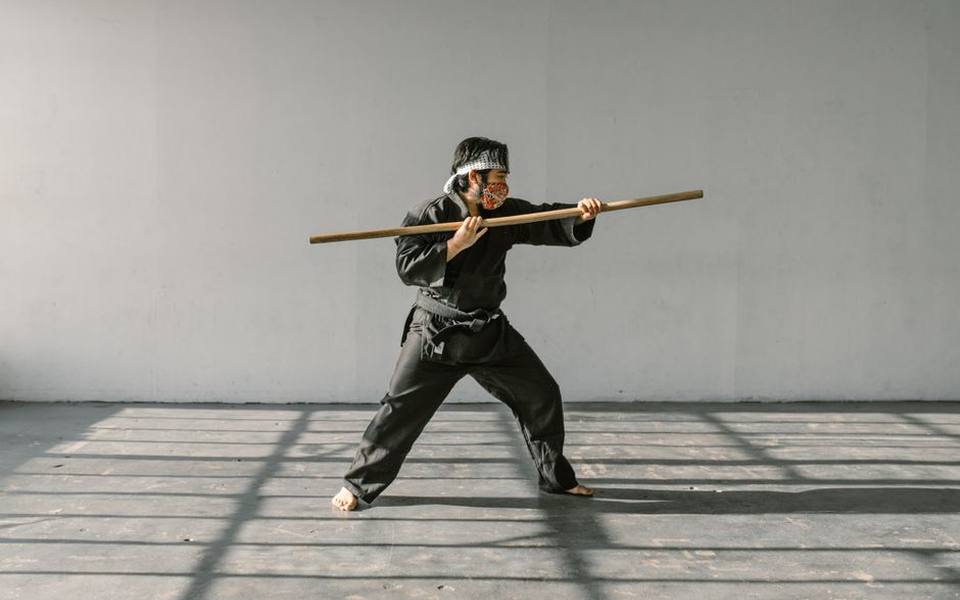
Looking outside grappling into weapon-based systems like Kali, Eskrima, and Arnis reveals an entirely different set of apparel needs. A classic Filipino martial arts uniform avoids the heavy cotton weaves of grappling kimonos in favor of lightweight, heat-shedding garments that facilitate rapid footwork and rotational stick striking. The attire typically consists of loose, durable training trousers paired with a lightweight branded uniform shirt or sleeveless training top that accommodates shoulder rotation.
In formal ceremonies, belt grading sessions, or regional demonstrations, practitioners often wear traditional black trousers paired with a red sash or a modified camisa de chino. Unlike grappling uniforms designed to endure aggressive pulling forces, garments in weapons disciplines must resist snags from wooden rattan sticks, aluminum trainers, or blunt flexible training blades while keeping the practitioner cool during dynamic partner drills across historical European and Filipino martial arts classes.
Durability in these disciplines focuses heavily on seam elasticity in the groin and shoulder yokes rather than heavy collar lapels. Reinforced gussets allow deep lunges and low-stance sweeping transitions without tearing fabric seams. Lightweight synthetic blends, ripstop cotton, or moisture-wicking knits dominate modern practice halls because mobility, weapon draw clearance, and continuous heat dissipation take priority over fabric grip friction.
Integrating Hybrid Gloves and Striking Protection
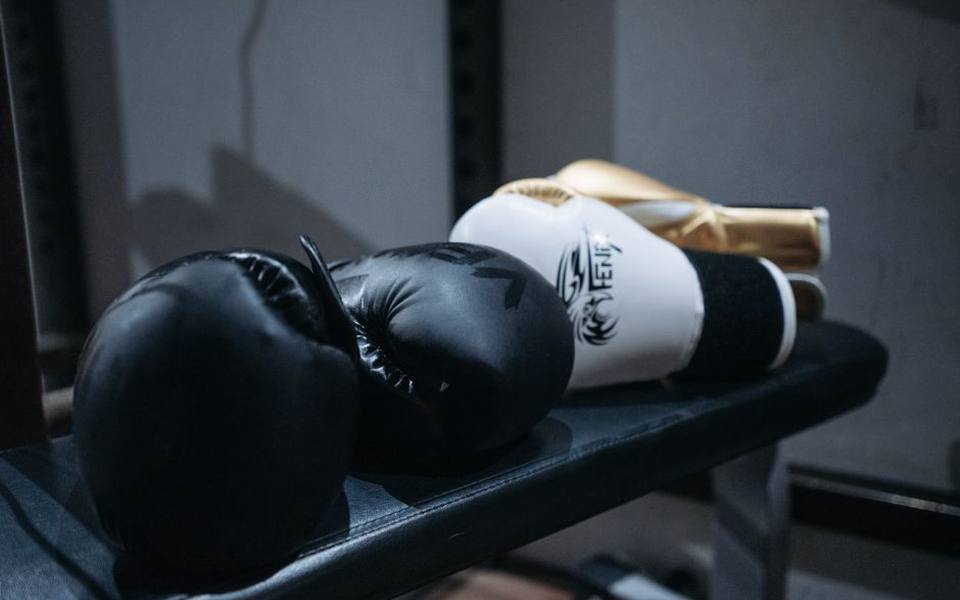
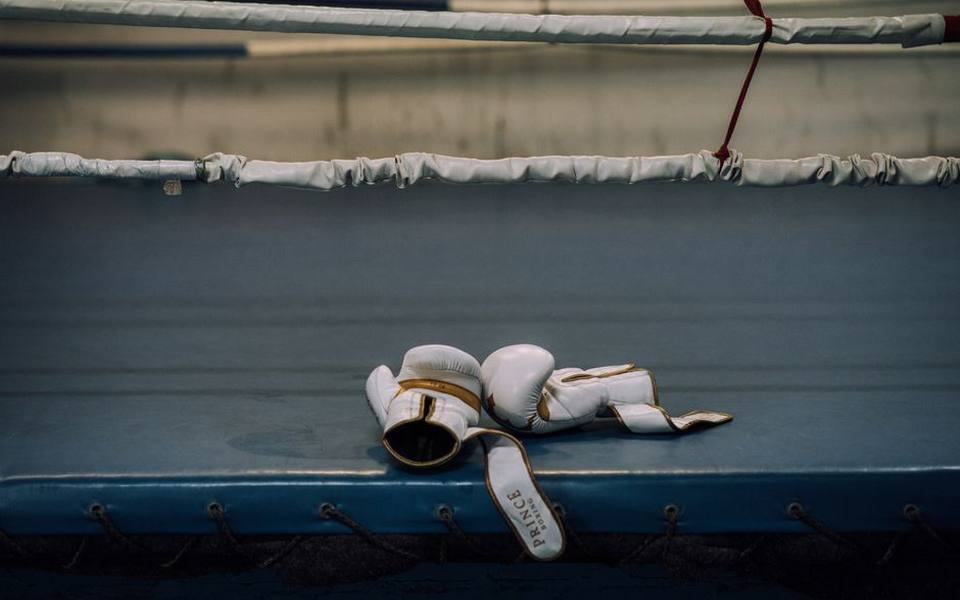
Students who split training time between ground grappling and standup combat require safety gear that bridges the functional gap between boxing mitts and bare hands. Purpose-built hybrid sparring gloves, such as the Fairtex FGV18 open palm design, are engineered specifically to accommodate both high-impact striking and realistic clinch or submission mechanics. Standard boxing gloves prevent finger dexterity entirely, while ultra-thin fight gloves lack the padding needed to protect training partners during hard daily sparring.
The defining attribute of a dependable hybrid sparring glove is thick, contoured knuckle padding that disperses shock across the fist alongside an uninhibited, segmented thumb and open palm. This anatomical construction lets you throw combinations on focus mitts, transition straight into pummeling drills along the cage, and secure collar ties or wrist locks without removing safety equipment between rounds. Leather construction or high-density engineered microfibers ensure the outer shell survives sweat saturation and mat abrasion over extended use.
Choosing the right glove size depends heavily on body weight and whether you plan to use standard cotton hand wraps underneath. Sparring in mixed martial arts gyms usually demands at least seven ounces of dense protective foam over the knuckles to protect both partners from accidental cuts and orbital bruising. Inspecting the wrist wrap closure is crucial; wide, hook-and-loop straps provide wrist stability that reduces sprain hazards during compromised ground-and-pound angles.
Washing and Maintaining Hygiene in Heavy Training Gear
Proper uniform hygiene is the single most critical responsibility of any martial artist, directly protecting your training partners from ringworm, staph, and fungal infections. You should wash your training gear immediately after every single session without letting it sit sealed in a damp gym bag overnight. Cold water washes with a standard antimicrobial detergent are typically sufficient to remove sweat deposits while safeguarding cotton fibers against premature shrinkage.
Harsh chemicals like chlorine bleach should be avoided completely because they destroy the core cellulose fibers of cotton, turning tough collar weaves brittle and prone to catastrophic rips. To neutralize stubborn sour odors caused by bacterial buildup, soaking the uniform in a diluted mixture of cold water and white vinegar prior to regular washing proves exceptionally effective. Oxygen-based stain lifters can also be used periodically to restore brightness to dingy lapels without weakening fabric structural integrity.
Line drying in an open, well-ventilated area away from direct blistering sunlight is the gold standard for preserving jacket shape and collar longevity. Machine drying with high heat rapidly degrades the rubber or EVA foam cores tucked inside modern lapels, leaving them wavy, brittle, and distorted. Hang your jacket on a wide plastic or wooden hanger so air circulates through the interior chest cavity and heavy armpit seams.
Pants and rash guards require similar mindfulness during laundering cycles. Turning gear inside out protects exterior patches and prints from scraping against the washing machine drum. Always close all hook-and-loop straps on belts, gloves, or pocket closures before starting a cycle; loose velcro hooks shred fine cotton threads, ripstop grids, and spandex rash guard panel stitching in just a few tumbling minutes.
Preserving and Displaying Rank Milestones
As practitioners spend years progressing through rank systems, preserving retired belts becomes an important personal record of discipline and personal growth. Installing a dedicated bjj belt rack or a multi-tiered taekwondo belt rack in a home gym or office offers a respectful way to preserve the textile history of your martial arts progression. Traditional rank progressions across karate, taekwondo, and jiu-jitsu represent years of dedication that merit better treatment than being buried inside a dark closet bin.
Belt displays come in several distinct arrangements, ranging from vertical hanging slat systems to enclosed acrylic cases and polished wooden cylinder mounts. A standard tkd belt rack typically features eight to ten horizontal rungs secured by elastic bands or wooden pegs, perfectly accommodating the extensive progression of colored and striped belts found in traditional Korean curricula. Grappling displays often emphasize fewer rungs built with deeper slots to house the significantly thicker, wider cotton webbing of Brazilian Jiu-Jitsu belts.
When installing a display rack, choose mounting hardware suited to your wall structure, as a fully loaded hardwood rack holding multiple heavy cotton belts carries substantial weight. Hanging your display in a dry room shielded from damp basements and direct ultraviolet window exposure prevents the cotton dye on early white, yellow, or purple ranks from fading prematurely over decades of proud home display inside traditional martial arts styles.
Evaluating Value, Durability, and Replacement Schedules
Determining when to repair a training uniform and when to retire it completely comes down to mat safety and structural integrity. A clean tear along an exterior jacket seam or a pulled hem thread can easily be reinforced by a local tailor using heavy-duty polyester thread. However, once the fabric around the collar lapel frays to expose internal rubber filler, or the knee fabric thins to transparency, the uniform poses an entrapment hazard for training partners' fingers and toes.
Uniform costs typically reflect fabric quality, production ethics, and seam reinforcement standards rather than just brand prestige. Budget suits generally serve well for casual practitioners training once or twice a week, offering reliable service for twelve to eighteen months before collar thinning occurs. Dedicated students training four or five days weekly usually benefit from rotating between three high-durability jackets, extending the collective lifespan of their gear to three or four years through reduced wash cycle frequency.
Ultimately, the best approach to building a training kit is prioritizing function, correct anatomical fit, and diligent sanitation over trendiness. A well-fitted, clean, and properly cared-for uniform allows you to concentrate fully on skill development, technique retention, and partner safety every time you step across the academy threshold.
Published 2026-09-21 · reviewed with each rebuild, last September 2026.
Find martial arts schools near you
The directory lists 32,877 martial arts schools by state and city — pick your state or use the “Near me” button in the header.
More guides
-
 Owning
Establishing a Proper Heavy Bag Routine and Striking Technique at Home
-
 Safety
Brazilian Jiu-Jitsu for Beginners: Tips, Fundamentals, and Mat Health
-
 Buying
Finding the Right Fit: A Guide to Sizing Your Jiu-Jitsu Uniform and Cross-Training Gear
-
 Money
MoneyHow Much Do Martial Arts Classes Cost? Membership Fees Breakdown
-
 Owning
What Is Mixed Martial Arts? Beginner Overview and Training Guide
-
 Owning
The History, Origins, and Physical Demands of Brazilian Jiu-Jitsu
-
 Owning
Traditional Martial Arts Guide: Understanding Wushu, Silat, and Naginata
-
 Owning
Understanding Mixed Martial Arts for Beginners
-
 Safety
How to Wrap Your Hands for Boxing: Step-by-Step Wrist and Knuckle Protection Guide
-
 Buying
Best Jiu-Jitsu Gis and Apparel: Complete Buyer's Guide and Sizing Chart
-
 Buying
BJJ vs Judo vs Wrestling vs No-Gi: Which Grappling Art Is Right for You?
-
 Buying
How to Choose the Best Jiu-Jitsu and MMA Gym Near You
-
 Owning
Brazilian Jiu-Jitsu for Beginners: Rules, Belt Ranks, and Mat Training
-
 Buying
Kickboxing Classes & Cardio Fitness Workouts Guide
-
 Owning
Martial Arts Belt Ranking Systems: Progression, Orders, and Displays
-
 Buying
Jeet Kune Do: History, Philosophy, and Modern Training Guide
-
 Buying
BJJ Gis and Uniforms Buyer's Guide: Brands, Fit, and Care
-
 Buying
Gracie Jiu-Jitsu Lineages, Academy Networks, and Training Philosophies
-
 Buying
10th Planet Jiu-Jitsu: Complete Guide to the No-Gi System and Academies
-
 Safety
Tai Chi Classes for Seniors: Health Benefits, Styles, and Practice Guide
-
 Owning
Heavy Bag and Boxing Workouts: Home Setup, Gear Selection, and Training Guide
-
 Buying
Adult Karate and Taekwondo Classes: Getting Started and Gi Sizing
-
 Owning
IBJJF Tournaments and Competition Guide: Databases, Rules, and Events
-
 Safety
Custom vs. Boil-and-Bite Mouthguards: Complete Selection and Fitting Guide
-
 Safety
Women's and Adult Self-Defense Training Guide: Techniques, Classes, and Systems
-
 Owning
Traditional Chinese Martial Arts: Shaolin, Wing Chun, Jeet Kune Do, and Gear Guide
-
 Buying
Adult Martial Arts Guide: Choosing the Right Style, Gym, and Training Class
-
 Buying
Filipino Martial Arts, Kenpo, Aikido, and HEMA: Comparing Traditional Combat Styles
-
 Owning
Heavy Bag Workout Guide: Routines, Drills, and Training for Cardio and Weight Loss
-
 Buying
Muay Thai and Cardio Kickboxing Classes: Training, Techniques, and Fitness Programs
-
 Buying
BJJ Gis, Rash Guards, and Apparel: How to Choose, Size, and Care for Jiu-Jitsu Gear
-
 Safety
Women's and Adult Self-Defense Classes: Selecting Programs for Real-World Safety
-
 Owning
Martial Arts Belts and Ranks: Belt Order, Taping, and Display Racks Guide
-
 Safety
Martial Arts Conditioning, High-Kick Mobility, and Protective Gear Guide
-
 Buying
Kids and Toddler Martial Arts: Complete Guide to Classes, Camps, and Family Dojos
-
 Owning
How to Hang a Heavy Bag: Ceiling and Wall Mounting Installation Guide
-
 Buying
Brazilian Jiu-Jitsu Schools, Academies, and Lineages: A Complete Guide
-
 Buying
Martial Arts Gyms, Fitness Studios, and Dojos Directory Guide
-
 Buying
Traditional Martial Arts Styles and Specialized Disciplines Guide