What Defines a High-Quality Brazilian Jiu-Jitsu Gi
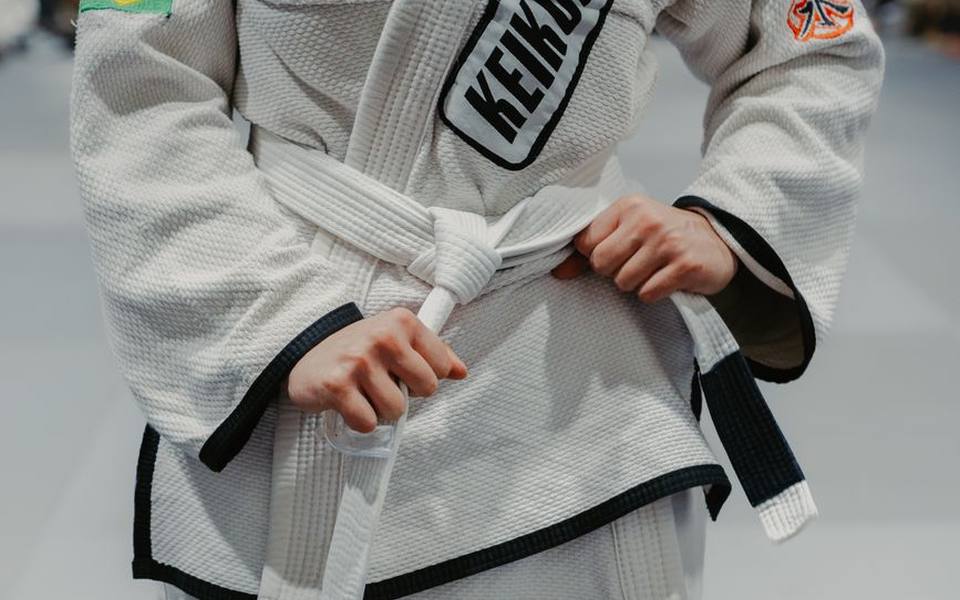
Finding the right uniform comes down to understanding fabric weave, weight, and structural reinforcements rather than flashy patches or marketing claims. A dependable Brazilian Jiu-Jitsu uniform must withstand intense daily friction, collar chokes, and continuous tension without tearing along the seams. Most quality jackets use woven cotton ranging from lightweight competition blends to dense training fabrics. The pants usually feature reinforced knees and ripstop or heavy cotton twill construction to resist gripping drills on rough canvas mats.
The best options balance mobility with durability so your training partner cannot easily establish unbreakable grips. Jackets built with an EVA foam collar dry faster and discourage bacteria growth compared to older cotton-filled lapels. Foam-filled collars also retain their structure through hundreds of wash cycles, making it harder for training partners to cinch collar grips tightly around your neck. You will find that high-end models incorporate triple stitching along high-stress stress points, such as the armpits, side vents, and crotch gusset.
Choosing between different models typically depends on your immediate training priorities. If you compete frequently, a featherweight jacket keeps you under weight limits during tournament weigh-ins. Conversely, daily academy practice often favors a medium-weight cotton jacket that absorbs sweat efficiently and survives years of rough handling. When stepping onto the mats at structured Brazilian Jiu-Jitsu classes, having a well-fitted, durable uniform ensures you spend your time learning technique rather than adjusting torn fabric.
Decoding Fabric Weaves and Jacket Weights
Jacket fabrics are categorized by weave pattern and fabric density measured in grams per square meter, commonly abbreviated as GSM. A single weave jacket typically lands between 300 and 400 GSM, offering an airy, lightweight feel ideal for summer training or strict competition weigh-ins. However, thinner single weaves tend to stretch when soaked with sweat and wear out faster around the cuffs and lapels under sustained pressure.
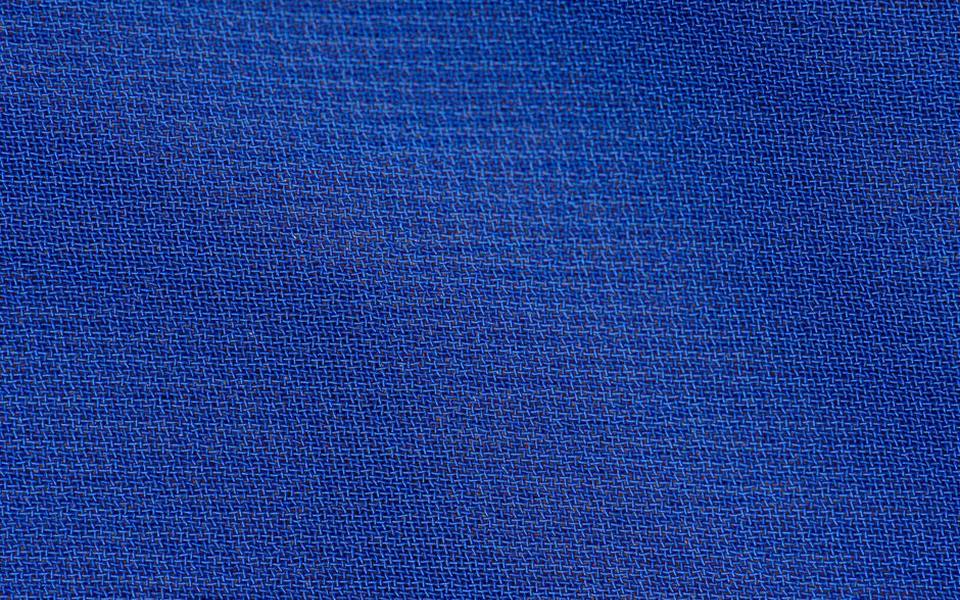
Pearl weave has become the industry standard for daily training uniforms because it strikes an ideal compromise between strength and weight. Ranging typically from 420 to 550 GSM, pearl weave fabric features tiny, raised pearls of thread that provide outstanding tensile strength while remaining relatively light. The textured finish makes it harder for opponents to control your sleeves while allowing adequate airflow during hard rounds. Most well-rated training jackets use pearl weave for this exact balance of longevity and comfort.
Gold weave and double weave options represent the heavier end of the spectrum, often exceeding 550 to 750 GSM. Double weave jackets are virtually indestructible armor that makes grip-breaking easier because the fabric is stiff and abrasive against an opponent's fingers. However, heavy fabrics retain substantial body heat and dry slowly after washing, which can make them cumbersome in warm climates or unconditioned training facilities.
Standard Sizing Charts and Finding the Right Fit
Grappling uniforms use an adult sizing scale designated by the letter A for adult men and unisex cuts, while women's specific cuts often use F or W designations. Sizing runs from A0 up to A5 based primarily on a combination of height and total body weight. An A1 cut typically fits someone between 5 feet 4 inches and 5 feet 8 inches weighing around 140 to 165 pounds. An A2 generally caters to individuals between 5 feet 8 inches and 5 feet 11 inches weighing between 165 and 190 pounds.
Because human bodies do not always match standard proportions, many modern manufacturers offer specialized tall and broad cuts. Sizes marked with an L, such as A1L or A2L, feature longer sleeves and pant legs for leaner, taller grapplers who find standard sizes too baggy. In contrast, sizes marked with an H or C, such as A2H, provide wider chest dimensions and roomier thigh cuts for stockier athletes who need extra volume without dragging cuffs.
When testing your uniform fit straight out of the package, ensure the jacket sleeves extend to your wrist bone when arms are held straight forward. Pants should sit just above the ankle bone to prevent your heels from stepping on the hems during footwork. Remember that even pre-shrunk cotton will lose roughly one to two inches in the limbs if you wash with warm water or use an electric dryer.
Choosing Your First Uniform as a Beginner
Walking into your first training session can feel overwhelming, but selecting your beginner uniform should be simple and practical. Novice practitioners do not need expensive collector editions or ultra-light competition gear. Instead, look for a solid mid-weight pearl weave package that includes a jacket, pants, and a basic white belt. Keeping your investment modest allows you to evaluate your commitment to the sport before expanding your training wardrobe.
Before making a purchase, always verify your gym's specific dress code regarding color and patch placement. Many traditional academies require a plain white uniform for white belts, while others allow royal blue or black uniforms right away. Bright colors like navy, olive green, or camouflage are strictly forbidden in traditional schools and are barred under international competition rulebooks. Sticking to white or royal blue avoids any misunderstandings when attending an open mat at other academies.
Fit should prioritize full range of motion over a tailored or tight silhouette. You need sufficient room in the shoulders and hips to shrimp, invert, and shoot forward without the pants binding against your knees. Enrolling in a beginner jiu-jitsu fundamentals class is much more enjoyable when your pants stay secure and your jacket lapels cross comfortably across your chest.
Essential Grappling Apparel Beyond the Jacket
A complete training kit involves more than just a heavy cotton jacket and draw-string trousers. Compression rash guards and form-fitting spats are crucial underneath your outer uniform to protect your skin from mat burns and bacterial infections. High-grade rash guards use four-way stretch polyester and elastane blends with flatlock stitching that will not chafe during prolonged pressure against canvas mats.
Grappling shorts designed for no-gi training differ significantly from standard running or basketball shorts. Legitimate mat shorts omit all external pockets, metal zippers, and hard plastic clips that could catch fingers or scratch training partners. They feature reinforced split side seams for unrestricted kicking and guard recovery, along with internal drawstrings and silicone waistband linings to keep them in place during explosive scrambles.
Personal protection gear completes your basic apparel bag. A fitted mouthguard protects your teeth, soft oral tissues, and jaw joints from accidental impacts during sparring. Many grapplers also use low-profile neoprene knee pads to cushion kneecaps against abrasive mats during wrestling takedown drills. Wearing proper base layers under your uniform significantly extends the hygiene and physical lifespan of your cotton training gear.
Selecting Grappling Gloves for Mat Work and Mixed Drills
If your training incorporates mixed striking and grappling, you will need specialized grappling gloves rather than standard boxing mitts. Traditional boxing gloves make it impossible to grip wrists, control collars, or lock up submissions because the thumb and fingers are completely encased. Dedicated grappling gloves feature open palms and exposed finger segments that let you transition seamlessly from stand-up hand-fighting to submission attempts on the floor.
Grappling gloves generally come in two distinct categories: four-ounce competition gloves and seven-ounce hybrid sparring gloves. The four-ounce versions feature minimal padding across the knuckles, designed strictly for real competition and light technical pad drilling. For everyday live training at mixed martial arts training facilities, seven-ounce hybrid gloves are the industry standard because the thick, rounded foam over the knuckles cushions striking impacts while leaving fingers free for joint locks.
Look for gloves built from premium synthetic microfibers or genuine leather, secured by a sturdy dual-wrist wrap. A strong wrist closure stabilizes your joint when framing against an opponent's hips or absorbing glancing strikes. Avoid cheap vinyl options that lack ergonomic curved finger channels, as stiff flat gloves force you to expend constant hand energy just to maintain a natural grappling grip.
Cleaning Heavy Work Gloves and Training Fabrics
Keeping protective gear clean requires matching your cleaning method to the material, whether dealing with dense cotton uniforms or heavy utility items like garden gloves. When sanitizing fabric garden gloves caked with soil and organic matter, first let the mud dry completely, then brush it away with a stiff bristle brush. Hand-wash or machine-wash them in cold water with mild laundry detergent, adding a splash of distilled white vinegar to neutralize lingering mold and organic odors before hanging them to air dry.
Leather garden gloves and leather grappling gear, however, should never be submerged in water or tossed into a washing machine. Soaking genuine leather strips away natural oils, causing the material to harden, crack, and lose structural integrity. Clean leather surfaces using a damp cloth dipped in lukewarm water and mild saddle soap, wipe away the lather, and condition the surface with a small amount of leather balm once completely dry.
Training fabrics require equal vigilance to prevent lingering bacteria and persistent mildew smell. Never let your damp cotton uniform sit crumpled inside a gym bag overnight, as dark, warm conditions accelerate microbial growth within hours. Wash your training attire immediately after class using standard detergent, run an extra rinse cycle, and air dry your items in a well-ventilated space to preserve the fibers.
How Mat Training Drives Lean Muscle and Fat Loss
Grappling provides an intense full-body resistance workout that recruits major muscle groups simultaneously while elevating cardiovascular expenditure. Unlike static weight machines, controlling a resisting human body requires your core, back, hips, and grip stabilizers to contract continuously under varying angles. This sustained isometric tension combined with explosive scrambles creates ideal conditions for building lean muscle mass while torching significant calories per hour.
True fat loss occurs when your body operates in a caloric deficit over time, forcing stored body fat to be mobilized for energy. The vigorous nature of sparring drills, live wrestling rounds, and technical repetition can burn several hundred calories in a single ninety-minute session. Many adults participating in martial arts fat loss programs find that martial arts training feels less repetitive than running on a treadmill, making it easier to stay consistent.
Building lean muscle tissue simultaneously increases your basal metabolic rate, meaning your body burns more energy even when resting between training sessions. Combined with a balanced diet rich in whole protein and complex carbohydrates, consistent mat work fundamentally reshapes your body composition by lowering visceral body fat and developing dense functional musculature throughout your upper back, shoulders, and core.
Realistic Timelines for Sustainable Fat Loss
Expectations around weight reduction should remain grounded in physiological science rather than dramatic quick-fix promises. A safe, sustainable rate of fat loss is typically one to two pounds per week when combining regular training with an appropriate caloric deficit. Losing weight faster than this guideline often indicates water depletion and the breakdown of valuable muscle tissue rather than actual adipose reduction.
During your initial two to three weeks of intense grappling, the scale can be deceptive due to fluctuations in fluid retention. Demanding physical rounds cause micro-tears in muscle fibers, leading to temporary inflammation and water storage as tissues repair themselves. After this initial adjustment phase, fat loss becomes visually apparent through looser fitting clothes and increased abdominal definition, even if your total scale weight drops gradually.
Longevity on the mats requires fueling your body properly rather than starving yourself to hit unrealistic targets. Severely restricting calories leads to training fatigue, sluggish reflexes, and an increased risk of soft-tissue injuries during live sparring at dedicated BJJ academies. Prioritize adequate protein intake, deep sleep, and steady hydration to support fat loss while maintaining high energy for training.
Uniform Longevity and Washing Protocols
A quality cotton uniform can easily last three to five years if you care for it properly after every session on the mats. The most critical rule of uniform maintenance is to wash in cold water and never place your jacket in a heated electric clothes dryer. High heat cooks the cotton fibers, causing collar rubber to warp, lapel stitching to snap, and the overall garment to shrink drastically.
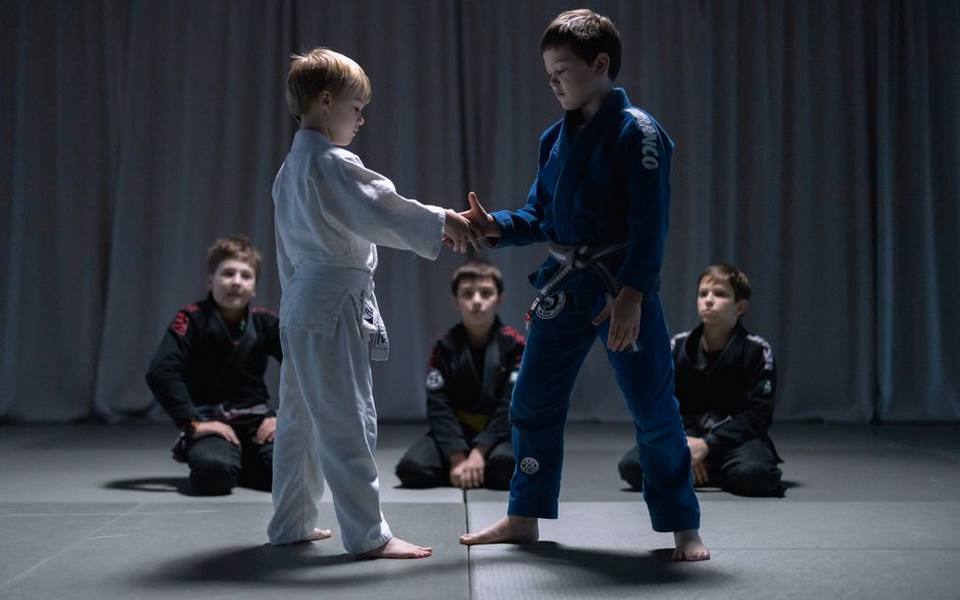
To combat stubborn stains and sweat odors without degrading the cotton, steer clear of chlorine bleach. Bleach oxidizes the cotton threads, creating microscopic weak points that will rip open during collar grip exchanges. Instead, add a half-cup of baking soda to your wash cycle or pour a cup of plain white vinegar into the fabric softener compartment to strip away built-up body salts and eliminate lingering bacteria.
Always hang your uniform to air dry on a wide plastic hanger out of direct, scorching sunlight. Direct sunlight can bleach dyed fabrics unevenly and make cotton stiff and scratchy. With regular cold-water washing, prompt line-drying, and periodic seam checks, your primary uniform will remain fresh, comfortable, and tournament-ready for hundreds of rigorous rounds.
Published 2026-09-20 · reviewed with each rebuild, last September 2026.
Find martial arts schools near you
The directory lists 32,877 martial arts schools by state and city — pick your state or use the “Near me” button in the header.
More guides
-
 Owning
Establishing a Proper Heavy Bag Routine and Striking Technique at Home
-
 Safety
Brazilian Jiu-Jitsu for Beginners: Tips, Fundamentals, and Mat Health
-
 Buying
Finding the Right Fit: A Guide to Sizing Your Jiu-Jitsu Uniform and Cross-Training Gear
-
 Money
MoneyHow Much Do Martial Arts Classes Cost? Membership Fees Breakdown
-
 Owning
What Is Mixed Martial Arts? Beginner Overview and Training Guide
-
 Owning
The History, Origins, and Physical Demands of Brazilian Jiu-Jitsu
-
 Owning
Traditional Martial Arts Guide: Understanding Wushu, Silat, and Naginata
-
 Owning
Understanding Mixed Martial Arts for Beginners
-
 Safety
How to Wrap Your Hands for Boxing: Step-by-Step Wrist and Knuckle Protection Guide
-
 Buying
BJJ vs Judo vs Wrestling vs No-Gi: Which Grappling Art Is Right for You?
-
 Buying
How to Choose the Best Jiu-Jitsu and MMA Gym Near You
-
 Owning
Brazilian Jiu-Jitsu for Beginners: Rules, Belt Ranks, and Mat Training
-
 Buying
Kickboxing Classes & Cardio Fitness Workouts Guide
-
 Owning
Martial Arts Belt Ranking Systems: Progression, Orders, and Displays
-
 Buying
Jeet Kune Do: History, Philosophy, and Modern Training Guide
-
 Buying
BJJ Gis and Uniforms Buyer's Guide: Brands, Fit, and Care
-
 Buying
Gracie Jiu-Jitsu Lineages, Academy Networks, and Training Philosophies
-
 Buying
10th Planet Jiu-Jitsu: Complete Guide to the No-Gi System and Academies
-
 Safety
Tai Chi Classes for Seniors: Health Benefits, Styles, and Practice Guide
-
 Owning
Heavy Bag and Boxing Workouts: Home Setup, Gear Selection, and Training Guide
-
 Buying
Adult Karate and Taekwondo Classes: Getting Started and Gi Sizing
-
 Owning
IBJJF Tournaments and Competition Guide: Databases, Rules, and Events
-
 Safety
Custom vs. Boil-and-Bite Mouthguards: Complete Selection and Fitting Guide
-
 Safety
Women's and Adult Self-Defense Training Guide: Techniques, Classes, and Systems
-
 Owning
Traditional Chinese Martial Arts: Shaolin, Wing Chun, Jeet Kune Do, and Gear Guide
-
 Buying
Adult Martial Arts Guide: Choosing the Right Style, Gym, and Training Class
-
 Buying
Filipino Martial Arts, Kenpo, Aikido, and HEMA: Comparing Traditional Combat Styles
-
 Owning
Heavy Bag Workout Guide: Routines, Drills, and Training for Cardio and Weight Loss
-
 Buying
Muay Thai and Cardio Kickboxing Classes: Training, Techniques, and Fitness Programs
-
 Buying
BJJ Gis, Rash Guards, and Apparel: How to Choose, Size, and Care for Jiu-Jitsu Gear
-
 Safety
Women's and Adult Self-Defense Classes: Selecting Programs for Real-World Safety
-
 Owning
Martial Arts Belts and Ranks: Belt Order, Taping, and Display Racks Guide
-
 Safety
Martial Arts Conditioning, High-Kick Mobility, and Protective Gear Guide
-
 Buying
Kids and Toddler Martial Arts: Complete Guide to Classes, Camps, and Family Dojos
-
 Owning
How to Hang a Heavy Bag: Ceiling and Wall Mounting Installation Guide
-
 Buying
Brazilian Jiu-Jitsu Schools, Academies, and Lineages: A Complete Guide
-
 Buying
Martial Arts Gyms, Fitness Studios, and Dojos Directory Guide
-
 Buying
Traditional Martial Arts Styles and Specialized Disciplines Guide
-
 Owning
BJJ and Martial Arts Gi Selection, Sizing, and Equipment Care Guide