Starting Combat Sports as an Adult
Adults entering combat sports usually look for three core benefits: a sustainable way to stay physically fit, practical personal safety skills, and an engaging mental break from workplace stress. Unlike children whose parents handle gym logistics, mature students must carefully weigh joint health, weekly career responsibilities, and limited personal downtime. Choosing the right program begins with an honest self-audit of what you actually want from training. Whether you prefer fast-paced calorie burning or technical floor grappling, the best discipline is the one aligned with your lifestyle and physical tolerance.
Most programs fall along a distinct spectrum between high-impact striking arts, close-contact grappling systems, and structured traditional katas. Striking arts like Muay Thai or boxing build explosive cardiovascular stamina through repetitive pad work and footwork drills. Ground fighting systems like Brazilian Jiu-Jitsu focus on positional dominance, balance, and joint manipulation without direct head impacts. Traditional schools emphasize methodical belt progression, formal philosophy, and precision forms. No single martial discipline holds an absolute advantage over the others; your personal physical condition dictates what works best.
Prior athletic conditioning is rarely a requirement before attending your first class, contrary to common beginner fears. Reputable academies build their introductory adult curriculums assuming that new students may be walking in after years of sedentary office work. The opening month functions primarily as a gentle adaptation phase where your joints, tendons, and cardiovascular system adjust to unconventional lateral movement patterns. Pacing yourself early protects your body and prevents common overuse injuries that cause many newcomers to quit prematurely.
Striking Disciplines for High-Energy Conditioning
For adults primarily seeking martial arts for exercise, striking disciplines deliver some of the most challenging total-body workouts available. Heavy bag intervals, focus mitt combinations, and defensive slipping drills spike your heart rate while building functional core strength. Many adults enroll in kickboxing classes because the curriculum provides an intense athletic sweat without demanding hard full-contact sparring right out of the gate. You learn proper kinetic alignment while burning significant energy in structured, hour-long training sessions.

Disciplines like Muay Thai and Western boxing offer a direct, practical approach to striking mechanics. Classes center on rhythm, footwork angles, and generating kinetic energy through hip rotation rather than isolated arm swings. Workouts regularly incorporate jump rope circuits, shadowboxing rounds, and partner-held Thai pad routines. The sheer physical output makes these styles immensely popular among people who find repetitive treadmill running or static weightlifting machines boring, keeping motivation high through constant technical skill development.
The repetitive force generated during striking arts demands sensible safety precautions from day one. Striking heavy bags without proper technique creates substantial stress on wrist ligaments, knuckle bones, and ankle joints. Investing in quality hand wraps and appropriately padded gloves—typically 14 to 16 ounces for adult partner drills—is essential for joint preservation. Quality instructors always monitor beginner students closely, ensuring wrist and forearm alignment are sound before encouraging them to hit targets with maximum velocity.
Grappling Systems and Floor-Based Leverage
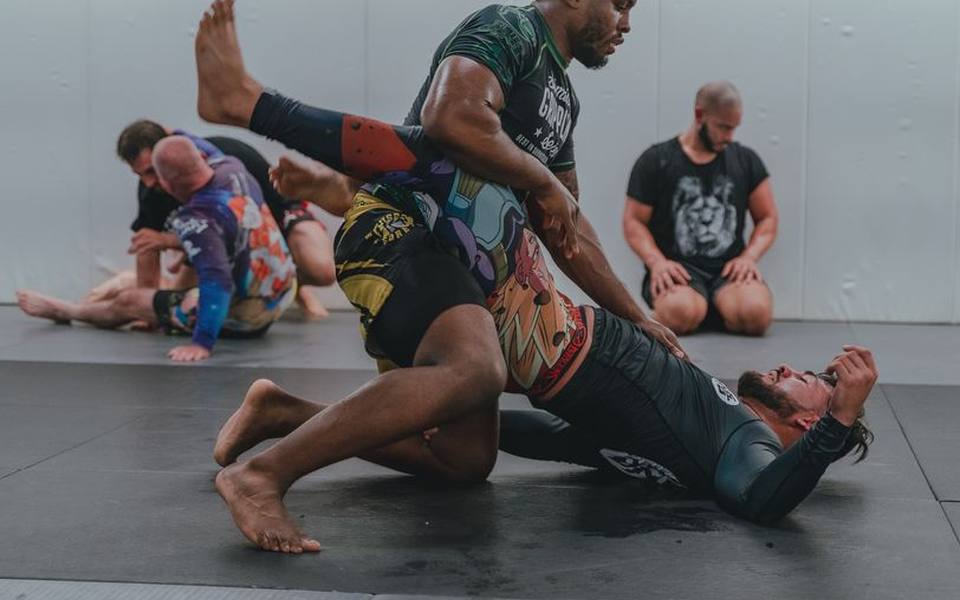
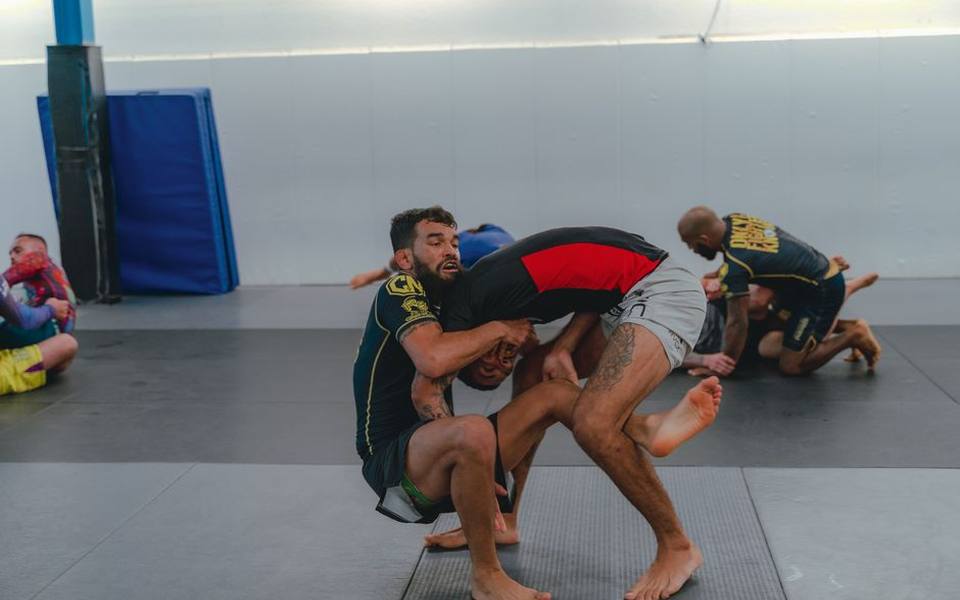
Grappling styles present a completely different physical and mental dynamic by removing strikes in favor of clinches, takedowns, and positional control. Adults who decide to learn jiu jitsu quickly realize that the art operates like high-speed physical chess. The primary draw of modern Brazilian Jiu-Jitsu schools is the ability to spar at near-maximum intensity with minimal head trauma, as strikes are excluded from standard class rolling sessions.
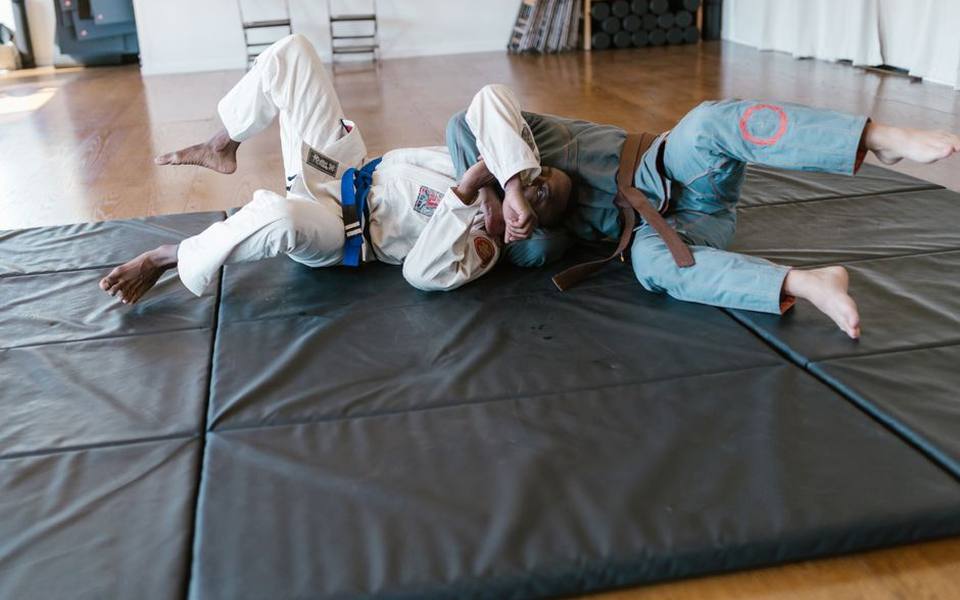
Stepping into jiujitsu for beginners introduces you to moving comfortably from your back, working with the guard, and escaping heavy pins. The underlying mechanics emphasize leveraging skeletal frames instead of brute muscular force, allowing a lighter practitioner to control and neutralize a much larger training partner. Early lessons typically focus on understanding positional hierarchy: mount, side control, guard, and back control. Students learn how to breathe under physical pressure before attempting complex submission holds.
Floor grappling demands a unique type of physical endurance characterized by sustained isometric tension. Gripping cloth collars, posting against hips, and defending body weight stresses your forearms, neck muscles, and hips in ways conventional weightlifting cannot replicate. Minor friction abrasions and temporary forearm fatigue are common during the initial weeks. As technical understanding grows, you learn to relax your muscles during neutral exchanges, dramatically reducing overall fatigue and soreness during live rolling.
Traditional Disciplines and Classical Belt Paths
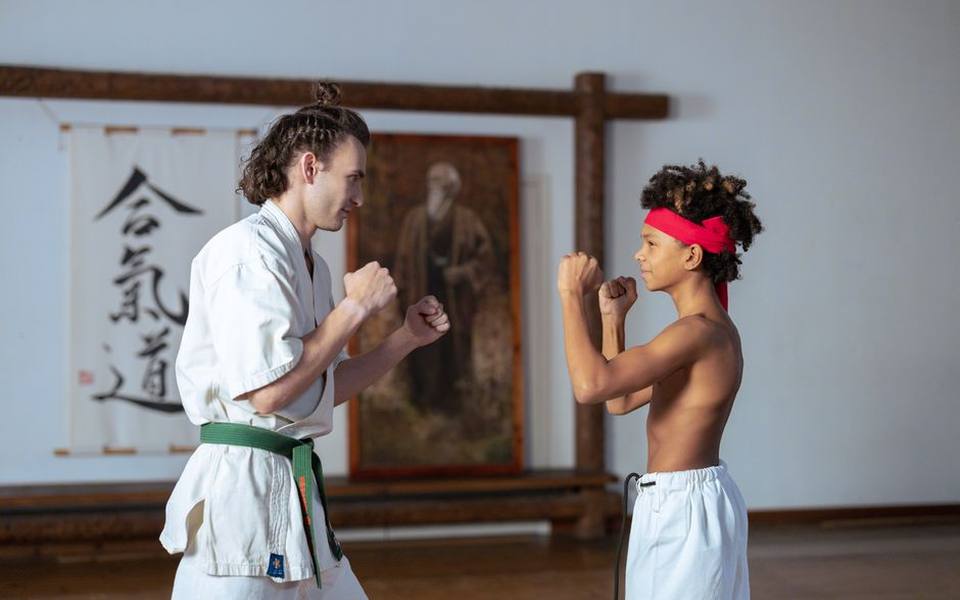
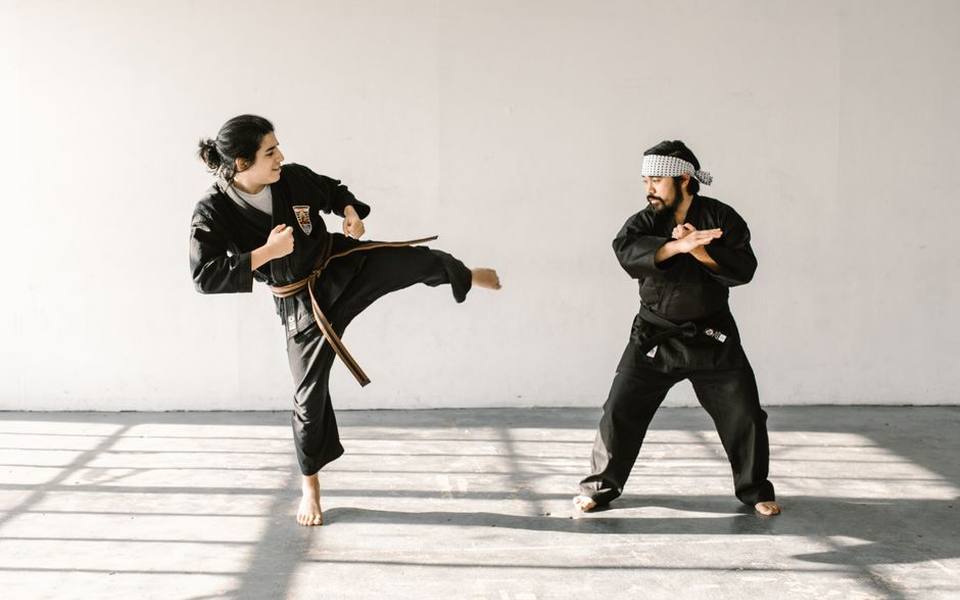
Classical martial arts such as karate, taekwondo, and kung fu provide structured, regimented training grounds for students drawn to ritual, clear milestones, and disciplined dojo etiquette. Exploring karate for beginners reveals a training format balanced between fundamental striking mechanics, choreographed solo patterns known as kata, and controlled point sparring. The predictable, step-by-step belt ranking system provides clear, measurable benchmarks that help adult learners track their personal evolution across several years.
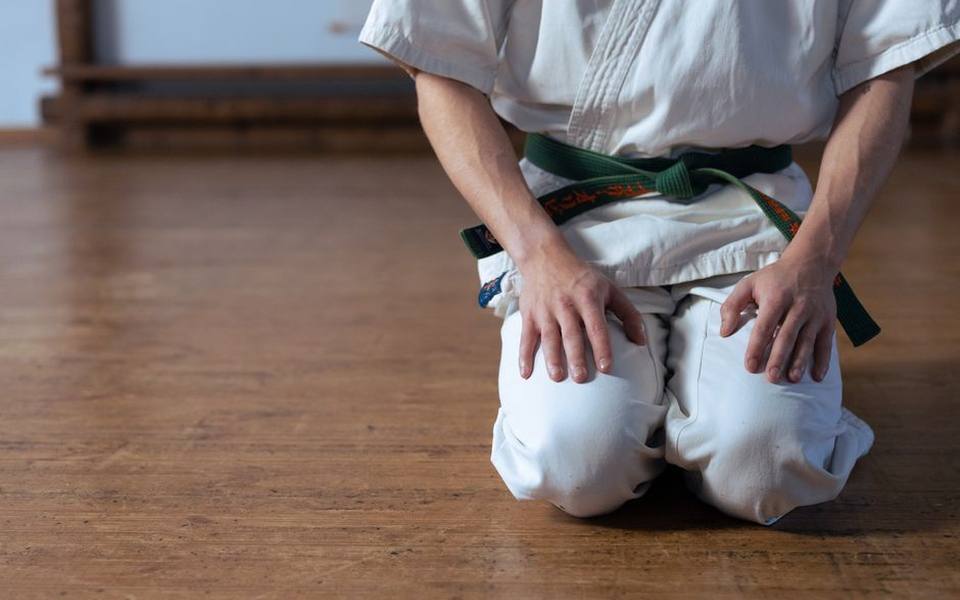
Students seeking out traditional martial arts schools enter an environment rooted in formal bows, uniform standards, and deep respect for school lineage. Classes often open and close with brief seated breathing exercises designed to establish mental focus. For busy working adults, this deliberate separation from the chaotic outside world provides mental clarity alongside mobility drills, low stances, and dynamic hip flexibility work that counters the negative physical effects of prolonged desk sitting.
Physical demands in traditional academies vary considerably based on the specific lineage and the chief instructor's personal background. Some schools concentrate on light-contact point sparring wearing protective foam gear, whereas styles like Kyokushin karate embrace full-power bare-knuckle striking to the torso and legs. Before registering for an adult program, observe an evening session to ensure that the contact level, uniform requirements, and training philosophy match your personal comfort boundaries.
Modern Mixed Formats and Multi-Disciplinary Academies
Mixed martial arts blends boxing, Muay Thai, collegiate wrestling, and submission grappling into a single, cohesive combat system. Enrolling at modern MMA gyms provides a comprehensive self-defense education by stripping away the artificial rules of single-style sports. Adult students learn how standing strikes blend directly into takedowns, how to control an opponent against an enclosure, and how to defend strikes from the ground.
A typical multi-disciplinary academy organizes its calendar into dedicated technical blocks: wrestling fundamentals on one day, Muay Thai striking on another, and submission grappling later in the week. This balanced variety eliminates physical monotony and builds an exceptionally capable athletic foundation. You develop the explosive hips and core strength of amateur wrestling alongside the fluid footwork and counter-punching instincts taught in professional boxing clubs.
Because mixed martial arts facilities cater to both aspiring competitive fighters and regular working professionals, gym culture can differ widely between locations. High-caliber facilities maintain a strict separation between amateur fight camps and entry-level adult classes. When touring an MMA gym, make sure the coaching staff enforces tight technical control during drills; adult beginners should never be matched with aggressive competitors using partner work for full-contact fight preparation.
Assessing Physical Intensity, Calorie Burn, and Joint Safety
Evaluating martial arts for fitness requires looking past slick marketing claims to examine how daily classes are actually run. Combat sports rely on natural high-intensity interval training, alternating rounds of focused technical drilling or sparring with brief recovery pauses. Depending on your body mass and exertion level, an intensive hour-long martial arts session typically burns between 500 and 800 calories while forcing your core and stabilizing muscles to work constantly.
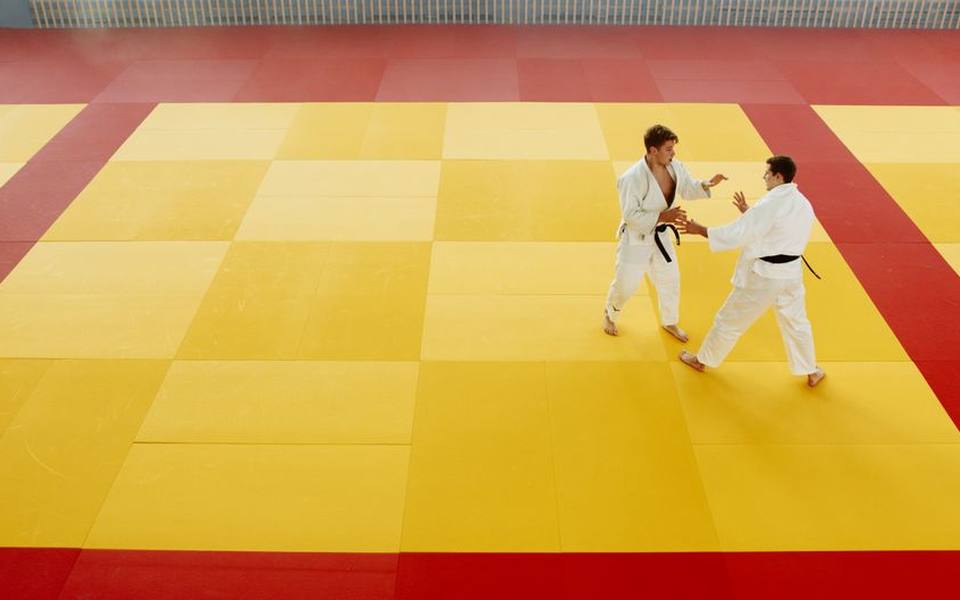
Long-term joint health must remain the foremost priority for any adult starting combat sports. Unlike teenagers, mature bodies require more time to recover from minor joint strain, soft-tissue inflammation, and connective tissue stress. Integrating dedicated hip openers, rotator cuff exercises, and post-workout hamstring stretches prevents recurring lower-back stiffness or knee discomfort. Scheduled rest days between intense training sessions are crucial for muscle repair and nervous system recovery.
Safe gyms actively foster a culture where tapping out early is respected and light-contact control is the default rule during striking drills. If an academy treats tapping as a sign of weakness or celebrates uncontrolled hard sparring among beginners, look elsewhere. Sustainable longevity on the mats depends on having considerate training partners who reliably release submission holds the instant pressure is applied, allowing everyone to return to work uninjured the following morning.
Evaluating Local Gyms, Cleanliness, and Coaching Standards
Finding high-standard local martial arts classes starts with a close inspection of the facility during peak training hours. Combat sports involve direct physical contact, sweat, and bare skin touching vinyl mats. Pay close attention to mat sanitation practices: are surfaces thoroughly mopped and sprayed with hospital-grade antimicrobial cleaners after every session? Lax hygiene practices invite stubborn skin problems like staph, ringworm, and folliculitis, which can quickly keep you off the mats for weeks.
A head coach's personal credentials and communicative approach matter far more than competitive trophies hanging on the wall. An accomplished tournament fighter is not always a patient or communicative teacher for an adult beginner. Great instructors explain technical mechanics clearly, keep a watchful eye on fatigue levels, and foster an ego-free environment. Notice whether the instructor walks the floor to assist struggling newcomers or spends the class talking exclusively with advanced students.
The composition of the student body offers the most honest assessment of a club's daily environment. If an academy features men and women of various ages, working professionals, and older hobbyists training comfortably together, the gym maintains a healthy community. If the training floor is filled only with aggressive young competitors sparring at fight pace, the gym is optimized for competitive athletes rather than lifelong adult skill development.
Check whether the academy cleans and disinfects its mat surfaces immediately following the final sparring round of the evening; a persistent sour odor or damp mats indicate substandard sanitation routines.
Trial Classes, Contracts, and Fee Structures
Nearly all reputable martial arts schools offer a complimentary trial class or a heavily discounted introductory week. Take advantage of these trial periods at two or three different gyms in your area before making any financial commitment. Walking into a martial arts school can feel intimidating at first, but welcoming desk staff, attentive coaches, and patient training partners during your trial session demonstrate healthy institutional leadership.
Monthly tuition across the United States typically falls between $100 and $250, depending on your geographic region, facility amenities, and coaching pedigree. Many academies offer tiered memberships based on weekly attendance, such as two structured sessions per week versus unlimited daily access. Be wary of schools that pressure you into signing binding multi-year contracts on day one without offering clear cancellation terms for medical conditions or job relocation.
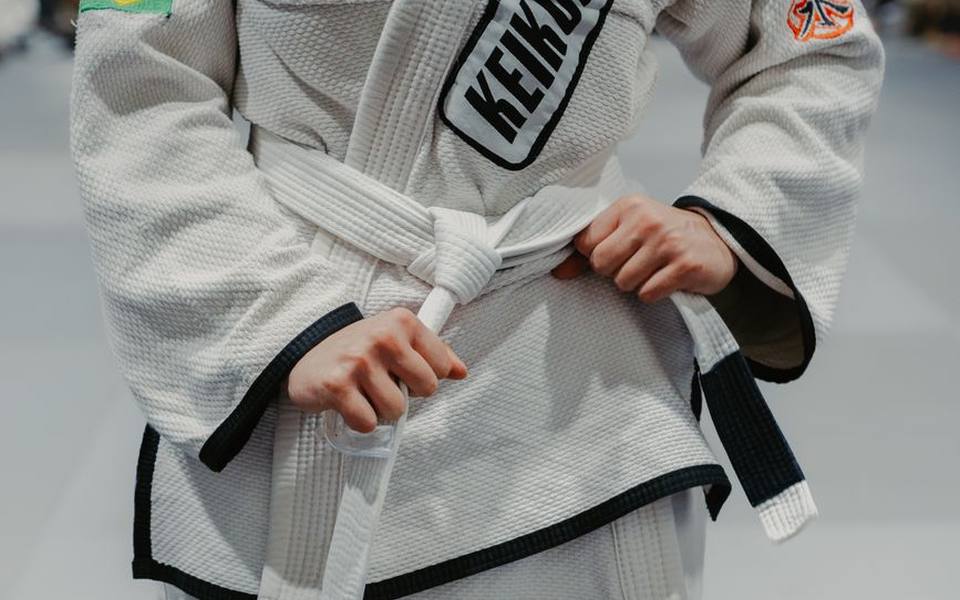
Take into account the initial startup expenses required to outfit yourself properly. Different combat styles require specialized gear, including heavy cotton gis, rashguards, protective shin pads, mouthguards, and hand wraps. Some schools mandate that members buy exclusively branded academy apparel at premium prices, while others allow clean third-party equipment. Clarify all mandatory equipment rules before completing your enrollment to prevent unexpected financial surprises on your first week.
Balancing Training with a Full-Time Adult Schedule
Consistency always beats intensity when maintaining a combat sports hobby alongside adult responsibilities. Attempting to attend adult martial arts lessons five days a week immediately after joining often leads to deep exhaustion, joint tendonitis, or mental burnout within the first month. Starting with two consistent sessions per week allows your tendons and muscles to adapt smoothly while leaving ample energy for your family, career, and household duties.
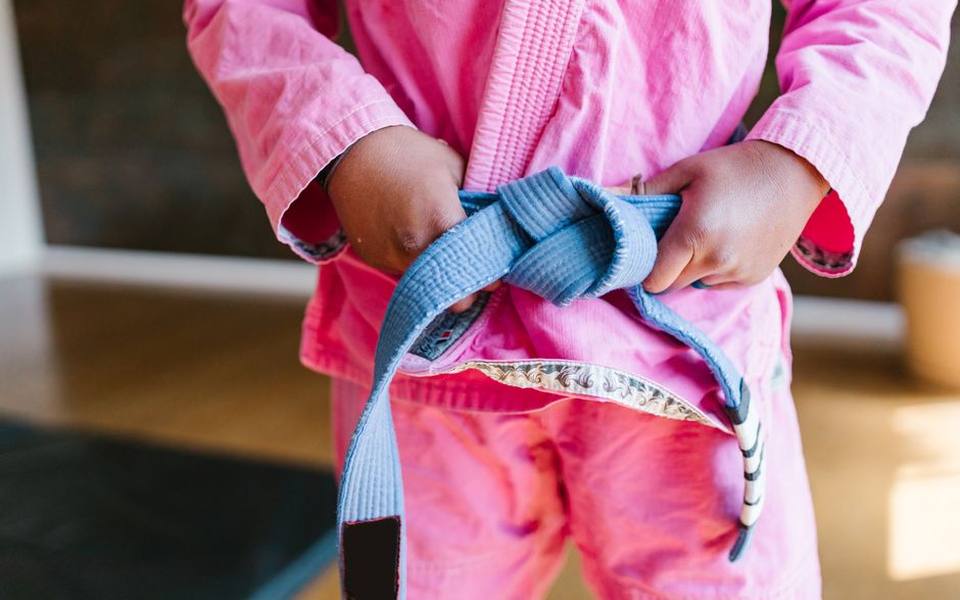
Scheduling convenience plays a decisive role in whether you stick with training over the long run. Look for academies that provide flexible timetables, such as early-morning classes, midday sessions, and weekend open mat hours. Access to varied time slots ensures that a late office meeting does not completely derail your physical routine for the week. The more easily a facility fits into your existing daily commute, the more likely you are to stay active for years.
Managing your recovery off the mats directly determines how much progress you make during class. Getting seven to eight hours of sound sleep, staying well-hydrated throughout the workday, and eating adequate protein supports muscular recovery. Gentle, low-impact cross-training like walking or light cycling on rest days stimulates blood circulation without placing additional torque on your joints, helping you arrive at class refreshed and ready to learn.
First-Day Etiquette and Essential Preparation
Preparing for your initial class requires modest preparation, clean hygiene, and an open mind. Trim your fingernails and toenails flush with the skin to prevent scratching your training partners during close-range drilling. Take off all jewelry, rings, necklaces, and wristwatches before stepping onto the training mat, as metal items easily catch in clothing fabrics or cause painful cuts. Arrive fifteen minutes ahead of the scheduled start time to finish liability waivers and meet your coach.
Meticulous personal cleanliness is fundamental to combat sports etiquette. Always wash your training uniforms and compression wear immediately after each session; allowing sweaty gear to sit inside a closed gym bag creates permanent bacterial smells. Step onto the mats with clean bare feet, and wear flip-flops or sandals whenever walking off the mat surface to visit the locker room or restroom to keep mat surfaces clean.
Leave your ego in the locker room when you step onto the training floor. You will inevitably be caught in submissions, out-struck on focus mitts, and fatigued by partners who may be older, lighter, or less traditionally athletic than you. Martial arts teaches personal composure under direct physical resistance. Embracing beginner awkwardness as an essential part of the learning curve unlocks a deeply rewarding journey toward physical strength, mental poise, and real-world practical skill.
Published 2026-09-21 · reviewed with each rebuild, last September 2026.
Find martial arts schools near you
The directory lists 32,877 martial arts schools by state and city — pick your state or use the “Near me” button in the header.
More guides
-
 Owning
Establishing a Proper Heavy Bag Routine and Striking Technique at Home
-
 Safety
Brazilian Jiu-Jitsu for Beginners: Tips, Fundamentals, and Mat Health
-
 Buying
Finding the Right Fit: A Guide to Sizing Your Jiu-Jitsu Uniform and Cross-Training Gear
-
 Money
MoneyHow Much Do Martial Arts Classes Cost? Membership Fees Breakdown
-
 Owning
What Is Mixed Martial Arts? Beginner Overview and Training Guide
-
 Owning
The History, Origins, and Physical Demands of Brazilian Jiu-Jitsu
-
 Owning
Traditional Martial Arts Guide: Understanding Wushu, Silat, and Naginata
-
 Owning
Understanding Mixed Martial Arts for Beginners
-
 Safety
How to Wrap Your Hands for Boxing: Step-by-Step Wrist and Knuckle Protection Guide
-
 Buying
Best Jiu-Jitsu Gis and Apparel: Complete Buyer's Guide and Sizing Chart
-
 Buying
BJJ vs Judo vs Wrestling vs No-Gi: Which Grappling Art Is Right for You?
-
 Buying
How to Choose the Best Jiu-Jitsu and MMA Gym Near You
-
 Owning
Brazilian Jiu-Jitsu for Beginners: Rules, Belt Ranks, and Mat Training
-
 Buying
Kickboxing Classes & Cardio Fitness Workouts Guide
-
 Owning
Martial Arts Belt Ranking Systems: Progression, Orders, and Displays
-
 Buying
Jeet Kune Do: History, Philosophy, and Modern Training Guide
-
 Buying
BJJ Gis and Uniforms Buyer's Guide: Brands, Fit, and Care
-
 Buying
Gracie Jiu-Jitsu Lineages, Academy Networks, and Training Philosophies
-
 Buying
10th Planet Jiu-Jitsu: Complete Guide to the No-Gi System and Academies
-
 Safety
Tai Chi Classes for Seniors: Health Benefits, Styles, and Practice Guide
-
 Owning
Heavy Bag and Boxing Workouts: Home Setup, Gear Selection, and Training Guide
-
 Buying
Adult Karate and Taekwondo Classes: Getting Started and Gi Sizing
-
 Owning
IBJJF Tournaments and Competition Guide: Databases, Rules, and Events
-
 Safety
Custom vs. Boil-and-Bite Mouthguards: Complete Selection and Fitting Guide
-
 Safety
Women's and Adult Self-Defense Training Guide: Techniques, Classes, and Systems
-
 Owning
Traditional Chinese Martial Arts: Shaolin, Wing Chun, Jeet Kune Do, and Gear Guide
-
 Buying
Filipino Martial Arts, Kenpo, Aikido, and HEMA: Comparing Traditional Combat Styles
-
 Owning
Heavy Bag Workout Guide: Routines, Drills, and Training for Cardio and Weight Loss
-
 Buying
Muay Thai and Cardio Kickboxing Classes: Training, Techniques, and Fitness Programs
-
 Buying
BJJ Gis, Rash Guards, and Apparel: How to Choose, Size, and Care for Jiu-Jitsu Gear
-
 Safety
Women's and Adult Self-Defense Classes: Selecting Programs for Real-World Safety
-
 Owning
Martial Arts Belts and Ranks: Belt Order, Taping, and Display Racks Guide
-
 Safety
Martial Arts Conditioning, High-Kick Mobility, and Protective Gear Guide
-
 Buying
Kids and Toddler Martial Arts: Complete Guide to Classes, Camps, and Family Dojos
-
 Owning
How to Hang a Heavy Bag: Ceiling and Wall Mounting Installation Guide
-
 Buying
Brazilian Jiu-Jitsu Schools, Academies, and Lineages: A Complete Guide
-
 Buying
Martial Arts Gyms, Fitness Studios, and Dojos Directory Guide
-
 Buying
Traditional Martial Arts Styles and Specialized Disciplines Guide
-
 Owning
BJJ and Martial Arts Gi Selection, Sizing, and Equipment Care Guide